Plot Explained Spoilers guaranteed!
Plot Explained

Browse by genre

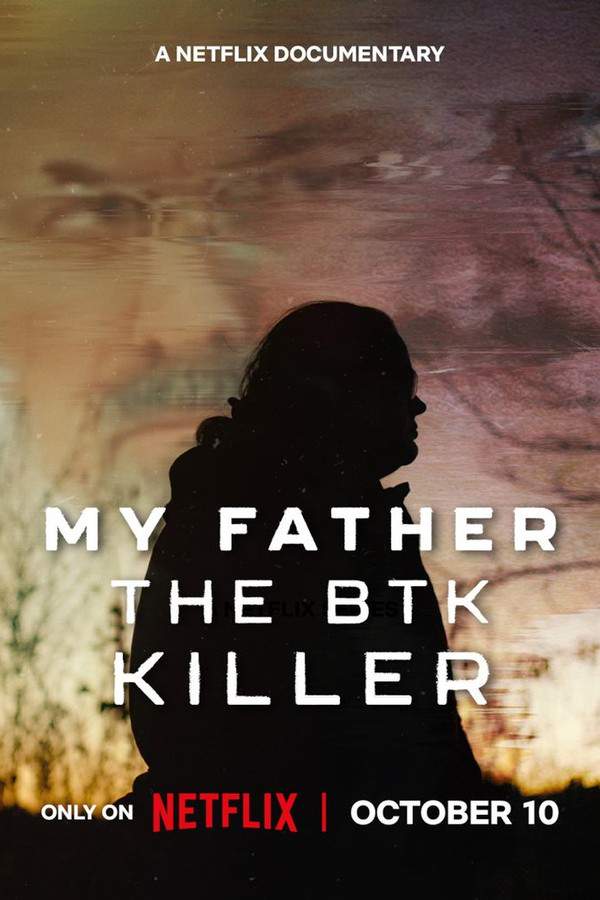
My Father, the BTK Killer (2025) movie poster

Timeline

My Father, the BTK Killer (2025) Timeline Explained – Every Event in Order

Release, runtime and language
2025 · 1 h 33 m · English
Echo score 61
Loading streaming availability…
Directed by
Skye Borgman

Family man. Boy Scout leader. Serial killer. Dennis Rader's brutal crimes as BTK haunt his daughter Kerri Rawson, who tells her story.

On this page (6)
  1. 1 Where to watch
  2. 2 Events in order (15)
  3. 3 Timeline questions answered
  4. 4 Movie threads
  5. 5 Movies like My Father, the BTK Killer
  6. 6 Every angle
Loading streaming availability…

15 events in order · contains spoilers

My Father, the BTK Killer Timeline: Events in Chronological Order

Every key event of My Father, the BTK Killer (2025) in order, scene by scene, with when and where it takes place. Use it to untangle flashbacks, time jumps and parallel storylines, to refresh your memory before the sequel or to find the exact scene you are thinking of.

  1. Rader's Secret Killings Begin

    Long before Rawson was born, her father Dennis Rader had already begun committing murders. He carefully hid his crimes while living an everyday life in plain sight. This dark double life would remain concealed from his family for decades.

    When
    Before 1974
  2. Rawson Is Born Into the Rader Family

    Rawson was born in 1974, unaware that her father's secret crimes were already underway. She would grow up believing she had an ordinary family. Her father presented himself as a devoted husband and parent to everyone around him.

    When
    1974
  3. A Seemingly Normal Childhood

    The documentary presents family photos and home videos showing Rawson's seemingly ordinary upbringing. To the neighborhood, Rader appeared to be a caring family man. These cherished memories formed the foundation of the life Rawson believed she had.

  4. Night Terrors and Unexplained Fear

    Despite the normal surface, Rawson suffered from night terrors, bed-wetting, and a constant fear of home invasion as a child. She now believes these were her subconscious mind reacting to 'a bad man in the house'. Her young intuition may have sensed the danger living under the same roof.

  5. FBI Agents Arrive at Rawson's Door

    Two FBI agents arrived at Rawson's home with devastating news: her father had been arrested as the BTK killer. This single moment shattered her understanding of her family and her entire past. The revelation turned her world upside down.

    When
    2005
  6. The Two Faces of Dennis Rader

    The arrest revealed the stark duality of Rader's existence. To his family and neighborhood he was a devoted husband and father, yet he used that image to hide his crimes. Rawson was forced to grapple with the reality that her father led a secret, monstrous life.

    When
    2005
  7. Family Plunged Into Disbelief and Trauma

    The arrest and resulting media storm put Rawson's family into disbelief and trauma. She upended her life entirely and forced herself to question everything she had ever believed. The foundations of her identity crumbled overnight.

  8. Battling Grief, Scrutiny, and PTSD

    In the years that followed, Rawson dealt with immense grief and intense public scrutiny. The emotional toll manifested as lasting trauma, including PTSD. She struggled to process being the daughter of one of America's most notorious killers.

  9. A Moral Dilemma: Helping Investigators

    Over the years, Rawson faced a difficult moral dilemma as she helped investigators search for additional victims of her father. This cooperation compelled her to confront the full scope of his crimes. At the same time, she continued wrestling with the betrayal and grief.

  10. Confronting Her Father in Prison

    Rawson eventually visited her father in prison and confronted him about his crimes. She asked him directly about other victims, but he evaded her questions. The meeting left her without the honest answers she was searching for.

    Where
    Prison
  11. The Disturbing Fantasy in His Notes

    During the confrontation, Rawson raised a disturbing fantasy her father had written in his notes that included her name. Rader dismissed it, claiming it was just a fantasy. This chilling exchange exposed the deeply unsettling nature of their fractured relationship.

    Where
    Prison
  12. Nearly a Decade of Silence

    After the arrest, Rawson spent nearly a decade in silence about her experience. She carried her trauma privately while the world remained fascinated by her father's crimes. This prolonged quiet marked one of the darkest periods of her life.

  13. Inspired by Stephen King to Speak Out

    Rawson watched an interview with Stephen King that inspired her to finally tell her own story. After years of silence, she found the courage to break it and share her experience publicly. This moment became a crucial turning point in her healing journey.

  14. Becoming an Advocate for Victims

    Having told her narrative, Rawson transformed her pain into purpose. She became an advocate for victims, using her voice to support others affected by crime and trauma. Her openness gave meaning to her suffering and helped her reclaim her identity.

  15. Final Reflection and Closing the Chapter

    The documentary closes with Rawson reflecting on her last prison visit with her father. She realizes that her own healing and identity will not be defined by his actions. With this understanding, she moves forward and finally closes that chapter of her life.

Last updated: October 28, 2026 at 07:11

Was this helpful?

Timeline questions answered

My Father, the BTK Killer Timeline Explained: Your Questions Answered

When does it happen, and why in that order? The questions people ask about the chronology of My Father, the BTK Killer (2025): time jumps, flashbacks, cause and effect between scenes and the correct order of events, each answered with spoilers.

Q1

How did Dennis Rader hide his identity as BTK from his family?

Dennis Rader maintained two separate lives: a public identity as a devoted husband, father, and Boy Scout leader, and a hidden identity as the BTK killer. My Father, the BTK Killer uses family photographs and home videos to show how convincing his ordinary side was while his crimes remained concealed for decades. The contrast made his 2005 arrest feel like the sudden exposure of an entirely hidden life.

Foreshadowing: Family photos and home videos repeatedly show Rader as a caring father before his hidden identity is revealed.

  • dennis rader
  • btk killer
  • secret identity
  • family life
Q2

Why did discovering Dennis Rader was BTK make Kerri Rawson question every childhood memory?

The arrest replaced Rawson's image of a loving father with the knowledge that the man at home had committed brutal murders. Because ordinary routines, family photos, and neighborhood perceptions now looked deceptive, she had to reconsider the memories and assumptions that had shaped her sense of family. That loss of trust, intensified by the media storm, helps explain her grief, PTSD, and struggle to process the past.

Foreshadowing: The documentary's earlier home videos of ordinary family life make the arrest a direct interruption of the childhood narrative Rawson had believed.

  • kerri rawson
  • childhood memories
  • family deception
  • trauma
Q3

Why was Dennis Rader's written fantasy involving Kerri Rawson so disturbing?

The fantasy was disturbing because it was written by her own father and included her name, making his concealed criminal thoughts feel personal and invasive rather than abstract. When Rawson raised it during a prison visit, Rader dismissed it as "just a fantasy," minimizing what she had discovered. In My Father, the BTK Killer, the episode crystallizes the disturbing collision between family identity and hidden violence.

  • dennis rader
  • disturbing fantasy
  • kerri rawson
  • prison notes
Q4

What happened when Kerri Rawson confronted Dennis Rader in prison?

Rawson directly confronted Rader about his crimes and asked him about other victims, but he evaded her attempts to get honest answers. She also raised the disturbing fantasy he had written about her, which he dismissed as merely a fantasy. The exchange left her without the answers she was seeking and deepened the fracture between them.

  • prison confrontation
  • dennis rader
  • kerri rawson
  • unanswered questions
Q5

Why was helping investigators find more victims so painful for Kerri Rawson?

Each search could uncover another person harmed by Rader, forcing Rawson to confront the full scale of her father's crimes while the family was still processing the betrayal. Helping the FBI could bring clarity and locate victims, but it also repeatedly exposed her to the horror she had discovered at home. The documentary presents her cooperation as a painful moral struggle between seeking the truth and coping with renewed grief.

Foreshadowing: The arrest and subsequent media scrutiny set up why each new discovery reopened the family wound.

  • helping the fbi
  • finding victims
  • moral dilemma
  • grief
Q6

What did Kerri Rawson realize during her final prison visit?

During the final visit, Rawson realized that her identity and her healing did not have to be defined by Dennis Rader's actions. The conversation allowed her to separate herself from the public role of BTK killer's daughter and finally close that chapter of her life. My Father, the BTK Killer presents this as self-definition and closure, not as a claim that his crimes were forgiven.

Foreshadowing: Each earlier prison meeting had left Rawson searching for answers she never received.

  • final prison visit
  • self identity
  • healing
  • closure
Q7

Why do Kerri Rawson's childhood night terrors seem connected to her father's crimes?

Rawson now interprets her childhood night terrors, bed-wetting, and fear of home invasions as signs that her subconscious sensed a "bad man in the house." The film presents this as her retrospective understanding after learning her father was BTK, not as proof that she consciously knew what he was doing. The connection gives her childhood fear a new meaning within the documentary's contrast between domestic normalcy and hidden violence.

Foreshadowing: Her unexplained childhood symptoms appear before the 2005 FBI visit, making them a retrospective clue to the danger inside the home.

  • night terrors
  • bed wetting
  • home invasion fear
  • childhood intuition
Q8

Did the fantasy involving Kerri Rawson mean Dennis Rader sexually abused her?

The film describes a disturbing written fantasy that included Rawson's name, but it does not say that Rader acted on it or sexually abused her. Rader dismissed the writing as "just a fantasy" during the prison confrontation. The documentary presents the horror of his written thoughts and Rawson's personal reaction to learning about them, not an allegation that a physical assault occurred.

  • fantasy
  • sexual abuse
  • dennis rader
  • kerri rawson
Q9

Was Kerri Rawson responsible for her father's crimes?

No. Rawson was born in 1974 and grew up believing she had an ordinary family while Rader was already committing murders in secret. Her later distress came from discovering the betrayal and from helping investigators uncover more victims, not from any participation in the crimes. The documentary centers the distinction between an inherited identity and personal culpability.

  • kerri rawson
  • btks daughter
  • guilt
  • responsibility
Q10

Why did Dennis Rader avoid answering Rawson's questions about other victims?

Rader evaded Rawson's direct questions and did not give her the honest answers she was seeking. The documentary does not establish a clear reason for his refusal, so assigning one would be speculation. What his evasion demonstrates is how his denial and minimization kept the family wound open even after his arrest.

  • dennis rader
  • evading questions
  • other victims
  • denial
Q11

Why did Kerri Rawson stay silent for nearly a decade?

Rawson remained silent for nearly ten years while coping with the arrest, public scrutiny, PTSD, and grief. The documentary shows that the public fascination with Rader's crimes left her carrying the aftermath privately. Her eventual decision to speak came only after years of processing that isolation and trauma.

Foreshadowing: The media storm surrounding the 2005 arrest continued to shape the family's public life throughout Rawson's silent years.

  • silence
  • trauma
  • media scrutiny
  • ptsd
Q12

What inspired Kerri Rawson to tell her story publicly?

A Stephen King interview inspired Rawson to break her nearly decade-long silence and share her experience in public. The documentary identifies that interview as the immediate catalyst for her decision to speak. After doing so, she began using her story to support other victims and turn private pain into advocacy.

Foreshadowing: The Stephen King interview becomes the specific turning point that interrupts Rawson's long period of silence.

  • stephen king
  • speaking out
  • kerri rawson
  • advocacy
Q13

How did Kerri Rawson turn her trauma into victim advocacy?

After deciding to speak publicly, Rawson began using her experience to support other people affected by crime and trauma. Her advocacy gave her suffering a constructive purpose and helped her reclaim an identity separate from being known only as Rader's daughter. The shift from silence to advocacy marks the documentary's hopeful counterweight to its darker material.

  • victim advocacy
  • survivor voice
  • reclaiming identity
  • trauma

Movie threads

More Movies Like My Father, the BTK Killer, by Mood & Story

Curated lists built around what makes My Father, the BTK Killer tick: the same mood, the same kind of story or the same emotional payoff. Each list explains why these movies belong together.

Movies like My Father, the BTK Killer: Family Monster Revelations

Loved ones confront hidden violence and rebuild identities beyond inherited horror. If you enjoyed My Father, the BTK Killer, explore movies like this that reveal a loved one’s hidden crimes through a survivor’s perspective. These similar true crime stories unsettle family memories, test personal identity, and move toward painful closure and hard-won healing.

  • intimate true crime
  • family betrayal
  • traumatic memories
  • oppressive
  • disturbing revelations
  • hard-won healing
  • Tone: somber, intimate, disturbing
  • Pacing: variable, reflective
Why these movies?

The story pattern: Typically, an ordinary family narrative is revealed to have concealed a second, violent reality. Interviews, family media, and investigative details force survivors to revisit childhood moments with new knowledge. A direct confrontation may follow before the survivor begins separating the perpetrator’s identity from their own and reaches a moment of closure.

Why they belong together: These films are grouped by the betrayal of trust within a family and the survivor’s perspective on crimes that redefine familiar memories. Their shared appeal comes from disturbing revelations, intimate testimony, and the uneasy coexistence of horror with a hard-won sense of healing.

Movies like My Father, the BTK Killer: Reclaiming Self After Family Trauma

Survivors separate their own identity from the violence and shame inherited at home. If you liked My Father, the BTK Killer, find similar documentary stories of survivors reclaiming identity after childhood trauma. These intimate, somber films trace grief and fragmented memories toward self-definition, advocacy, and a hard-won sense of hope without erasing the pain.

  • survivor healing
  • identity reclaim
  • childhood trauma
  • grief
  • fragmented memories
  • quiet hope
  • Tone: somber, reflective, cautiously hopeful
  • Pacing: variable, interview-led
Why these movies?

The story pattern: The emotional journey begins in childhood fear and confusion, then shifts as an adult survivor gains language for what happened. Testimonies and remembered fragments revise the personal history, while grief and confrontation make room for a separate identity. The ending offers not a cure, but movement toward agency and advocacy.

Why they belong together: These stories share an inward focus on what trauma does to identity over time. Somber reflection and disturbing family memories gradually give way to self-acceptance, advocacy, and hope, creating a heavy emotional journey without an entirely bleak resolution.

If you liked this

Movies Like My Father, the BTK Killer

Similar movies to My Father, the BTK Killer: the same genre, themes or kind of story. Each one comes with its own plot summary, timeline and ending explained.

Browse all movie summaries

Every angle

My Father, the BTK Killer (2025) Explained: Plot, Ending, Timeline & Characters

Everything about My Father, the BTK Killer in one place: what happens in the plot summary, the timeline in chronological order, the characters and meaning, the ending explained and a spoiler-free summary. What's After the Movie adds the cast, box office and post-credit scenes.

Coming soon on iOS and Android

The Plot Explained Movie Summary App

Plot summaries, endings explained and timelines on your phone. Catch up on any movie in minutes, save your favorites and never miss a twist again.

Be the first to know when we launch. Your email stays private, always.

Learn more about the app