Plot Explained Spoilers guaranteed!
Plot Explained

Browse by genre

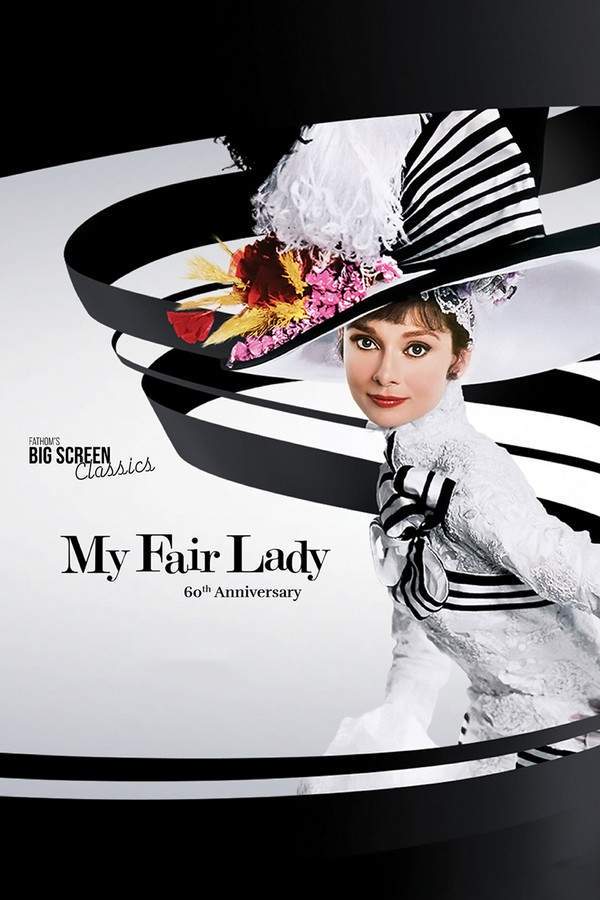
My Fair Lady (1964) movie poster

Timeline

My Fair Lady (1964) Timeline Explained – Every Event in Order

Release, runtime and language
1964 · 170 min · English
Loading streaming availability…
Directed by
George Cukor
Starring
Theodore Bikel, Stanley Holloway, Gladys Cooper, Wilfrid Hyde-White, Audrey Hepburn, Rex Harrison
Budget
$17M

A captivating musical follows a brilliant phonetics professor who makes a bet that he can transform a Cockney flower girl into a refined young woman. Henry Higgins takes on Eliza Doolittle as a pupil, embarking on a challenging journey involving elocution lessons and social graces. As Eliza's speech and manners improve, she blossoms into a confident individual, leading to unexpected romantic developments and a reevaluation of class distinctions.

On this page (7)
  1. 1 Where to watch
  2. 2 Events in order (14)
  3. 3 Timeline questions answered
  4. 4 The book behind the movie
  5. 5 Movie threads
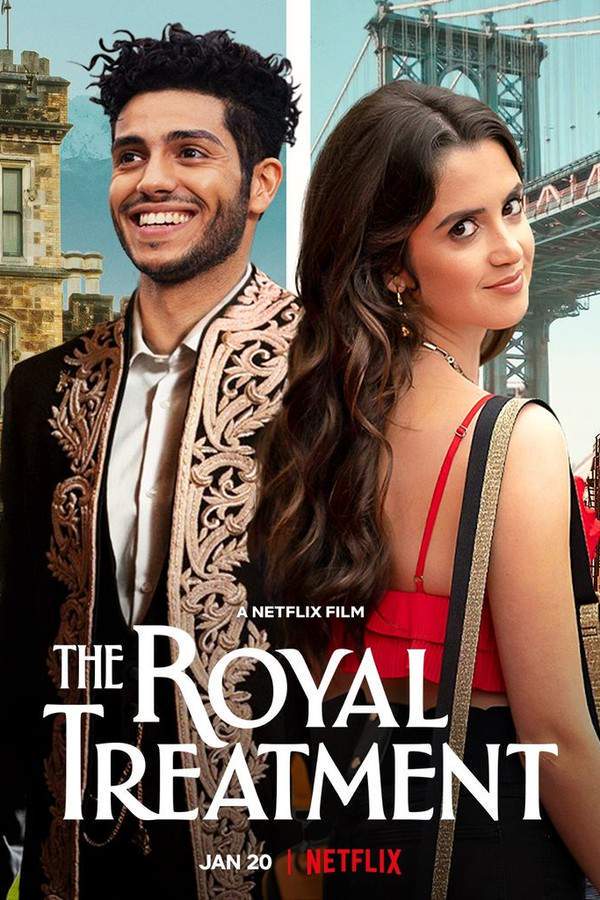
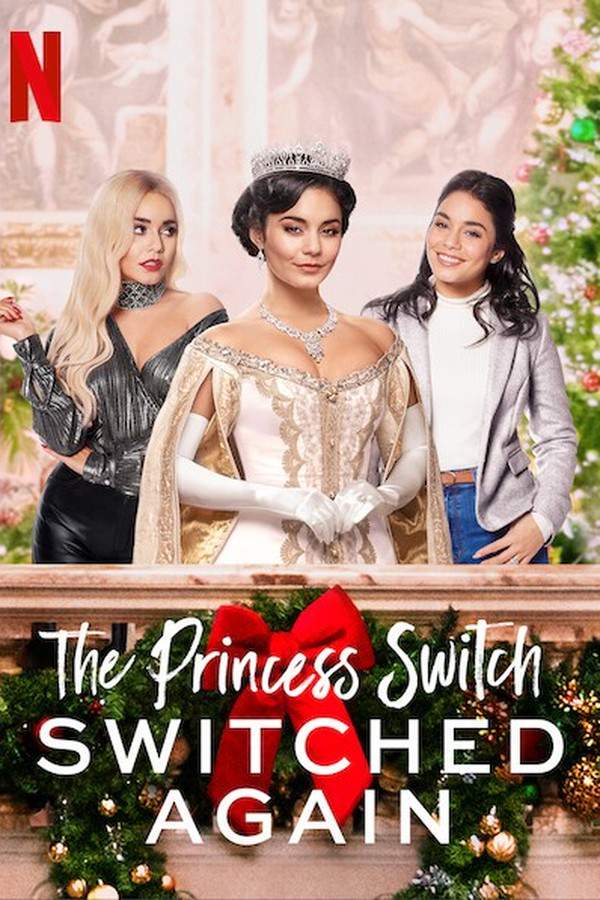
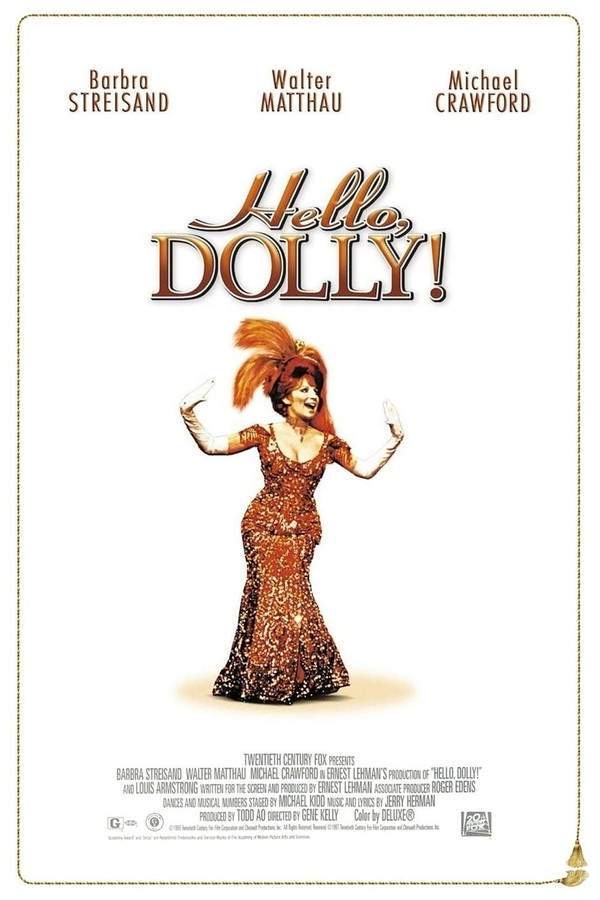
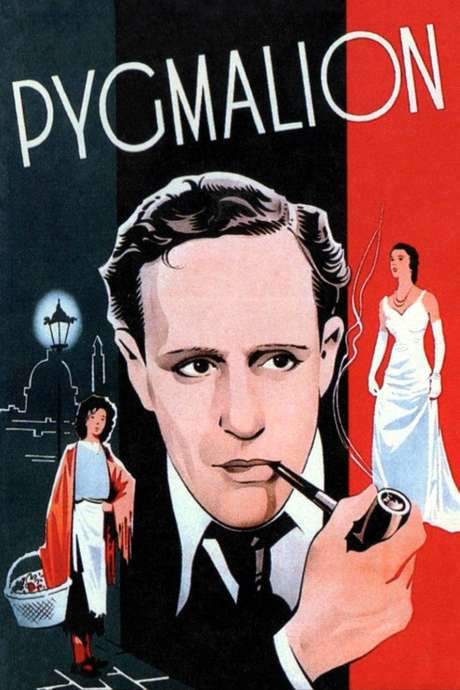
  6. 6 Movies like My Fair Lady
  7. 7 Every angle
Loading streaming availability…

14 events in order · contains spoilers

My Fair Lady Timeline: Events in Chronological Order

Every key event of My Fair Lady (1964) in order, scene by scene, with when and where it takes place. Use it to untangle flashbacks, time jumps and parallel storylines, to refresh your memory before the sequel or to find the exact scene you are thinking of.

  1. Higgins' Boast

    Phonetics professor Henry Higgins brags to Colonel Pickering about his ability to transform any woman into a refined speaker. His confidence sets the stage for a challenge that will change the lives of those involved.

  2. Eliza's Ambition

    Eliza Doolittle, a flower girl with a strong Cockney accent, arrives at Higgins' residence seeking speech lessons. Driven by her desire to improve her social standing, she offers to pay Higgins for the lessons, setting her transformation in motion.

    Where
    Higgins' residence
  3. The Bet

    Colonel Pickering challenges Higgins, wagering that he cannot transform Eliza into a refined lady without charge. This wager plants the seeds of rivalry and ambition, pushing Higgins into action.

  4. Doolittle's Visit

    Three days later, Eliza's father, Alfred P. Doolittle, visits Higgins, pretending to be concerned for his daughter. His comically honest demeanor reveals his true intentions of seeking money from Higgins instead.

    Where
    Higgins' residence
  5. Rigorous Training Begins

    Eliza begins her speech training with Higgins, facing a challenging regime filled with quirky exercises meant to refine her accent. Despite her struggles, she remains determined to succeed.

    Where
    Higgins' residence
  6. Ignition of Determination

    After an initial period of despair, Eliza finds inspiration when Higgins passionately speaks about the beauty of the English language. This moment reignites her determination to master her speech.

  7. Ascot Racecourse Debut

    Higgins takes Eliza to the Ascot Racecourse for her first public appearance. Although she impresses with her manners, a slip into her Cockney accent shocks the audience, generating both humor and concern.

    Where
    Ascot Racecourse
  8. Ball at the Embassy

    At a ball hosted at the embassy, Eliza successfully passes herself off as a woman of noble lineage, impressing guests despite scrutiny from a Hungarian phonetics expert. This validates Higgins’ training.

    Where
    Embassy
  9. Higgins' Callousness

    After Eliza's success, Higgins betrays a shocking emotional detachment, disregarding her feelings and future. This harsh reality hits Eliza hard, leading her to feel unappreciated and hurt.

  10. Eliza's Departure

    Feeling undervalued, Eliza decides to leave Higgins. This moment marks a significant turn in their relationship, leaving Higgins bewildered and reflective about his treatment of her.

  11. Higgins' Reflection

    With a sense of loss, Higgins realizes he has grown accustomed to Eliza's presence. This sudden awareness illustrates the emotional depth of their relationship that he had previously overlooked.

  12. Higgins' Attempt to Reconcile

    The next day, Higgins attempts to reach out to Eliza, engaging in a strained conversation that only results in further rejection. His determination to win her back reflects a shift in his perspective.

  13. Playing Old Recordings

    As Higgins grapples with the possibility of losing Eliza, he immerses himself in old recordings of her lessons, exposing a vulnerability that contrasts sharply with his previous arrogance. This reveals his growing attachment.

  14. Eliza's Surprising Return

    In a twist of fate, Eliza reappears unexpectedly, filling Higgins with exhilaration. This return highlights the complexity of their relationship and sets the stage for a potential reconciliation.

Last updated: November 02, 2024 at 11:40

Was this helpful?

Timeline questions answered

My Fair Lady Timeline Explained: Your Questions Answered

When does it happen, and why in that order? The questions people ask about the chronology of My Fair Lady (1964): time jumps, flashbacks, cause and effect between scenes and the correct order of events, each answered with spoilers.

Q1

Why does Henry Higgins agree to train Eliza Doolittle?

Henry Higgins agrees to train Eliza because of a wager with Colonel Pickering. Pickering challenges Higgins's claim that he can transform any woman into a refined speaker by betting that he cannot do so without charging for lessons. Intrigued by the challenge and confident in his phonetics expertise, Higgins takes on the task without payment, seeing it as proof of his abilities.

  • henry higgins
  • colonel pickering
  • wager
  • bet
  • transformation
Q2

Why does Eliza Doolittle want to learn proper speech?

Eliza wants to learn proper speech to improve her social standing and secure better employment. As a flower girl, she dreams of working in a flower shop, which requires a more refined manner of speaking. Her ambition to rise above her station drives her to seek out Higgins and offer to pay for lessons despite her limited finances.

  • eliza doolittle
  • ambition
  • social class
  • flower shop
  • speech lessons
Q3

What inspires Eliza to finally master her accent?

Eliza's breakthrough comes after she despairing over her lack of progress. Higgins delivers a passionate lecture about the beauty and history of the English language, describing it as the greatest asset of the British empire. This sincere appreciation of language itself ignites Eliza's determination, and she finally commits to mastering the upper-class accent with genuine enthusiasm.

  • eliza doolittle
  • breakthrough
  • training
  • determination
  • english language
Q4

Why does Eliza slip into Cockney at the Ascot Racecourse?

Eliza slips into Cockney at Ascot because the pressure of her first public appearance becomes overwhelming. Despite impressing everyone with her genteel manners, she momentarily forgets herself and blurts out "C'mon Dover, move your bloomin' arse!" This slip reveals that her transformation, while impressive, is not yet fully natural under stress.

Foreshadowing: The earlier training scenes show Eliza struggling with marbles in her mouth and constantly reverting to her natural accent.

  • ascot racecourse
  • cockney accent
  • slip
  • public appearance
  • manners
Q5

Why does Higgins disregard Eliza after her success at the embassy ball?

After Eliza successfully passes as a duchess at the embassy ball, Higgins shows shocking emotional detachment toward her future. He treats her achievement as merely a proof of his phonetics method working, without acknowledging her feelings or what comes next for her. His callousness stems from his arrogant belief that the transformation was purely an intellectual exercise, not an emotional journey for Eliza.

  • higgins
  • eliza
  • embassy ball
  • success
  • disregard
  • emotional detachment
Q6

Why does Eliza decide to leave Henry Higgins?

Eliza leaves Higgins because she feels unappreciated and hurt by his callousness after her successful transformation. Despite proving his method works, Higgins shows no concern for her future or appreciation for her efforts. She realizes that while her speech has changed, Higgins sees her only as an experiment, not as a person deserving of respect or consideration.

  • eliza
  • higgins
  • departure
  • hurt feelings
  • ingratitude
Q7

What does Higgins mean by being "grown accustomed to her face"?

When Higgins says he has "grown accustomed to her face," he means he has come to rely on Eliza's presence in his daily life. The phrase reveals his unexpected emotional attachment to her, which he had previously masked behind his arrogance. He realizes he misses her not as a successful experiment, but as a person whose company has become familiar and meaningful to him.

  • higgins
  • eliza
  • emotional attachment
  • phrase
  • meaning
Q8

Why does Eliza return to Higgins at the end of the film?

Eliza returns to Higgins, bringing him exhilaration despite his previous arrogance. This return signifies mutual growth and suggests a potential romantic reconciliation. The ending implies that both characters have evolved through their relationship, with Eliza gaining confidence and self-worth, while Higgins learns to appreciate her as more than just a pupil.

  • eliza
  • higgins
  • return
  • reconciliation
  • ending
  • romantic resolution
Q9

Why does Alfred P. Doolittle visit Henry Higgins?

Alfred P. Doolittle visits Higgins three days after Eliza begins her lessons, pretending to be concerned about his daughter's virtue. In reality, he seeks monetary gain from Higgins. His comically honest demeanor and unapologetic morality fascinate Higgins, who is amused by Doolittle's raw honesty despite his scheming intentions.

  • alfred p doolittle
  • higgins
  • visit
  • money
  • father
Q10

Why does Higgins smirk when Eliza slips into Cockney at Ascot?

Higgins smirks at Eliza's Ascot slip because, despite publicly claiming to uphold elite standards, he secretly harbors disdain for pretentious elitism. Her rebellious Cockney outburst, though socially inappropriate, actually pleases him as it momentarily punctures the pomposity of the upper-class setting. This reaction hints at Higgins's deeper complexity and growing affection for Eliza's spirited nature.

  • higgins
  • ascot
  • smirk
  • cockney
  • elitism
  • reaction

Movie threads

More Movies Like My Fair Lady, by Mood & Story

Curated lists built around what makes My Fair Lady tick: the same mood, the same kind of story or the same emotional payoff. Each list explains why these movies belong together.

Witty Transformational Romances like My Fair Lady

Charming stories where personal growth sparks a prickly, sophisticated romance. If you enjoyed the charming dynamic of Henry Higgins and Eliza Doolittle, you'll love these movies about personal reinvention and romance. Discover other films where sharp dialogue, elegant settings, and a journey of self-improvement lead to love and a happy ending.

  • witty
  • charming
  • sophisticated
  • uplifting
  • elegant
  • playful
  • Tone: light, witty, charming
  • Pacing: steady, character-driven
Why these movies?

The story pattern: These narratives follow a central character's significant personal transformation, often guided by a mentor figure, which challenges social norms and leads to a complex, will-they-won't-they romance. The journey from rough beginnings to polished sophistication creates the core dramatic and romantic tension.

Why they belong together: Movies are grouped here for their shared focus on a transformative character arc intertwined with a sophisticated, dialogue-driven romance. They consistently feature a light-to-medium tone, steady pacing, and an ultimately uplifting, happy resolution.

Uplifting Musical Dramas like My Fair Lady

Elegant and playful musicals that blend romance with sophisticated storytelling. For fans of the elegant charm and witty songs of My Fair Lady, this list features similar musicals with a light emotional touch. Find movies that blend romance, sophisticated settings, and a steady, uplifting narrative without heavy violence or dark themes.

  • uplifting
  • charming
  • elegant
  • playful
  • witty
  • romantic
  • Tone: light, uplifting, playful
  • Pacing: steady
Why these movies?

The story pattern: The plot follows a straightforward emotional arc, using music to enhance character development and romantic tension rather than pure spectacle. Conflicts are resolved through personal growth and dialogue, leading to a satisfying and happy conclusion for the characters.

Why they belong together: These musicals share a specific vibe: they are charming, witty, and uplifting with a light emotional weight. They avoid intense darkness, instead focusing on elegant production, playful humor, and a steady, enjoyable pacing that makes for a comforting watch.

If you liked this

Movies Like My Fair Lady

Similar movies to My Fair Lady: the same genre, themes or kind of story. Each one comes with its own plot summary, timeline and ending explained.

Browse all movie summaries

Every angle

My Fair Lady (1964) Explained: Plot, Timeline & Characters

Everything about My Fair Lady in one place: what happens in the plot summary, the timeline in chronological order, the characters and meaning and a spoiler-free summary. What's After the Movie adds the cast, box office and post-credit scenes.

Coming soon on iOS and Android

The Plot Explained Movie Summary App

Plot summaries, endings explained and timelines on your phone. Catch up on any movie in minutes, save your favorites and never miss a twist again.

Be the first to know when we launch. Your email stays private, always.

Learn more about the app