Plot Explained Spoilers guaranteed!
Plot Explained

Browse by genre

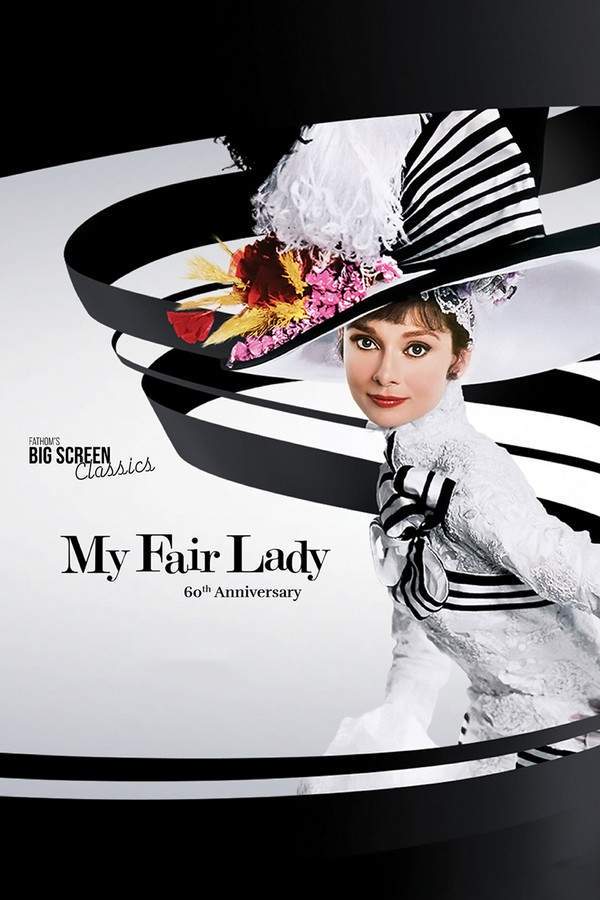
My Fair Lady (1964) movie poster

Characters & Themes

My Fair Lady (1964) Characters, Setting & Themes Explained

Release, runtime and language
1964 · 170 min · English
Loading streaming availability…
Directed by
George Cukor
Starring
Theodore Bikel, Stanley Holloway, Gladys Cooper, Wilfrid Hyde-White, Audrey Hepburn, Rex Harrison
Budget
$17M

A captivating musical follows a brilliant phonetics professor who makes a bet that he can transform a Cockney flower girl into a refined young woman. Henry Higgins takes on Eliza Doolittle as a pupil, embarking on a challenging journey involving elocution lessons and social graces. As Eliza's speech and manners improve, she blossoms into a confident individual, leading to unexpected romantic developments and a reevaluation of class distinctions.

On this page (9)
  1. 1 Where to watch
  2. 2 Characters explained (3)
  3. 3 Where & when it takes place
  4. 4 Themes & meaning (3)
  5. 5 Character & meaning questions
  6. 6 The book behind the movie
  7. 7 Movie threads
  8. 8 Movies like My Fair Lady
  9. 9 Every angle
Loading streaming availability…

3 main characters · contains spoilers

My Fair Lady Characters Explained: Who Is Who

The main characters of My Fair Lady (1964), heroes and villains: what drives them, how they change over the course of the story and what each of them reveals about the film's bigger ideas.

  • Henry Higgins (Rex Harrison)

    Henry Higgins is a conceited phonetics professor with a brash demeanor and a sharp intellect. Initially focused on his own professional success, his interaction with Eliza reveals deeper insecurities and a struggle with emotional expression.

    • 👨‍🏫 Professor
    • 🤔 Conceited
    • 📚 Intellectual
  • Eliza Doolittle (Audrey Hepburn)

    Eliza Doolittle is a determined flower girl aspiring to improve her social standing through education. Her character demonstrates remarkable resilience and growth, transforming from a self-conscious young woman into a confident individual.

    • 🌸 Flower Girl
    • 🎉 Ambitious
    • 💪 Resilient
  • Alfred P. Doolittle (Stanley Holloway)

    Alfred P. Doolittle is Eliza's father, characterized by his raw honesty and humorous outlook on life. His unapologetic embrace of his moral flexibility adds a comedic aspect to the narrative while providing commentary on class and societal expectations.

    • 🎩 Father
    • 😂 Comedic
    • 🤨 Unconventional

Last updated: October 22, 2024 at 20:24

Was this helpful?

Setting

Where and When Does My Fair Lady Take Place?

The setting of My Fair Lady (1964): the year and time period, the places and locations, and how they shape the characters, the mood and the tension of the story.

Time period

Early 20th Century

The story takes place in the early 20th century, a time marked by significant social changes, especially regarding class distinctions and gender roles. This period saw the rise of women's movements and evolving attitudes towards education and social mobility.

Location

London

The movie is set in London, a vibrant city known for its rich history, cultural diversity, and social stratification. The contrasts between the upper class and the working class are vividly portrayed, highlighting the city's varied social landscape.

  • 🏙️ City
  • 🇬🇧 England

Last updated: October 22, 2024 at 20:24

Was this helpful?

3 major themes

My Fair Lady Meaning: Themes & Message Explained

What is My Fair Lady (1964) really about? The emotional, social and philosophical themes the film keeps returning to, its symbolism and the message beneath the surface.

  • Transformation

    Transformation is at the heart of the narrative, encapsulating Eliza's journey from a flower girl to a refined lady. This theme illustrates personal growth, the pursuit of self-improvement, and the impact of mentorship, as demonstrated by Eliza's rigorous training with Higgins.

  • Class and Identity

    The film examines class differences and issues of identity, particularly through Eliza’s struggle to fit into the upper class. It challenges societal norms and questions the superficial values associated with social status.

  • Love and Loneliness

    The tension between love and loneliness is explored through Higgins and Eliza's relationship. Their complex dynamic raises questions about appreciation, recognition, and emotional connection, ultimately leading to a poignant reflection on what it means to truly value someone.

Last updated: October 22, 2024 at 20:24

Was this helpful?

Character & theme questions

My Fair Lady Characters & Meaning: Your Questions Answered

The questions people ask about My Fair Lady (1964): who the characters really are, their relationships, what the symbols mean, where it takes place and what the movie is really about. Each answer contains spoilers.

Q1

Where is My Fair Lady set?

My Fair Lady is set in London, England. The film vividly portrays the city's social stratification, contrasting the upper-class neighborhoods where Henry Higgins resides with the working-class areas where Eliza Doolittle sells flowers. This setting emphasizes the class differences that drive much of the story's conflict and character development.

Foreshadowing: London's geographic and social landscape is established in the opening scenes at the Covent Garden flower market.

  • london setting
  • england
  • setting
  • location
  • class differences london
Q2

What time period does My Fair Lady take place in?

The film is set in the early 20th century, during a period marked by significant social changes in England. This era saw the rise of women's movements and evolving attitudes toward education and social mobility, which directly inform the story's themes of personal transformation and class boundaries.

Foreshadowing: The historical context is reflected in the social customs and expectations seen throughout the film.

  • early 20th century
  • time period
  • edwardian era
  • historical context
  • 1900s
Q3

What are the main themes of My Fair Lady?

My Fair Lady explores three major themes: transformation, class and identity, and love and loneliness. The transformation theme follows Eliza's journey from flower girl to refined lady. The class and identity theme examines societal prejudice and superficial values. The love and loneliness theme explores the complex emotional dynamic between Higgins and Eliza, questioning what it means to truly value another person.

Foreshadowing: The themes are introduced through the contrast between Eliza's street speech and Higgins' linguistic standards.

  • themes
  • transformation
  • class identity
  • love loneliness
  • meaning
  • messages
Q4

Who is Henry Higgins in My Fair Lady?

Henry Higgins is a conceited phonetics professor who makes a bet that he can transform a Cockney flower girl into a refined lady through speech training. Despite his brash demeanor and sharp intellect, Higgins reveals deeper insecurities and struggles with emotional expression as the story progresses. His character arc involves learning to appreciate Eliza as a person rather than merely a linguistic experiment.

Foreshadowing: Higgins' obsession with phonetics is established in his very first scene.

  • henry higgins
  • professor
  • phonetics
  • character
  • rex harrison
Q5

Who is Eliza Doolittle in My Fair Lady?

Eliza Doolittle is a determined flower girl who aspires to improve her social standing through education. Taking on the challenge posed by Higgins, she undergoes rigorous elocution lessons and social training. Her character demonstrates remarkable resilience and growth, transforming from a self-conscious young woman into a confident individual who demands recognition for her achievements.

Foreshadowing: Eliza's ambition is established in the opening scene when she declares she will become a lady in a flower shop.

  • eliza doolittle
  • flower girl
  • character
  • audrey hepburn
  • transformation
Q6

What does My Fair Lady say about class and social status?

The film examines class differences by showing how Eliza's transformation is largely superficial, her speech changes but her fundamental identity remains. It challenges the superficial values associated with social status, suggesting that true worth lies in character rather than accent or manners. The story questions whether the upper class truly deserves its privileged position or merely inherited it.

Foreshadowing: The contrast between Eliza's Cockney speech and proper English is established immediately in the opening sequence.

  • class
  • social status
  • society
  • class prejudice
  • upper class
  • working class
Q7

What does the transformation theme mean in My Fair Lady?

The transformation theme illustrates personal growth, the pursuit of self-improvement, and the impact of mentorship. However, the film also raises questions about what true transformation means, whether it is merely changing one's appearance and speech, or whether it requires genuine personal development and emotional growth.

Foreshadowing: Eliza's desire to work in a flower shop rather than sell on the streets hints at her aspirations beyond mere speech training.

  • transformation
  • growth
  • personal change
  • mentorship
  • self improvement
Q8

Is My Fair Lady based on a true story?

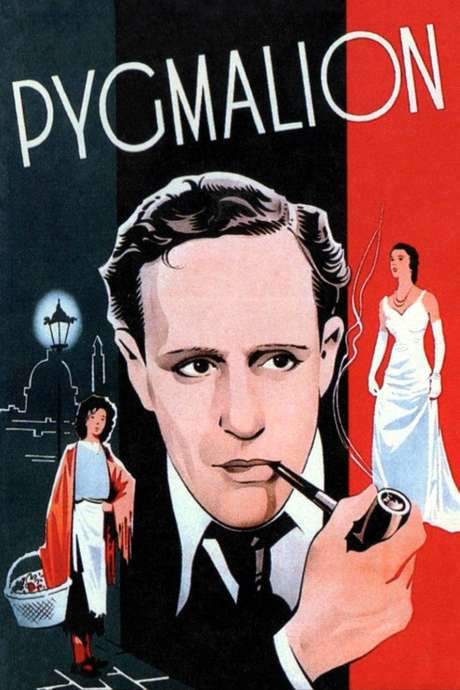
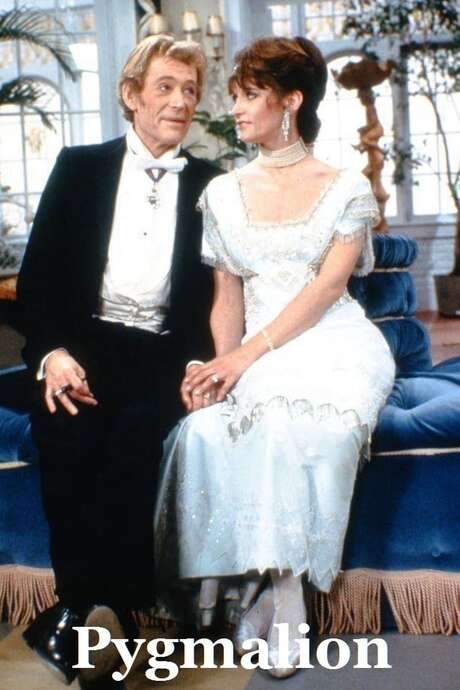
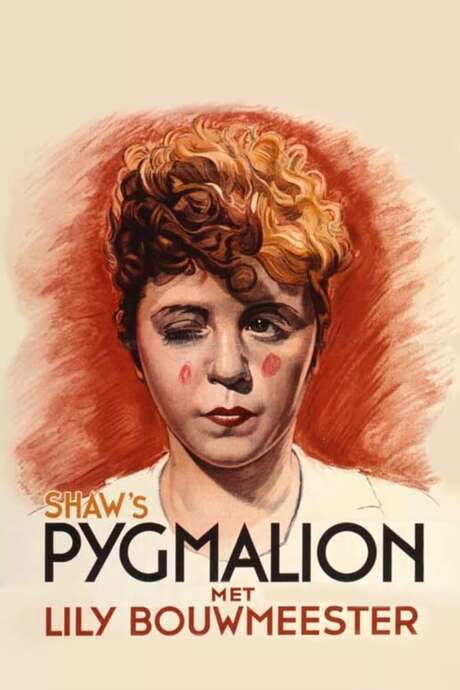
My Fair Lady is not based on a true story. It is an adaptation of George Bernard Shaw's 1913 play "Pygmalion," which was itself inspired by the Greek myth of Pygmalion, a sculptor who fell in love with his creation. The film retains Shaw's social commentary while adding musical elements and romantic plotlines.

Foreshadowing: The film's literary origins are reflected in its sophisticated dialogue and thematic depth.

  • based on true story
  • pygmalion
  • george bernard shaw
  • play
  • adaptation
Q9

What is the relationship between Henry Higgins and Eliza Doolittle?

Henry Higgins and Eliza Doolittle have a complex, contentious relationship that evolves throughout the film. Initially, Higgins treats Eliza as a linguistic experiment, while Eliza views him as her ticket to a better life. Their dynamic involves constant bickering, but also mutual growth. The relationship explores themes of appreciation, recognition, and emotional connection, ultimately leading to a romantic development that neither character initially anticipates.

Foreshadowing: The tension between them is established from their first meeting, setting the stage for their evolving dynamic.

  • higgins eliza relationship
  • romance
  • dynamic
  • connection
  • professor student
Q10

Who is Alfred P. Doolittle in My Fair Lady?

Alfred P. Doolittle is Eliza's father, characterized by his raw honesty and humorous outlook on life. He represents the working-class perspective and provides comedic relief throughout the film. His unapologetic embrace of his moral flexibility serves as commentary on class and societal expectations, while his unexpected windfall later in the film offers another perspective on social mobility.

Foreshadowing: Alfred's philosophical conversation with Higgins in the first act establishes his distinctive character.

  • alfred doolittle
  • father
  • character
  • stanley holloway
  • comic relief
Q11

What does My Fair Lady say about love and loneliness?

The film explores the tension between love and loneliness through the relationship between Higgins and Eliza. Both characters experience profound loneliness, Higgins through his emotional isolation despite his success, and Eliza through her uncertainty about her place in the world. Their contentious dynamic masks a deeper emotional need for connection, ultimately leading them to recognize and value each other beyond their superficial roles.

Foreshadowing: Higgins' admission that he has never had a woman care for him foreshadows the emotional vulnerability he later reveals.

  • love
  • loneliness
  • emotional connection
  • romance
  • relationship
  • isolation
Q12

What is the overall message or meaning of My Fair Lady?

My Fair Lady's overall message explores whether external refinement truly changes a person's worth, and questions the superficial nature of class distinctions. The film suggests that while speech and manners can be taught, genuine personal growth requires self-respect and recognition from others. It ultimately delivers a hopeful message about transformation and the possibility of finding genuine connection across social boundaries.

Foreshadowing: The resolution, where Eliza returns to Higgins, reinforces the message that authentic relationships transcend social pretenses.

  • message
  • meaning
  • moral
  • overall message
  • takeaways
  • lessons

Movie threads

More Movies Like My Fair Lady, by Mood & Story

Curated lists built around what makes My Fair Lady tick: the same mood, the same kind of story or the same emotional payoff. Each list explains why these movies belong together.

Witty Transformational Romances like My Fair Lady

Charming stories where personal growth sparks a prickly, sophisticated romance. If you enjoyed the charming dynamic of Henry Higgins and Eliza Doolittle, you'll love these movies about personal reinvention and romance. Discover other films where sharp dialogue, elegant settings, and a journey of self-improvement lead to love and a happy ending.

  • witty
  • charming
  • sophisticated
  • uplifting
  • elegant
  • playful
  • Tone: light, witty, charming
  • Pacing: steady, character-driven
Why these movies?

The story pattern: These narratives follow a central character's significant personal transformation, often guided by a mentor figure, which challenges social norms and leads to a complex, will-they-won't-they romance. The journey from rough beginnings to polished sophistication creates the core dramatic and romantic tension.

Why they belong together: Movies are grouped here for their shared focus on a transformative character arc intertwined with a sophisticated, dialogue-driven romance. They consistently feature a light-to-medium tone, steady pacing, and an ultimately uplifting, happy resolution.

Uplifting Musical Dramas like My Fair Lady

Elegant and playful musicals that blend romance with sophisticated storytelling. For fans of the elegant charm and witty songs of My Fair Lady, this list features similar musicals with a light emotional touch. Find movies that blend romance, sophisticated settings, and a steady, uplifting narrative without heavy violence or dark themes.

  • uplifting
  • charming
  • elegant
  • playful
  • witty
  • romantic
  • Tone: light, uplifting, playful
  • Pacing: steady
Why these movies?

The story pattern: The plot follows a straightforward emotional arc, using music to enhance character development and romantic tension rather than pure spectacle. Conflicts are resolved through personal growth and dialogue, leading to a satisfying and happy conclusion for the characters.

Why they belong together: These musicals share a specific vibe: they are charming, witty, and uplifting with a light emotional weight. They avoid intense darkness, instead focusing on elegant production, playful humor, and a steady, enjoyable pacing that makes for a comforting watch.

If you liked this

Movies Like My Fair Lady

Similar movies to My Fair Lady: the same genre, themes or kind of story. Each one comes with its own plot summary, timeline and ending explained.

Browse all movie summaries

Every angle

My Fair Lady (1964) Explained: Plot, Timeline & Characters

Everything about My Fair Lady in one place: what happens in the plot summary, the timeline in chronological order, the characters and meaning and a spoiler-free summary. What's After the Movie adds the cast, box office and post-credit scenes.

Coming soon on iOS and Android

The Plot Explained Movie Summary App

Plot summaries, endings explained and timelines on your phone. Catch up on any movie in minutes, save your favorites and never miss a twist again.

Be the first to know when we launch. Your email stays private, always.

Learn more about the app