Pygmalion

Pygmalion

Year: 1937

Runtime: 95 mins

Language: Dutch

Director: Ludwig Berger

Comedy

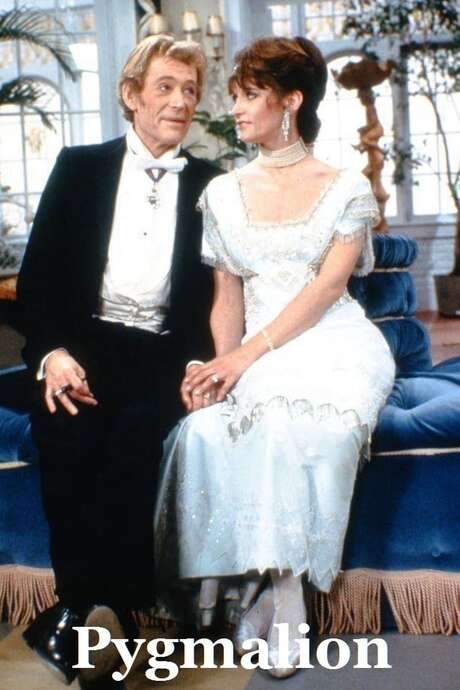
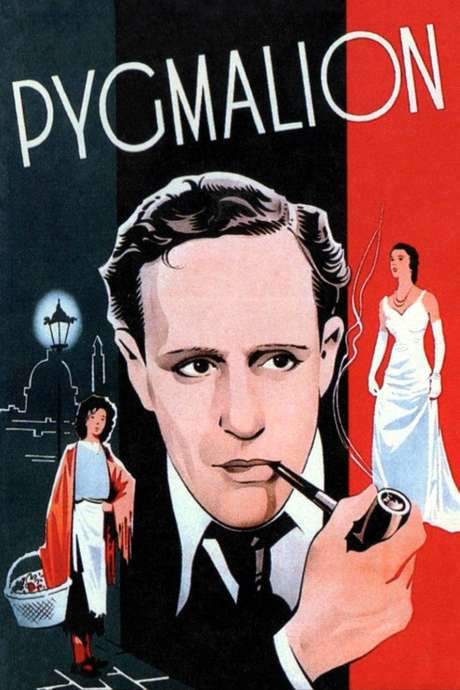
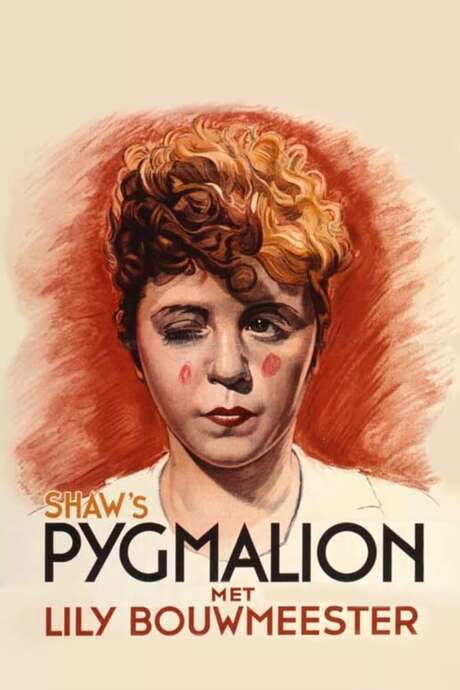
When linguistics professor Henry Higgins claims he can turn Cockney flower girl Eliza Doolittle into a refined lady in six months, Colonel Pickering wagers to test him. Higgins secures a financial agreement with Eliza’s dust‑man father, Alfred, and she moves into his home for rigorous speech and manners training. As Eliza’s metamorphosis progresses, Higgins himself is forced to confront his own attitudes.

Warning: spoilers below!

Haven’t seen Pygmalion yet? This summary contains major spoilers. Bookmark the page, watch the movie, and come back for the full breakdown. If you're ready, scroll on and relive the story!

Pygmalion (1937) – Full Plot Summary & Ending Explained

Read the complete plot breakdown of Pygmalion (1937), including all key story events, major twists, and the ending explained in detail. Discover what really happened—and what it all means.

Eliza Doolittle, Lily Bouwmeester, is at the heart of a lively incident in Covent Garden when linguist Professor Higgins, Johan De Meester, is mistaken for a policeman by passers-by and bystanders, while the flower seller protests the disruption. In the aftermath, Higgins chats with Colonel Pickering, Eduard Verkade, a fellow scholar who has just arrived from India to meet him. Higgins argues that if Eliza could be taught to speak with precision and confidence, she could sculpt a brighter future for herself and even pass as a duchess.

The next morning, Eliza arrives at Higgins’ house to request elocution lessons. Colonel Pickering makes a friendly bet, offering to cover all expenses if Higgins can back up his boast. Eliza is escorted upstairs for a bath by Mrs Pearce, the housekeeper, just as Alfred Doolittle—the dustman and Eliza’s father—stumbles in to demand compensation for losing his daughter. Amused by Doolittle’s roguish charm, Higgins offers him £10, but Doolittle insists on £5, explaining that as one of the “undeserving poor” he only wants enough for a drunken weekend.

After a rigorous training period, Eliza is sent to an at-home gathering hosted by Mrs Higgins, the professor’s mother. There, even though she speaks with a refined accent, her slang-filled chatter and profanity scandalize the guests. Yet one guest, Freddy Eynsford-Hill, is captivated by her presence. After the guests depart, Mrs Higgins voices her disapproval that Eliza’s two protectors treat her more like a plaything than a person deserving respect.

Weeks of coaching lead to a public test at an embassy reception. Higgins and Pickering bring Eliza along, and Higgins encounters a former pupil, Count Aristid Karpathy, a Hungarian who has become famous for teaching American heiresses how to master elocution and for spotting social origins from speech. Fearing exposure, Higgins and Pickering worry that Karpathy might expose Eliza, but she manages to deceive him so convincingly that he mistakes her for a Hungarian princess—the result is that her English sounds so impeccable that it seems inauthentically native.

On the return from the reception, Higgins and Pickering congratulate each other on their success, yet they overlook Eliza’s own contribution and, more importantly, her feelings. Wounded by their indifference, Eliza quarrels with Higgins, even throwing his slippers in his face when he asks for them, and laments that she may be unsuited to the life she dreamed of. She seeks refuge at Mrs Higgins’s home, seeking a little warmth and guidance.

The next morning, Higgins visits his mother and learns that Eliza is staying with her, but before they can meet, Mr Doolittle arrives to complain about the upheaval Higgins has caused in his life. Higgins had once joked to an American millionaire that Doolittle was England’s most original moralist, and that whim of a bequest has now placed Doolittle on a path to respectability—an obligation he cannot ignore. He prepares to attend a fashionable London church wedding to his unwed partner, and he asks for Eliza, Pickering, and Mrs Higgins to support him through the ordeal.

Higgins and Eliza are left alone for a moment, and he tries to coax her back into his life, but she resists, insisting that she would rather marry Freddy, who is charming though financially precarious. When Higgins scoffs at that idea, Eliza reveals her resolve: she could use her newly acquired talents to offer elocution lessons herself and gain financial independence.

As the wedding party departs, Higgins wanders home in a contemplative mood and discovers a recording of Eliza’s first visit playing in his study. He then hears a knock at the door and, to his astonishment, Eliza returns, her voice now mocking her former self as she repeats, “I washed my face and hands before I come, I did.” He turns away, asking for his slippers, leaving their future together shrouded in ambiguity and possibility.

I washed my face and hands before I come, I did.
Last Updated: December 04, 2025 at 15:32

Mobile App Preview

Coming soon on iOS and Android

The Plot Explained Mobile App

From blockbusters to hidden gems — dive into movie stories anytime, anywhere. Save your favorites, discover plots faster, and never miss a twist again.

Sign up to be the first to know when we launch. Your email stays private — always.

Explore Movie Threads

Discover curated groups of movies connected by mood, themes, and story style. Browse collections built around emotion, atmosphere, and narrative focus to easily find films that match what you feel like watching right now.

Witty social satire movies like Pygmalion

Charming comedies that cleverly critique society while inspiring personal transformation.If you enjoyed the sharp wit and class commentary of Pygmalion, explore these comedies where clever dialogue and charming characters navigate and critique social conventions, exploring themes of identity and transformation.

wittysatiricalcharmingclass-consciousupliftingverbalthought-provoking

Narrative Summary

The narratives often revolve around a central bet, experiment, or social situation that brings characters from different worlds into collision. This clash provides the engine for both comedy and critique, as protagonists challenge the status quo and undergo significant personal growth. The journey is more about intellectual and social awakening than deep emotional trauma.

Why These Movies?

Movies are grouped here for their shared comedic tone, their focus on using wit to explore social themes, and their balance of entertainment with thoughtful commentary. They share a light emotional weight and a steady, dialogue-driven pace centered on character interaction.

Mentor-protege transformation stories like Pygmalion

Stories of unlikely mentorship where a pupil's growth challenges their teacher's worldview.Discover movies similar to Pygmalion that explore the complex, transformative relationship between a mentor and their student, where a bet or project leads to unexpected personal growth for both characters and an open-ended conclusion.

transformativecharmingupliftingcomplex relationshipsempoweringcharacter-driven

Narrative Summary

The plot typically begins with a challenge or wager that sets the transformation in motion. We follow the rigorous training process, the protege's eventual success in a public test, and the ensuing personal crisis where the power dynamic is upended. The ending is often less about a conventional happy resolution and more about the changed relationship and newfound independence of the student.

Why These Movies?

These films share a core narrative structure centered on a transformative relationship. They mix elements of comedy and drama, focusing on character arcs over plot twists, and often conclude with an emotionally resonant but ambiguous ending that prioritizes character growth over tidy resolutions.

Unlock the Full Story of Pygmalion

Don't stop at just watching — explore Pygmalion in full detail. From the complete plot summary and scene-by-scene timeline to character breakdowns, thematic analysis, and a deep dive into the ending — every page helps you truly understand what Pygmalion is all about. Plus, discover what's next after the movie.

Pygmalion Timeline

Track the full timeline of Pygmalion with every major event arranged chronologically. Perfect for decoding non-linear storytelling, flashbacks, or parallel narratives with a clear scene-by-scene breakdown.

Pygmalion Timeline

Characters, Settings & Themes in Pygmalion

Discover the characters, locations, and core themes that shape Pygmalion. Get insights into symbolic elements, setting significance, and deeper narrative meaning — ideal for thematic analysis and movie breakdowns.

Characters, Settings & Themes in Pygmalion

Pygmalion Spoiler-Free Summary

Get a quick, spoiler-free overview of Pygmalion that covers the main plot points and key details without revealing any major twists or spoilers. Perfect for those who want to know what to expect before diving in.

Pygmalion Spoiler-Free Summary

More About Pygmalion

Visit What's After the Movie to explore more about Pygmalion: box office results, cast and crew info, production details, post-credit scenes, and external links — all in one place for movie fans and researchers.

More About Pygmalion

Similar Movies to Pygmalion

Discover movies like Pygmalion that share similar genres, themes, and storytelling elements. Whether you’re drawn to the atmosphere, character arcs, or plot structure, these curated recommendations will help you explore more films you’ll love.