Plot Explained Spoilers guaranteed!
Plot Explained

Browse by genre

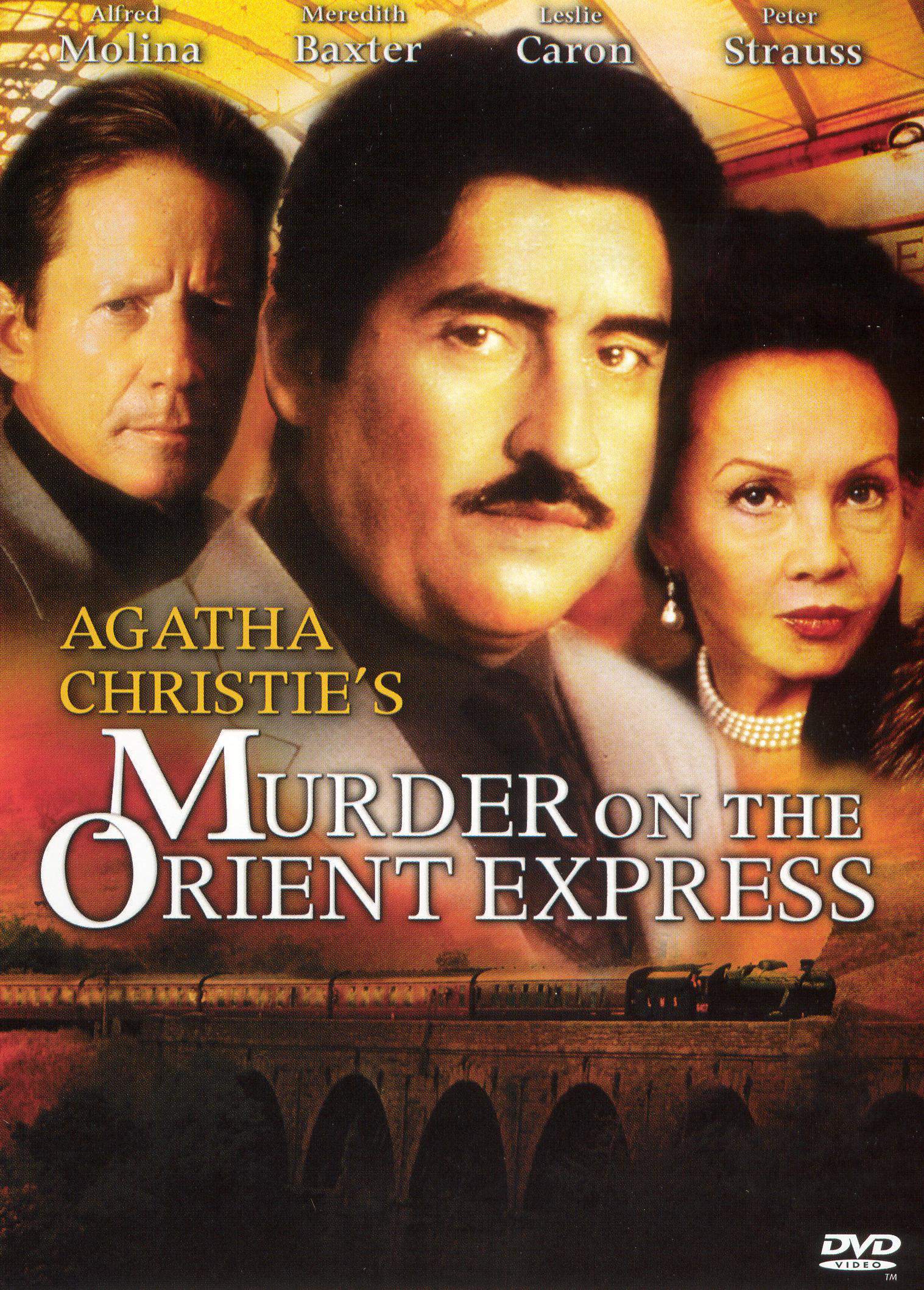
Murder on the Orient Express (2001) movie poster

Characters & Themes

Murder on the Orient Express (2001) Characters, Setting & Themes Explained

Release, runtime and language
2001 · 100 mins · English
Loading streaming availability…
Directed by
Carl Schenkel
Starring
Alfred Molina, Amira Casar, Meredith Baxter, Adam James, David Hunt, Dylan Smith

Agatha Christie’s classic whodunit is modernized. After solving a case in Istanbul, famed detective Hercule Poirot boards the luxurious Orient Express bound for London. A rock slide stops the train; a passenger is found stabbed nine times in his cabin. Stranded, Poirot must find the murderer among the trapped travelers.

On this page (9)
  1. 1 Where to watch
  2. 2 Characters explained (10)
  3. 3 Where & when it takes place
  4. 4 Themes & meaning (3)
  5. 5 Character & meaning questions
  6. 6 Movie threads
  7. 7 Movies like Murder on the Orient Express
  8. 8 Categories
  9. 9 Every angle
Loading streaming availability…

10 main characters · contains spoilers

Murder on the Orient Express Characters Explained: Who Is Who

The main characters of Murder on the Orient Express (2001), heroes and villains: what drives them, how they change over the course of the story and what each of them reveals about the film's bigger ideas.

  • Hercule Poirot (Alfred Molina)

    Famed Belgian detective Poirot is summoned to the scene of a murder aboard the Orient Express. He relies on razor-sharp logic and careful observation to disentangle a tangle of lies among the passengers. His moral compass is tested by the possibility of delivering justice outside legal channels.

    • 🧠 Detective
    • 🧩 Analytical
    • 🧭 European setting
  • Wolfgang Bouc (Fritz Wepper)

    Poirot’s ally who arranges the journey and coordinates with the train’s crew. He acts as a practical counterpart to Poirot’s theoretical deductions, helping to navigate the locked-room dynamics of the stranded carriages.

    • 🤝 Ally
    • 🧭 Travel
    • 🚂 Train
  • Caroline Hubbard (Meredith Baxter)

    A widow who is entangled in the murder plot and ultimately takes the blame for planning the act. Her actions and choices reveal the extent to which passengers manipulate narratives to protect themselves.

    • 🎭 Deception
    • 🏷️ Nobility
    • 🧵 Secrets
  • Edward Ratchett (Peter Strauss)

    A wealthy and suspicious passenger who hires Poirot before his murder. He is revealed to be John Cassetti, the killer of Daisy Armstrong, whose death triggers the intertwined motives of the other passengers.

    • 💰 Wealthy
    • 🗝️ Hidden
    • 🧭 European setting
  • Mary Debenham (Natasha Wightman)

    A governess with poise and a concealed connection to the Armstrong case. She emerges as a key figure whose interactions reveal deeper ties to the family tragedy.

    • 🧥 Fashion
    • 🧭 Secrets
    • 🚂 Train
  • Miss Alvarado (Leslie Caron)

    A passenger whose encounters with others hint at layered backstories and evolving relationships within the group.

    • 🎭 Socialite
    • 🔎 Intrigue
    • 🧳 Travel
  • William MacQueen (Adam James)

    Ratchett’s secretary involved in the web of the conspiracy. His role on the journey adds to the web of loyalties and hidden agendas aboard the train.

    • 🗂️ Secretary
    • 🧭 Intrigue
    • 🧩 Connections
  • Pierre Michel (Nicolas Chagrin)

    A passenger whose role is tied to the intricacies of the Armstrong case, contributing to the mosaic of motives aboard the train.

    • 🧭 Motive
    • 🧩 Connections
    • 🚂 Train
  • Philip von Strauss (Kai Wiesinger)

    A diplomatic passenger whose presence adds to the cross-cultural tension on the journey and to the constellation of connections among the Armstrong case.

    • 🕊️ Diplomacy
    • 🧭 International
    • 🚆 Travel
  • Bob Arbuthnot (David Hunt)

    A physician and former army sniper whose actions reveal the layered deceptions among the suspects; he shoots at Debenham but misses, orchestrating a misdirection in the case.

    • 🎖️ Sniper
    • 🩺 Doctor
    • 🧭 Strategic

Last updated: October 03, 2025 at 14:33

Was this helpful?

Setting

Where and When Does Murder on the Orient Express Take Place?

The setting of Murder on the Orient Express (2001): the year and time period, the places and locations, and how they shape the characters, the mood and the tension of the story.

Time period

1934

The story unfolds in 1934, a period between the World Wars known for elegant, era-specific fashion and rapid trans-European travel. The interwar atmosphere influences social norms, class dynamics, and the mood of the journey. An avalanche strands the crew and passengers, turning a routine trip into a contained investigation. The time frame anchors the moral and stylistic tone of the mystery.

Location

Jerusalem, Orient Express (onboard train)

The film opens in Jerusalem at the Church of the Holy Sepulchre, setting a prologue that frames Poirot's detective work. The main action moves to the luxurious Orient Express, where a cross-European journey becomes a claustrophobic stage for a murder. The train's confinement amplifies secrets among a cosmopolitan cast, while the derailment and stranded conditions heighten the tension. The overall setting blends sacred history, high society travel, and a perilous mystery traveling across Europe.

  • 🕌 Jerusalem
  • 🧭 European Route
  • 🚂 Train

Last updated: October 03, 2025 at 14:33

Was this helpful?

3 major themes

Murder on the Orient Express Meaning: Themes & Message Explained

What is Murder on the Orient Express (2001) really about? The emotional, social and philosophical themes the film keeps returning to, its symbolism and the message beneath the surface.

  • Investigation

    Poirot’s methodical deduction peels back each passenger’s facade as clues accumulate on the moving stage of the train. The narrative builds a web of connections to the Armstrong case, forcing the detective to distinguish truth from deception. The confined setting serves to heighten tension as motives, alibis, and identities are scrutinized. The theme centers on the nature of evidence, inference, and the limits of law.

  • Moral Ambiguity

    The passengers’ decision to enact collective revenge challenges conventional justice and legal ethics. Poirot must weigh telling the truth against preserving a controversial form of justice for the greater good. The film probes whether ends justify means and whether moral righteousness can exist outside formal courts. It emphasizes the uneasy balance between personal vengeance and societal order.

  • Deception

    Characters conceal true relationships and motives, weaving forged stories and disguises to hide connections to the Armstrong family. Hidden identities are gradually revealed, showing how social facades can mask dangerous truths. The theme highlights how appearance can mask guilt and how alliances form under pressure. Deception serves as both shield and weapon within a tight-knit, international group.

Last updated: October 03, 2025 at 14:33

Was this helpful?

Character & theme questions

Murder on the Orient Express Characters & Meaning: Your Questions Answered

The questions people ask about Murder on the Orient Express (2001): who the characters really are, their relationships, what the symbols mean, where it takes place and what the movie is really about. Each answer contains spoilers.

Q1

Where is Murder on the Orient Express set?

The film opens in Jerusalem at the Church of the Holy Sepulchre, then shifts to the luxurious Orient Express train traveling across Europe. The main action takes place aboard the train, where a rock slide derails the locomotive and strands the passengers in a claustrophobic setting that becomes the stage for the murder investigation.

  • jerusalem
  • orient express
  • setting
  • train
  • europe
Q2

What year is the movie set in?

The story takes place in 1934, during the interwar period between World War I and World War II. This era is known for elegant fashion, rapid trans-European travel, and distinct class dynamics that influence the social interactions aboard the train.

  • 1934
  • interwar period
  • 1930s
  • historical setting
  • era
Q3

What are the main themes in the film?

The film explores three central themes: Investigation, as Poirot methodically uncovers clues among the passengers; Moral Ambiguity, where the passengers take collective revenge outside the law; and Deception, with hidden identities and forged stories masking connections to the Armstrong case.

  • investigation
  • moral ambiguity
  • deception
  • themes
  • justice
Q4

Who is Hercule Poirot?

Hercule Poirot is a famed Belgian detective summoned to investigate the murder aboard the Orient Express. Known for his razor-sharp logic and careful observation, he must untangle a web of lies among the passengers. His moral compass is tested when he discovers the murder was an act of collective justice.

  • hercule poirot
  • detective
  • belgian
  • investigator
  • alfred molina
Q5

Why is the Orient Express setting important to the story?

The Orient Express serves as both a luxurious setting and a locked-room trap. The train's confined space amplifies secrets among the cosmopolitan passengers, while the avalanche that strands them creates a pressure cooker environment where motives, alibis, and hidden identities are scrutinized under close quarters.

  • orient express
  • confined setting
  • train
  • locked room
  • suspense
Q6

What is the moral dilemma in Murder on the Orient Express?

The passengers collectively murdered the victim as revenge for his role in the Armstrong family tragedy. Poirot faces a difficult choice: deliver the truth to authorities or protect a group of people who committed vigilante justice. The film explores whether ends can justify means outside formal legal channels.

  • moral dilemma
  • justice
  • revenge
  • vigilante
  • ethics
Q7

How does deception drive the plot?

Passengers conceal true relationships and motives, weaving forged stories and disguises to hide connections to the Armstrong family. Multiple characters harbor secret identities tied to the case, using social facades as shields. This web of lies forces Poirot to distinguish truth from elaborate fabrication.

  • deception
  • hidden identity
  • secrets
  • disguise
  • lies
Q8

Who are the key passengers aboard the train?

The passengers include Edward Ratchett, a wealthy passenger who hired Poirot; Caroline Hubbard, a widow entangled in the plot; Mary Debenham, a governess with concealed connections to the Armstrong case; and several others including Poirot's ally Wolfgang Bouc, Ratchett's secretary William MacQueen, and passengers with ties to the Armstrong family tragedy.

  • passengers
  • suspects
  • characters
  • edward ratchett
  • mary debenham
Q9

Why does the film open in Jerusalem?

The opening scene at the Church of the Holy Sepulchre establishes Poirot's detective work and sets a tone of sacred history before transitioning to the modern mystery aboard the Orient Express. This juxtaposition of ancient history and contemporary crime frames the film's exploration of justice and morality.

  • jerusalem
  • church of the holy sepulchre
  • prologue
  • opening scene
Q10

How does the 1930s setting influence the film?

The 1934 interwar setting shapes the film's social norms, class dynamics, and elegant aesthetic. The period's distinct class structure informs the passenger interactions, while the post-World War I context adds weight to questions about justice, law enforcement, and whether traditional institutions can deliver true justice.

  • 1930s
  • class dynamics
  • social norms
  • post-wwi
  • historical context

Movie threads

More Movies Like Murder on the Orient Express, by Mood & Story

Curated lists built around what makes Murder on the Orient Express tick: the same mood, the same kind of story or the same emotional payoff. Each list explains why these movies belong together.

Locked-room murder mysteries like Murder on the Orient Express

A brilliant investigator solves a murder in a confined space, interrogating a fixed set of suspects. If you liked the contained, cerebral investigation in Murder on the Orient Express, you'll enjoy these other movies. This list features whodunits where a detective solves a crime in a confined space like a train, mansion, or isolated island, creating a tense, claustrophobic atmosphere.

  • suspenseful
  • claustrophobic
  • methodical
  • mysterious
  • atmospheric
  • cerebral
  • Tone: tense, mysterious
  • Pacing: steady, deliberate
Why these movies?

The story pattern: The narrative follows a structured investigative process. A crime, usually murder, occurs in a location that isolates everyone present. A central detective figure methodically works through a fixed list of suspects, uncovering secrets and connections until the surprising truth is revealed.

Why they belong together: Movies in this thread share a core structure: a confined setting, a set list of suspects, and a methodical detective. They create a similar vibe of intellectual puzzle-solving mixed with the rising tension of being trapped with a killer.
Movies with morally complex resolutions like Murder on the Orient Express

Stories where a crime reveals a complex web of motives, challenging simple notions of guilt and innocence. If you were intrigued by the morally grey ending of Murder on the Orient Express, explore these films. They feature crime stories and thrillers where the investigation leads to a complex, ethically ambiguous conclusion that challenges simple ideas of justice.

  • morally ambiguous
  • thought-provoking
  • tense
  • complex
  • suspenseful
  • dark secrets
  • Tone: tense, thought-provoking
  • Pacing: steady
Why these movies?

The story pattern: The narrative journey involves investigating a crime that initially seems straightforward. As layers are peeled back, a more complicated truth emerges, often involving multiple participants or a motive that blurs the line between victim and perpetrator. The ending typically provides resolution but leaves a lingering sense of moral uncertainty.

Why they belong together: These movies are grouped together by their shared focus on moral complexity. They move beyond a simple 'good vs. evil' dynamic, instead presenting crimes and solutions that force characters and viewers to confront difficult ethical questions.

If you liked this

Movies Like Murder on the Orient Express

Similar movies to Murder on the Orient Express: the same genre, themes or kind of story. Each one comes with its own plot summary, timeline and ending explained.

Browse all movie summaries

Categories

Movie Lists Featuring Murder on the Orient Express

Murder on the Orient Express appears in these hand-built movie categories. Each one groups movies by a specific mood, theme or story type, with their plot summaries and endings explained.

View all movie categories

Every angle

Murder on the Orient Express (2001) Explained: Plot, Timeline & Characters

Everything about Murder on the Orient Express in one place: what happens in the plot summary, the timeline in chronological order, the characters and meaning. What's After the Movie adds the cast, box office and post-credit scenes.

Coming soon on iOS and Android

The Plot Explained Movie Summary App

Plot summaries, endings explained and timelines on your phone. Catch up on any movie in minutes, save your favorites and never miss a twist again.

Be the first to know when we launch. Your email stays private, always.

Learn more about the app