Plot Explained Spoilers guaranteed!
Plot Explained

Browse by genre

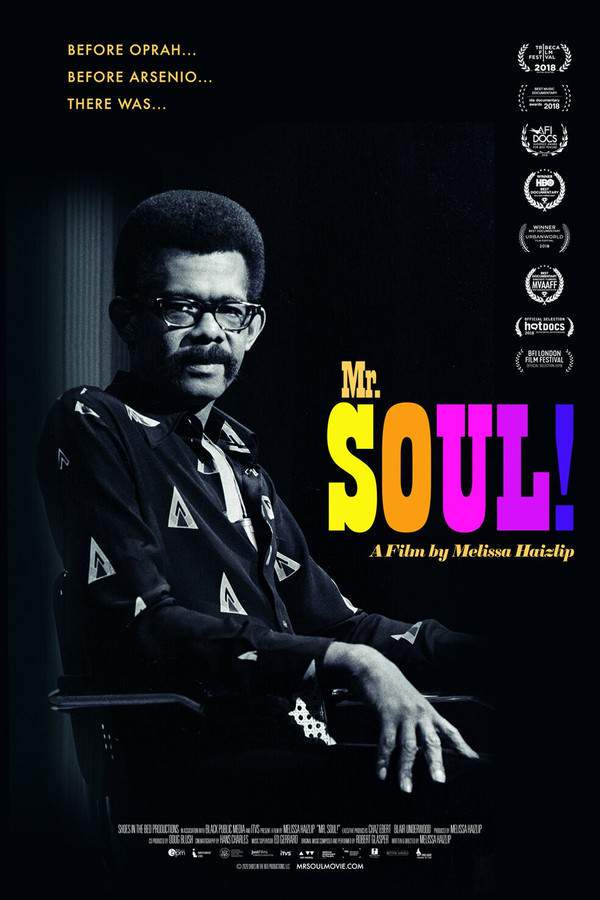
Mr. SOUL! (2020) movie poster

Timeline

Mr. SOUL! (2020) Timeline Explained – Every Event in Order

Release, runtime and language
2020 · 1 h 44 m · English
Echo score 77
Loading streaming availability…
Directed by
Melissa Haizlip, Sam Pollard
Starring
Sidney Poitier, Diahann Carroll, Muhammad Ali, B.B. King, Stevie Wonder, Malcolm X
Budget
$1M

During the late 1960s, SOUL! became a groundbreaking public television program, celebrating Black culture and challenging societal norms. Hosted by Ellis Haizlip, the series provided a vital platform for prominent Black artists, musicians, writers, and activists. Through interviews and performances, SOUL! explored themes of identity, politics, and creativity, offering a rare opportunity for national dialogue and showcasing the richness of Black artistic expression.

On this page (6)
  1. 1 Where to watch
  2. 2 Events in order (12)
  3. 3 Timeline questions answered
  4. 4 Movie threads
  5. 5 Movies like Mr. SOUL!
  6. 6 Every angle
Loading streaming availability…

12 events in order · contains spoilers

Mr. SOUL! Timeline: Events in Chronological Order

Every key event of Mr. SOUL! (2020) in order, scene by scene, with when and where it takes place. Use it to untangle flashbacks, time jumps and parallel storylines, to refresh your memory before the sequel or to find the exact scene you are thinking of.

  1. Premiere of SOUL!

    In 1968, *SOUL!* made its debut as the first nationally broadcast all-Black variety show on public television. This groundbreaking milestone marked a new era in celebrating Black culture and artistry on a global stage.

    When
    1968
  2. Visionary Leadership

    Ellis Haizlip, the producer and host of *SOUL!*, was known for his openly gay identity and his commitment to avant-garde artistry. His vision encompassed a blend of poetry and politics, creating a show that was deeply engaged with the cultural and social issues of the time.

  3. Introduction of Iconic Talents

    The show featured a variety of legendary artists including Patti LaBelle, Arsenio Hall, and Stevie Wonder. By showcasing such talents, *SOUL!* significantly influenced the cultural landscape and inspired future generations of African American artists.

  4. Political Impact

    The impact of *SOUL!* was so profound that it prompted political responses, including from President Nixon. The show not only entertained but also engaged audiences in pressing social conversations, underlining the power of art as a form of activism.

  5. Cultural Transition

    The documentary chronicles the journey of *SOUL!* from a local entity to a national phenomenon, marking a pivotal shift in the representation of Black culture. It reflects on how the show redefined the concept of being Black for a generation of viewers.

  6. Ellis Haizlip's Curatorial Vision

    Ellis Haizlip played a crucial role as a talent scout, introducing various iconic African American artists to broader audiences. He emphasized the importance of showcasing the complete spectrum of the African American experience through art and performance.

  7. Diverse Representation

    The program included gospel singers, poets, jazz artists, and even representatives from the Black Panthers. By ensuring these diverse voices were heard, *SOUL!* offered a nuanced view of the richness of Black culture.

  8. Reflection from Notable Figures

    The impact of *SOUL!* is echoed in the reflections of notable figures like Questlove and Harry Belafonte. They share insights and memories that highlight the show's significance in pop culture and its role in shaping perceptions of Black identity.

  9. Original Music Contribution

    The documentary features original music by Robert Glasper, underscoring the artistic contributions that accompanied *SOUL!*. This musical element adds depth and vitality to the exploration of the show's legacy.

  10. Tribute to Ellis Haizlip

    The film *Mr. SOUL!* stands as a tribute to Ellis Haizlip's dedication in championing Black culture. It reinforces the importance of capturing and sharing the African American experience in contemporary narratives.

  11. Critical Acclaim

    *Mr. Soul!* received the Peabody Award for Best Documentary in 2022, highlighting the film's critical acclaim. It also garnered a nomination for the News & Documentary Emmy Awards, solidifying its place in the documentary film landscape.

    When
    2022
  12. Availability for Streaming

    *Mr. Soul!* is now available for streaming on Max, allowing a wider audience access to this important cultural documentary. This ensures that the legacy of *SOUL!* and its impact on American culture is preserved and recognized.

Last updated: October 24, 2024 at 09:22

Was this helpful?

Timeline questions answered

Mr. SOUL! Timeline Explained: Your Questions Answered

When does it happen, and why in that order? The questions people ask about the chronology of Mr. SOUL! (2020): time jumps, flashbacks, cause and effect between scenes and the correct order of events, each answered with spoilers.

Q1

Why was SOUL! considered groundbreaking television?

SOUL! was the first nationally broadcast all-Black variety show on public television, premiering in 1968. It combined artists from the periphery with post-Civil Rights Black radical thought, creating a platform that was both artistic and politically engaged. This was unprecedented at the time, as no other show had brought such a diverse range of Black voices, from gospel singers to poets to jazz artists, to a national audience.

  • first all-black variety show
  • public television
  • Black television history
  • 1968 debut
Q2

Who was Ellis Haizlip and what was his vision for SOUL!?

Ellis Haizlip was the producer-turned-host of SOUL! and a visionary curator. Known for his openly gay identity, he was committed to exploring uncharted aesthetic realms by prioritizing poetry and politics alongside music. His broad curatorial vision insisted that the series encapsulate the full spectrum of the African American experience, bringing avant-garde artistry into the mainstream.

  • Ellis Haizlip
  • host
  • producer
  • curator
  • vision
  • Black experience
Q3

How did SOUL! influence the representation of Black culture?

SOUL! redefined the concept of being Black for an entire generation of African American viewers while simultaneously reshaping white audiences' perception of Black culture. The show provided a vital platform for prominent Black artists, musicians, writers, and activists, offering a rare opportunity for national dialogue about identity, politics, and creativity.

  • Black culture representation
  • cultural impact
  • identity
  • Black artists
  • national dialogue
Q4

Why did SOUL! include such a diverse range of voices?

Ellis Haizlip deliberately included gospel singers, poets, jazz artists, and even Black Panthers to showcase the complete spectrum of the African American experience. He believed the show should reflect all aspects of Black life and thought, not just mainstream entertainment, making SOUL! both artistically innovative and politically engaged.

  • diversity
  • inclusion
  • poets
  • jazz
  • gospel
  • Black Panthers
  • spectrum
Q5

How did SOUL! manage to get a national broadcast?

SOUL! started as a local program and grew into a national phenomenon through public television. Its unique approach to showcasing Black culture and its political engagement caught significant attention, eventually leading to its distribution across public television stations nationwide.

  • national broadcast
  • public television
  • local to national
  • distribution
Q6

How did appearing on SOUL! impact the careers of artists?

SOUL! served as a remarkable talent scout, introducing numerous soon-to-be iconic African American artists to wider audiences. The show featured early performances from artists like Patti LaBelle, Arsenio Hall, and Stevie Wonder before they became household names, significantly influencing the cultural landscape and launching many careers.

  • Patti LaBelle
  • Arsenio Hall
  • Stevie Wonder
  • artists
  • careers
  • breakthrough
  • talent scout
Q7

Why was SOUL! politically significant during the late 1960s?

The impact of SOUL! was so profound that it prompted political responses from President Nixon himself. The show engaged audiences in pressing social conversations through art and performance, demonstrating the power of media as a form of activism during the Civil Rights era.

  • politics
  • Nixon
  • political impact
  • activism
  • Civil Rights era
  • social conversation
Q8

Why is Ellis Haizlip considered an unsung hero?

Ellis Haizlip is often described as an unsung hero because, despite his crucial role in launching countless careers and shaping Black cultural representation, his contributions were not widely recognized during his lifetime. The documentary 'Mr. SOUL!' serves as a tribute to his dedication in championing Black culture and highlighting the ongoing need to tell the African-American experience.

  • unsung hero
  • legacy
  • tribute
  • recognition
  • African-American experience
Q9

What is the significance of Mr. SOUL! winning a Peabody Award?

Mr. SOUL! won the Peabody Award for Best Documentary in 2022, highlighting the film's critical acclaim. It also received a nomination for the 2022 News & Documentary Emmy Awards for Outstanding Achievement in Craft. These honors recognize the documentary's success in bringing attention to Ellis Haizlip's legacy and the cultural importance of the SOUL! program.

  • Peabody Award
  • Emmy nomination
  • documentary
  • critical acclaim
  • recognition

Movie threads

More Movies Like Mr. SOUL!, by Mood & Story

Curated lists built around what makes Mr. SOUL! tick: the same mood, the same kind of story or the same emotional payoff. Each list explains why these movies belong together.

Unsung Heroes of Cultural History like in Mr. SOUL!

Documentaries that uncover and celebrate pivotal, behind-the-scenes cultural figures. If you liked Mr. SOUL! and its story of Ellis Haizlip's groundbreaking show, you'll enjoy these documentaries and dramas. This section features movies like Mr. SOUL! that uncover pivotal but often overlooked figures in history, art, and social change, celebrating their lasting influence.

  • educational
  • inspiring
  • respectful
  • revelatory
  • nostalgic
  • celebratory
  • Tone: hopeful, respectful, celebratory
  • Pacing: steady, informative
Why these movies?

The story pattern: These narratives typically follow a linear, biographical path, tracing the origin, challenges, and ultimate impact of an individual or project. The central conflict often involves overcoming systemic indifference or a lack of resources to create something transformative, with the emotional journey centered on discovery and admiration rather than intense personal drama.

Why they belong together: Movies are grouped here for their shared focus on reclaiming lost or underappreciated histories. They share a hopeful, respectful tone and a methodical pacing that allows the viewer to fully absorb the significance of the subject's contributions, creating an uplifting and intellectually rewarding experience.
Celebratory Archives of Artistic Expression like in Mr. SOUL!

Films that act as vibrant time capsules for a specific artistic community or era. For viewers who loved the performance footage and cultural celebration in Mr. SOUL!, this section highlights similar movies. Discover documentaries and dramas that act as vibrant archives, focusing on the artistic expression of a community or era, much like the celebration of Black culture in Mr. SOUL!.

  • celebratory
  • nostalgic
  • immersive
  • artistic
  • cultural
  • uplifting
  • Tone: uplifting, celebratory, reflective
  • Pacing: steady, immersive
Why these movies?

The story pattern: The narrative structure is often mosaic-like, weaving together performance clips, interviews, and historical context to build a holistic portrait of a cultural moment. The journey is not one of conflict but of appreciation, allowing the audience to experience the artistry and understand its significance firsthand. The story is told through the art as much as through the artists.

Why they belong together: These films are united by their primary goal to preserve and celebrate artistic legacy. They share an uplifting mood, a steady, reflective pacing that lets the art breathe, and a deep appreciation for the creative process, making them perfect for viewers seeking an inspiring and culturally rich experience.

If you liked this

Movies Like Mr. SOUL!

Similar movies to Mr. SOUL!: the same genre, themes or kind of story. Each one comes with its own plot summary, timeline and ending explained.

Browse all movie summaries

Every angle

Mr. SOUL! (2020) Explained: Plot, Timeline & Characters

Everything about Mr. SOUL! in one place: what happens in the plot summary, the timeline in chronological order, the characters and meaning and a spoiler-free summary. What's After the Movie adds the cast, box office and post-credit scenes.

Coming soon on iOS and Android

The Plot Explained Movie Summary App

Plot summaries, endings explained and timelines on your phone. Catch up on any movie in minutes, save your favorites and never miss a twist again.

Be the first to know when we launch. Your email stays private, always.

Learn more about the app