Year: 2002
Runtime: 116 min
Language: English
Director: Paul Justman
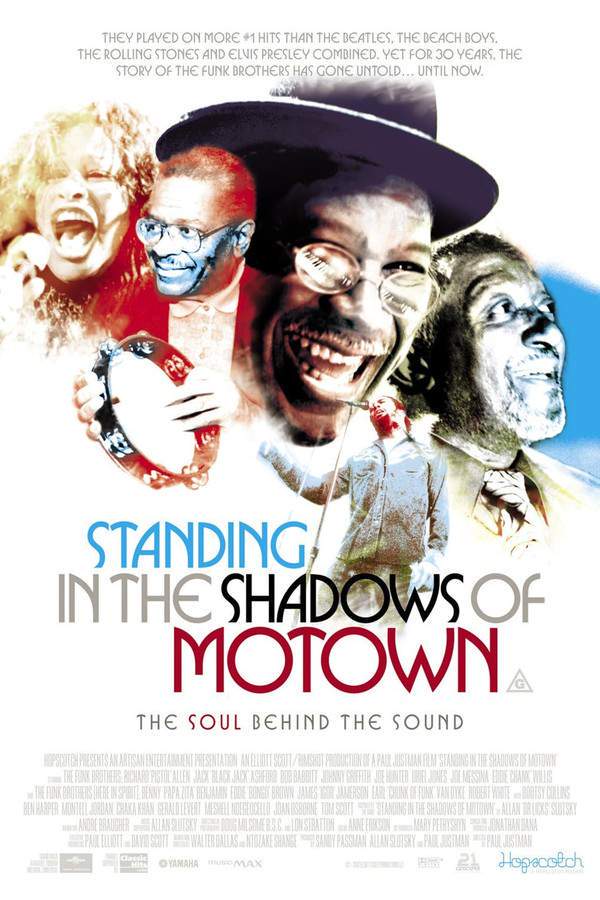
This compelling documentary reveals the story of the Funk Brothers, the remarkably talented but largely uncredited studio musicians who played on countless Motown hits. Through archival footage, interviews with the musicians themselves, and vibrant recreations, the film explores their crucial role in shaping the sound of a generation. The film also features energetic live performances by artists like Chaka Khan, celebrating the enduring legacy of these musical pioneers.
Warning: spoilers below!
Haven’t seen Standing in the Shadows of Motown yet? This summary contains major spoilers. Bookmark the page, watch the movie, and come back for the full breakdown. If you're ready, scroll on and relive the story!
Read the complete plot breakdown of Standing in the Shadows of Motown (2002), including all key story events, major twists, and the ending explained in detail. Discover what really happened, and what it all means.
The film chronicles the rich history of notable musicians and their pivotal role in the ascent of the Motown and Tamla record labels. Through captivating anecdotes shared by the musicians themselves, viewers are treated to an intriguing glimpse of Detroit, a city once bustling with a vibrant array of music venues, clubs, and ballrooms that have now faded into memory.
This documentary offers a profoundly moving narrative, powerfully enhanced by passionate performances of timeless classics delivered by a new generation of artists. The term "unsung" resonates deeply when discussing the Funk Brothers, whose talent often went unrecognized. It raises the question of whether they have received any compensation from the film, considering that they were left largely overlooked by the record company when it abruptly relocated to Los Angeles.
Towards the conclusion, the film showcases an exhilarating scene where enthusiastic crowds gather to watch the Funk Brothers alongside their youthful fans, performing live. While prior segments highlight the remarkable talents of this ensemble, the vibrant energy of the audience has remained predominantly in the shadows until this climax of the film.
Last updated: November 07, 2024 at 23:56
Explore frequently asked questions about Standing in the Shadows of Motown (2002) with spoiler-rich answers covering the full plot summary, major story beats, character motivations, hidden details, and ending meaning. This movie summary FAQ helps explain confusing scenes, plot twists, and narrative decisions in clear, searchable detail.
The Funk Brothers were the studio musicians who played on virtually all of Motown's hit records during the 1960s and 1970s, yet the record label never properly credited them. Despite their extraordinary talent and crucial role in creating the Motown sound, they received no recognition or royalties from the massive commercial success of the songs they performed on.
Earlier in the film, the documentary establishes how the Funk Brothers were hired as anonymous session musicians who worked behind the spotlight while the vocalists received all the fame.
The documentary explicitly questions whether the Funk Brothers received any form of compensation for their contributions, both historically from Motown Records and from the film itself. This reflection highlights the ongoing plight of artists who create iconic work but remain financially unrecognized.
The film's narrative builds toward this question by first establishing how the Funk Brothers were largely overlooked by the record company when it moved to Los Angeles.
When Motown Records relocated to Los Angeles in the early 1970s, the Funk Brothers were left behind in Detroit. The record company did not bring them to California, effectively ending their tenure with the label. This abandonment marked a significant turning point in their careers and contributed to their historical obscurity.
The timeline identifies the record label relocation as a pivotal moment that affected artists and musicians who remained in Detroit.
The climactic live performance represents a form of long overdue recognition for the Funk Brothers. Performing alongside younger artists and being surrounded by enthusiastic crowds, the musicians finally received the acclaim that eluded them for decades. This moment provides the emotional climax of the documentary, symbolizing vindication and celebration.
The documentary builds tension toward this moment, with earlier segments showing how the audience's energy had remained largely hidden until this culminating performance.
The documentary paints a nostalgic picture of Detroit's vibrant music scene during its heyday, filled with clubs, ballrooms, and venues that hosted Motown's rising stars. These locations have since faded into memory, representing both the loss of a cultural era and the passage of time since the Motown phenomenon peaked.
The timeline includes segments about the historic venues that were crucial to the Motown era, setting up the reflection on their disappearance.
The film included performances by a new generation of artists, including Chaka Khan, who delivered passionate renditions of classic Motown songs. These performances served to pay tribute to the original musicians while introducing Motown's legacy to contemporary audiences.
The timeline notes the segment about musical performances by new artists as a key element in the documentary's structure.
The Funk Brothers were a remarkably talented group of musicians who could master any musical style, allowing them to play on countless Motown hits across genres. Their versatility and tight cohesion created the distinctive Motown sound that defined an era, yet their contributions remained largely uncredited to the public.
The documentary introduces the Funk Brothers as the unsung heroes whose talent was the backbone of Motown's success.
Motown Records moved its headquarters to Los Angeles in the early 1970s as part of the label's expansion efforts and desire to break into the West Coast music and entertainment industry. This relocation symbolized a major shift in the music landscape and had profound effects on the Detroit-based musicians who were left behind.
The timeline identifies this relocation as a pivotal moment that changed the trajectory for many Motown artists and musicians.
The documentary gave the Funk Brothers recognition by placing their stories at the center of the narrative, allowing them to share their experiences in their own words through interviews, and culminating in a live performance where they were celebrated alongside contemporary artists and enthusiastic fans.
The documentary's hopeful and celebratory tone works toward giving these musicians their due credit after decades of obscurity.
The Funk Brothers' legacy lies in their instrumental role in creating the Motown sound that influenced generations of musicians across all genres. Their story highlights the often overlooked contributions of session musicians to popular music and serves as a testament to the importance of recognizing behind-the-scenes artists.
The documentary concludes by emphasizing how Motown music continues to resonate and influence artists to this day.
Discover curated groups of movies connected by mood, themes, and story style. Browse collections built around emotion, atmosphere, and narrative focus to easily find films that match what you feel like watching right now.
Documentaries that shine a long-overdue spotlight on hidden talents who shaped our culture.Explore other documentaries and biopics that celebrate the overlooked geniuses behind iconic art and innovation. If you liked learning about the Funk Brothers in Standing in the Shadows of Motown, you'll appreciate these similar stories of hidden talent and eventual recognition.
The narrative typically follows a chronological journey from obscurity to eventual (if late) acknowledgment. It focuses on the contrast between the immense impact of the work and the personal anonymity of its creators, building towards a vindicating conclusion that restores their place in history.
Movies are grouped here for their shared focus on correcting a historical record. They blend investigative discovery with heartfelt tribute, creating a specific emotional mix of frustration over past neglect and joy in finally giving credit where it's due.

Stories where uncovering the past brings a mix of joyful discovery and poignant sadness.Find movies like Standing in the Shadows of Motown that delve into the past with a mix of celebration and melancholy. These documentaries and dramas uncover amazing stories, but they often carry a poignant weight, balancing joyful discovery with reflections on what was lost or overlooked.
The narrative pattern involves a journey of discovery that unearths something wonderful—great art, personal triumph, human connection—but frames it within a context of hardship, delay, or historical neglect. The emotional arc moves between appreciation and a sense of loss, resulting in a complex, resonant feeling.
These films share a specific emotional texture: they are not purely sad nor purely happy. They expertly balance uplifting elements with a grounding, sometimes sobering reality, creating a deeply satisfying and thoughtful viewing experience that celebrates achievement while acknowledging its cost or context.
Don't stop at just watching - explore Standing in the Shadows of Motown in full detail. From the complete plot summary and scene-by-scene timeline to character breakdowns, thematic analysis, and a deep dive into the ending - every page helps you truly understand what Standing in the Shadows of Motown is all about. Plus, discover what's next after the movie.
Track the full timeline of Standing in the Shadows of Motown with every major event arranged chronologically. Perfect for decoding non-linear storytelling, flashbacks, or parallel narratives with a clear scene-by-scene breakdown.
Discover the characters, locations, and core themes that shape Standing in the Shadows of Motown. Get insights into symbolic elements, setting significance, and deeper narrative meaning - ideal for thematic analysis and movie breakdowns.
Discover movies like Standing in the Shadows of Motown that share similar genres, themes, and storytelling elements. Whether you’re drawn to the atmosphere, character arcs, or plot structure, these curated recommendations will help you explore more films you’ll love.
Standing in the Shadows of Motown (2002) Scene-by-Scene Movie Timeline
Standing in the Shadows of Motown (2002) Movie Characters, Themes & Settings
Standing in the Shadows of Motown (2002) Spoiler-Free Summary & Key Flow
Movies Like Standing in the Shadows of Motown – Similar Titles You’ll Enjoy
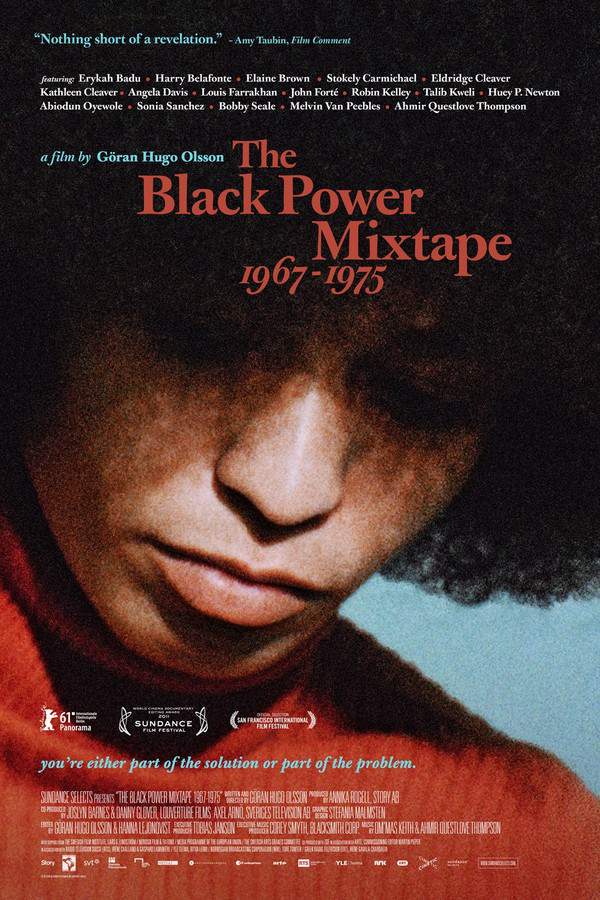
The Black Power Mixtape 1967-1975 (2011) Detailed Story Recap
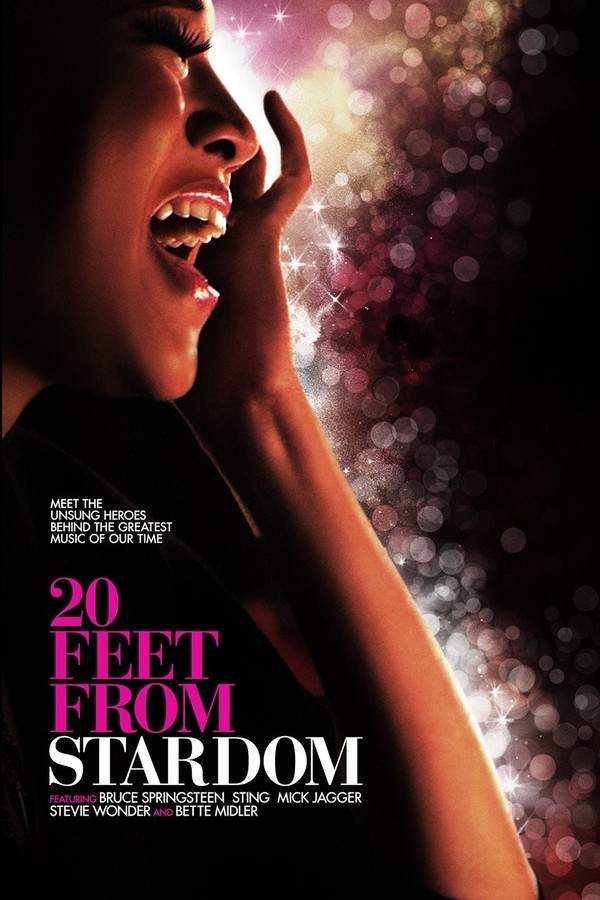
20 Feet from Stardom (2013) Ending Explained & Film Insights
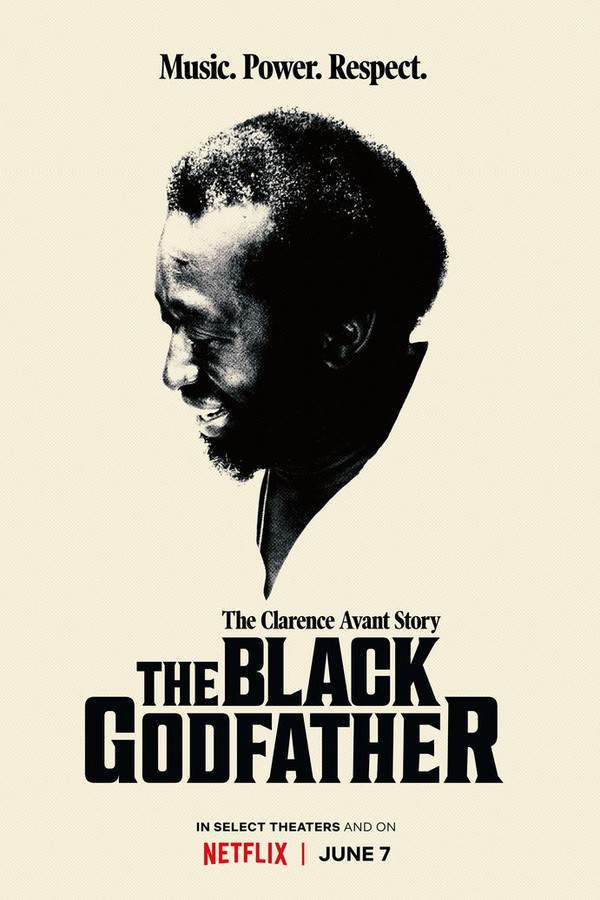
The Black Godfather (2019) Complete Plot Breakdown
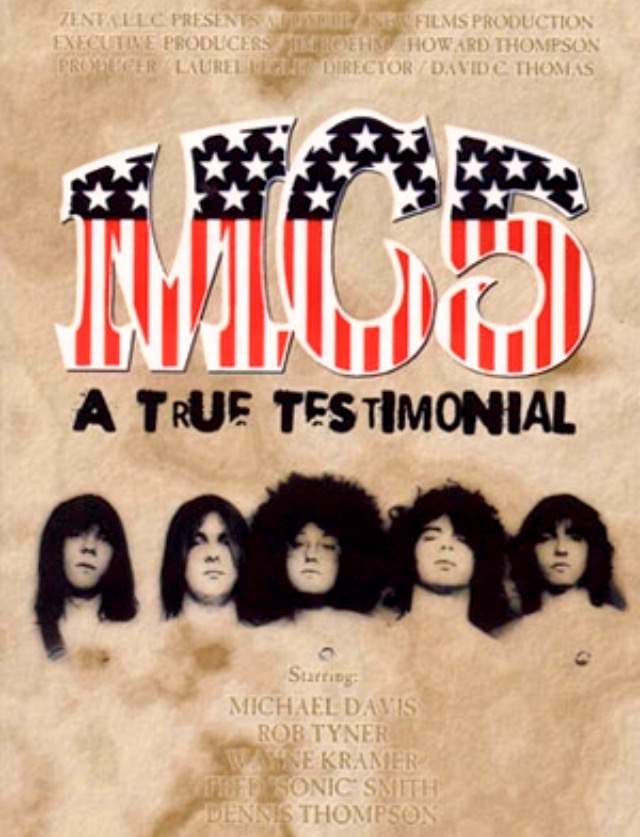
MC5*: A True Testimonial (2004) Full Summary & Key Details
Born in Chicago (2023) Detailed Story Recap
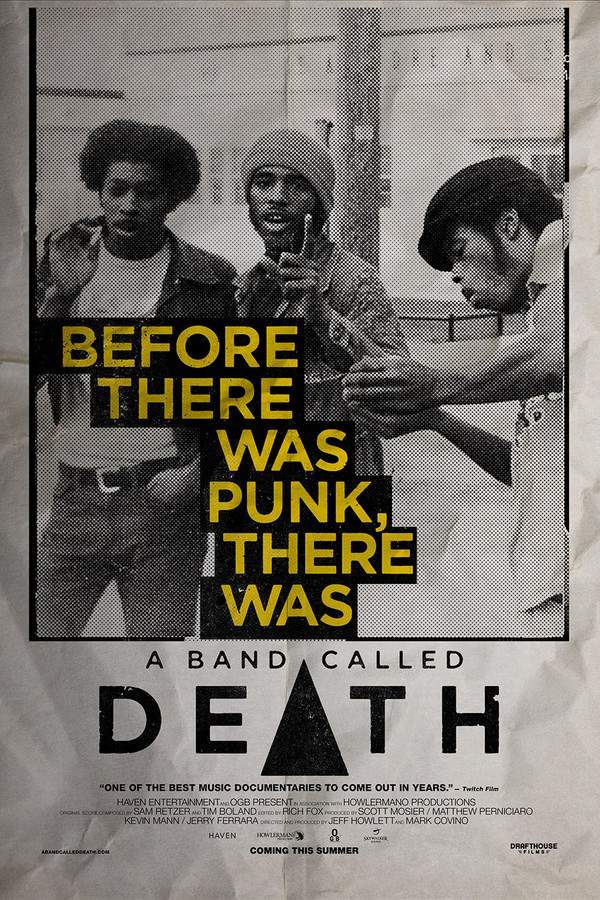
A Band Called Death (2013) Detailed Story Recap
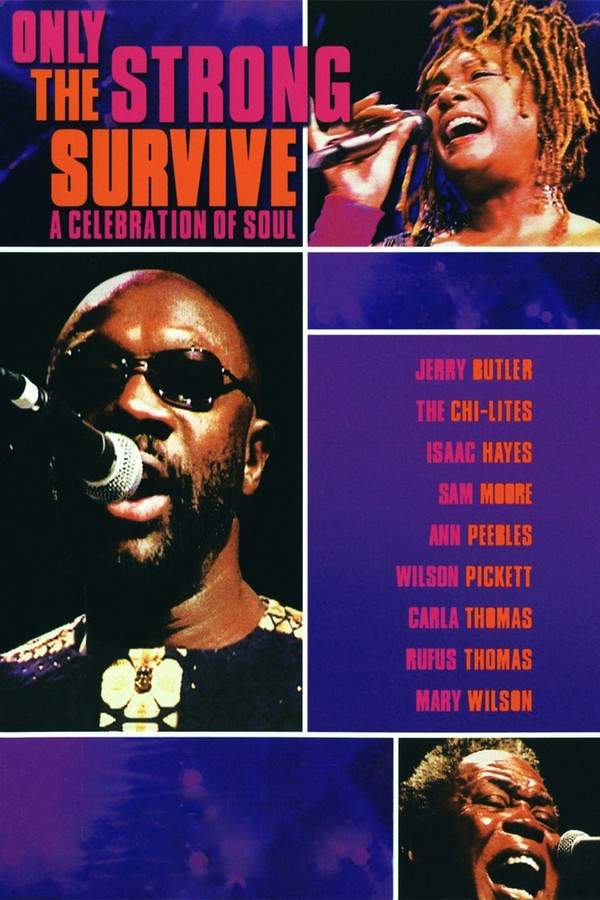
Only the Strong Survive (2003) Complete Plot Breakdown
Muscle Shoals (2013) Plot Summary & Ending Explained
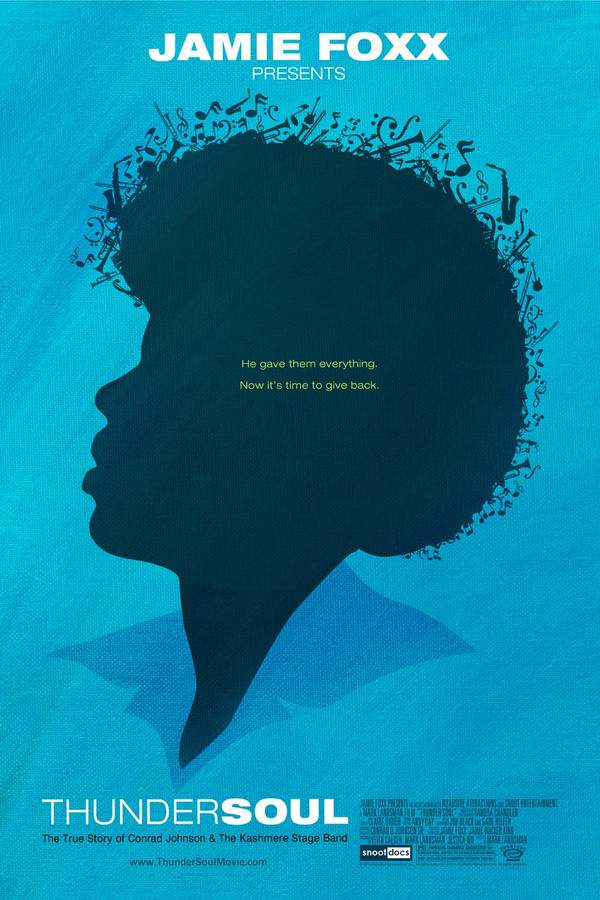
Thunder Soul (2011) Ending Explained & Film Insights
G-Funk (2017) Full Movie Breakdown
Everything: The Real Thing Story (2019) Detailed Story Recap
High Tech Soul: The Creation of Techno Music (2006) Ending Explained & Film Insights
Red Hot Chili Peppers: Funky Monks (1991) Detailed Story Recap
The Temptations (1000) Complete Plot Breakdown
Marvin Gaye: What’s Going On (2008) Ending Explained & Film Insights