Plot Explained Spoilers guaranteed!
Plot Explained

Browse by genre

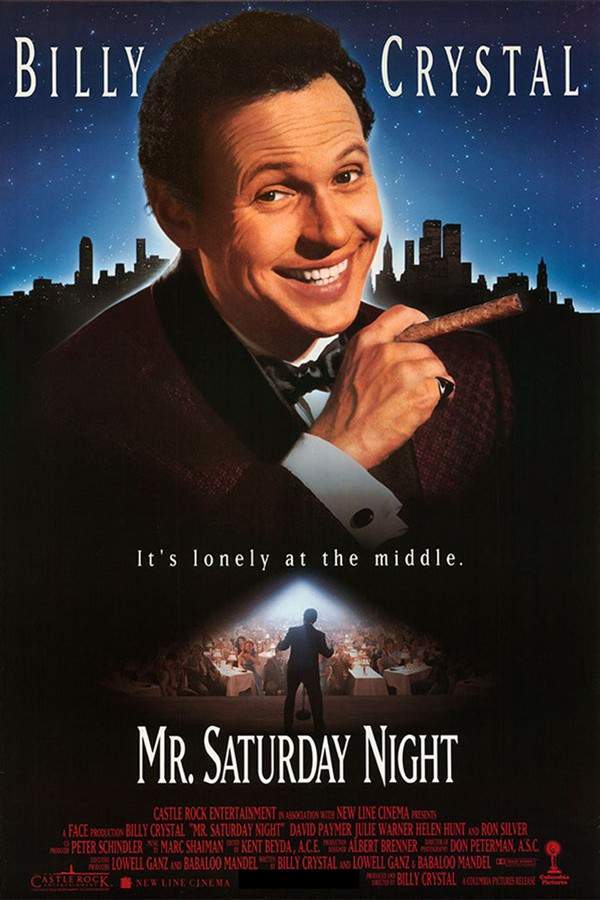
Mr. Saturday Night (2021) movie poster

Plot Summary

Mr. Saturday Night (2021) Plot Summary Explained

Release, runtime and language
2021 · 83 min · English
Echo score 77
Loading streaming availability…
Directed by
John Maggio

This documentary explores the making of "Saturday Night Fever," detailing Robert Stigwood’s ambitious project to adapt a New York magazine article into a groundbreaking film. The film’s success propelled John Travolta to international fame and sparked a massive resurgence of disco music, fueled by a hugely popular soundtrack featuring the Bee Gees. The story also examines Stigwood's prior career, showcasing his work with musical artists like Eric Clapton and his involvement in producing influential television shows, ultimately reshaping the world of cinema.

On this page (6)
  1. 1 Where to watch
  2. 2 What happens: full plot
  3. 3 Plot questions answered
  4. 4 Movie threads
  5. 5 Movies like Mr. Saturday Night
  6. 6 Every angle
Loading streaming availability…

Full plot summary · contains spoilers

What Happens in Mr. Saturday Night: Full Plot Summary

The whole story of Mr. Saturday Night (2021) explained, from the opening scene to the final frame: every key event, every twist and what it all adds up to. Read it as a quick recap before the sequel, to check a scene you missed, or to finally understand what really happened.

Stand-up comedian Buddy Young Jr. rose to fame as a television star, largely thanks to the support of his brother and manager, Stan. However, as Buddy's career began to falter, he found himself alienating many of his closest loved ones.

The story unfolds through a series of flashbacks, showcasing the brothers during their childhood as they bring joy to their family in the living room. As an adult, Buddy pursues his comedic career in the popular Catskills resorts, primarily catering to a Jewish audience, where he eventually meets and marries Elaine.

As Buddy's popularity skyrockets, so too does his ego. He scores his own Saturday night television show, yet dismisses his brother's advice and resorts to using offensive material. This reckless decision ultimately leads to the cancellation of his show, compounded by a disastrous performance on the Ed Sullivan Show, where his act is overshadowed by the Beatles' debut. Overwhelmed by anger from being overlooked, Buddy's misguided outburst leads him to walk offstage.

Years later, Buddy finds himself estranged from Stan and his daughter, Susan. Hope for redemption arises when a talented young agent, Annie Wells, offers him work, including an opportunity to audition for a role in an upcoming film directed by a top filmmaker. However, true to his destructive patterns, Buddy continues to strain his familial relationships.

Eventually, Buddy awakens to the damage he has caused and takes steps to repair the bonds with his family. He gives Susan money that Stan had gifted him from their mother's estate and starts performing at retirement homes. The film concludes with a touching moment as Stan presents Buddy with a painting that captures their childhood innocence—depicting the two of them entertaining their family in their parents' living room during Shabbat.

Last updated: November 15, 2024 at 17:32

Was this helpful?

Plot questions answered

Mr. Saturday Night Plot Explained: Your Questions Answered

The questions people ask most about Mr. Saturday Night (2021): what happens in the confusing scenes, why the characters do what they do, the twists, hidden details and what the ending means. Each answer contains spoilers.

Q1

Why did Buddy Young walk off the Ed Sullivan Show?

Buddy walked off the Ed Sullivan Show because he felt overshadowed and angry after being placed on the same bill as the Beatles, who were making their debut appearance and completely stole the spotlight from his performance. Overwhelmed by being overlooked by the audience, he reacted in a misguided outburst and stormed offstage, which severely damaged his reputation in the industry.

Foreshadowing: Earlier in his career, Buddy had shown a pattern of prioritizing his ego over professional judgment, foreshadowing this destructive reaction.

  • ed sullivan show
  • buddy young
  • beatles debut
  • walk off stage
  • career mistake
Q2

What caused Buddy Young's TV show to get cancelled?

Buddy's Saturday night television show was cancelled because he ignored his brother Stan's advice and started using increasingly offensive material in his routines to maintain ratings. This reckless choice alienated viewers and led to declining viewership, ultimately resulting in the network dropping the show.

Foreshadowing: The timeline shows Buddy's growing ego and his tendency to disregard Stan's counsel even before the show launched.

  • tv show cancellation
  • buddy young
  • offensive material
  • stan advice
  • career downfall
Q3

Why did Buddy become estranged from his brother Stan?

Buddy became estranged from Stan because years of self-destructive choices and career decline led him to push away the people who cared about him most. Despite Stan being his manager and most loyal supporter throughout his career, Buddy's ego-driven decisions, including the Ed Sullivan incident and his refusal to listen to advice, gradually drove a wedge between them until they lost contact.

Foreshadowing: The brothers' close childhood bond in the living room flashbacks emphasizes how tragic their eventual estrangement became.

  • buddy young
  • stan
  • estranged brother
  • family rift
  • career downfall
Q4

Who was Annie Wells and what opportunity did she offer Buddy?

Annie Wells was a talented young agent who offered Buddy work opportunities after his career had declined. Most significantly, she arranged an audition for him to play a role in an upcoming film directed by a top filmmaker, representing a potential revival of his entertainment career after years of irrelevance.

  • annie wells
  • agent
  • buddy young
  • film audition
  • career revival
Q5

Why did Buddy give Susan the money from their mother's estate?

Buddy gave Susan the money that Stan had received from their mother's estate as a gesture of accountability and attempt at redemption. After finally awakening to the emotional damage he had caused his family, this act represented his first concrete step toward repairing the broken bonds and making amends for years of neglect and self-absorption.

Foreshadowing: The estrangement timeline establishes how deeply Susan had been hurt by Buddy's absence, making this reconciliation attempt meaningful.

  • susan
  • mother estate
  • money
  • buddy young
  • reconciliation
  • amends
Q6

What was the significance of the painting at the end of the film?

The painting that Stan presented to Buddy depicted their childhood innocence, the two brothers entertaining their family in their parents' living room during Shabbat. This touching gift symbolized their shared history, the pure joy of their early comedy days, and represented a visual metaphor for the bond they were working to rebuild in their later years.

Foreshadowing: The opening flashbacks establishing their childhood joy in the living room directly set up this emotional payoff at the conclusion.

  • painting
  • stan
  • buddy young
  • childhood
  • shabbat
  • family
  • ending
Q7

Why did Buddy start performing at retirement homes?

Buddy started performing at retirement homes as part of his journey toward genuine fulfillment beyond chasing fame and ratings. After recognizing the damage his ego-driven career had caused, he sought a more meaningful way to use his comedy talents, connecting with an audience in a humble setting where his performances could bring joy without the pressures of his past celebrity lifestyle.

  • retirement homes
  • buddy young
  • comedy
  • redemption
  • fulfillment
Q8

How did Buddy's ego contribute to his career downfall?

Buddy's ego directly caused his downfall because as his popularity grew, he increasingly prioritized his own judgment over the advice of those who supported him. He disregarded Stan's warnings about using offensive material, made reckless decisions like walking off the Ed Sullivan Show, and allowed his self-importance to damage relationships that could have helped sustain his career during difficult times.

Foreshadowing: The timeline explicitly notes that as Buddy's popularity grew, so did his ego, setting the trajectory for his decline.

  • ego
  • buddy young
  • career downfall
  • decisions
  • stan advice
Q9

Why was Buddy unable to fully rebuild his career despite new opportunities?

Buddy was unable to fully rebuild his career because even when Annie Wells offered him promising opportunities, including a film audition, he remained trapped in his destructive patterns. His inability to change his behavior and prioritize relationships over his ego meant he continued to strain connections that could have supported his comeback, causing him to miss crucial chances at rehabilitation.

Foreshadowing: The timeline shows his persistent destructive patterns even as hope emerged, demonstrating his tragic inability to break free.

  • career recovery
  • buddy young
  • missed opportunities
  • destructive patterns
  • annie wells
Q10

Why did Buddy ignore Stan's advice about his career?

Buddy ignored Stan's advice because his growing ego made him believe he knew better than his brother, who had managed his career from the beginning. Rather than recognizing Stan's guidance as coming from a place of loyalty and experience, Buddy saw it as outdated or restrictive, leading him to make increasingly poor choices that ultimately destroyed his success.

  • stan advice
  • buddy young
  • ego
  • manager
  • career mistakes

Movie threads

More Movies Like Mr. Saturday Night, by Mood & Story

Curated lists built around what makes Mr. Saturday Night tick: the same mood, the same kind of story or the same emotional payoff. Each list explains why these movies belong together.

Movies about creative egos like Mr. Saturday Night

Intimate examinations of the personal costs behind artistic success and fame. If you enjoyed the reflective look at a comedian's career in Mr. Saturday Night, you'll appreciate these other movies. This collection features similar stories of artists, performers, and creators navigating the highs and lows of fame, ambition, and the personal sacrifices made for their craft.

  • reflective
  • melancholic
  • nostalgic
  • regretful
  • heartfelt
  • introspective
  • Tone: bittersweet, reflective, melancholic
  • Pacing: variable, contemplative
Why these movies?

The story pattern: Stories in this thread often follow a non-linear path, using flashbacks to contrast a character's rise to prominence with their later years of decline or reflection. The central conflict typically revolves around the character's own self-destructive tendencies, ego, and the fractured relationships that result from their single-minded pursuit of success.

Why they belong together: Movies are grouped here based on their shared focus on a creative protagonist, a bittersweet and reflective tone, and an exploration of the gap between public persona and private turmoil. They offer a nuanced, often melancholic, look at the price of ambition.
Bittersweet reconciliation stories like Mr. Saturday Night

Stories where characters seek redemption and connection after a lifetime of mistakes. Fans of Mr. Saturday Night's emotional arc will find similar themes in these movies about fractured families and late-life redemption. Explore stories where flawed characters, shaped by regret, make small but meaningful gestures toward healing old wounds, resulting in a bittersweet but hopeful conclusion.

  • bittersweet
  • heartfelt
  • regretful
  • hopeful
  • melancholic
  • nostalgic
  • Tone: bittersweet, heartfelt, regretful
  • Pacing: steady, character-driven
Why these movies?

The story pattern: The narrative pattern involves a flawed protagonist confronting the damage their behavior has caused over decades, particularly to their family. The journey is less about dramatic redemption and more about achieving a quiet, nuanced understanding or a single gesture of reconciliation, leading to an ending that is hopeful yet tempered by the weight of the past.

Why they belong together: These films share a specific emotional mix: a foundation of sadness and regret balanced by a glimmer of hope. They are united by a focus on family estrangement, a fall from grace, and a redemption arc that feels earned yet realistically limited, culminating in a bittersweet ending feel.

If you liked this

Movies Like Mr. Saturday Night

Similar movies to Mr. Saturday Night: the same genre, themes or kind of story. Each one comes with its own plot summary, timeline and ending explained.

Browse all movie summaries

Every angle

Mr. Saturday Night (2021) Explained: Plot, Timeline & Characters

Everything about Mr. Saturday Night in one place: what happens in the plot summary, the timeline in chronological order, the characters and meaning and a spoiler-free summary. What's After the Movie adds the cast, box office and post-credit scenes.

Coming soon on iOS and Android

The Plot Explained Movie Summary App

Plot summaries, endings explained and timelines on your phone. Catch up on any movie in minutes, save your favorites and never miss a twist again.

Be the first to know when we launch. Your email stays private, always.

Learn more about the app