

Plot Explained Spoilers guaranteed!
Plot Explained

Browse by genre

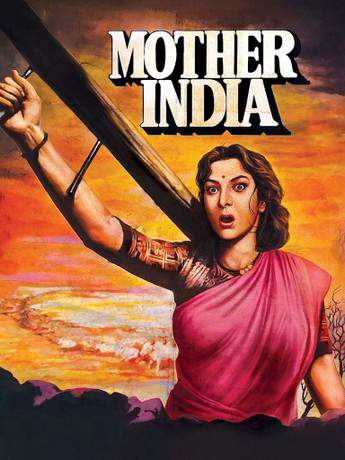
Mother India (2002) movie poster

Timeline

Mother India (2002) Timeline Explained – Every Event in Order

Release, runtime and language
2002 · 172 min · English
Directed by
Mehboob Khan

A moving story exploring the strength and sacrifices of Indian women. It portrays maternal devotion within the context of societal pressures and economic hardship. Through the experiences of women from different backgrounds, the film reveals a nuanced look at motherhood, highlighting themes of love, resilience, and the challenges faced in rural India.

On this page (5)
  1. 1 Where to watch
  2. 2 Events in order (15)
  3. 3 Timeline questions answered
  4. 4 Movie threads
  5. 5 Every angle

Where to watch

Where to Watch Mother India (2002)

Where can you watch Mother India? Stream, rent or buy it in the US, including on Kanopy: current JustWatch availability with up-to-date prices.

Streaming availability powered by JustWatch

15 events in order · contains spoilers

Mother India Timeline: Events in Chronological Order

Every key event of Mother India (2002) in order, scene by scene, with when and where it takes place. Use it to untangle flashbacks, time jumps and parallel storylines, to refresh your memory before the sequel or to find the exact scene you are thinking of.

  1. Celebration of the Canal

    In 1957, the villagers of a small rural community gathered to celebrate the completion of an irrigation canal that would transform their parched farmland. The event marked a hopeful new beginning, as the canal promised to bring much-needed water and life back to their crops.

    When
    1957
    Where
    Rural village
  2. Radha's Honor

    During the canal's inauguration, Radha, revered as the 'mother' of the village, was given the honor of inaugurating the canal. This moment caused Radha to reflect on her challenging past and the bittersweet memories of her early marriage.

    When
    1957
    Where
    Rural village
  3. Wedding and Debt

    Radha's marriage to Shamu was arranged under difficult circumstances, as Shamu's mother-in-law secured a loan from the unscrupulous moneylender Sukhilala. The harsh terms of the loan forced the couple to give away three-quarters of their meager crop just to keep up with steep interest payments.

  4. Shamu's Tragic Accident

    Shamu struggled to cultivate their rocky land until tragedy struck when a boulder fell and crushed his arms. This accident not only stripped him of his ability to work but also intensified the family's hardships under Sukhilala's oppressive lending practices.

  5. Shamu Abandons Radha

    Unable to bear the humiliation from Sukhilala's taunts and the despair of his circumstances, Shamu deserted Radha and their three sons. This left Radha to navigate an unforgiving world alone, facing immense challenges as a single mother.

  6. Tragedy Strikes the Family

    Not long after Shamu's departure, tragedy hit again when Radha's youngest son and her mother-in-law fell seriously ill and died. To compound her suffering, a devastating storm ravaged the village, destroying homes and ruining the remaining harvest, leaving Radha and her surviving sons in dire straits.

    Where
    Rural village
  7. Sukhilala's Cruel Offer

    In a moment that revealed his true malice, Sukhilala made a heartless proposal to Radha: her body in exchange for food to survive. Radha, fueled by her fierce determination, rejected his despicable offer, choosing to endure the hunger and hardship instead.

  8. Loss of Radha's Infant

    In the aftermath of the storm, Radha suffered another heartbreaking loss when she lost her infant child. This event deepened her resilience and drove her to fight for the survival of her remaining sons against overwhelming odds.

  9. Birju and Ramu's Growth

    As time passed, Radha's sons Birju and Ramu grew into young men. While Ramu chose a path of family and stability by marrying, Birju's anger towards Sukhilala consumed him, leading him to act out against others in the village, particularly targeting Sukhilala's daughter, Rupa.

  10. Birju's Attack

    Birju's frustration erupted when he launched a violent attack against Sukhilala and his family, during which he managed to reclaim Radha’s pawned marriage bracelets. This act marked his transformation from a troubled youth to a vengeful man determined to make Sukhilala pay for his family's suffering.

  11. Birju's Banishment

    Following his assault on Sukhilala, Birju was banished from the village, forcing him into a life of a bandit. This choice stemmed from his desire for revenge, deepening his rivalry with Sukhilala, and reflecting his growing alienation from his community.

  12. Birju's Return

    On Rupa's wedding day, Birju returned with his gang seeking revenge on Sukhilala's family. In the chaos, Sukhilala was killed, and Rupa was abducted, illustrating the tragic cycle of violence that had consumed their lives.

    Where
    Rural village
  13. Radha's Resolute Action

    Amidst the upheaval, Radha's fierce maternal instincts drove her to confront Birju. In a heart-wrenching moment, she shot him down, ending the cycle of revenge and loss, thereby demonstrating her unyielding love for her family.

  14. Birju's Last Moments

    In the final moments of his life, Birju died in Radha's arms, a tragic end for a character consumed by vengeance and pain. This poignant scene underscores the themes of family, loss, and the devastating effects of a life led by anger.

  15. Hope and Resilience

    With the canal's reddish waters beginning to flow into the fields, Radha stood proudly at its gate in 1957. She became a symbol of hope and resilience, having bravely faced countless storms throughout her life, and now her community finally had a chance to thrive once again.

    When
    1957
    Where
    Rural village

Last updated: November 19, 2024 at 17:15

Was this helpful?

Timeline questions answered

Mother India Timeline Explained: Your Questions Answered

When does it happen, and why in that order? The questions people ask about the chronology of Mother India (2002): time jumps, flashbacks, cause and effect between scenes and the correct order of events, each answered with spoilers.

Q1

Why did Shamu abandon Radha and their children?

Shamu abandoned Radha and their three sons after a boulder crushed his arms, leaving him unable to work the land. The humiliation from Sukhilala's cruel taunts about his inability to provide for his family, combined with the despair of their crushing debt, drove him to desert them. He could not bear the shame of being a failed husband and father in a society where a man's worth was tied to his ability to support his family.

Foreshadowing: Earlier, Shamu struggled endlessly to till the rocky terrain, showing his desperation to succeed despite impossible conditions.

  • shamu
  • abandonment
  • debt
  • humiliation
  • moneylender
Q2

Why did Sukhilala offer Radha food in exchange for her body?

Sukhilala made this heartless proposal to exploit Radha's desperate situation during the devastating storm when her family was starving. Having already trapped the family in predatory loans, he used their extreme vulnerability to pressure Radha into sexual exploitation. This reveal his true malicious nature, he not only profited from their poverty but sought to further degrade Radha when she was at her weakest.

Foreshadowing: Sukhilala's harsh loan terms, demanding three-quarters of their meager crop, established his ruthless character from the start.

  • sukhilala
  • exploitation
  • poverty
  • offer
  • starvation
Q3

Why did Radha kill her own son Birju?

Radha shot Birju to stop him from abducting Rupa and to end the cycle of revenge consuming her family. When Birju returned on Rupa's wedding day with his gang seeking vengeance, Radha faced an unbearable choice: allow her son to commit more violence and potentially harm innocent people, or sacrifice him to protect others. Her maternal love manifested in the painful decision to kill her own child rather than let him continue down a path of destruction.

Foreshadowing: Birju's transformation from a troubled youth tormenting village girls to a violent bandit foreshadowed his ultimate downfall.

  • radha
  • birju
  • killing
  • maternal love
  • revenge cycle
Q4

Why is Radha called the 'mother' of the village?

Radha earned the title 'mother' of the village through her selfless sacrifice and resilience in raising her sons alone after Shamu abandoned them. She became the emotional and practical head of her family, enduring incredible hardship, working the fields, losing children, and resisting exploitation, to keep her family alive. Her strength in the face of relentless tragedy made her a symbol of maternal devotion for the entire community.

Foreshadowing: The village honored Radha with the canal inauguration, signaling her elevated status among the villagers.

  • radha
  • title
  • mother
  • village
  • sacrifice
Q5

Why did Birju become a bandit after being banished?

Birju became a bandit because his banishment left him with no means of survival or redemption in society, intensifying his thirst for revenge against Sukhilala. Being expelled from the village for his violent attack on Sukhilala's family cut off his chances of a normal life. With no family, home, or future, Birju channeled his rage into a life of crime, using his gang to target Sukhilala and his family as the only purpose left in his life.

Foreshadowing: Birju's recurring violence against Rupa and his obsession with reclaiming Radha's pawned bracelets showed his inability to move past vengeance.

  • birju
  • bandit
  • banishment
  • revenge
  • crime
Q6

Why did Birju target Rupa, Sukhilala's daughter?

Birju targeted Rupa as a way to hurt Sukhilala, since he could not directly attack the moneylender without consequences. His pent-up anger towards Sukhilala for the family's suffering manifested in tormenting Rupa, making her a proxy victim for his father's oppression. Birju's actions were less about Rupa herself and more about inflicting pain on Sukhilala through the person closest to him.

Foreshadowing: Birju consistently took out his frustrations on Rupa throughout his youth, demonstrating his pattern of displacing his anger onto her.

  • birju
  • rupa
  • targeting
  • revenge
  • sukhilala
Q7

How did Radha lose her infant child?

Radha lost her infant child during the devastating storm that swept through the village after her youngest son and mother-in-law had already died from illness. The storm destroyed homes and ravaged the remaining harvest, and in the chaos and destruction, her infant was taken from her. This loss, combined with all her other tragedies, further hardened her resolve to survive for her remaining sons.

Foreshadowing: The storm was preceded by multiple deaths in the family, showing how tragedy continued to compound for Radha.

  • infant
  • death
  • storm
  • loss
  • tragedy
Q8

What does the reddish water in the canal symbolize?

The reddish water flowing through the canal symbolizes the blood, sacrifice, and suffering that the villagers, including Radha, endured to reach this moment of hope. The color suggests that their survival came at a tremendous cost, with lives lost and hardships faced along the way. Yet the water also represents renewal and life returning to the parched land, transforming their suffering into agricultural promise for the future.

Foreshadowing: The entire narrative builds toward this moment of hope after endless tragedy, making the canal's flow feel earned but tinged with loss.

  • canal
  • water
  • symbolism
  • blood
  • hope
Q9

What triggered Birju's attack on Sukhilala and his family?

Birju's attack was triggered by years of accumulated resentment towards Sukhilala for the poverty, humiliation, and family breakdown his predatory lending caused. When Birju finally erupted into violence, he reclaimed Radha's pawned marriage bracelets, a powerful symbol of her lost dignity and marital security. This act represented Birju's attempt to restore his family's honor by force, even though it led to his banishment.

Foreshadowing: Birju's growing anger throughout the years, expressed through tormenting Rupa, built to this explosive moment.

  • birju
  • attack
  • sukhilala
  • bracelets
  • revenge
Q10

Why was Radha chosen to inaugurate the canal?

Radha was chosen to inaugurate the canal because she embodied the village's suffering and resilience, making her the symbolic fitting person to welcome their new source of life. Having survived impossible hardships, abandonment, deaths, exploitation, and loss, Radha represented the community's endurance through decades of drought and struggle. Her presence at the canal's opening connected their painful past to this hopeful future.

Foreshadowing: The canal's completion marks a full-circle moment from the opening celebration to Radha's reflection on her past.

  • radha
  • inauguration
  • canal
  • honor
  • symbol
Q11

How did Shamu's arm injury lead to his decision to leave?

The boulder accident that crushed Shamu's arms left him physically unable to work the land, which in their society meant he could no longer provide for his family. Combined with Sukhilala's humiliating taunts about his failure as a provider, Shamu faced complete loss of his dignity and purpose. The weight of being unable to pay off the debt, coupled with the shame of his physical incapacitation, became unbearable, leading him to flee rather than face continued humiliation.

Foreshadowing: Shamu had been struggling to till the rocky land even before the accident, showing the constant pressure he was under.

  • shamu
  • injury
  • accident
  • humiliation
  • departure
Q12

What perpetuated the cycle of revenge between Birju and Sukhilala?

The cycle of revenge was perpetuated by Birju's inability to process the trauma and poverty Sukhilala's exploitative lending caused his family. Rather than finding a path to healing, Birju channeled all his pain into vengeance against Sukhilala and his family, even targeting innocent Rupa. This created a tragic spiral: Sukhilala's original cruelty bred Birju's rage, which bred more violence, ultimately destroying multiple lives including Birju himself.

Foreshadowing: The pattern began early when Birju started tormenting Rupa, showing how the original injustice echoed through generations.

  • cycle
  • revenge
  • trauma
  • violence
  • generation

Movie threads

More Movies Like Mother India, by Mood & Story

Curated lists built around what makes Mother India tick: the same mood, the same kind of story or the same emotional payoff. Each list explains why these movies belong together.

Epic sagas of human resilience like Mother India

Stories of enduring immense hardship while affirming the human spirit. If you were moved by the immense hardship and enduring spirit in Mother India, this collection features movies with similar emotional sagas. Find other epic dramas that explore the power of human resilience against overwhelming odds, focusing on generational survival and bittersweet legacies.

  • epic
  • resilient
  • tragic
  • hopeful
  • enduring
  • somber
  • Tone: bittersweet, tragic, hopeful
  • Pacing: steady, epic
Why these movies?

The story pattern: The narrative follows a linear, often generational, timeline where a protagonist faces a relentless series of tragedies and societal challenges. The story structure serves to test the limits of human endurance, with the central conflict being survival itself against forces like poverty, nature, and injustice. The arc is more about enduring than conquering, culminating in a legacy defined by resilience.

Why they belong together: These movies are grouped by their shared focus on a heavy, emotionally draining journey that spans years, their bittersweet tone that balances despair with hope, and their ultimate message about the unyielding strength of the human spirit in the face of relentless adversity.


Maternal sacrifice dramas like Mother India

Films exploring the extreme choices and burdens mothers face for family. For viewers affected by the theme of maternal sacrifice in Mother India, this section highlights similar movies. Discover powerful family dramas that focus on the extreme burdens and moral choices faced by mothers, often within contexts of poverty, duty, and social injustice.

  • somber
  • oppressive
  • grieving
  • resilient
  • tragic
  • emotional
  • Tone: bittersweet, bleak, somber
  • Pacing: steady, character-driven
Why these movies?

The story pattern: The narrative is driven by the central conflict between a mother's love and the brutal demands of survival. The protagonist is frequently forced into morally complex or heartbreaking decisions, where protecting her children comes at a great personal cost. The plot explores the psychological and emotional depth of this sacrifice, creating a tension between personal desire and overwhelming duty.

Why they belong together: These films share a strong thematic core focused on motherhood under extreme duress, a heavy emotional weight derived from impossible choices, and a tone that is often bittersweet or bleak. The pacing is typically steady, allowing for a deep exploration of character and moral complexity.

Every angle

Mother India (2002) Explained: Plot, Timeline & Characters

Everything about Mother India in one place: what happens in the plot summary, the timeline in chronological order, the characters and meaning and a spoiler-free summary. What's After the Movie adds the cast, box office and post-credit scenes.

Coming soon on iOS and Android

The Plot Explained Movie Summary App

Plot summaries, endings explained and timelines on your phone. Catch up on any movie in minutes, save your favorites and never miss a twist again.

Be the first to know when we launch. Your email stays private, always.

Learn more about the app