Plot Explained Spoilers guaranteed!
Plot Explained

Browse by genre

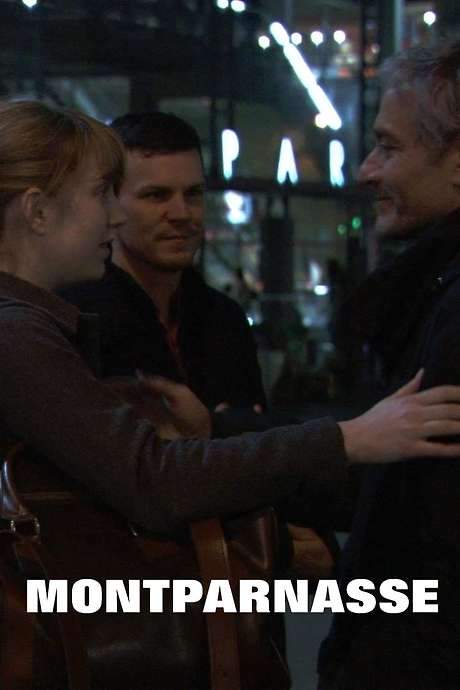
Montparnasse (2009) movie poster

Timeline

Montparnasse (2009) Timeline Explained – Every Event in Order

Release, runtime and language
2009 · 59 mins · French
Loading streaming availability…
Directed by
Mikhaël Hers
Starring
Didier Sandre, Thibault Vinçon, Lolita Chammah, Adélaïde Leroux, Timothée Régnier, Aurore Soudieux

On a single night, three young women wander through Montparnasse, moving from neon‑lit boulevards and empty streets to a quiet mall and gardens, pausing at the tower plaza and the station’s esplanade. They share a farewell coffee, capture moments with a camera, attend a concert on a terrace, and watch the city awaken.

On this page (6)
  1. 1 Where to watch
  2. 2 Events in order (15)
  3. 3 Timeline questions answered
  4. 4 Movie threads
  5. 5 Movies like Montparnasse
  6. 6 Every angle
Loading streaming availability…

15 events in order · contains spoilers

Montparnasse Timeline: Events in Chronological Order

Every key event of Montparnasse (2009) in order, scene by scene, with when and where it takes place. Use it to untangle flashbacks, time jumps and parallel storylines, to refresh your memory before the sequel or to find the exact scene you are thinking of.

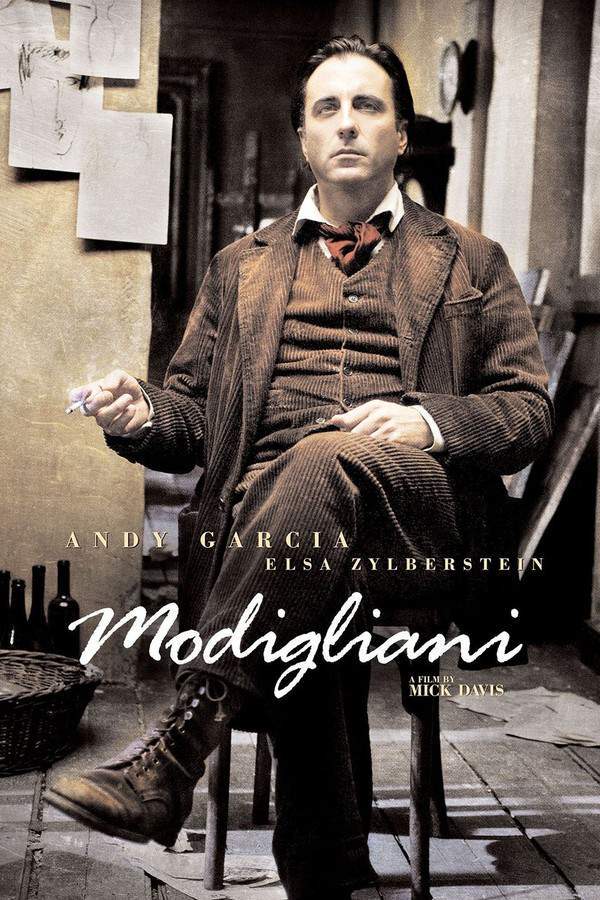
  1. Modi's bohemian Paris life

    Modi leads a bohemian life in Paris, spending long days drinking and nights with Beatrice while painting little and struggling to sell his work. He drifts through studios and cafés, chasing beauty more than commerce. The strain of excess begins to show in his health.

    When
    Paris, early 1910s
    Where
    Paris
  2. Beatrice as companion and muse

    Beatrice, a beautiful writer, becomes Modi's constant companion, fueling his bohemian lifestyle. She is present in many scenes as he pursues art and pleasure, often at the expense of finances. The relationship highlights Modi's tension between artistic hunger and personal indulgence.

    When
    Paris, early 1910s
    Where
    Paris
  3. Meeting Jeanne, the art student

    Modi meets Jeanne, a beautiful young art student whose family tries to keep her apart. She becomes a magnetic presence in his life, drawing him toward a deeper emotional and artistic involvement. Her confinement by her family foreshadows the obstacles they will face.

    When
    Paris, early-mid 1910s
    Where
    Paris
  4. Zborowskis lend support

    The Zborowskis, Modi's friends, do their best to keep him afloat—booking places, promoting his work, and offering practical support. Their loyalty contrasts with Modi's unstable finances and health. They become crucial anchors in his chaotic life.

    When
    Paris, early 1910s
    Where
    Paris
  5. Health forces move to Nice

    Facing fragile health from alcohol and tobacco, Modi goes to Nice to recuperate. The sea air offers relief but his condition remains precarious. The change of scene hints at a possible fresh start, even as his obsession with art endures.

    When
    Nice, mid-1910s
    Where
    Nice
  6. Jeanne escapes and joins Modi in Nice

    Jeanne escapes her protective family and travels to Nice to be with Modi, becoming inseparable. Their bond strengthens as Modi's health wanes and his artistic preoccupations deepen. The couple's relationship anchors the emotional core of the period.

    When
    Nice, mid-1910s
    Where
    Nice
  7. Return to Paris

    Modi returns to Paris after the stay in Nice, reentering the city with his inner circle managing his career. The return sets the stage for a major solo show that could change his fortunes. The period marks a collision of artistic ambition and financial precariousness.

    When
    1918-1919
    Where
    Paris
  8. One-man show at Madame Weill

    The Zborowskis arrange Modi's first major solo show at the prestigious Madame Weill gallery, hoping to establish his reputation. The opening draws a crowd and plenty of free drinks, but the sales are disappointingly sparse. The event underscores the market's resistance to Modi's art despite growing acclaim.

    When
    1919
    Where
    Paris
  9. Nude removed from the window

    During the opening, complaints lead to police intervention and the removal of a nude from Modi's window display. The incident heightens attention on Modi's provocative work and foreshadows the commodification debate. The gallery's prestige cannot conceal the commercial reality.

    When
    Opening night, 1919
    Where
    Paris
  10. Morel's cynical market view

    Morel, a cynical dealer, explains the market's cruel logic: Modi is expected to die soon, and then prices will rise. His cold calculation reveals how the art world monetizes tragedy. Modi absorbs the reality but remains focused on beauty rather than profit.

    When
    1919
    Where
    Paris
  11. American interest and Jeanne's image

    An American millionaire shows genuine interest in Modi's canvases, but proposes using Jeanne's blue eyes to advertise the works. Modi refuses, unwilling to reduce his partner to a marketing gimmick. The moment crystallizes the conflict between artistic integrity and commercial exposure.

    When
    1919
    Where
    Paris
  12. Desperate attempts to sell in cafés

    With economics tightening, Modi walks through cafés trying to sell his drawings, but finds little or no traction. The failure underscores the gap between artistic ideal and market demand. His resolve remains intact even as opportunities thin.

    When
    1919
    Where
    Paris
  13. Collapse and hospital

    Physically exhausted, Modi collapses in the street and is taken to a hospital. The episode highlights the toll of his lifestyle and relentless creative drive. His mortality becomes an undeniable presence in his final months.

    When
    Late 1919
    Where
    Paris
  14. Modi dies in hospital

    Modigliani dies alone in the hospital, his passing marking the end of a life devoted to art and suffering. Beatrice and Jeanne remain distant from the moment of his death. His death seals the fate of his unfinished, living legend.

    When
    1920
    Where
    Paris
  15. Morel buys unsold works posthumously

    Without telling Jeanne what has happened, Morel rushes to buy all unsold works for immediate cash. The dealer converts Modi's late-stage market futility into a cash windfall, exploiting the timing of his death. Jeanne discovers the purchases after the fact, as Modi's legacy takes on a new, commercial life.

    When
    1920
    Where
    Paris

Last updated: February 17, 2026 at 19:56

Was this helpful?

Timeline questions answered

Montparnasse Timeline Explained: Your Questions Answered

When does it happen, and why in that order? The questions people ask about the chronology of Montparnasse (2009): time jumps, flashbacks, cause and effect between scenes and the correct order of events, each answered with spoilers.

Q1

Why does Modi refuse the American million-dollar offer?

Modi refuses because the American buyer wants to use Jeanne's blue-eyed portrait as advertising for the prize. Modi finds the commercialization of Jeanne's image repulsive and walks away rather than reduce his muse to a marketing gimmick. This moment highlights his commitment to artistic integrity over financial security.

  • modi
  • jeanne
  • american offer
  • art market
  • commercialization
Q2

Why does Modi die alone in the hospital with no one by his side?

Modi dies alone in the hospital in 1920 because neither Beatrice nor Jeanne is present at that moment. Both women are distant from his final moments, underscoring the tragic loneliness of his final days. Morel, the dealer, arrives afterward to purchase his remaining works for cash.

  • modi death
  • hospital
  • alone
  • beatrice
  • jeanne
Q3

What does dealer Morel mean when he says Modi's death will raise his art prices?

Morel explains the cruel logic of the art market: collectors view dying artists as investment opportunities, believing their works will become more valuable after death. He tells Modi that his imminent death from tuberculosis will paradoxically make his work desirable and expensive, revealing how the art world monetizes tragedy.

  • morel
  • art market
  • death
  • prices
  • exploitation
Q4

Why does Jeanne's family try to separate her from Modi?

Jeanne's protective family recognizes Modi's bohemian lifestyle, heavy drinking, poor health, and lack of financial stability. They see him as an unsuitable partner for their daughter and attempt to shield her from his stormy world. Despite their efforts, Jeanne eventually escapes to join Modi in Nice.

  • jeanne
  • family
  • modi
  • relationship
  • protection
Q5

Why does Modi leave Paris for Nice?

Modi moves to Nice in the mid-1910s to recuperate from declining health caused by heavy drinking and tuberculosis. The sea air offers a chance at recovery, though his condition remains precarious. The change of scene also represents a potential fresh start, but his obsession with art persists.

  • modi
  • nice
  • health
  • tuberculosis
  • recovery
Q6

Why does Jeanne leave her family to join Modi in Nice?

Jeanne escapes her protective family and travels to Nice to be with Modi because of their deep emotional bond. Despite the obstacles and warnings from her family, she chooses to be with him as his health declines. Their time together in Nice becomes the emotional anchor of the story.

  • jeanne
  • nice
  • escape
  • family
  • love
Q8

Why are Jeanne's blue eyes significant to the American buyer?

The American millionaire specifically wants to use Jeanne's blue-eyed portrait to advertise Modi's work for a prize. Her striking blue eyes were a defining feature in Modi's portraits of her, making her image commercially valuable. Modi finds this reduction of his beloved muse to a marketing tool offensive and refuses the deal.

  • jeanne
  • blue eyes
  • portrait
  • advertising
  • american buyer
Q9

What causes Modi to collapse in the street?

Modi collapses in the street in late 1919 due to exhaustion from his relentless creative drive, heavy drinking, and worsening tuberculosis. His body finally gives out from the combined toll of poverty, alcoholism, and the strain of pursuing art while ill. He is taken to a hospital where he eventually dies.

  • modi
  • collapse
  • health
  • tuberculosis
  • exhaustion
Q10

Why does Morel rush to buy all of Modi's unsold works after his death?

Morel purchases all unsold works immediately after Modi's death to profit from the market's expected surge in prices following an artist's death. He acts quickly for cash, exploiting the timing of Modi's demise. Jeanne discovers these purchases after the fact, as Modi's legacy takes on a new commercial life.

  • morel
  • works
  • purchase
  • death
  • market

Movie threads

More Movies Like Montparnasse, by Mood & Story

Curated lists built around what makes Montparnasse tick: the same mood, the same kind of story or the same emotional payoff. Each list explains why these movies belong together.

Nocturnal Journeys of Urban Melancholy like in Montparnasse

Soulful night-time wanderings through a cityscape, charged with poetic sadness. Discover movies like Montparnasse that capture the poetic sadness of night-time. If you enjoyed the steady-paced stroll through Montparnasse, you'll appreciate these similar films about wandering souls and the heavy, romantic mood of a city after dark.

  • nocturnal
  • melancholic
  • urban
  • poetic
  • atmospheric
  • introspective
  • Tone: melancholic, poetic, somber
  • Pacing: steady, meditative, slow burn
Why these movies?

The story pattern: Stories in this thread are often episodic and meditative, following characters as they drift through a city's empty streets and neon-lit corners. The narrative is less about a traditional plot and more about capturing a specific mood and emotional state, often exploring themes of alienation, fleeting connections, and artistic reflection.

Why they belong together: These films are grouped by their shared meditative pacing, melancholic tone, and the central motif of a city at night as a reflective space. They deliver a specific, immersive experience centered on atmosphere and emotional resonance rather than complex plotting.
Tragic Bohemian Artistry like in Montparnasse

The passionate and ultimately sorrowful lives of artists living on the edge. Explore tragic bohemian artistry in movies like Montparnasse. If you were moved by the story of unrecognized talent and artistic struggle, this section gathers similar films about creators whose passions lead them down a path of beautiful despair.

  • tragic
  • bohemian
  • artistic
  • desperate
  • romantic despair
  • unrecognized talent
  • Tone: melancholic, tragic, desperate
  • Pacing: steady, character-driven
Why these movies?

The story pattern: These narratives typically follow a linear progression of an artist's decline, fueled by internal and external struggles. The plot focuses on the conflict between creative genius and self-destructive tendencies, often set against a backdrop of poverty and romantic despair, leading to a sad or bleak conclusion.

Why they belong together: This thread connects films that share a heavy emotional weight centered on the theme of artistic struggle. They are united by a melancholic tone, a focus on tragic character arcs, and the exploration of themes like unrecognized talent, addiction, and doomed romance.

If you liked this

Movies Like Montparnasse

Similar movies to Montparnasse: the same genre, themes or kind of story. Each one comes with its own plot summary, timeline and ending explained.

Browse all movie summaries

Every angle

Montparnasse (2009) Explained: Plot, Timeline & Characters

Everything about Montparnasse in one place: what happens in the plot summary, the timeline in chronological order, the characters and meaning and a spoiler-free summary. What's After the Movie adds the cast, box office and post-credit scenes.

Coming soon on iOS and Android

The Plot Explained Movie Summary App

Plot summaries, endings explained and timelines on your phone. Catch up on any movie in minutes, save your favorites and never miss a twist again.

Be the first to know when we launch. Your email stays private, always.

Learn more about the app