Plot Explained Spoilers guaranteed!
Plot Explained

Browse by genre

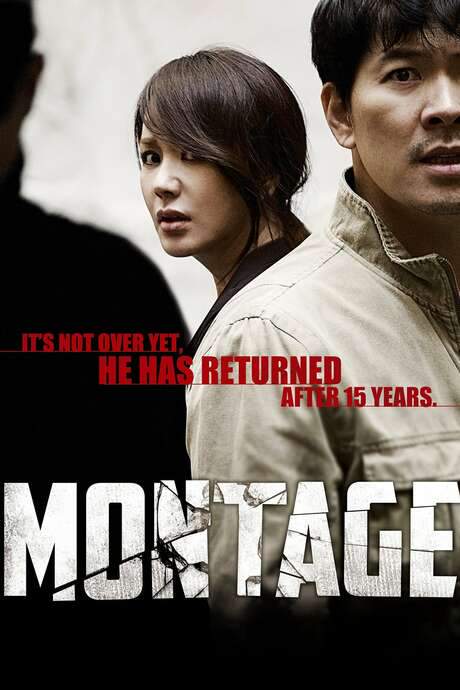
Montage (2013) movie poster

Characters & Themes

Montage (2013) Characters, Setting & Themes Explained

Release, runtime and language
2013 · 120 mins · Korean
Loading streaming availability…
Directed by
Jeong Geun-seop
Starring
Lee Jun-hyeok, Uhm Jung-hwa, Kim Sang-kyung, Gi Ju-bong, Jo Hee-bong, Yoo Seung-mok

After fifteen years, he returns, reopening old wounds. A woman experiences unimaginable loss when her child is kidnapped and tragically killed, despite the ransom being paid. Years later, a shadowy figure revisits the scene of the crime, and a new kidnapping follows the same disturbing pattern. Determined to find justice, the woman joins forces with a detective to track down the killer and bring them to justice, finally confronting the pain of the past.

On this page (7)
  1. 1 Where to watch
  2. 2 Characters explained (7)
  3. 3 Where & when it takes place
  4. 4 Themes & meaning (3)
  5. 5 Character & meaning questions
  6. 6 Movie threads
  7. 7 Every angle
Loading streaming availability…

7 main characters · contains spoilers

Montage Characters Explained: Who Is Who

The main characters of Montage (2013), heroes and villains: what drives them, how they change over the course of the story and what each of them reveals about the film's bigger ideas.

  • Chief Detective Shin (Lee Jun-hyeok)

    A seasoned lead investigator who coordinates the team and keeps focus as the clock runs down on the statute of limitations. He connects clues from the original case to the new kidnappings and pushes for a resolution that honors the victims. His calm, methodical approach hides a deep sense of duty and empathy for those affected by decades of hidden trauma.

    • 🕵️ Detective
    • ⚖️ Justice
    • 🧭 Investigation
  • Ha-kyung

    played by Uhm Jung-hwa

    Bom's mother who becomes entangled in a drastic plan to force a confession from the grandfather. Her actions arise from unresolved pain and a desperate bid for truth, blurring lines between protector and aggressor. The motive is rooted in trauma and the desire to reclaim some control over a past tragedy.

    • 💔 Mother
    • 🧠 Complex Motives
    • 🌪️ Trauma
  • Han-chul

    played by Song Young-chang

    The grandfather who committed the original kidnapping fifteen years ago, driven by the need to obtain ransom money for his daughter's heart surgery. His confession reframes the past as a morally complex act rather than pure malice, and his prison sentence marks a formal reckoning.

    • 👴 Grandfather
    • 🗝️ Confession
    • 🧭 Motive
  • Chung-ho

    played by Kim Sang-kyung

    A veteran detective consulted about the case who confirms the similar MO and helps bridge the two timelines. His insights provide critical linkage between the old and new incidents, guiding the investigation toward the truth it's been seeking for years.

    • 🕵️ Detective
    • 🧭 Connection
  • Seo-jin

    played by La-mi

    The original victim whose death triggers the long-unsolved case. Her tragedy casts a constant shadow over the investigation, underscoring the human cost behind every lead and confession. Her memory remains a driving force motivating the pursuit of truth.

    • 🕊️ Victim
    • 💔 Tragedy
  • Bom

    played by Heo Jung-eun

    The granddaughter at the center of the case, whose kidnapping catalyzes both the original crime and the present-day attempts at resolution. Her innocence and safety are the emotional core that drives the characters to confront the past. Her fate remains a subtle undercurrent in the investigators' urgency.

    • 👶 Child
    • 💖 Innocence
  • Bom's Mother

    played by Song Min-ji

    A figure involved in the family dynamics surrounding Bom and the case, whose actions and perspective influence the unfolding events. Her presence adds another layer to the moral questions the film raises about protection, truth, and family loyalty.

    • 👩 Mother
    • 🧠 Calculated
    • 🕊️ Family

Last updated: February 17, 2026 at 17:07

Was this helpful?

Setting

Where and When Does Montage Take Place?

The setting of Montage (2013): the year and time period, the places and locations, and how they shape the characters, the mood and the tension of the story.

Time period

Present day with flashbacks to 15 years ago

The story shifts between the current investigation and a long-ago abduction 15 years earlier. Present-day scenes emphasize the race against the ticking clock of the statute of limitations. Flashbacks reveal the original motive and consequences, linking the two timelines through recurring methods and shared suspects.

Location

Police Station, Grandfather's Home, Hospital, Crime Scenes, Court

The action unfolds across present-day police work and locations tied to the original kidnapping. Key settings include the police precinct where the case is pursued, the grandfather’s home tied to the past crime, crime scene sites, and the hospital where the daughter’s heart surgery is referenced. The narrative moves between these places to show how past events echo into the present and shape investigators’ decisions.

  • 🔎 Investigation
  • 🏛️ Police Procedural
  • 🧭 Family Drama

Last updated: February 17, 2026 at 17:07

Was this helpful?

3 major themes

Montage Meaning: Themes & Message Explained

What is Montage (2013) really about? The emotional, social and philosophical themes the film keeps returning to, its symbolism and the message beneath the surface.

  • Justice

    Justice in Montage is pursued through a clock-driven investigation that must resolve a cold case before it expires. The dual timelines test the fairness of means used to achieve closure. The film weighs the cost of justice on victims, families, and the investigators themselves.

  • Family

    Family ties drive much of the conflict, revealing how love can become a source of both protection and harm. A mother's drastic choice to force a confession tests loyalties and moral boundaries. The story examines how trauma within families perpetuates cycles of harm and longing for resolution.

  • Memory

    Memory shapes present actions, as old secrets reappear and compel new choices. The past is weaponized to pressure outcomes and reveal truths people prefer to keep buried. The narrative suggests that forgetting can be as damaging as the crime itself.

Last updated: February 17, 2026 at 17:07

Was this helpful?

Character & theme questions

Montage Characters & Meaning: Your Questions Answered

The questions people ask about Montage (2013): who the characters really are, their relationships, what the symbols mean, where it takes place and what the movie is really about. Each answer contains spoilers.

Q1

Where is the story set?

The story unfolds across present-day locations tied to the original kidnapping case, primarily a police precinct where the investigation runs, the grandfather's home connected to the past crime, hospital settings referenced for the daughter's medical history, and various crime scene locations. These places echo the past and directly shape how investigators approach the case.

  • setting
  • locations
  • police station
  • south korea
Q2

When does the movie take place?

The narrative operates in the present day while incorporating flashbacks to events that occurred fifteen years earlier. This dual timeline structure creates tension as investigators race against the statute of limitations deadline, with past events continuously influencing present-day decisions and outcomes.

  • time period
  • timeline
  • flashbacks
  • present day
  • fifteen years ago
Q3

What are the main themes explored?

Montage centers on three interconnected themes: justice, which is pursued through a race-against-time investigation before the statute of limitations expires; family, examining how love becomes both protection and harm as a mother takes drastic action to force a confession; and memory, showing how the past resurfaces and shapes present choices, with forgetting being as damaging as the crime itself.

  • themes
  • justice
  • family
  • memory
  • closure
Q4

Who is Chief Detective Shin?

Chief Detective Shin (Lee Jun-hyeok) is the seasoned lead investigator coordinating the team as the clock runs down on the statute of limitations. He connects evidence from the original case to new kidnappings and drives toward a resolution that honors the victims. His calm, methodical exterior masks a deep sense of duty and empathy for those affected by the decades-old trauma.

  • detective
  • shin
  • investigator
  • police
  • lee jun-hyeok
Q5

Who is Han-chul and what was his role?

Han-chul is the grandfather who committed the original kidnapping fifteen years ago. His motive was to obtain ransom money for his daughter's heart surgery, reframing the crime as a morally complex act driven by desperation rather than pure malice. His eventual confession brings a formal reckoning for the past tragedy.

  • han-chul
  • grandfather
  • kidnapper
  • confession
  • ransom
Q6

Who is Ha-kyung and why is she important?

Ha-kyung is Bom's mother who becomes entangled in a desperate plan to force a confession from the grandfather. Her actions stem from unresolved pain and a need for truth, blurring the lines between protector and aggressor. Her trauma-driven quest to reclaim control over the past tragedy is central to the story's emotional weight.

  • ha-kyung
  • bom's mother
  • revenge
  • confession
  • trauma
Q7

How does the movie portray justice?

Justice in Montage is portrayed as a clock-driven pursuit that must resolve a cold case before legal time limits expire. The film weighs the moral cost of achieving closure on victims, families, and investigators themselves, presenting justice as complex and bittersweet rather than straightforward.

  • justice
  • statute of limitations
  • closure
  • investigation
  • moral cost
Q8

How does memory drive the narrative?

Memory shapes every present action in Montage, as buried secrets resurface and compel characters to make difficult choices. The past is weaponized to pressure confessions and reveal truths people preferred to keep hidden. The film suggests that deliberately forgetting painful events can be as destructive as the original crime.

  • memory
  • past
  • secrets
  • trauma
  • flashback
Q9

Who is Chung-ho in the investigation?

Chung-ho is a veteran detective consulted about the case who confirms the similar method of operation between old and new kidnappings. His insights provide the critical link between the original crime and present-day incidents, helping guide the investigation toward the truth after years of pursuit.

  • chung-ho
  • detective
  • veteran
  • mo
  • investigation
Q10

Who is Bom in the story?

Bom is the granddaughter at the center of both the original crime and the present-day case. Her kidnapping fifteen years ago triggered the entire chain of events, and her memory remains a driving force motivating the pursuit of truth. Her fate serves as the emotional core that compels characters to confront the past.

  • bom
  • granddaughter
  • victim
  • kidnapping
  • emotional core
Q11

Why is family a central theme?

Family ties drive much of the conflict in Montage, revealing how love functions as both protection and harm. A mother's extreme choice to force a confession tests family loyalties and moral boundaries. The narrative examines how trauma within families creates cycles of harm that persist across generations, with each member seeking resolution.

  • family
  • love
  • loyalty
  • cycles
  • trauma
  • generational
Q12

What is the emotional tone of the film?

The film carries a dark, heavy emotional tone centered on profound loss and its enduring psychological impact. While the subject matter is grim involving child death and calculated revenge, the story avoids bleakness through eventual confession and closure. The ending is bittersweet, justice is served after immense tragedy and long suffering, with the perpetrator's tragic motive adding moral complexity.

  • tone
  • emotional
  • dark
  • heavy
  • bittersweet
  • tragic

Movie threads

More Movies Like Montage, by Mood & Story

Curated lists built around what makes Montage tick: the same mood, the same kind of story or the same emotional payoff. Each list explains why these movies belong together.

Cold case justice driven by parental grief like in Montage

When cold cases reopen, shattered parents become relentless agents of justice. Movies like Montage where a parent's profound loss fuels a determined pursuit of justice years after a crime. If you liked watching a grieving mother confront her past trauma in Montage, these similar crime thrillers will resonate.

  • vengeful
  • grieving
  • obsessive
  • methodical
  • tense
  • suspenseful
  • Tone: dark, tense, emotionally heavy
  • Pacing: steady, methodical
Why these movies?

The story pattern: These stories typically begin with a traumatic event, then jump forward years later when new evidence or a similar crime reopens old wounds. The narrative follows the parent's transformation from victim to investigator, blending personal closure with procedural elements as they uncover long-buried truths.

Why they belong together: They share a powerful emotional core rooted in parental loss, a steady pacing that builds tension methodically, and a dark tone that balances crime investigation with deep psychological trauma.

Morally complex crime stories with bittersweet closure like in Montage

Justice is served but leaves emotional scars on everyone involved. Movies similar to Montage where crime investigations lead to justice but leave emotional scars. If you appreciated Montage's bittersweet resolution after heavy emotional trauma, these dark crime thrillers will satisfy.

  • tense
  • tragic
  • methodical
  • suspenseful
  • grieving
  • vengeful
  • Tone: dark, bittersweet, morally complex
  • Pacing: steady, investigative
Why these movies?

The story pattern: The narrative follows a linear investigation pattern but ends with meaningful ambiguity - the case is closed, but characters must live with the consequences. There's often a revelation about the perpetrator's motives that adds moral complexity, preventing simple 'good vs evil' conclusions.

Why they belong together: They share a dark tone, heavy emotional weight, and endings that provide closure while acknowledging lasting pain. The focus is on the psychological aftermath of crime rather than just the procedural resolution.

Every angle

Montage (2013) Explained: Plot, Timeline & Characters

Everything about Montage in one place: what happens in the plot summary, the timeline in chronological order, the characters and meaning and a spoiler-free summary. What's After the Movie adds the cast, box office and post-credit scenes.

Coming soon on iOS and Android

The Plot Explained Movie Summary App

Plot summaries, endings explained and timelines on your phone. Catch up on any movie in minutes, save your favorites and never miss a twist again.

Be the first to know when we launch. Your email stays private, always.

Learn more about the app