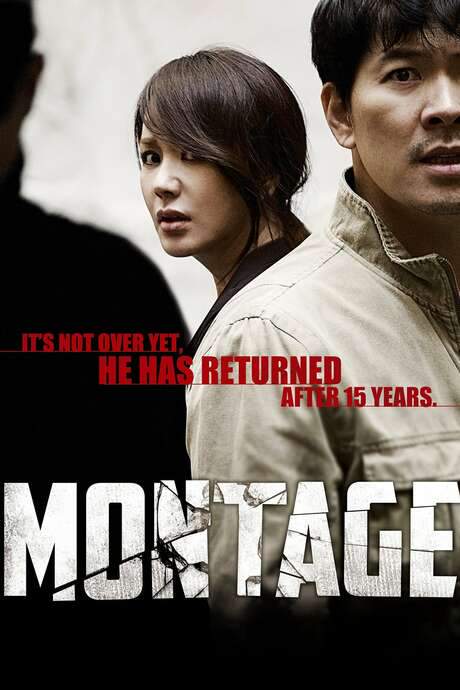
Fifteen years after a kidnapper vanished without a trace, leaving Seo-jin, La-mi dead, a fresh clue surfaces when a single flower is anonymously left at the old crime scene five days before the case’s statute of limitations expires. A few days later, another kidnapping unfolds, using the same method on a similar target, and the fear that the old wound might reopen shocks the city. The police respond with renewed urgency, pooling their resources to solve the case before the window finally closes.
To confirm the pattern and keep pace with the ticking clock, they call in the veteran detective Chung-ho, Kim Sang-kyung, who recognizes the unmistakable MO and helps the team connect the dots between the two incidents. Under pressure, the investigation tightens its focus as fresh clues appear and old witnesses are re-interviewed, revealing a trail that points toward a long-buried link to the original case. The team is driven by the memory of the past and the fear that history might repeat itself.
The investigation is led by Chief Detective Shin, Lee Jun-hyeok, who coordinates a tight-knit group of detectives—including the sharp-eyed Detective Kang Jo Hee-bong and the methodical Detective Choi Jung Hae-kyun—as they piece together timelines, ransom notes, and aftercare patterns. A startling revelation shifts the entire case: Seo-jin’s grandfather, Han, Song Young-chang, was the perpetrator of the first kidnapping. This fact reframes decades of pain and questions, especially as the mother, Ha-kyung, Uhm Jung-hwa, resolutely acts to force a confession by kidnapping Han’s granddaughter using the same disturbing MO. Her actions stem from a desire to make the culprit confront his crime and the agony it caused.
As the detectives dig deeper, they uncover that the motive behind the initial abduction was to raise ransom money to pay for his daughter’s heart surgery, and Seo-jin’s death was later determined to be an accident—she fell to her death while trying to escape Han. The weight of the truth unfolds in a sequence of confrontations, confessions, and courtroom scrutiny, and Han ultimately confesses to his crime, receiving a prison sentence of fifteen years. In the end, those who carried the burden of the long-unsolved case find a measure of closure, and the families touched by the tragedy begin to heal from the long shadow it cast.