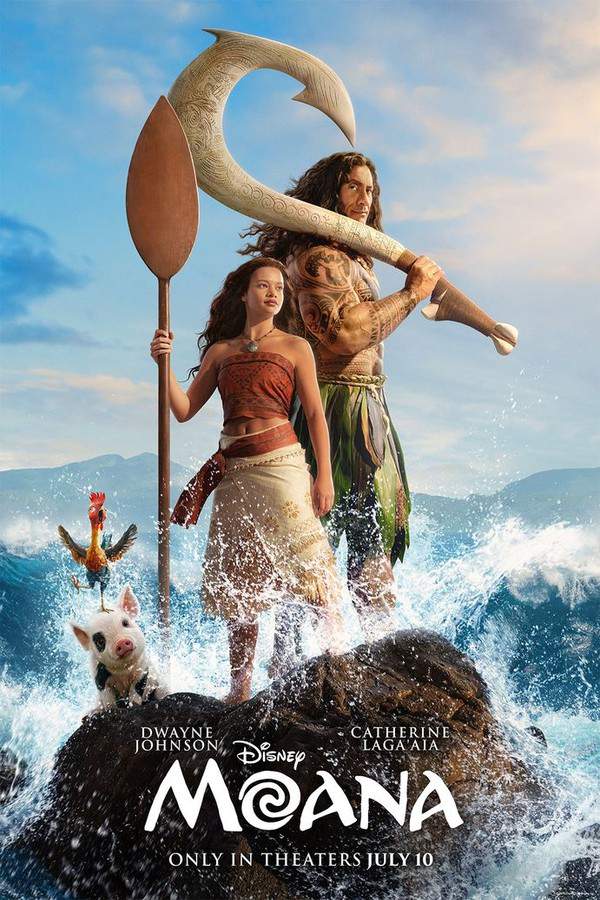
Moana, voiced by Catherine Lagaʻaia, heeds the Ocean’s call and, for the first time, leaves the safety of Motunui’s reef. Joined by the charismatic demigod Maui, played by Dwayne Johnson, she embarks on an unforgettable quest across the open sea to bring back prosperity to her island and its people.
Find where to stream, rent, or buy Moana (2026) in the US with current JustWatch availability, up-to-date pricing, and platform listings for subscription, rental, and digital purchase options.
Warning: spoilers below!
Haven’t seen Moana yet? This summary contains major spoilers. Bookmark the page, watch the movie, and come back for the full breakdown. If you're ready, scroll on and relive the story!
Read the complete plot breakdown of Moana (2026), including all key story events, major twists, and the ending explained in detail. Discover what really happened, and what it all means.
Long ago on the Polynesian island of Motunui, the people worship Te Fiti, the goddess of nature—a living island whose heart powers the ocean. The heart rests in a precious pounamu stone, the source of Te Fiti's life-giving energy. Maui, the shape-shifting demigod of the wind and sea and master of wayfinding, steals Te Fiti's heart and grants humanity the power of creation. Te Fiti disintegrates, and Maui is forced to flee as Te Kā, a volcanic demon, rises in anger. The world fractures as Maui loses both the heart and his magic fish hook to the depths of the sea, slipping away from the shoreline and from memory.
A thousand years pass, and the ocean chooses Moana, the daughter of Motunui's chief Chief Tui and Sina, to restore Te Fiti's heart. Yet the island’s leaders try to shield her from the truth of the sea, hoping she will follow a path toward becoming the island’s chief. Sixteen years later, Motunui is blighted—vegetation withers and the fish supply dwindles. Moana senses a deeper call and a need to venture beyond the reef, even as her parents urge caution. She longs for a life on the water, and her curiosity grows into a quiet insistence to find a way to heal the land.
Moana’s longing leads her toward the sea, even though the old ways seem closed. She sets out with her pet pig, Pua, and an adventurous spark, but a powerful tide pushes her toward shipwreck before she can cross the reef. In a secret cavern of ancient ships, Moana’s grandmother, Tala, reveals Motunui’s lost voyaging past and explains that Maui’s theft of Te Fiti’s heart set off a chain of darkness that keeps the ocean unsafe. Tala also makes clear that Te Kā’s creeping shadow can be cured only if Moana can seek out Maui and convince him to restore Te Fiti’s heart. With those words, Tala, though gravely ill, pushes Moana toward a fate she has always felt inside her.
Empowered by the ocean’s gift—the heart—Moana receives the blessing to pursue her destiny. Tala’s final wisdom helps her gather courage, and she sails from the cavern aboard a camakau, accompanied by her loyal, if dimwitted, rooster Heihei. A typhoon hurls her across the sea, and she ends up on another island where Maui is stranded, still wary of facing the past. She confronts him, insisting that his power can be used for good, and though he hesitates, he is won over by her determination and joins her on the voyage. Their uneasy partnership marks a turning point as they navigate new dangers together.
The pair are pursued by coconut pirates, the Kakamora, who crave Te Fiti’s heart and test the limits of Moana’s resolve. After eluding the attackers, Moana and Maui learn there is a larger hurdle to overcome: Maui must reclaim his lost fishhook from Tamatoa, a gleaming, gleeful giant coconut crab who dwells in Lalotai, the Realm of Monsters. While Moana distracts Tamatoa with her quick wits, Maui retrieves the hook, only to discover he can no longer control his shape-shifting the way he once did. He is overpowered by Tamatoa, but Moana’s courage and quick thinking help them escape. Maui opens up about his past, revealing that his first tattoo marks the day his human parents abandoned him and that the gods granted him his powers out of pity. Inspired by Moana, Maui agrees to teach her the art of wayfinding, and the two begin to truly trust one another as partners.
They press onward toward Te Fiti’s island, but Te Kā is waiting, dark and consuming. Moana refuses to turn back, and the confrontation with Te Kā leaves Maui’s fishhook badly damaged. Fearing another loss, Maui abandons Moana, and her hope falters as the ocean briefly takes the heart away—from Moana’s hands and toward the vast blue. Yet Tala’s spirit returns in a moment of resolve, reminding Moana of her true calling. With that renewed resolve, Moana retrieves the heart and sets a course back toward Te Fiti, trusting the ocean to guide her.
Maui, changed by Moana’s faith in him, reappears just in time to buy Moana space and time to reach Te Fiti. He fights Te Kā to give her a chance, even as his hook is destroyed in the struggle. Moana realizes—through a revelation about Te Kā—that Te Kā is Te Fiti, corrupted in her absence. The ocean parts, clearing a path for Moana as she makes for Te Fiti with the heart. She returns the heart to Te Fiti, and the goddess heals the ocean and the islands, restoring life to the seas.
Maui apologizes to Te Fiti, who in turn repairs his hook and Moana’s boat before sinking back into the earth and becoming, in a sense, a new island. Moana bids farewell to Maui and Te Fiti, then returns home to reunite with her parents. She places a shell atop the stacked stones that mark the lineage of Motunui’s chiefs, signaling her new role as chieftess and wayfinder. With the path ahead opened and the ocean once again a source of life, Moana takes up leadership of her people, guiding them back to their ancient voyaging, accompanied by Maui as a vigilant companion and ally.
Last updated: August 25, 2026 at 00:23
Explore frequently asked questions about Moana (2026) with spoiler-rich answers covering the full plot summary, major story beats, character motivations, hidden details, and ending meaning. This movie summary FAQ helps explain confusing scenes, plot twists, and narrative decisions in clear, searchable detail.
Maui stole Te Fiti's heart to grant humanity the power of creation, believing it would elevate and empower the people of the world. His intention was not malicious in origin, he acted as a demigod sharing divine power, but the theft shattered Te Fiti's form, unleashed Te Kā, and triggered a thousand years of blight across the ocean, including the collapse of Motunui's voyaging tradition.
Maui's later confession that his first tattoo marks the day his human parents abandoned him hints that his need to prove his worth drove the theft as much as generosity did.
Te Kā is the volcanic demon that arose when Te Fiti's heart was taken. Moana ultimately realizes that Te Kā is not a separate monster but Te Fiti herself, corrupted and raging because her heart was missing. Restoring the heart does not defeat Te Kā so much as heal Te Fiti, which is why the confrontation ends in restoration rather than destruction.
Earlier scenes establish that the darkness spreading from Te Fiti's island mirrors the decay on Motunui, hinting that the two are symptoms of the same wound.
The ocean itself selected Moana because she is the daughter of Motunui's chief and a direct descendant of the island's ancient voyagers. Motunui's people were once wayfinders who stopped sailing after Maui lost the heart, so the ocean chose a child of that lineage to undo the damage and revive the voyaging tradition. Moana's personal longing for the sea only confirms what the ocean already recognized in her bloodline.
Moana's habit of wandering toward the water and her instinctive comfort on the ocean foreshadow the ocean's eventual claim on her long before Tala explains her destiny.
Chief Tui and Sina believed the safest path for Moana was to become the island's next chief, following the cautious traditions Motunui had adopted after voyaging stopped. They had watched the ocean grow dangerous and the fish supply dwindle, and they feared losing their daughter to the same waters that had taken generations of sailors. Their resistance was rooted in love and a desire to protect the lineage they still had.
Tui's own discomfort with the sea, and his insistence on staying inside the reef, mirrors the way Motunui's leaders had quietly buried their voyaging past.
Maui fled because Te Kā badly damaged his fishhook, the source of his demigod power, and he was terrified of losing it the way he had lost it a thousand years before. The hook represents his identity and his worth, and watching it crack under Te Kā's assault triggered the same abandonment panic he felt as a child. Moana is left on her own until he regains the courage to return and buy her time.
Maui's story about being abandoned as a child reveals that loss makes him self-protective, foreshadowing the moment he chooses the hook over Moana.
The hidden cavern beneath Motunui is a graveyard of ancient voyaging canoes, proof that Moana's people were once great wayfinders who sailed across the entire ocean. Tala reveals this secret to show Moana that her longing for the sea is not a deviation from her heritage but a return to it. The cavern reframes Motunui's identity and gives Moana the cultural permission she needs to set sail.
Earlier hints that Motunui's reef was once a launching point for ocean voyages only become clear when the cavern is finally opened.
Maui's shape-shifting power is stored in his fishhook, and after a thousand years at the bottom of the sea the hook's connection to him had weakened. When he finally reclaimed it from Tamatoa, the link was no longer seamless, so his transformations were clumsy and incomplete. The deficiency mirrors the deeper damage done when he first lost the hook along with Te Fiti's heart.
Maui admits early on that he has been without his hook for centuries, foreshadowing that simply finding it would not be enough to restore him fully.
After Maui abandoned her at Te Fiti's island, Moana's hope collapsed and she almost gave up, so the ocean pulled the heart from her hands to test whether she would still pursue the mission on her own. The moment forces Moana to choose her destiny without Maui's strength to lean on. Tala's spirit then returns to remind her of who she is, and only then does the ocean return the heart.
The ocean's earlier willingness to give Moana the heart only after Tala confirms her readiness foreshadows that it can also withhold it if she wavers.
Motunui's crops wither and its fish vanish because the ocean's life-giving power flows from Te Fiti's heart, and that heart has been missing for a thousand years. Without it, the waters grow dangerous, voyaging stops, and the entire island ecosystem begins to collapse. Healing the island therefore requires not a local solution but the restoration of Te Fiti herself.
Tala's warning that the blight is tied to Maui's ancient theft links the failing island to events Moana has not yet witnessed.
After stealing Te Fiti's heart, Maui was attacked by Te Kā and forced to flee, and in the chaos the heart and his fishhook both fell into the depths of the sea. He escaped alive but stripped of his power, and for the next thousand years the hook drifted through the ocean until it ended up in Tamatoa's treasure hoard in Lalotai. That single loss is what begins the long unraveling of both Maui's identity and the world's balance.
Maui's shame about the theft and his hesitation to revisit the story foreshadow that the loss of the hook was more than a setback, it was the wound that defined him.
The stacked stones at Motunui mark the lineage of past chiefs, and adding a shell is the traditional act of formally assuming that role. By placing the shell herself, Moana declares that she is ready to lead her people, and she does so while also reopening the voyaging path that had been closed for a millennium. The gesture fuses her two identities, daughter of chiefs and wayfinder, into one.
Tala's earlier teaching about Motunui's voyaging past sets up the idea that true leadership means restoring what was lost, not just inheriting the title.
The Kakamora are coconut pirates who sense the immense power radiating from Te Fiti's heart and want to take it for themselves. Their ambush is a test of how far Moana is willing to go to protect the heart, and surviving it cements her resolve to continue the quest. The encounter also forces Maui to work alongside Moana instead of looking out only for himself.
Maui's warning that the ocean is full of things drawn to Te Fiti's power foreshadows that the Kakamora will not be the only ones tempted by it.
Discover curated groups of movies connected by mood, themes, and story style. Browse collections built around emotion, atmosphere, and narrative focus to easily find films that match what you feel like watching right now.
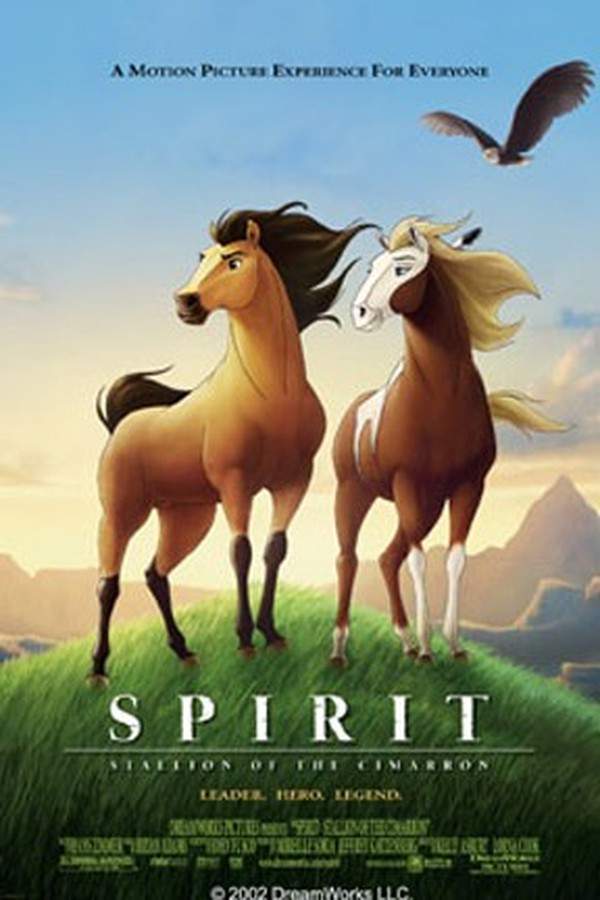
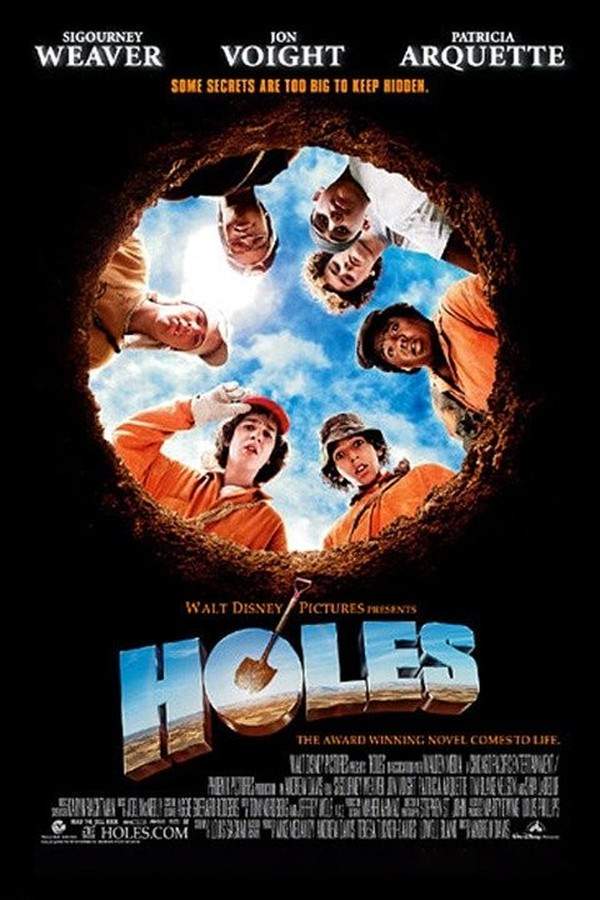
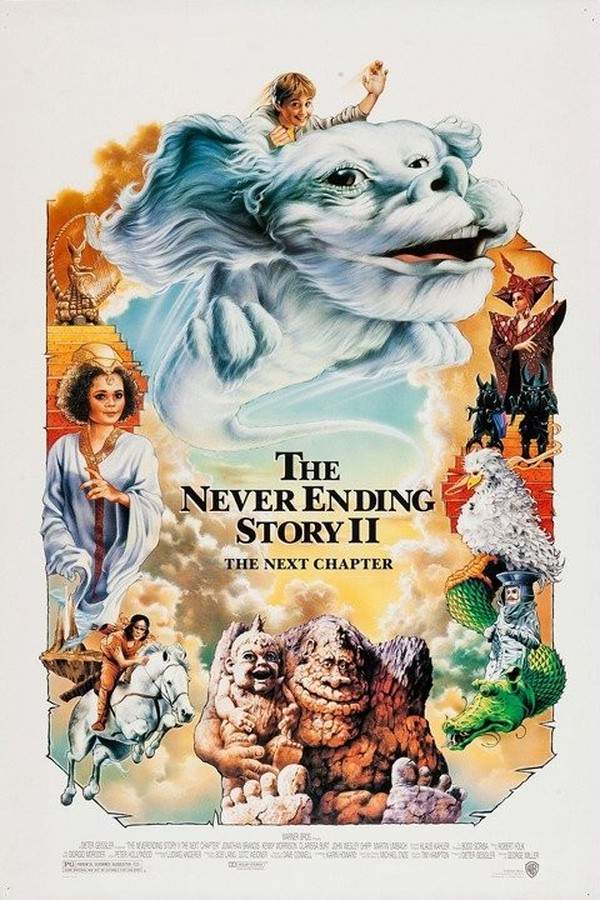
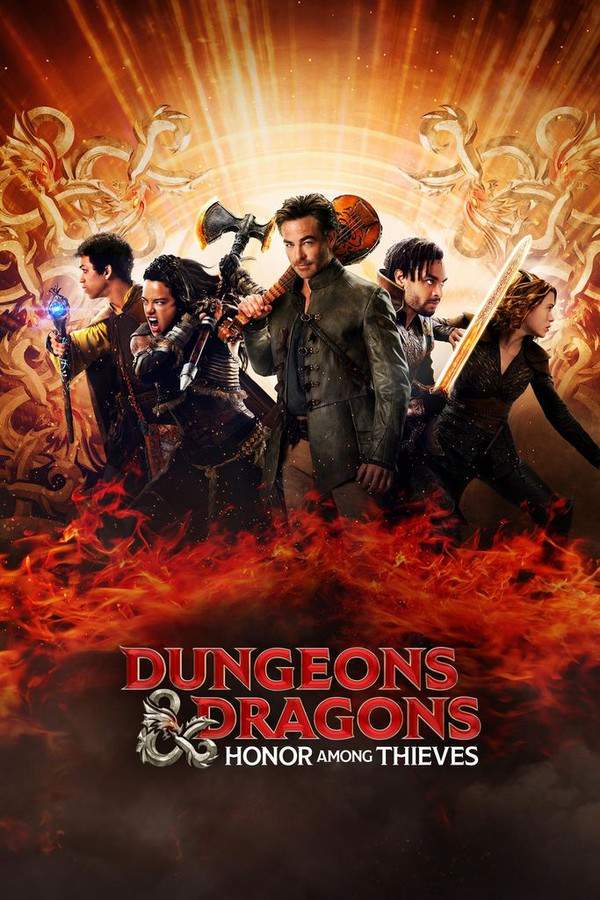
Heroic journeys across legendary seas to heal a broken world and find yourself. If you loved Moana, discover more movies like this hopeful mythic quest. These films follow brave heroes on sweeping journeys across legendary seas and ancient worlds, blending magical creatures, cultural mythology, and epic challenges with a warm, uplifting resolution that restores balance to the land and its people.
A young or reluctant hero receives a calling tied to an ancient prophecy or wounded land, teams up with a charismatic but flawed companion, and crosses a vast and dangerous frontier in stages. Along the way they face mythic adversaries, uncover hidden truths about the world's past, and learn that the power to heal was inside them all along. The climax reunites the hero with their community in a moment of restoration rather than destruction.
These films share a sense of grand mythic stakes paired with an unmistakably hopeful emotional core. They lean into cultural or invented mythology, feature episodic quest structures with memorable set-pieces, and resolve with healing, reunion, and renewal rather than tragedy. The blend of danger, wonder, humor, and warmth gives them a family-friendly epic feel.
Young heroes step into their power, find their voice, and lead their people forward. Looking for movies like Moana? These empowering coming-of-age adventures follow young heroes who leave home, face daunting trials, and discover the leader within. Featuring humor, heart, found family bonds, and a triumphant return, these films celebrate courage, self-discovery, and the moment a young person finds their true calling.
A young protagonist begins in a sheltered or constrained life, then is drawn outward by a personal calling or crisis. They team up with a more experienced, often comedic partner whose own wounds mirror their own, and through a series of escalating challenges they learn humility, courage, and responsibility. By the final act they have not only solved the external problem but also stepped into leadership within their community, returning home changed but rooted.
These stories center the inner journey of a young hero whose growth is the real engine of the plot. They share a spirited, hopeful tone, balance humor with emotional beats, and feature a found-family bond between the protagonist and a charismatic ally. The pacing shifts between quieter moments of self-doubt and bigger action sequences, all building toward an empowering, triumphant resolution.
Don't stop at just watching - explore Moana in full detail. From the complete plot summary and scene-by-scene timeline to character breakdowns, thematic analysis, and a deep dive into the ending - every page helps you truly understand what Moana is all about. Plus, discover what's next after the movie.
Track the full timeline of Moana with every major event arranged chronologically. Perfect for decoding non-linear storytelling, flashbacks, or parallel narratives with a clear scene-by-scene breakdown.
Discover the characters, locations, and core themes that shape Moana. Get insights into symbolic elements, setting significance, and deeper narrative meaning - ideal for thematic analysis and movie breakdowns.