Plot Explained Spoilers guaranteed!
Plot Explained

Browse by genre

Midnight Hair (2014) movie poster

Timeline

Midnight Hair (2014) Timeline Explained – Every Event in Order

Release, runtime and language
2014 · 94 mins · Chinese
Directed by
Liu Ning
Starring
Li Wei, Daniella Wang, Ermayna, Yang Zitong, Xuan Lu

A young couple seeking a fresh start relocates to a secluded mountain villa, but their tranquility is shattered by increasingly disturbing paranormal occurrences. As they investigate the source of the hauntings, they uncover a dark secret from their past that threatens to consume them. The couple must confront their history to survive the escalating terror within the villa.

On this page (4)
  1. 1 Events in order (13)
  2. 2 Timeline questions answered
  3. 3 Movie threads
  4. 4 Every angle

13 events in order · contains spoilers

Midnight Hair Timeline: Events in Chronological Order

Every key event of Midnight Hair (2014) in order, scene by scene, with when and where it takes place. Use it to untangle flashbacks, time jumps and parallel storylines, to refresh your memory before the sequel or to find the exact scene you are thinking of.

  1. Move to secluded mountainside villa

    Mu Li Wei moves with his pregnant wife Le Xiaomei to a secluded mountainside villa owned by his friend A Ming. The house is decorated with odd paintings of two boys playing a string game, and there is a locked room that A Mu insists belongs to A Ming. They settle in, and the quiet mountainside begins to feel unnervingly oppressive.

    When
    Opening
    Where
    Mountainside villa
  2. Unsettling phenomena begin

    Strange phenomena haunt the couple: a red doll seems to stalk Xiaomei, a music tape repeats the string game song, and a ghostly woman in a long white dress appears with hair obscuring her face. The red doll is disposed of by A Mu at Xiaomei's request, yet the paintings keep reappearing on the walls. A Mu also notices a woman in black robes watching him on his way to work, and the presence lingers in the corners of daily life.

    When
    Early days
    Where
    Villa
  3. Visit to the orphanage and new revelation

    The couple visits the orphanage where A Mu grew up to raise funds and learns about Xiaoshan, a quiet isolated orphan who died at age ten and was connected to A Mu's past. The story hints at a shared history between the two boys and foreshadows the secrets that will surface.

    When
    Day of fundraising
    Where
    Orphanage
  4. Threatening boxes and cameras

    After a series of threatening boxes are left at their doorstep, A Mu installs security cameras around the house to monitor for danger. The couple's fear grows as they feel watched and isolated in the villa.

    When
    Following boxes
    Where
    Villa
  5. Cloaked figure on footage

    That night, Xiaomei reviews the security footage and sees a cloaked figure leaving the premises. Spurred by fear, she breaks into A Ming's room to search for clues about the figure and the hidden past.

    When
    Night
    Where
    Villa
  6. Discovery and miscarriage

    In A Ming's room, Xiaomei discovers more paintings of the two boys and the disposed red doll, linking the present to the past. She is unnerved by the woman in white and, during a struggle, tugs at the woman's hair, slipping and falling down the stairs and suffering a miscarriage.

    When
    Night
    Where
    A Ming's room
  7. Pushing for truth about Qingqing

    Back home after the hospital stay, Xiaomei presses A Mu to reveal the truth about Qingqing, a fellow orphan who had been close to him and later left him for a wealthy man. His answers begin to unravel a tangled history that binds their fates together.

    When
    After miscarriage
    Where
    Villa
  8. Qingqing's murder and the midnight warning

    Xiaomei learns that Qingqing was killed by A Ming, who justifies the act as retribution for her unfaithfulness and shows her the body the night before. She also receives another box warning not to comb hair at midnight, a superstition tied to Qingqing.

    When
    Night before midnight
    Where
    A Ming's room / Villa
  9. Midnight hair comb summons the white-dressed woman

    When Xiaomei does comb her hair at midnight, she summons the white-dressed woman, who reveals that A Ming does not exist.

    When
    Midnight
    Where
    Villa
  10. A Ming is actually Xiaoshan

    From the orphanage files, Xiaomei learns that 'A Ming' is actually Xiaoshan, the son of two imprisoned thieves who were friends with A Mu. The dean protected A Mu, her grandson born out of wedlock, before dying of a heart attack while offering offerings for A Ming.

    When
    Past revelation
    Where
    Orphanage
  11. Yu Xiaohan appears and haunts for confession

    The woman in white appears to Xiaomei as Yu Xiaohan, Qingqing's younger half-sister, apologizing for the miscarriage. She explains that she wants Mu Kainan, A Mu's real name, to confess to Qingqing's murder and haunts him to coax the truth, claiming that people will tell the truth when frightened.

    When
    After reveal
    Where
    Hospital / Haunting
  12. Identity clash and final doom

    A Mu's struggle becomes a battle between identities as he drifts between A Mu and A Ming. In the Ming persona, he overpowers Xiaomei and seems to be implicated in Qingqing's murder and his grandmother's death, but memories of their relationship restrain him, and he ultimately decides to end his life to stop himself from harming Xiaomei further.

    When
    Climax
    Where
    Villa
  13. Final encounter and uncertain fate

    In the wake of the revelations, Xiaomei visits Yu Xiaohan in hospital to tell her that A Mu left money for Qingqing and Xiaohan to cover their bills and that she is not alone anymore. She then returns to A Mu’s orphanage and encounters a new girl, Yangyang, carrying the red doll. Yangyang sings the string game song, and a hand reaches out to grab the doll as the film cuts to black.

    When
    Epilogue
    Where
    Hospital, then orphanage

Last updated: October 03, 2025 at 10:34

Was this helpful?

Timeline questions answered

Midnight Hair Timeline Explained: Your Questions Answered

When does it happen, and why in that order? The questions people ask about the chronology of Midnight Hair (2014): time jumps, flashbacks, cause and effect between scenes and the correct order of events, each answered with spoilers.

Q1

Who is A Ming and what is his connection to A Mu?

A Ming is actually Xiaoshan, an orphan who was A Mu's childhood friend at the orphanage. The two boys were close, but Xiaoshan died at age ten. The twist reveals that A Mu developed dissociative identity disorder, creating the 'A Ming' persona to cope with his trauma. In reality, A Mu has been living as both A Mu and A Ming throughout the story.

Foreshadowing: Early in the film, A Mu insists the locked room belongs to A Ming, yet no one else ever sees this friend.

  • a ming
  • a mu
  • xiaoshan
  • dissociative identity
  • orphanage
Q2

Why does the woman in white haunt Xiaomei and A Mu?

The woman in white is Yu Xiaohan, Qingqing's younger half-sister. She haunts the couple to force Mu Kainan (A Mu's real name) to confess to Qingqing's murder. Xiaohan believes people will tell the truth when frightened, so she uses paranormal terror as a tool to extract his confession. She apologizes to Xiaomei for causing the miscarriage, explaining it was an unintended consequence of her revenge campaign.

Foreshadowing: The boxes left at the doorstep warn 'do not comb hair at midnight,' a superstition tied to Qingqing.

  • yu xiaohan
  • woman in white
  • haunting
  • qingqing
  • confession
Q3

Why does Xiaomei lose her baby?

Xiaomei suffers a miscarriage after falling down the stairs during a struggle with the woman in white. While searching A Ming's room for clues about the cloaked figure, she encounters the ghost, becomes frightened, and in the panic, tugs at the woman's hair before slipping and falling. The trauma from the fall causes her to lose the unborn child.

Foreshadowing: The haunting intensifies with the ghostly woman appearing more frequently before this confrontation.

  • miscarriage
  • xiaomei
  • fall
  • woman in white
  • pregnancy
Q4

What was the relationship between A Mu and Qingqing?

Qingqing was a fellow orphan who was close to A Mu during their childhood at the orphanage. She later left him for a wealthy man, betraying their relationship. A Ming (operating through A Mu's dissociative identity) killed Qingqing as retribution for her unfaithfulness, viewing it as justified revenge. A Mu later admits responsibility for the murder, and Yu Xiaohan seeks confession for this crime.

Foreshadowing: Xiaomei finds threatening boxes arriving at the villa, and Qingqing's body is revealed before the midnight warning.

  • qingqing
  • betrayal
  • murder
  • orphanage
  • wealthy man
Q5

What is the significance of the red doll in the film?

The red doll serves as a supernatural anchor connecting the past and present. It appears throughout the villa, seemingly stalking Xiaomei. When disposed of, it mysteriously reappears. The doll is tied to the orphanage and the string game that A Mu and Xiaoshan played as children. In the epilogue, a new girl named Yangyang carries the red doll and sings the string game song, suggesting the cycle of trauma continues.

Foreshadowing: The paintings in the villa depict two boys playing the string game, linking the doll to this childhood activity.

  • red doll
  • string game
  • orphanage
  • paintings
  • yangyang
Q6

Why is Xiaomei warned not to comb hair at midnight?

The warning 'do not comb hair at midnight' is a superstition tied to Qingqing. When Xiaomei disregards this warning and combs her hair at midnight, she successfully summons the woman in white. This act of defying the superstition triggers the ghost's appearance, leading to the revelation that A Ming does not exist as a separate person.

Foreshadowing: The threatening boxes specifically contain this warning before Xiaomei receives it.

  • midnight
  • comb hair
  • superstition
  • qingqing
  • warning
Q7

Why does A Mu decide to end his life?

A Mu kills himself to prevent himself from harming Xiaomei further. As he drifts between his A Mu and A Ming identities, the Ming persona overpowers him and attempts to kill Xiaomei. However, memories of their relationship restrain him from completing the act. To ensure he can never harm her again, A Mu chooses suicide as the only way to stop the A Ming persona from hurting the person he loves.

Foreshadowing: The film shows A Mu struggling between identities, with the Ming persona becoming increasingly violent.

  • suicide
  • a mu
  • a ming
  • self-sacrifice
  • identity
Q8

Why do the paintings keep reappearing on the walls?

The paintings of two boys playing a string game are tied to A Mu's traumatic childhood memories with Xiaoshan at the orphanage. As A Mu's mental state deteriorates and the A Ming persona takes control, the paintings reappear no matter how many times Xiaomei removes them. This supernatural phenomenon reflects the unresolved trauma and the emergence of the dissociative identity.

Foreshadowing: The locked room that A Mu claims belongs to A Ming contains the original paintings.

  • paintings
  • string game
  • orphanage
  • trauma
  • reappearing
Q9

What happened to the orphanage dean and why was A Mu saved?

The orphanage dean was A Mu's grandmother, who bore him out of wedlock. When the two boys (A Mu and Xiaoshan) were imprisoned in a locked room as punishment for robbery and escaped through the roof, the dean chose to save A Mu because he was her grandson. She then died of a heart attack, her face burned in the process. The dean had been making offerings for Xiaoshan, suggesting guilt over choosing A Mu.

Foreshadowing: A Mu grew up at the orphanage, and the film hints at his special status.

  • orphanage dean
  • grandmother
  • heart attack
  • roof escape
  • offerings
Q10

What does the ending with Yangyang and the red doll imply?

The ending suggests the cycle of haunting and trauma may continue. Xiaomei returns to the orphanage and encounters a new girl, Yangyang, who carries the red doll and sings the string game song. A hand reaches out to grab the doll as the film cuts to black, implying another child may become entangled in the same supernatural cycle. However, Xiaomei's final act of offering support to Yu Xiaohan and leaving money suggests some hope for breaking the chain.

Foreshadowing: The red doll has been passed between characters throughout the film, always returning.

  • yangyang
  • ending
  • red doll
  • cycle
  • orphanage

Movie threads

More Movies Like Midnight Hair, by Mood & Story

Curated lists built around what makes Midnight Hair tick: the same mood, the same kind of story or the same emotional payoff. Each list explains why these movies belong together.

Slow burn psychological horror movies like Midnight Hair

Stories where quiet tension slowly suffocates the characters in a psychological nightmare. If you liked the steadily mounting tension and psychological torment in Midnight Hair, these movies offer a similar experience. This collection features psychological horror and thrillers with a slow, deliberate pacing that builds an overwhelming sense of dread and paranoia.

  • slow burn
  • unsettling
  • psychological
  • oppressive
  • paranoid
  • gripping
  • Tone: dark, oppressive, unsettling
  • Pacing: steady, slow burn
Why these movies?

The story pattern: Narratives in this thread typically begin with a deceptively calm setting that is gradually corrupted by subtle, then increasingly severe, paranormal or psychological disturbances. The protagonists' reality unravels as they investigate, often uncovering a dark personal or historical secret that fuels the horror.

Why they belong together: These films are grouped together by their shared commitment to a slow, steady pacing that prioritizes atmospheric dread over fast-paced action. They create a deeply unsettling and paranoid viewing experience through a focus on psychological collapse and a methodical escalation of tension.
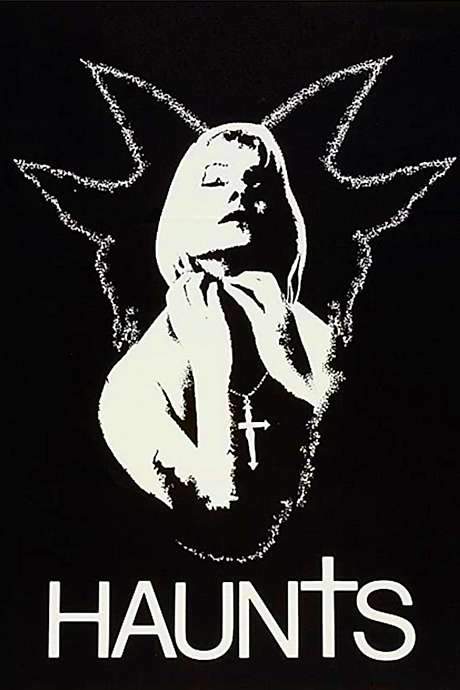
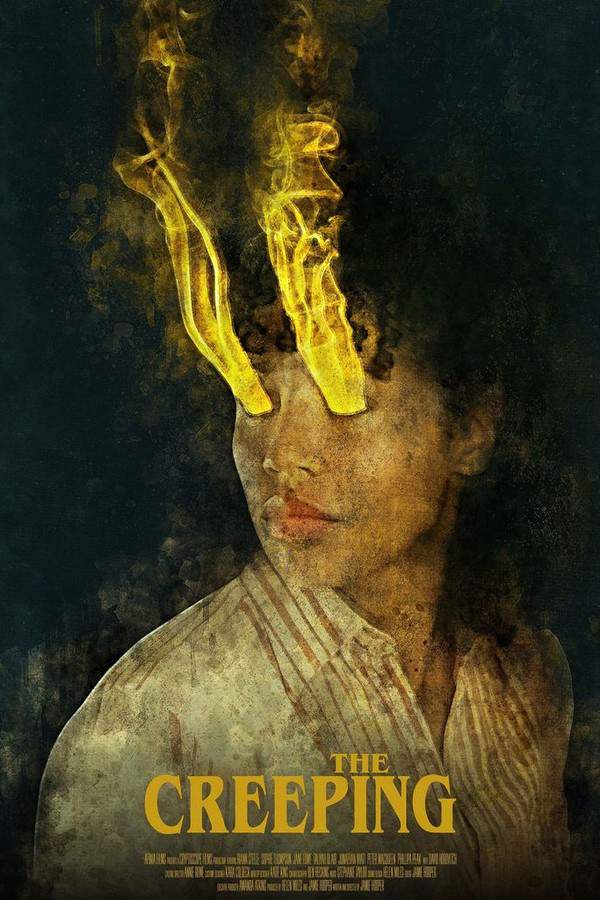
Movies about haunted pasts and psychological unraveling like Midnight Hair

Characters are forced to confront repressed trauma that manifests as supernatural terror. For viewers who appreciated Midnight Hair's exploration of repressed childhood trauma and its supernatural consequences. These similar films focus on characters whose psychological demons materialize as literal hauntings, leading to a tense investigation of a dark personal history.

  • psychological
  • unraveling
  • melancholic
  • somber
  • anxious
  • gripping
  • Tone: dark, melancholic, somber
  • Pacing: steady, investigative
Why these movies?

The story pattern: The narrative pattern involves protagonists seeking a fresh start, only to be haunted by phenomena that are eventually revealed to be tied directly to their own past actions or trauma. The story becomes a journey of investigation and self-confrontation, where surviving the external threat requires first surviving the internal one.

Why they belong together: Movies in this thread share a core thematic focus: the externalization of internal psychological pain. They blend supernatural horror with deep character studies, creating a heavy emotional weight as characters are forced to face the sins and sorrows they tried to forget.

Every angle

Midnight Hair (2014) Explained: Plot, Timeline & Characters

Everything about Midnight Hair in one place: what happens in the plot summary, the timeline in chronological order, the characters and meaning and a spoiler-free summary. What's After the Movie adds the cast, box office and post-credit scenes.

Coming soon on iOS and Android

The Plot Explained Movie Summary App

Plot summaries, endings explained and timelines on your phone. Catch up on any movie in minutes, save your favorites and never miss a twist again.

Be the first to know when we launch. Your email stays private, always.

Learn more about the app