


Plot Explained Spoilers guaranteed!
Plot Explained

Browse by genre

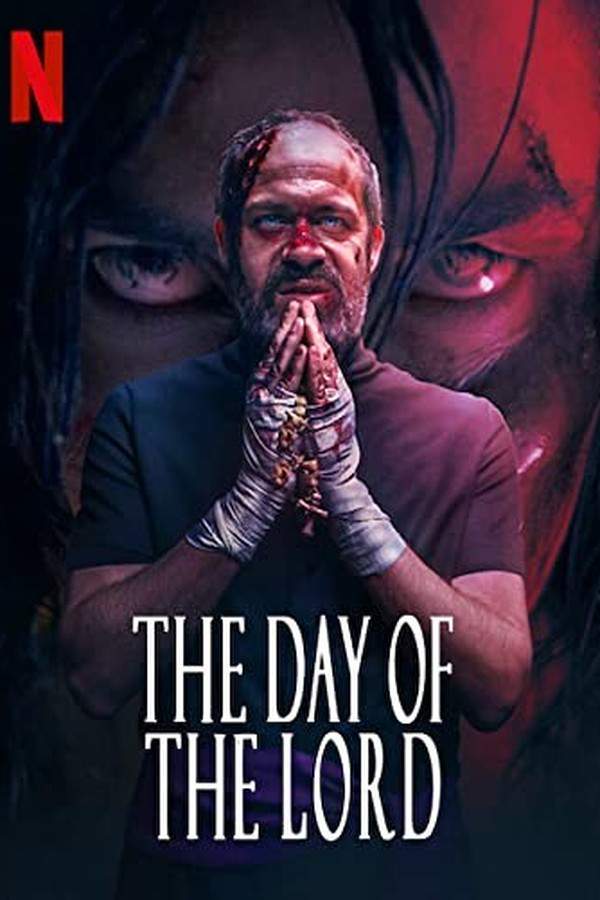
The Day of the Lord (2020) movie poster

Characters & Themes

The Day of the Lord (2020) Characters, Setting & Themes Explained

Release, runtime and language
2020 · 93 min · Spanish
Echo score 38
JustWatch #23,825 3
Directed by
Santiago Alvarado Ilarri
Starring
Dolores Heredia, Hector Illanes, Juli Fàbregas, Oscar Gordillo, Ximena Romo

A troubled father turns to a disillusioned former priest, Menéndez, hoping for guidance and salvation. However, Menéndez is wrestling with his own lost faith and haunted by his past. As the two men navigate their struggles, they confront a growing darkness, blurring the lines between faith, despair, and the unknown.

On this page (8)
  1. 1 Where to watch
  2. 2 Characters explained (4)
  3. 3 Where & when it takes place
  4. 4 Themes & meaning (3)
  5. 5 Character & meaning questions
  6. 6 Movie threads
  7. 7 Movies like The Day of the Lord
  8. 8 Every angle

Where to watch

Where to Watch The Day of the Lord (2020)

Where can you watch The Day of the Lord? Stream, rent or buy it in the US, including on Netflix and Netflix Standard: current JustWatch availability with up-to-date prices.

Streaming availability powered by JustWatch

4 main characters · contains spoilers

The Day of the Lord Characters Explained: Who Is Who

The main characters of The Day of the Lord (2020), heroes and villains: what drives them, how they change over the course of the story and what each of them reveals about the film's bigger ideas.

  • Menéndez (Juli Fàbregas)

    Menéndez is a former priest tormented by his past mistakes, particularly the death of a young boy during an exorcism. His character is marked by a struggle between his fading faith and the desire for redemption as he faces the demons of both the spiritual and personal kind.

    • 🧔🏽 Priest
    • 💔 Guilt
  • Marisa (Dolores Heredia)

    Marisa serves as a source of comfort and emotional support for Menéndez, embodying compassion despite her tragic loss. Her nurturing presence juxtaposes the chaos of Menéndez's life and showcases her strength derived from forgiveness and understanding.

    • 🤲 Forgiveness
    • 💖 Compassion
  • Sebas (Hector Illanes)

    Sebas is a friend from prison who reaches out to Menéndez, believing his daughter may be possessed. His desperation and emotional turmoil drive the narrative forward, leading to darker paths as their exorcism attempts spiral out of control.

    • 👨‍👧 Fatherhood
    • 🔦 Desperation
  • Raquel (Ximena Romo)

    Raquel, portrayed as rebellious and defiant, challenges Menéndez's authority and beliefs. Her interactions reveal her struggle against perceived possession, offering layers to her character as both a victim and a resilient spirit.

    • 👩‍🎤 Rebellious
    • 😈 Defiance

Last updated: October 22, 2024 at 21:36

Was this helpful?

Setting

Where and When Does The Day of the Lord Take Place?

The setting of The Day of the Lord (2020): the year and time period, the places and locations, and how they shape the characters, the mood and the tension of the story.

Time period

The film does not specify a particular historical era, focusing instead on the contemporary struggles of the characters. The themes of guilt, redemption, and faith highlight personal and moral dilemmas that resonate across time.

Location

Prison, Men's residence

The movie unfolds in the contrasting settings of a prison and Menéndez's new place of residence. The prison symbolizes the consequences of Menéndez's past actions, while his residence becomes a place of turmoil and confrontation with his inner demons, as well as interactions with significant characters like Marisa and Sebas.

  • 🏢 Location
  • 🔒 Prison

Last updated: October 22, 2024 at 21:36

Was this helpful?

3 major themes

The Day of the Lord Meaning: Themes & Message Explained

What is The Day of the Lord (2020) really about? The emotional, social and philosophical themes the film keeps returning to, its symbolism and the message beneath the surface.

  • Guilt and Redemption

    Menéndez grapples with overwhelming guilt stemming from his past, particularly the death of a boy during an exorcism. This theme is intricately linked to his ongoing quest for redemption, as he seeks to confront both his guilt and the demonic forces that reflect his inner turmoil.

  • Possession

    The theme of demonic possession is pivotal to the narrative, as Raquel's alleged possession leads Menéndez to question his beliefs and morality. The struggle against the demon showcases the complexities of faith and the lengths one might go to rescue a loved one from evil.

  • Love and Loss

    Menéndez's relationship with Marisa embodies a profound connection rooted in shared tragedy. Their interactions highlight themes of love, compassion, and the haunting nature of loss as both characters navigate the painful memories of the past.

Last updated: October 22, 2024 at 21:36

Was this helpful?

Character & theme questions

The Day of the Lord Characters & Meaning: Your Questions Answered

The questions people ask about The Day of the Lord (2020): who the characters really are, their relationships, what the symbols mean, where it takes place and what the movie is really about. Each answer contains spoilers.

Q1

Where does the story take place?

The movie unfolds primarily in two contrasting locations: a prison and Menéndez's residence. The prison represents the consequences of Menéndez's past actions, while his home becomes a space of psychological turmoil where he confronts his inner demons and interacts with key characters like Marisa and Sebas.

  • settings
  • locations
  • prison
  • residence
Q2

What time period is the movie set in?

The film is set in the contemporary era with no specific historical date. The lack of a precise time period allows the universal themes of guilt, redemption, and faith to resonate without temporal boundaries, focusing instead on timeless personal and moral dilemmas.

  • time period
  • era
  • contemporary
  • setting
Q3

What is the main theme of guilt and redemption?

Menéndez grapples with overwhelming guilt stemming from his past, specifically the death of a young boy during an exorcism. This guilt drives his ongoing quest for redemption as he faces both spiritual demons and personal turmoil, seeking to atone for his tragic mistake while confronting the demonic forces that mirror his inner conflict.

  • guilt
  • redemption
  • menendez
  • exorcism
Q4

How does possession factor into the narrative?

Demonic possession is central to the story through Raquel, whose alleged possession forces Menéndez to question his beliefs and morality. The struggle against the demon showcases the complexities of faith and the desperate lengths one might take to rescue a loved one from evil.

  • possession
  • demon
  • raquel
  • faith
Q5

What role does love and loss play in the film?

Menéndez's relationship with Marisa embodies a profound connection rooted in shared tragedy. Their interactions highlight themes of love, compassion, and the haunting nature of loss as both characters navigate painful memories, with Marisa's nurturing presence contrasting the chaos of Menéndez's life.

  • love
  • loss
  • marisa
  • tragedy
Q6

Who is Menéndez and what motivates him?

Menéndez is a former priest portrayed by Juli Fàbregas who is tormented by his past mistakes, particularly the death of a boy during an exorcism. His character is defined by the struggle between his fading faith and his deep desire for redemption as he faces both spiritual and personal demons.

  • menendez
  • priest
  • faith
  • redemption
Q7

Who is Marisa and what is her significance?

Marisa, played by Dolores Heredia, serves as a crucial source of comfort and emotional support for Menéndez. Despite her own tragic loss, she embodies compassion and forgiveness, providing a stabilizing presence that contrasts with the spiritual chaos surrounding Menéndez.

  • marisa
  • support
  • compassion
  • forgiveness
Q8

Why does Sebas seek out Menéndez?

Sebas, a friend from prison portrayed by Hector Illanes, reaches out to Menéndez because he believes his daughter Raquel may be possessed. His desperation and emotional turmoil drive the narrative forward, leading them down darker paths as their exorcism attempts intensify.

  • sebas
  • raquel
  • desperation
  • father
Q9

What kind of character is Raquel?

Raquel, portrayed by Ximena Romo, is depicted as rebellious and defiant, often challenging Menéndez's authority and beliefs. Her character offers layers as both someone struggling against perceived possession and as a resilient spirit who questions the very nature of the spiritual battle waging around her.

  • raquel
  • rebellious
  • defiant
  • possession
Q10

What are the major themes explored in the film?

The movie explores three interconnected themes: guilt and redemption through Menéndez's quest for atonement; demonic possession as a test of faith and morality; and love and loss as evidenced through the relationships between Menéndez, Marisa, and Sebas. These themes intertwine to create a story about confronting inner darkness.

  • themes
  • guilt
  • possession
  • love
  • faith
Q11

What is the overall tone and mood of the movie?

The film maintains a consistently dark tone focused on themes of lost faith, overwhelming guilt, and confronting evil. The pacing is steady and methodical, moving from Menéndez's internal despair to the external horror of possession, creating psychological and spiritual tension rather than relying on traditional horror jump scares.

  • tone
  • mood
  • dark
  • psychological horror
Q12

How do the contrasting settings contribute to the story?

The prison setting symbolizes the consequences of Menéndez's past actions, representing his guilt and moral imprisonment. His residence becomes a place of turmoil where spiritual and psychological battles unfold. These contrasting environments mirror the internal conflict between his desire for redemption and the demonic forces drawing him back into darkness.

  • settings
  • symbolism
  • prison
  • guilt

Movie threads

More Movies Like The Day of the Lord, by Mood & Story

Curated lists built around what makes The Day of the Lord tick: the same mood, the same kind of story or the same emotional payoff. Each list explains why these movies belong together.

Faith-based horror movies like The Day of the Lord

Stories where characters confront evil while grappling with lost or broken faith. If you liked the spiritual torment and religious horror of The Day of the Lord, explore these movies. They feature protagonists wrestling with faith while confronting demonic forces, blending psychological drama with supernatural terror in an oppressive, heavy atmosphere.

  • oppressive
  • tormented
  • somber
  • uncanny
  • religious
  • psychological
  • Tone: dark, tormented
  • Pacing: steady, methodical
Why these movies?

The story pattern: Narratives in this thread follow a protagonist, often a religious figure, whose belief system is shattered by a personal tragedy or a direct encounter with evil. Their journey is one of psychological descent and brutal spiritual battle, where the line between divine intervention and damnation is blurred.

Why they belong together: These films are grouped by their shared focus on religious trauma, the psychological weight of guilt, and the confrontation with supernatural evil through the lens of a fractured faith. They create a uniquely oppressive and intellectually challenging form of horror.

Psychological torment movies like The Day of the Lord

A steady, claustrophobic build of psychological pressure leading to an uncertain resolution. Find movies similar to The Day of the Lord that deliver a slow, steady burn of psychological torture. These stories feature high emotional weight, claustrophobic tension, and often end on an ambiguous note, leaving a lasting sense of unease.

  • claustrophobic
  • anxious
  • somber
  • psychological
  • unsettling
  • heavy
  • Tone: dark, anxious
  • Pacing: steady, slow burn
Why these movies?

The story pattern: The narrative pattern involves a linear but deeply psychological progression where a character's sanity or morality is systematically tested. The pacing is deliberate, focusing on the gradual erosion of the protagonist's psyche rather than sudden shocks, culminating in a finale that questions the nature of their victory or survival.

Why they belong together: They share a cohesive vibe defined by a steady pacing that builds palpable dread, a high level of psychological intensity, and a heavy emotional weight. The ambiguous endings ensure the unsettling feeling lingers long after the movie ends.

If you liked this

Movies Like The Day of the Lord

Similar movies to The Day of the Lord: the same genre, themes or kind of story. Each one comes with its own plot summary, timeline and ending explained.

Browse all movie summaries

Every angle

The Day of the Lord (2020) Explained: Plot, Timeline & Characters

Everything about The Day of the Lord in one place: what happens in the plot summary, the timeline in chronological order, the characters and meaning and a spoiler-free summary. What's After the Movie adds the cast, box office and post-credit scenes.

Coming soon on iOS and Android

The Plot Explained Movie Summary App

Plot summaries, endings explained and timelines on your phone. Catch up on any movie in minutes, save your favorites and never miss a twist again.

Be the first to know when we launch. Your email stays private, always.

Learn more about the app