Plot Explained Spoilers guaranteed!
Plot Explained

Browse by genre

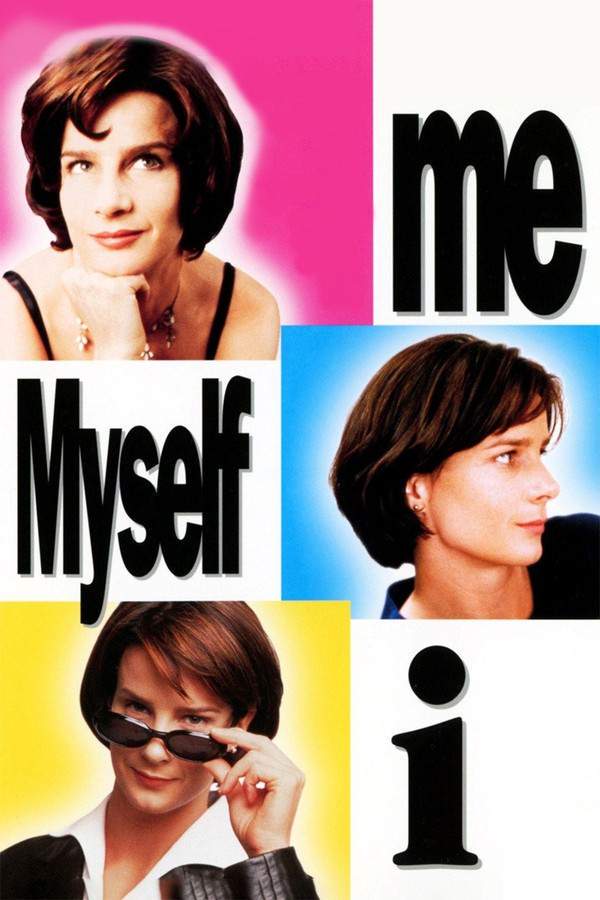
Me Myself I (1999) movie poster

Plot Summary

Me Myself I (1999) Plot Summary Explained

Release, runtime and language
1999 · 104 mins · English
Directed by
Pip Karmel
Starring
Yael Stone, Felix Williamson, David Roberts, Rachel Griffiths, Sandy Winton, Shaun Loseby

Pamela Drury spends her birthday lonely and dissatisfied. While looking through old photos she finds a picture of Robert Dickson, the man who once proposed, and wonders how different her life might have been. A freak accident sends her into an alternate future where she said yes, making her live that life and wonder if the grass is truly greener.

On this page (5)
  1. 1 What happens: full plot
  2. 2 Plot questions answered
  3. 3 Movie threads
  4. 4 Movies like Me Myself I
  5. 5 Every angle

Full plot summary · contains spoilers

What Happens in Me Myself I: Full Plot Summary

The whole story of Me Myself I (1999) explained, from the opening scene to the final frame: every key event, every twist and what it all adds up to. Read it as a quick recap before the sequel, to check a scene you missed, or to finally understand what really happened.

Pamela Drury is a single, serious journalist who feels the ache of loneliness on her birthday and quietly wonders what life might have been like if she had chosen marriage and children. As she browses a box of old photos, she reconsiders why she ended things with Robert Dickson thirteen years ago, weighing the path she chose against the path she didn’t.

Her curiosity is sparked by a chance encounter with an interesting man, Ben, who she follows to his home and glimpses through a window—a glimpse of a happy, fulfilled family that contrasts with the life she leads. Soon after, a sudden accident changes everything, and the driver proves to be Pamela herself, though she is Pamela Dickson, a version from an alternate universe in which she married Robert years earlier.

Pamela Dickson’s car crash sets off a surreal turn: she takes Pamela Drury to the Dickson family home, and the two of them talk in the kitchen. Then, before long, Pamela Dickson’s children come home and she disappears, leaving the unmarried Pamela Drury in a house she doesn’t recognize with three children she doesn’t know. The two realities begin to pull at the seams, and the lives of the women start to diverge in the days that follow.

In Pamela Dickson’s world, life looks different: she is stuck in a dull marriage and writes lightweight pieces for a mainstream ladies’ magazine, while Pamela Drury continues to chase serious journalism. She meets Ben again, but this time he was never married and still mourns the loss of a great college love. At first, Pamela Drury feels drawn to rekindle a relationship with Robert, but the pull of married life and the friction that comes with it soon strain their bond. An affair with Ben unfolds, and he confronts her with the truth—that she has a husband and children—leaving him hurt and disappointed.

As the two stories unfold, Pamela Drury gradually grows to embrace the idea of a family and re-energizes her marriage, even as Pamela Dickson, living the single life, realizes she misses her husband and children and eventually returns to them. In a restaurant bathroom moment, the two women switch back to their former lives: Pamela Dickson has been living as the single, career-focused Pamela Drury and discovers she’s drawn to the family she left behind, while Pamela Drury becomes reacquainted with the life she once desired and gains a fresh appreciation for the balance of independence and connection.

Ultimately, the two paths converge in a quiet acknowledgment that both lives hold value. Pamela Drury ends with a renewed sense of purpose and an appreciation for career and independence, while Pamela Dickson’s choices lead her to dating Ben again, even as she remains tethered to the world she left behind. The film leaves the viewer with a thoughtful sense that both single life and family life offer meaningful rewards, and that the heart can hold room for both, depending on the path taken.

Last updated: October 09, 2025 at 11:08

Was this helpful?

Plot questions answered

Me Myself I Plot Explained: Your Questions Answered

The questions people ask most about Me Myself I (1999): what happens in the confusing scenes, why the characters do what they do, the twists, hidden details and what the ending means. Each answer contains spoilers.

Q1

Why does Pamela follow Ben to his house?

Pamela is feeling lonely and dissatisfied on her birthday when she spots Ben. She follows him out of curiosity and sees through his window a happy family life, a stark contrast to her own solitary existence. This glimpse of domestic contentment triggers her to wonder what her life might have been like if she had chosen marriage and children instead of her career.

Foreshadowing: Earlier, Pamela reflects on her choice to leave Robert and wonders about the path not taken.

  • pamela
  • ben
  • follow
  • curiosity
  • family
  • happy
Q2

How does the car accident cause the life switch?

When Pamela is hit by a car, the driver is revealed to be Pamela Dickson, her alternate-universe counterpart who married Robert instead. The collision somehow creates a swap between the two versions of Pamela. After the accident, Pamela Dickson takes Drury to the Dickson home, and when the children arrive, she vanishes, leaving Drury trapped in the married life.

Foreshadowing: The accident occurs moments after Pamela envisions a different life through Ben's window.

  • car accident
  • switch
  • alternate universe
  • pamela
  • dickson
Q3

Why does Pamela Drury have an affair with Ben?

Pamela Drury feels trapped in her unexpected married life with Robert and grows restless with the mundane routine. When she reconnects with Ben, who in this timeline is single but still mourning a lost college love, she is drawn to the excitement and possibility he represents. The affair represents her attempt to escape her dissatisfaction and find the passion missing from her marriage.

Foreshadowing: Pamela first follows Ben because she envied the family she saw through his window.

  • affair
  • ben
  • pamela
  • robert
  • marriage
  • escape
Q4

What causes the switch back to their original lives?

The switch back occurs in a restaurant bathroom, though the movie does not explain the mechanism in detail. Pamela Dickson suddenly reappears, and the two women exchange places, returning to their original realities. This abrupt reversal ends Pamela Drury's time in the alternate timeline and restores each woman to her former life.

Foreshadowing: The film establishes earlier that the two realities "pull at the seams" and diverge over time.

  • switch back
  • bathroom
  • restaurant
  • original life
  • return
Q5

Why does Pamela Dickson return to her family?

While living as the single Pamela Drury, Pamela Dickson experiences life without her husband and children and realizes she misses them. She comes to appreciate the family she once felt stuck in and chooses to return to them. This shows that her initial dissatisfaction with married life was temporary, and she values the connection she has with her family.

Foreshadowing: Pamela Dickson's world is described as feeling dull and constraining, mirroring Drury's restlessness.

  • pamela dickson
  • family
  • return
  • husband
  • children
Q6

Why does Ben walk away after learning the truth about Pamela?

Ben discovers that Pamela Drury has been hiding the fact that she has a husband and children while pursuing a relationship with him. He feels betrayed and hurt by her deception, leading him to walk away angrily. The revelation exposes the impossibility of their situation, Pamela is already married in the life she inhabits, making any future together dishonest.

Foreshadowing: Pamela begins the affair hiding that she has a husband and children.

  • ben
  • truth
  • walk away
  • affair
  • betrayal
Q7

Why does Pamela Drury rekindle her feelings for Robert?

After experiencing the excitement of the affair and losing Ben's trust, Pamela Drury begins to appreciate what she has in her marriage to Robert. She gradually embraces the idea of family life and makes a conscious choice to invest in her relationship. This shift represents her growth from feeling trapped to finding genuine contentment in married life.

Foreshadowing: Drury initially feels constricted by married life but later reconnects with Robert's home.

  • robert
  • rekindle
  • marriage
  • family
  • growth
  • pamela
Q8

How does the movie ending work?

After switching back, both women remain in their original lives but with new perspectives. Pamela Drury returns to single life with a renewed appreciation for her career and independence, while Pamela Dickson, who had been living as Drury, chooses to date Ben, who is now divorced. The ending suggests both single life and family life offer meaningful rewards, and people can find happiness in different paths.

Foreshadowing: The film builds toward a balance between career and connection throughout.

  • ending
  • balance
  • family
  • single
  • life
  • choice
Q9

What happens to Ben in each timeline?

In the original timeline, Ben is married to the woman Pamela saw through the window. In the alternate timeline where Pamela married Robert, Ben is single but still mourning a great college love he lost before graduation. When the women switch back, Ben ends up divorced from the woman he married in the original timeline, allowing Pamela Dickson to begin dating him.

Foreshadowing: Pamela glimpses Ben's family through the window before the accident occurs.

  • ben
  • timeline
  • married
  • single
  • divorced
Q10

Why does Pamela feel unfulfilled in married life?

Pamela Drury feels trapped in her unexpected marriage because it represents a life she did not choose. She is used to independence and serious journalism, but married life with children feels constraining and mundane. The dissatisfaction stems from losing her sense of self and purpose, not from Robert himself.

Foreshadowing: The film establishes early that Pamela chose career over marriage thirteen years ago.

  • unfulfilled
  • marriage
  • independence
  • career
  • trapped
  • pamela

Movie threads

More Movies Like Me Myself I, by Mood & Story

Curated lists built around what makes Me Myself I tick: the same mood, the same kind of story or the same emotional payoff. Each list explains why these movies belong together.

Movies that explore 'what if' life paths like Me Myself I

Stories where characters intimately compare the road taken with the road not taken. If you liked the reflective journey of Me Myself I, you'll enjoy these movies that delve into the 'what if' premise. This collection features similar stories of characters exploring alternate life paths, perfect for fans of bittersweet character studies and contemplative comedies about fate and choice.

  • reflective
  • contemplative
  • melancholic
  • hopeful
  • dreamlike
  • intimate
  • Tone: bittersweet, reflective
  • Pacing: steady, contemplative
Why these movies?

The story pattern: Films in this thread often use a narrative device—like a supernatural event or a pivotal memory—to thrust a character into an alternate version of their life. The story structure typically involves a parallel comparison between the protagonist's original reality and the new one, examining the wins and losses of each path to arrive at a nuanced conclusion about happiness and fulfillment.

Why they belong together: These movies share a core narrative structure focused on exploring alternate destinies. They are united by a reflective, sometimes melancholic mood, a steady pacing that allows for character introspection, and a bittersweet tone that acknowledges the complexity of life's choices rather than providing simple answers.

Bittersweet romantic comedies with depth like Me Myself I

Romantic comedies with a thoughtful, nuanced look at love and life. For viewers who enjoyed the charming yet thoughtful vibe of Me Myself I, this list features similar romantic comedies. Discover movies like Me Myself I that blend humor and heart, offering a more nuanced and bittersweet take on love, identity, and finding happiness.

  • bittersweet
  • charming
  • quirky
  • hopeful
  • reflective
  • intimate
  • Tone: bittersweet, charming
  • Pacing: steady, character-driven
Why these movies?

The story pattern: The narrative journey in these films typically revolves around a character at a personal crossroads, often re-evaluating their life and relationships. The conflict is more internal and existential than overtly dramatic, leading to a character-driven resolution that affirms growth and understanding, even if it doesn't conform to a traditional 'happily ever after'.

Why they belong together: These films are grouped by their unique tonal blend: the lightheartedness of a comedy is balanced with the emotional weight of real-life stakes. They share a medium emotional weight, a steady, character-focused pace, and a central theme of evaluating one's life choices within the framework of romance and personal connection.

If you liked this

Movies Like Me Myself I

Similar movies to Me Myself I: the same genre, themes or kind of story. Each one comes with its own plot summary, timeline and ending explained.

Browse all movie summaries

Every angle

Me Myself I (1999) Explained: Plot, Timeline & Characters

Everything about Me Myself I in one place: what happens in the plot summary, the timeline in chronological order, the characters and meaning and a spoiler-free summary. What's After the Movie adds the cast, box office and post-credit scenes.

Coming soon on iOS and Android

The Plot Explained Movie Summary App

Plot summaries, endings explained and timelines on your phone. Catch up on any movie in minutes, save your favorites and never miss a twist again.

Be the first to know when we launch. Your email stays private, always.

Learn more about the app