Plot Explained Spoilers guaranteed!
Plot Explained

Browse by genre

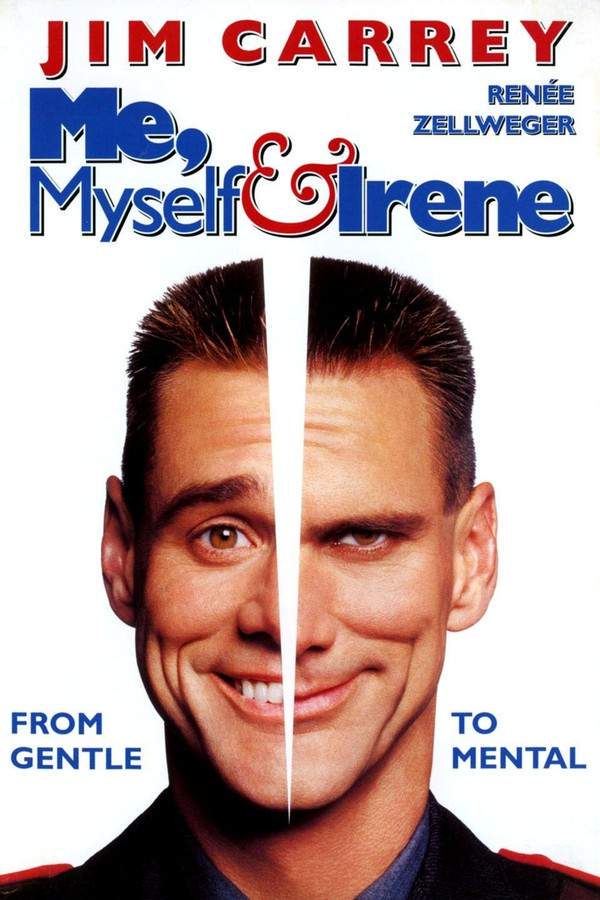
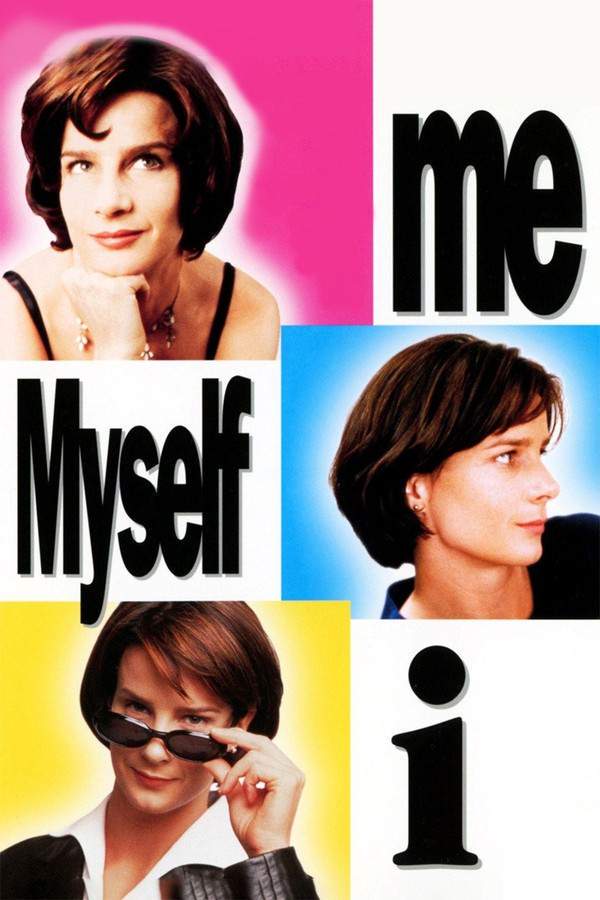
Me Myself I (2000) movie poster

Plot Summary

Me Myself I (2000) Plot Summary Explained

Release, runtime and language
2000 · 104 min · English
Directed by
Pip Karmel

A woman in her thirties, still yearning for a past relationship, finds herself unexpectedly in an alternate reality. There, she discovers she married the man she always desired. Navigating this parallel life, she’s forced to examine the choices she's made and the possibilities she left behind, ultimately questioning whether her dreams truly align with her happiness.

On this page (6)
  1. 1 Where to watch
  2. 2 What happens: full plot
  3. 3 Plot questions answered
  4. 4 Movie threads
  5. 5 Movies like Me Myself I
  6. 6 Every angle

Where to watch

Where to Watch Me Myself I (2000)

Where can you watch Me Myself I? Stream, rent or buy it in the US, including on Amazon Video, Apple TV Store and Fandango At Home: current JustWatch availability with up-to-date prices.

Streaming availability powered by JustWatch

Full plot summary · contains spoilers

What Happens in Me Myself I: Full Plot Summary

The whole story of Me Myself I (2000) explained, from the opening scene to the final frame: every key event, every twist and what it all adds up to. Read it as a quick recap before the sequel, to check a scene you missed, or to finally understand what really happened.

Charlie Baileygates, played by Jim Carrey, has dedicated 18 years of his life serving as a trooper for the Rhode Island State Police. However, throughout his existence, Charlie has often been the victim of manipulation and deceit by those around him. He resides in a quaint home near the water, though he is not particularly fond of swimming.

Reflecting on his past, we learn that right after marrying his clever wife, Layla, portrayed by Traylor Howard, Charlie’s life took a shockingly unexpected turn. Layla engaged in an affair with a violent dwarf limousine driver named Shonte, played by Tony Cox, whom she met on their wedding day while Charlie was driving them as their limo driver. Shonte, a member of Mensa, is not just a dwarf but also possesses a genius-level IQ and works as a tenured professor specializing in molecular genetics at a university. This unconventional partnership serves as a backdrop to Charlie's unfolding misfortunes.

Despite attempts from Charlie's friends to reveal the truth about Layla's betrayal, he remains in denial, even after Layla gives birth to three sons, all of whom are African American. Eventually, Layla leaves Charlie for Shonte, forcing him to raise the three boys—who are also unexpectedly intelligent—as his own. Remarkably, these children construct an airworthy plane out of household items, ready for takeoff until Charlie intervenes just in time.

The emotional scars from his wife's departure leave Charlie deeply affected. Instead of reclaiming his identity and strength, he becomes a target for ridicule and mistreatment by his community. Even as a police officer, he is perceived as a pushover, earning him disdain and abuse from neighbors and townsfolk alike. Despite his badge, Charlie is hardly respected; a neighbor steals his newspaper, a little girl hurls insults, and a friend blatantly disregards parking tickets Charlie issues.

Fast forward fifteen years, and Charlie still finds himself desperately nurturing and spoiling his three sons—Jamal, played by Anthony Anderson, Lee Harvey, and Shonté Jr.—who have now become rather hefty, thanks in part to their unhealthy eating habits and exposure to profane humor from stand-up comedians. The town continues to treat Charlie with open scorn, leading to a crescendo of pent-up frustration and anger within him.

One fateful day, after a particularly rude encounter with a "soccer mom" in the supermarket, Charlie’s suppressed emotions erupt, giving birth to a malevolent alter ego named Hank. Rude and violent, Hank takes control of Charlie's actions, exacting revenge on all who have wronged him. With his own colleagues arresting him, Charlie's inner turmoil becomes evident.

Following this chaos, his boss, Colonel Partington, insists that Charlie seek help from a psychiatrist who reveals that Hank emerged as a coping mechanism for Charlie's decades of repressed rage stemming from Layla's abandonment, leading to a diagnosis of advanced delusional schizophrenia with involuntary narcissistic rage. The doctor prescribes medication to help Charlie manage this inner conflict.

Amidst this turmoil, a woman named Irene Waters, played by Renée Zellweger, finds herself entangled in legal troubles stemming from a hit-and-run accusation linked to her ex-boyfriend, Dickie. As Charlie is assigned to escort Irene back to New York, they find themselves in a fight for survival against criminal enforcers sent to silence her about Dickie's misdeeds.

As the plot thickens, Charlie's refusal to take his medication allows Hank to resurface at critical moments, leading to chaotic encounters with corrupt police officers and hitmen. In the midst of the chaos, Charlie and Irene form an unexpected bond while navigating through danger, all while being pursued by menacing forces. They even pick up an unusual companion named "Whitey," an albino with a questionable past.

As they evade capture, the tension mounts until a dramatic confrontation with Dickie culminates in a near-death experience for both Charlie and Irene. In a desperate move, Charlie's sons hijack a police helicopter to assist their father, showcasing the lengths they will go for family.

After a series of harrowing events, including a jaw-dropping showdown on a bridge, Charlie confronts his fears, nullifying Hank's influence. In a twist of fate, Whitey reveals his fabricated backstory as part of his own insecurities.

In the aftermath, as law enforcement closes in, the criminals are apprehended, and Charlie’s bravery is recognized. As the dust settles, Charlie proposes to Irene, bringing a hopeful conclusion to their tempestuous journey. In a lighthearted post-credits scene, the community band together in a search for Charlie's missing thumb—humorously illustrating that even amidst the chaos, life continues with its quirks and oddities.

Last updated: January 14, 2025 at 19:25

Was this helpful?

Plot questions answered

Me Myself I Plot Explained: Your Questions Answered

The questions people ask most about Me Myself I (2000): what happens in the confusing scenes, why the characters do what they do, the twists, hidden details and what the ending means. Each answer contains spoilers.

Q1

Why did Layla leave Charlie for Shonte?

Layla left Charlie because she had been having an affair with Shonte, the limousine driver, since their wedding day. She met Shonte when Charlie was driving them as their limo driver, and they immediately began a relationship. The affair continued throughout their marriage, and eventually Layla chose to leave Charlie to be with Shonte, taking her three sons with her.

Foreshadowing: The affair was already hinted at when Layla gave birth to three African American sons, despite Charlie being white, which made the children's true paternity obvious.

  • layla
  • shonte
  • affair
  • marriage
  • abandonment
Q2

Why did Charlie develop the Hank personality?

Charlie developed Hank as a coping mechanism for decades of repressed rage from Layla's betrayal and abandonment. The psychiatrist diagnosed him with advanced delusional schizophrenia with involuntary narcissistic rage. Hank represented Charlie's inner anger that had been suppressed for years, emerging violently when Charlie could no longer contain his emotions.

Foreshadowing: Charlie's pent-up anger was foreshadowed by years of mockery and abuse from his neighbors and townsfolk, where he was too timid to stand up for himself.

  • hank
  • alter ego
  • split personality
  • schizophrenia
  • trauma
Q3

What triggered Charlie's anger to surface at the supermarket?

Charlie's anger erupted after a particularly rude encounter with a "soccer mom" in the supermarket, which was the final straw after years of suppression. This confrontation triggered his suppressed rage to break through, giving birth to his violent alter ego Hank who then took revenge on all who had wronged him.

Foreshadowing: Charlie's anger had been building for years through constant ridicule, from neighbors stealing his newspaper to being treated with disdain despite being a police officer.

  • supermarket
  • rage
  • outburst
  • breaking point
Q4

Who is the father of Layla's three sons?

The true father of Layla's three sons is Shonte, not Charlie. Layla's affair with Shonte produced all three sons, who were born during her marriage to Charlie. Shonte is described as a dwarf, a Mensa member, and a genius-level professor specializing in molecular genetics.

Foreshadowing: The children's African American heritage made their parentage obvious, yet Charlie remained in denial despite friends trying to reveal the truth.

  • sons
  • shonte
  • paternity
  • dna
  • affair
Q5

Why was Irene being targeted by Dickie?

Irene was targeted because she had knowledge of crimes committed by her ex-boyfriend Dickie, who was mob-connected. She was arrested for a hit-and-run she didn't commit and was being framed by Dickie. Criminal enforcers were sent to silence her about Dickie's misdeeds.

Foreshadowing: Irene insisted she was being framed from the moment of her arrest, claiming Dickie was behind her legal troubles.

  • irene
  • dickie
  • mob
  • witness
  • hitmen
Q6

How did Charlie's sons help rescue him?

Charlie's sons hijacked a police helicopter to assist their father during the final showdown with Dickie. Despite not being Charlie's biological children, they showed unwavering loyalty and risked their lives to save him, demonstrating the deep bond they had formed with him despite Layla's departure.

Foreshadowing: Earlier in the film, the sons had built an airworthy plane from household items, showing their exceptional intelligence and willingness to act.

  • sons
  • helicopter
  • rescue
  • family
  • loyalty
Q7

How did Charlie overcome Hank at the bridge?

Charlie confronted his fears during the dramatic bridge showdown with Dickie and nullified Hank's influence by facing his inner demons directly. By confronting the source of his trauma and choosing to fight for Irene, Charlie was able to regain control of his identity and suppress his violent alter ego.

Foreshadowing: Charlie's refusal to take his medication earlier had allowed Hank to resurface at critical moments, showing the medication was key to controlling the alter ego.

  • hank
  • confrontation
  • bridge
  • overcome
  • identity
Q8

What happened to the corrupt police officers?

The corrupt police officers who were on Dickie's payroll, including Officer Gerke, were confronted and arrested with the help of Charlie's sons. Charlie's bravery in exposing the corruption led to their apprehension, and his charges were cleared as a result.

Foreshadowing: The confrontation with Officer Gerke revealed he was on Dickie's payroll, setting up the eventual reveal and arrest of the corrupt officers.

  • corrupt police
  • gerke
  • arrest
  • dickie
  • justice
Q9

Why did the town treat Charlie with such contempt?

The town treated Charlie badly because they perceived him as weak and ineffectual, likely due to his inability to stand up for himself after Layla's departure. Despite being a police officer with a badge, he was seen as a pushover, neighbors stole his newspaper, a little girl hurled insults, and people ignored his authority, leading to a cycle of mockery that deepened his trauma.

Foreshadowing: Even Charlie's friends blatantly disregarded parking tickets he issued, showing how little respect he commanded in the community.

  • town
  • ridicule
  • contempt
  • community
  • respect
Q10

Why did Charlie marry Layla in the first place?

Charlie married Layla because he believed she would be his lifelong partner, as indicated by the timeline showing he married the woman he thought would be his lifelong partner. The marriage took place early in Charlie's career as a Rhode Island State Police trooper, before Layla's affair and eventual departure shattered his life.

Foreshadowing: The wedding day itself was when Layla first met Shonte, the limousine driver who would become her affair partner.

  • marriage
  • layla
  • wedding
  • relationship
Q11

What was Whitey's fabricated backstory about?

Whitey revealed that his backstory was fabricated, created out of his own insecurities. The albino companion they picked up during their escape had invented a dramatic past to cover for his personal insecurities, adding another layer of deception to the already complex narrative.

Foreshadowing: Whitey joined Charlie and Irene during their escape with a questionable past that was later revealed to be fabricated.

  • whitey
  • fabricated
  • insecurities
  • backstory
Q12

Why did Charlie propose to Irene at the end?

Charlie proposed to Irene because their shared dangerous experiences had created a genuine bond between them. After confronting his fears, overcoming Hank, and proving his bravery, Charlie had regained his confidence and wanted to commit to a healthy relationship, choosing to seize the moment before Irene left.

Foreshadowing: Charlie and Irene had formed an unexpected bond while navigating through danger together throughout the film.

  • proposal
  • irene
  • marriage
  • love
  • future

Movie threads

More Movies Like Me Myself I, by Mood & Story

Curated lists built around what makes Me Myself I tick: the same mood, the same kind of story or the same emotional payoff. Each list explains why these movies belong together.

Movies about fractured psyches and alter egos like Me Myself I

Stories where a character's repressed trauma erupts into a dangerous alter ego. If you enjoyed the psychological breakdown and violent alter ego in Me Myself I, you'll find similar tension in these movies. They explore characters pushed to the brink, where internal turmoil erupts into external chaos, blending dark themes with intense, often fast-paced narratives.

  • psychological
  • chaotic
  • unpredictable
  • cathartic
  • violent
  • absurd
  • Tone: dark, tense, psychologically unsettling
  • Pacing: fast, chaotic, unpredictable
Why these movies?

The story pattern: The narrative typically follows a character under immense pressure, whose long-suppressed emotions or trauma catalyze a psychological break. This break gives rise to a disruptive, often violent, alternate personality that takes control, leading to a dangerous journey where the protagonist must ultimately confront the darkness within to survive or find a fractured peace.

Why they belong together: Movies are grouped here for their shared exploration of dissociative identity, psychological breakdown, and the chaotic external consequences of internal collapse. They blend heavy emotional weight with dark tones, often featuring high intensity and a mix of disturbing themes and absurdist or dark humor.

Dark comedy crime thrillers with a similar vibe to Me Myself I

Gritty crime stories punctuated by absurd, violent, or morbid humor. For viewers who liked the mix of criminal plot, corruption, and absurd humor in Me Myself I, this section highlights similar movies. These stories balance high-stakes action and heavy themes with witty, darkly comic moments that provide a twisted relief from the tension.

  • absurd
  • violent
  • unpredictable
  • tense
  • corrupt
  • chaotic
  • Tone: dark, absurd, tense
  • Pacing: fast, unpredictable
Why these movies?

The story pattern: Stories in this thread typically weave an external crime plot—involving hitmen, corruption, or a desperate chase—with the personal turmoil of a flawed protagonist. The pacing is fast, driven by both the criminal intrigue and the character's internal crisis, with the tone oscillating sharply between genuine threat and ludicrous, often violent, humor.

Why they belong together: These films are connected by their unique tonal blend: a dark, often bleak core narrative is consistently undercut by scenes of absurdist, gross-out, or morbid comedy. They maintain high intensity and complex plots while using humor to heighten the unpredictability and critique the inherent ridiculousness of their violent worlds.

If you liked this

Movies Like Me Myself I

Similar movies to Me Myself I: the same genre, themes or kind of story. Each one comes with its own plot summary, timeline and ending explained.

Browse all movie summaries

Every angle

Me Myself I (2000) Explained: Plot, Timeline & Characters

Everything about Me Myself I in one place: what happens in the plot summary, the timeline in chronological order, the characters and meaning and a spoiler-free summary. What's After the Movie adds the cast, box office and post-credit scenes.

Coming soon on iOS and Android

The Plot Explained Movie Summary App

Plot summaries, endings explained and timelines on your phone. Catch up on any movie in minutes, save your favorites and never miss a twist again.

Be the first to know when we launch. Your email stays private, always.

Learn more about the app