Plot Explained Spoilers guaranteed!
Plot Explained

Browse by genre

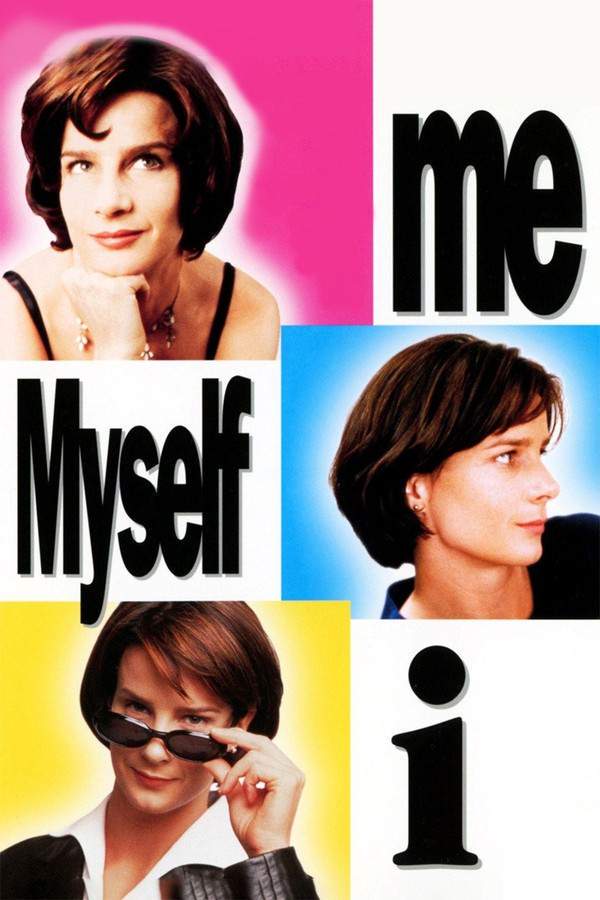
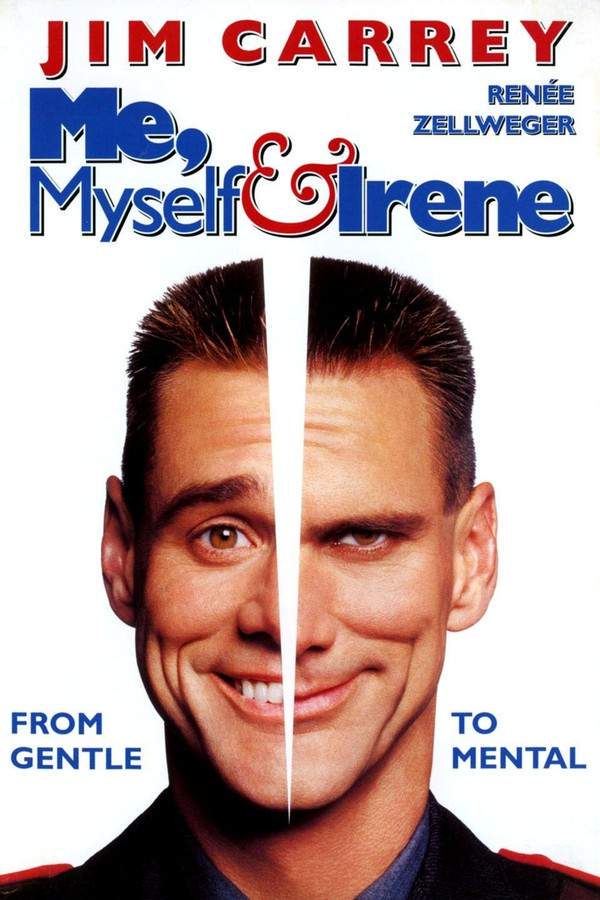
Me, Myself & Irene (2000) movie poster

Plot Summary

Me, Myself & Irene (2000) Plot Summary Explained

Release, runtime and language
2000 · 116 min · English
Loading streaming availability…
Directed by
Peter Farrelly, Bobby Farrelly
Starring
Renée Zellweger, Jim Carrey
Budget
$51M

Mild-mannered police officer Charlie Baileygates faces a crisis when he runs out of medication, triggering a collision between his distinct personalities. He must contend with Charlie, a loving father and respected member of the community, and Hank, his volatile and rebellious alter ego. As these contrasting personas vie for dominance, chaos and humor erupt in this unconventional comedy exploring themes of identity, responsibility, and the struggle to find equilibrium within oneself.

On this page (6)
  1. 1 Where to watch
  2. 2 What happens: full plot
  3. 3 Plot questions answered
  4. 4 Movie threads
  5. 5 Movies like Me, Myself & Irene
  6. 6 Every angle
Loading streaming availability…

Full plot summary · contains spoilers

What Happens in Me, Myself & Irene: Full Plot Summary

The whole story of Me, Myself & Irene (2000) explained, from the opening scene to the final frame: every key event, every twist and what it all adds up to. Read it as a quick recap before the sequel, to check a scene you missed, or to finally understand what really happened.

Charlie Baileygates is a gentle, unassuming state trooper from Rhode Island who has consistently been taken for granted by those around him, particularly by his unfaithful wife, Layla. Their relationship is troubled right from the beginning, especially when she embarks on a clandestine affair with their wedding limo driver, Shonté, who, despite his small stature, possesses a sharp intellect and a flair for surprises. Even in the face of his friends’ warnings about Layla's betrayal, Charlie remains oblivious, especially when she gives birth to triplets – Jamal, Lee Harvey, and Shonté Jr., all three of whom inherit their father's remarkable intelligence.

As time moves on, Layla finally leaves Charlie, leaving him to shoulder the responsibility of raising their children alone. Though the journey is fraught with challenges, the triplets grow to love and admire their father, who becomes their steadfast source of support. However, Charlie’s naivety continues to be exploited by the community, prompting him to develop a wide-ranging coping mechanism in the form of an alternate persona, Hank Evans, which surfaces during moments of extreme stress.

Unlike the timid Charlie, Hank embodies a rugged, assertive character reminiscent of Clint Eastwood's iconic roles. A psychiatrist suggests medication to control this alter ego. When Charlie’s commanding officer assigns him to escort the striking Irene Waters, who has been accused of a hit-and-run in Massena, New York, he feels it’s the perfect distraction from his troubles.

Irene argues that her mobster ex-boyfriend Dickie framed her to ensure her silence regarding his illegal dealings. On their shared journey, Charlie and Irene submit her case to two EPA agents in Massena. A shocking turn occurs when one agent falls victim to a hitman seeking to eliminate Irene, leaving Charlie reeling in helplessness.

In a frantic attempt to escape the situation, Charlie and Irene abandon their safety net by leaving behind Charlie's medication, unaware that this choice will soon lead to Charlie being viewed as the main suspect in the murder. With both FBI agents and corrupt police officers, Boshane and Gerke, who are on Dickie's payroll, out to capture them, their flight quickly becomes a spectacle for the media. As chaos reigns, Charlie's sons begin to suspect the trouble their father has found himself in, setting the stage for an exhilarating adventure that will truly test his courage.

Their odyssey back to Rhode Island creates an opportunity for Charlie and Irene to bond during this unexpected road trip. However, the volatile Hank threatens their safety with his reckless bravado. As they navigate these challenges, they pick up an intriguing figure named Whitey, an albino waiter with a murky history, who shares alarming tales about his family’s demise, only serving to heighten Hank's paranoia. A pit stop at a run-down motel reveals Hank manipulating the situation, impersonating Charlie to coerce Irene. The explosive confrontation that follows allows Charlie to confront Hank, setting in motion an unpredictable chain of events.

As they plan to leave Whitey behind and press on, Dickie makes his entrance, determined to tidy up loose ends. This prompts Charlie to launch into a heart-pounding rescue effort alongside Hank. However, as they pursue Dickie onto a treacherously narrow bridge, Hank’s moment of hesitation proves to be a significant blunder, forcing Charlie to finally confront and dispel his insecurities.

In a dramatic culmination, Dickie meets his end at the hands of Whitey, who uses a well-thrown lawn dart to dispatch him. With the aftermath of the confrontation leaving them soaked as they tumble into the river below, Charlie’s sons, having commandeered a police helicopter, swoop in to save them. Reunited, they join forces with Whitey, who fesses up to his fabricated tales, a ploy to avert Hank’s scrutiny.

As law enforcement closes in, the corrupt officers Gerke and Boshane are apprehended, while Charlie emerges as a hero for aiding in the capture of the criminals. Irene's name is cleared, and they decide to embark on a fresh start together. In a heartwarming twist, Charlie proposes to Irene, who joyfully accepts.

In a whimsical post-credits scene, Whitey’s quest for Charlie's thumb in the river leads to an unexpected twist – it becomes a delightful snack for a lurking fish.
Last updated: November 19, 2024 at 16:53

Was this helpful?

Plot questions answered

Me, Myself & Irene Plot Explained: Your Questions Answered

The questions people ask most about Me, Myself & Irene (2000): what happens in the confusing scenes, why the characters do what they do, the twists, hidden details and what the ending means. Each answer contains spoilers.

Q1

Why does Charlie Baileygates have an alter ego named Hank?

Charlie develops Hank Evans as a coping mechanism to handle the extreme stress in his life, particularly after his wife Layla leaves him to raise their triplets alone. Hank represents the opposite of Charlie's gentle, put-upon personality, rugged, assertive, and willing to stand up for himself. A psychiatrist had prescribed medication to control this alter ego, but Charlie stops taking it during the road trip with Irene, allowing Hank to surface unpredictably.

Foreshadowing: Early scenes show Charlie being taken for granted by everyone around him, setting the psychological groundwork for his split personality.

  • split personality
  • alter ego
  • Hank Evans
  • dissociative identity
  • Charlie Baileygates
Q2

Why is Irene Waters framed for a hit-and-run?

Irene's mobster ex-boyfriend Dickie frames her for the hit-and-run to ensure her silence about his illegal activities. She knows too much about his criminal operations, so framing her removes her as a threat and discredits her if she tries to expose him. This is why she tells Charlie during their journey that Dickie set her up.

Foreshadowing: Irene explains her situation early in the road trip, giving Charlie reason to believe her version of events.

  • framed
  • hit-and-run
  • Dickie
  • mobster
  • Irene Waters
  • conspiracy
Q3

Why does Charlie become the suspect in the murder?

After Charlie and Irene abandon their car and medication during the frantic escape from the hitman, law enforcement finds the vehicle. Without Charlie's medication to keep his Hank personality in check, and with the murder occurring near their last known location, circumstances combine to make Charlie look guilty. The corrupt officers Boshane and Gerke, who are on Dickie's payroll, deliberately frame him to keep the real criminals ahead of the investigation.

Foreshadowing: The decision to abandon the medication is shown as a pivotal, reckless choice that changes everything.

  • framed
  • suspect
  • murder
  • corrupt police
  • Boshane
  • Gerke
  • Hank
Q4

Who is Whitey and why does he join Charlie and Irene?

Whitey is an albino waiter they pick up along the road who claims to have a dark past involving his family's death. Hefabricates these tragic stories to deflect suspicion from himself and avoid Hank's scrutiny. Despite his manipulative beginning, Whitey ultimately proves loyal, he kills Dickie with a lawn dart during the final confrontation and saves Charlie and Irene. He later admits his stories were lies.

Foreshadowing: Whitey's suspicious tales about his family create tension and raise doubts about his trustworthiness.

  • Whitey
  • albino waiter
  • hitchhiker
  • lawn dart
  • Dickie
Q5

Why are Officers Boshane and Gerke helping Dickie?

Boshane and Gerke are corrupt police officers on Dickie's payroll, meaning he's bribed them to work as his allies within the law enforcement system. They pursue Charlie and Irene not to bring them to justice, but to help Dickie eliminate witnesses and cover up his crimes. Their corruption is revealed when the truth comes out and they face arrest for their criminal collusion.

Foreshadowing: The timeline notes these officers as corrupt early on, though their allegiance isn't immediately obvious.

  • corrupt cops
  • Boshane
  • Gerke
  • Dickie
  • bribery
  • police corruption
Q6

Why does Hank hesitate on the narrow bridge during the climax?

At the critical moment on the narrow bridge, Hank's hesitation represents the internal struggle between Charlie's gentle nature and his aggressive alter ego. When faced with the possibility of actually hurting someone or being killed, Hank's bravado fails, it's Charlie who musters the courage to confront Dickie directly. This moment signifies Charlie finally overcoming his insecurities and taking control of his own life rather than letting either persona dominate.

Foreshadowing: The motel confrontation earlier forces Charlie to acknowledge Hank and prepares him for this ultimate showdown.

  • Hank
  • bridge
  • climax
  • hesitation
  • Charlie
  • confrontation
  • courage
Q7

How does Dickie die in the end?

Dickie is killed unexpectedly by Whitey during the showdown on the narrow bridge. When Dickie attempts to flee after his plan unravels, Whitey throws a lawn dart that strikes Dickie in the chest, killing him. This unconventional weapon catches everyone, including the audience, by surprise, fitting the film's comedic tone.

Foreshadowing: Whitey's presence throughout the journey builds to this unexpected resolution.

  • Dickie
  • death
  • killed
  • Whitey
  • lawn dart
  • ending
Q8

Why does Charlie propose to Irene at the end?

Charlie proposes to Irene because their shared ordeal during the road trip creates genuine bonding and trust. Despite the chaos, danger, and Hank's reckless behavior, Irene saw past Charlie's complexities and stood by him. With his name cleared, the criminals defeated, and his life stabilized, Charlie feels ready for a fresh start with someone who accepts both his personalities.

Foreshadowing: The road trip sequences show their relationship developing through shared challenges.

  • proposal
  • Irene
  • marriage
  • ending
  • romance
  • Charlie
Q9

Why are the triplets so intelligent like their father?

The triplets, Jamal, Lee Harvey, and Shonté Jr., inherit their father's remarkable intelligence, which becomes a plot point when they figure out their father is in trouble and take matters into their own hands. They use their cleverness to commandeer a police helicopter and rescue their father and Irene at the climax, demonstrating that Charlie's intelligence manifests in his children despite the chaotic circumstances of their birth.

Foreshadowing: The triplets are introduced as unusually smart from birth, setting up their heroic intervention.

  • triplets
  • Jamal
  • Lee Harvey
  • Shonté Jr.
  • intelligent
  • children
  • rescue
Q10

What happens to Charlie's thumb in the post-credits scene?

In the whimsical post-credits scene, Whitey searches the river for Charlie's thumb, which was lost during the climactic fight when they tumbled into the water. The comedic twist reveals that Charlie's severed thumb becomes a snack for a fish lurking in the river, a surreal, silly ending that matches the film's absurdist humor.

Foreshadowing: The physical fight on the bridge and subsequent water tumble set up this ridiculous payoff.

  • post-credits
  • thumb
  • fish
  • Whitey
  • river
  • comedy ending
  • joke
Q11

Why does Layla leave Charlie despite having triplets with him?

Layla leaves Charlie because she's been having a secret affair with their wedding limo driver Shonté throughout their marriage. Even before the triplets are born, Layla's infidelity is happening behind Charlie's back. Despite Charlie's devoted nature and his role as a loving father, Layla chooses to abandon the family, forcing Charlie to raise their three sons alone.

Foreshadowing: Early scenes show Layla's disinterest in Charlie and hint at her unfaithfulness through her secret meetings.

  • Layla
  • affair
  • Shonté
  • divorce
  • leaves
  • triplets
  • family
Q12

What happens when Hank impersonates Charlie at the motel?

At the rundown motel, Hank takes complete control and impersonates Charlie to manipulate and coerce Irene into a sexual encounter. When Irene realizes it's actually Hank rather than the gentle Charlie she's been traveling with, she fights back aggressively. This explosive confrontation forces Charlie to finally confront Hank directly, leading to an internal battle for control that sets up the film's climax.

Foreshadowing: Hank's control has been growing throughout the road trip, making this confrontation inevitable.

  • Hank
  • impersonate
  • motel
  • confrontation
  • Charlie
  • Irene
  • split personality

Movie threads

More Movies Like Me, Myself & Irene, by Mood & Story

Curated lists built around what makes Me, Myself & Irene tick: the same mood, the same kind of story or the same emotional payoff. Each list explains why these movies belong together.

Chaotic Road Trip Comedies like Me, Myself & Irene

Characters on the run, creating mayhem and finding themselves on an unpredictable journey. Find more movies like Me, Myself & Irene where a road trip sparks hilarious chaos. These films feature characters on the run, creating unpredictable mayhem and finding unexpected connections on their journeys. If you enjoyed the fast-paced, zany antics of Irene, you'll love these similar comedy adventures.

  • road trip
  • zany
  • slapstick
  • unpredictable
  • on the run
  • feel-good
  • Tone: light, comedic
  • Pacing: fast, episodic
Why these movies?

The story pattern: These stories typically follow a protagonist or group forced into a journey, often to escape a threat or fulfill a mission. The narrative structure is episodic, with each new location introducing fresh complications and comedic set pieces. The journey itself acts as a catalyst for change, leading to personal growth or the formation of unlikely bonds amidst the chaos.

Why they belong together: Movies in this thread are grouped by their shared structure of a road trip driving the plot, a fast and frantic pacing fueled by constant movement, and a tone of lighthearted, often slapstick, humor that arises from escalating situations and eccentric characters met along the way.

Movies with Dual Identity Chaos like Me, Myself & Irene

Protagonists wrestling with contrasting sides of themselves, leading to hilarious turmoil. Explore films similar to Me, Myself & Irene featuring characters with split personalities or hidden alter egos causing hilarious chaos. These comedies and dramas use internal conflict as a source of external turmoil and humor. If you liked the dynamic between Charlie and Hank, you'll enjoy these stories of personal duality.

  • identity crisis
  • unpredictable
  • rebellious
  • chaotic
  • slapstick
  • character study
  • Tone: light, humorous
  • Pacing: fast, character-driven
Why these movies?

The story pattern: The narrative revolves around a character whose life is upended by the emergence of a contrasting personality trait or a full-blown alter ego. This internal struggle drives the plot, creating conflict in relationships, work, and daily life. The story arc often involves the character learning to integrate or manage these disparate sides to achieve a resolution.

Why they belong together: These films are connected by their central theme of a protagonist grappling with a dual nature. They share a comedic tone that finds humor in the resulting chaos, a moderate narrative complexity from the internal and external conflicts, and a focus on the struggle for identity and equilibrium.

If you liked this

Movies Like Me, Myself & Irene

Similar movies to Me, Myself & Irene: the same genre, themes or kind of story. Each one comes with its own plot summary, timeline and ending explained.

Browse all movie summaries

Every angle

Me, Myself & Irene (2000) Explained: Plot, Timeline & Characters

Everything about Me, Myself & Irene in one place: what happens in the plot summary, the timeline in chronological order, the characters and meaning and a spoiler-free summary. What's After the Movie adds the cast, box office and post-credit scenes.

Coming soon on iOS and Android

The Plot Explained Movie Summary App

Plot summaries, endings explained and timelines on your phone. Catch up on any movie in minutes, save your favorites and never miss a twist again.

Be the first to know when we launch. Your email stays private, always.

Learn more about the app