



Plot Explained Spoilers guaranteed!
Plot Explained

Browse by genre

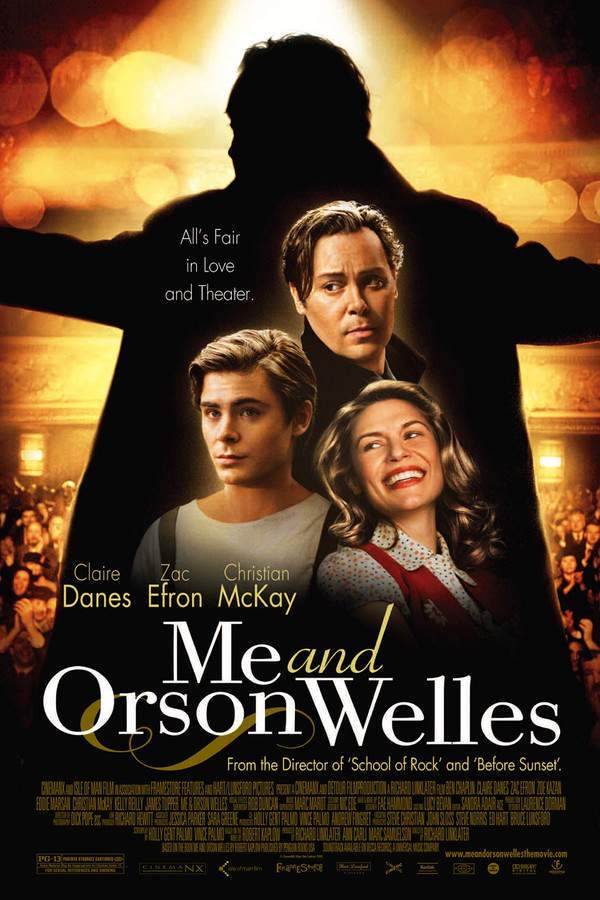
Me and Orson Welles (2009) movie poster

Timeline

Me and Orson Welles (2009) Timeline Explained – Every Event in Order

Release, runtime and language
2009 · 114 min · English
Directed by
Richard Linklater
Starring
Zac Efron, Christian McKay, Claire Danes
Budget
$25M

A teenage aspiring actor unexpectedly finds himself cast in Orson Welles's 1937 Mercury Theatre production of "Julius Caesar." Thrust into the vibrant and often chaotic world of live theater, he witnesses firsthand the brilliance and challenges of working with a visionary director and a talented ensemble. He experiences the intensity of the creative process, the pressures of a high-profile production, and the complexities of navigating personal ambitions within a demanding artistic environment.

On this page (6)
  1. 1 Where to watch
  2. 2 Events in order (13)
  3. 3 Timeline questions answered
  4. 4 Movie threads
  5. 5 Categories
  6. 6 Every angle

Where to watch

Where to Watch Me and Orson Welles (2009)

Where can you watch Me and Orson Welles? Stream, rent or buy it in the US, including on Fandango At Home, Google Play Movies and YouTube: current JustWatch availability with up-to-date prices.

Streaming availability powered by JustWatch

13 events in order · contains spoilers

Me and Orson Welles Timeline: Events in Chronological Order

Every key event of Me and Orson Welles (2009) in order, scene by scene, with when and where it takes place. Use it to untangle flashbacks, time jumps and parallel storylines, to refresh your memory before the sequel or to find the exact scene you are thinking of.

  1. Richard Meets Orson Welles

    In the vibrant backdrop of New York City during the fall of 1937, 17-year-old high-school student Richard Samuels unexpectedly encounters the famed director Orson Welles. This chance meeting sets the stage for a transformative experience that will alter the course of his young life.

    When
    Fall 1937
    Where
    New York City
  2. Casting Call for 'Caesar'

    Orson Welles presents Richard with an astonishing opportunity to play Lucius in the groundbreaking production of 'Caesar' at the newly formed Mercury Theatre. Richard is thrilled to be part of this innovative theatrical venture, leading to his deep fascination with the art of theater.

    Where
    Mercury Theatre
  3. A Scandalous Discovery

    As Richard immerses himself in the world of theater, he uncovers a scandalous secret: Orson Welles is having an affair with the leading actress, all while his wife is pregnant. This revelation adds complexity to Richard's perception of the man he admires.

  4. Meeting Sonja Jones

    During his time in the theater, Richard encounters Sonja Jones, the ambitious production assistant. Their dynamic interaction introduces a new layer of excitement and romantic tension into Richard's experiences behind the scenes.

  5. Welles' Anxieties

    In the lead-up to the premiere, Orson Welles confides his anxieties to Richard, expressing concern that his run of good fortune might be a prelude to disaster. Richard becomes increasingly aware of the pressures and unpredictabilities faced by those in the theater.

    Where
    Mercury Theatre
  6. The Sprinkler System Incident

    Chaos erupts during a rehearsal when Richard inadvertently activates the theater's sprinkler system, drenched the entire crew and causing panic. Welles accuses Richard of sabotage, but Richard cleverly shifts blame, which he believes will alleviate some of Welles' fears.

    When
    During rehearsal
    Where
    Mercury Theatre
  7. The Coupling Game

    To strengthen the cast's camaraderie, Welles proposes an unconventional coupling game. Richard seizes the opportunity to pair with Sonja, and their chemistry ignites, culminating in a passionate night together amidst the theater's chaos.

    Where
    Mercury Theatre
  8. Jealousy and Confrontation

    Following a night of passion, Richard's jealousy surfaces when he finds Sonja spending the night with Welles. This prompts Richard to confront Welles about the impending fatherhood and results in his primal dismissal from the production.

  9. Opening Night Triumph

    Despite the chaos and personal turmoil, Richard experiences a moment of triumph on opening night as Welles' adaptation of 'Caesar' is a spectacular success. However, Richard's joy is short-lived when he discovers he was merely a pawn in Welles' plans.

    When
    Opening Night
    Where
    Mercury Theatre
  10. Heartbreak and Enlightenment

    Following his dismissal, heartbroken Richard finds solace in his high school English class where he recites lines from 'Julius Caesar'. His passionate delivery earns him warm applause, marking a bittersweet but enlightening moment.

    Where
    High School
  11. Meeting Gretta Adler

    After his experience in theater, Richard crosses paths with Gretta Adler, an aspiring playwright he met earlier. Their encounter sparks hope for new beginnings, suggesting that Richard's journey is far from over.

    Where
    Music Store
  12. Gretta's Success

    Richard supports Gretta as she finally publishes a story in The New Yorker. This accomplishment is a testament to their creativity and resilience, symbolizing the possibilities that lie ahead for both characters.

  13. Celebration of New Beginnings

    To celebrate Gretta's recent success, she invites Richard out, indicating a budding connection and the potential for a brighter future. Their relationship hints at the new paths that await, separate from the turmoil of the theater.

Last updated: November 15, 2024 at 20:22

Was this helpful?

Timeline questions answered

Me and Orson Welles Timeline Explained: Your Questions Answered

When does it happen, and why in that order? The questions people ask about the chronology of Me and Orson Welles (2009): time jumps, flashbacks, cause and effect between scenes and the correct order of events, each answered with spoilers.

Q1

How did Richard get cast in Orson Welles's Julius Caesar production?

Richard was a 17-year-old high school student in New York City in fall 1937 when he unexpectedly encountered Orson Welles. Welles personally offered him the role of Lucius in the Mercury Theatre's production of Caesar. The exact circumstances of their meeting aren't detailed in the summary, but Welles saw something in the young man and gave him this unexpected opportunity.

Foreshadowing: This casting sets up the central irony: Richard is a pawn in Welles's grand scheme from the very beginning.

  • Richard Samuels
  • Orson Welles
  • casting
  • Lucius
  • Mercury Theatre
Q2

What happened when Richard accidentally set off the sprinkler system?

During a rehearsal, Richard inadvertently activated the theater's sprinkler system, drenching the entire crew and causing chaos. Welles accused Richard of sabotage, but Richard cleverly deflected blame, suggesting the disaster might be the bad luck Welles needed to reverse his unusual streak of good fortune before the premiere.

Foreshadowing: This incident shows Richard's quick thinking and willingness to manipulate situations to his advantage.

  • sprinkler
  • rehearsal
  • Mercury Theatre
  • sabotage
  • chaos
Q3

Why did Richard confront Orson Welles about his unborn child?

After Richard spent a passionate night with Sonja Jones, he became jealous when he discovered Sonja had spent the following night with Welles. Confronting Welles, Richard brought up the fact that Welles's wife was pregnant, essentially accusing him of irresponsibility and hypocrisy. This confrontation resulted in Welles immediately dismissing Richard from the production.

Foreshadowing: Richard's moral outrage over the affair shows his idealistic view of Welles, which will be shattered when he learns the truth about his own role.

  • Sonja Jones
  • Orson Welles
  • affair
  • pregnancy
  • jealousy
  • confrontation
Q4

How did the coupling game in the play work?

Welles proposed an unconventional coupling game as a team-building exercise for the cast. Richard manipulated the situation to ensure he would be paired with Sonja Jones. Their chemistry led to a night of passion together, adding romantic complexity to Richard's theater experience.

Foreshadowing: This moment of connection with Sonja makes Richard's later jealousy and heartbreak more impactful.

  • coupling game
  • Sonja Jones
  • team building
  • romance
Q5

Why was Richard dismissed from the Mercury Theatre production?

Richard was dismissed twice. The first time came after he confronted Welles about his affair with Sonja and Welles's pregnant wife. The second dismissal occurred after opening night, when Richard discovered he was merely a pawn in Welles's grand scheme to ensure a successful debut, Welles had used Richard's youth and enthusiasm as part of his plan.

Foreshadowing: The second dismissal reveals that Richard's entire experience was orchestrated by Welles.

  • dismissal
  • Orson Welles
  • pawn
  • opening night
  • Mercury Theatre
Q6

What was Orson Welles's grand scheme for the premiere?

Welles's grand scheme involved using Richard as a strategic pawn to ensure the production's success. He had been anxious about his run of good fortune and feared a disastrous debut. By casting an enthusiastic young amateur like Richard and creating buzz around his involvement, Welles ensured the premiere would attract attention and succeed. Richard's presence was calculated to add novelty and appeal to the production.

Foreshadowing: Welles's earlier anxieties about good fortune foreshadow his manipulative planning.

  • Orson Welles
  • scheme
  • manipulation
  • premiere
  • success
Q7

Did Richard end up with Sonja or Gretta?

Richard did not end up with Sonja, their romantic encounter ended after she spent a night with Welles and Richard was dismissed. Instead, Richard connects with Gretta Adler, an aspiring playwright he met earlier in a music store. After helping her publish a story in The New Yorker, Gretta invites Richard out to celebrate, hinting at a new romantic possibility.

Foreshadowing: The music store meeting earlier in the film plants the seed for this eventual relationship.

  • Sonja Jones
  • Gretta Adler
  • romance
  • The New Yorker
Q8

What did Richard gain from his experience at the Mercury Theatre?

Despite being manipulated and dismissed, Richard gained valuable life experience and personal insight. He learned about the complexities of artistic ambition, creative genius, and human relationships. The bittersweet ending shows himReciting Julius Caesar in school, earning applause and demonstrating genuine growth as a performer and person.

Foreshadowing: Richard's ability to recite the Shakespearean lines shows he internalized the artistic education he received.

  • growth
  • insight
  • education
  • Julius Caesar
  • personal development
Q9

Why was Orson Welles having an affair with the leading actress?

The summary reveals that Welles was entangled in an affair with the production's leading actress while his wife was expecting a child. However, the specific reasons or motivations behind this affair aren't explained in the provided summary. This revelation adds complexity to Richard's perception of the man he admires.

Foreshadowing: This scandalous secret foreshadows the moral hypocrisy Richard will confront Welles about.

  • Orson Welles
  • affair
  • leading actress
  • wife
  • pregnancy
Q10

How did opening night of Caesar go?

Opening night was a spectacular success for Welles's anti-fascist adaptation of Caesar. However, the victory was bittersweet for Richard because he was dismissed and learned he had been merely a pawn in Welles's plan. His personal triumph was overshadowed by the realization of how he was used.

Foreshadowing: Welles's anxieties about his good fortune being followed by disaster were resolved through Richard's sacrifice.

  • opening night
  • Caesar
  • success
  • anti-fascist
  • Mercury Theatre

Movie threads

More Movies Like Me and Orson Welles, by Mood & Story

Curated lists built around what makes Me and Orson Welles tick: the same mood, the same kind of story or the same emotional payoff. Each list explains why these movies belong together.

Movies about artistic mentorship and disillusionment like Me and Orson Welles

Coming-of-age stories set in the demanding, illuminating world of creative genius. If you enjoyed the bittersweet journey of a young artist in Me and Orson Welles, you'll appreciate these movies. They feature similar stories of youthful ambition colliding with the reality of working under a demanding mentor, capturing the exhilarating highs and sobering lows of creative initiation.

  • bittersweet
  • transformative
  • disillusioning
  • creative
  • youthful
  • nostalgic
  • Tone: bittersweet, transformative, disillusioning
  • Pacing: steady, character-driven
Why these movies?

The story pattern: The narrative follows an inexperienced but eager character who is drawn into a high-stakes creative project. They initially idolize a charismatic leader, learning invaluable lessons, but gradually uncover the personal compromises and manipulation required to succeed. The arc culminates in a moment of truth where the protagonist must choose between their ideals and the harsh realities of the artistic world.

Why they belong together: Movies in this thread share a focus on the bittersweet process of artistic education. They balance the intoxicating thrill of creation with the inevitable heartbreak of realizing one's heroes are flawed. The tone is consistently both inspiring and sobering, with a steady pace that allows for character growth and a medium emotional weight that reflects a significant, but not traumatic, life lesson.
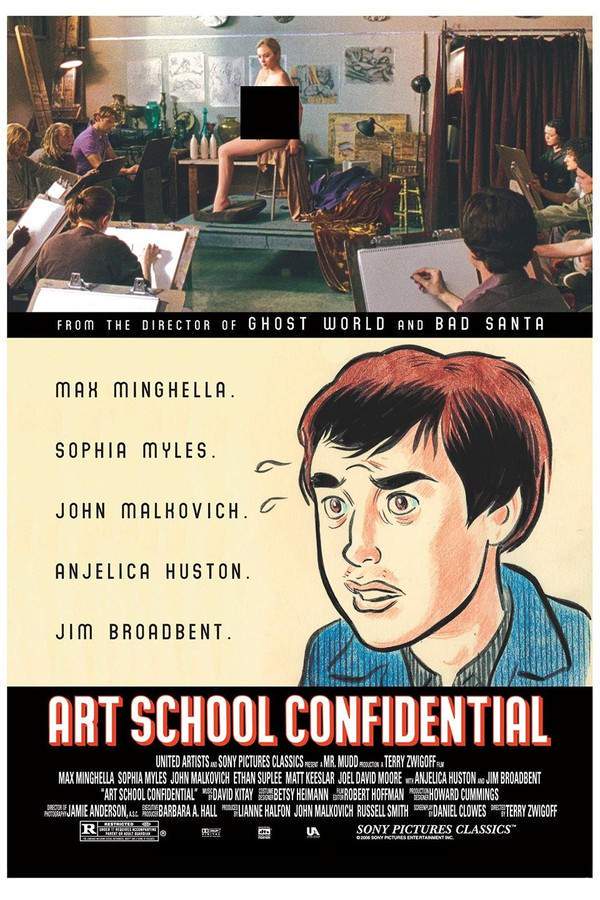
Movies about the making of a famous production like Me and Orson Welles

Immerse yourself in the chaotic, passionate world of a landmark creative endeavor. Fans of Me and Orson Welles who loved its insider view of a legendary theater production will enjoy these films. Discover other stories that dive into the backstage chaos, creative clashes, and personal triumphs involved in bringing a famous work of art to life.

  • backstage
  • creative
  • ensemble
  • nostalgic
  • charming
  • dramatic
  • Tone: charming, bittersweet, nostalgic
  • Pacing: steady, timeline-driven
Why these movies?

The story pattern: The plot is structured around the timeline of a high-profile project, from its shaky beginnings to its public debut. It interweaves the main narrative of the production's challenges with subplots involving romance, rivalry, and scandal among the participants. The story captures the collective anxiety and exhilaration of creation, often culminating in the catharsis of the opening night or premiere.

Why they belong together: This thread groups movies based on their shared setting and narrative engine: the making of an iconic work. They offer a fly-on-the-wall perspective into a specific, vibrant artistic world. The pacing is steady, driven by rehearsal schedules and impending deadlines, and the intensity is medium, derived from creative stakes and interpersonal conflicts rather than overt danger.

Categories

Movie Lists Featuring Me and Orson Welles

Me and Orson Welles appears in these hand-built movie categories. Each one groups movies by a specific mood, theme or story type, with their plot summaries and endings explained.

View all movie categories

Every angle

Me and Orson Welles (2009) Explained: Plot, Timeline & Characters

Everything about Me and Orson Welles in one place: what happens in the plot summary, the timeline in chronological order, the characters and meaning and a spoiler-free summary. What's After the Movie adds the cast, box office and post-credit scenes.

Coming soon on iOS and Android

The Plot Explained Movie Summary App

Plot summaries, endings explained and timelines on your phone. Catch up on any movie in minutes, save your favorites and never miss a twist again.

Be the first to know when we launch. Your email stays private, always.

Learn more about the app