Plot Explained Spoilers guaranteed!
Plot Explained

Browse by genre

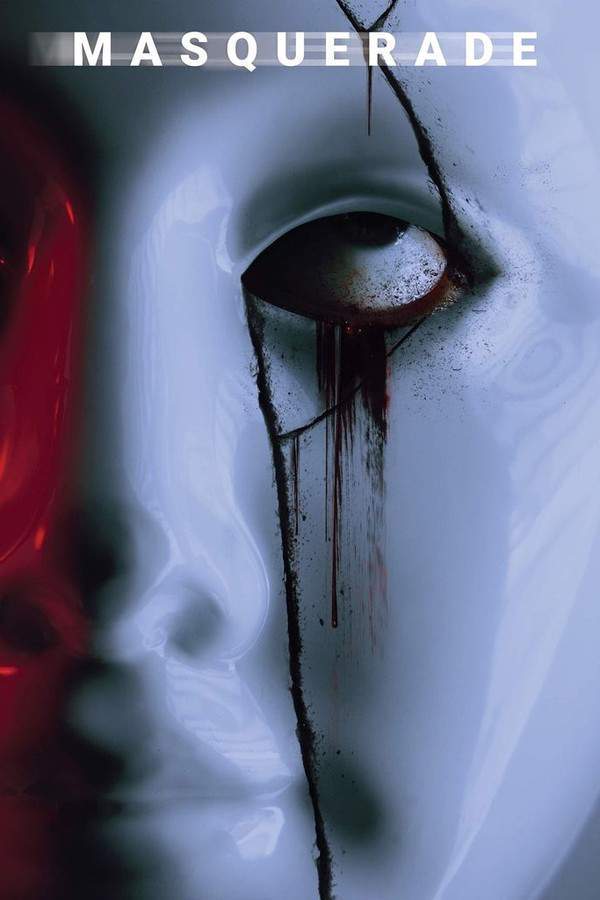
Masquerade (2012) movie poster

Timeline

Masquerade (2012) Timeline Explained – Every Event in Order

Release, runtime and language
2012 · 131 min · English
Directed by
Chang-min Choo

During the ancient Joseon Dynasty, King Gwang-hae faces constant threats of assassination and desperately seeks a substitute. His advisor discovers Ha-sun, a jester with a striking resemblance to the king, and thrusts him into the dangerous role of decoy. As Ha-sun embodies the royal persona, his innate kindness and compassion unexpectedly uplift the kingdom's spirit and earn him a reputation as a just and wise leader. However, the king’s chief political opponent, Park, grows increasingly suspicious and plots to reveal the deception.

On this page (5)
  1. 1 Events in order (12)
  2. 2 Timeline questions answered
  3. 3 Movie threads
  4. 4 Movies like Masquerade
  5. 5 Every angle

12 events in order · contains spoilers

Masquerade Timeline: Events in Chronological Order

Every key event of Masquerade (2012) in order, scene by scene, with when and where it takes place. Use it to untangle flashbacks, time jumps and parallel storylines, to refresh your memory before the sequel or to find the exact scene you are thinking of.

  1. King orders a royal double

    The ailing ruler Gwang-hae fears assassination and commands the Secretary of Defense to find a lookalike. He instructs the officials to track down a candidate who resembles the king. This plan sets the stage for a dangerous impersonation that could decide the fate of the kingdom.

    Where
    Joseon Dynasty Palace
  2. Ha-sun discovered as a suitable double

    Heo Gyun locates Ha-sun, a lowly acrobat with a sharp eye for illusion. Ha-sun is a bawdy joker who bears a striking resemblance to the king. The choice marks the start of a royal deception that will blur lines between ruler and impersonator.

    Where
    Palace vicinity
  3. Ha-sun chosen to impersonate the king

    Ha-sun is chosen to fill the king's role whenever needed. He begins to be groomed to imitate the king’s appearance and manner. The arrangement depends on Ha-sun’s ability to convincingly carry the royal burden.

    Where
    Palace
  4. Ha-sun's first official appearance as king

    Ha-sun makes his first official appearance as the king. The court witnesses the impostor in state duties and governance. People notice subtleties in leadership style that hint at a genuine shift.

    Where
    Palace throne room
  5. Ha-sun shows humanitarian reforms

    Ha-sun's governance shows greater humanitarian concern than the real king. He addresses the needs of even minor servants, lifting morale. The palace begins to see reform through a compassionate lens.

    Where
    Palace
  6. Ha-sun gains support from court insiders

    Heo Gyun and the Chief Eunuch observe the changes Ha-sun brings. They become convinced that Ha-sun may be a better ruler than Gwang-hae. Their support quietly strengthens Ha-sun's position.

    Where
    Palace
  7. Ha-sun protects the Queen and her brother

    In a turning point, Ha-sun defends the Queen's safety and shields her brother from death sentences. His actions show a commitment to safety and fairness. The Queen’s loyalty becomes strained as she grapples with the impostor’s authority.

    Where
    Queen's chambers / Palace
  8. Park Chung-seo grows suspicious

    Park Chung-seo notices the king's behavior shift and begins to question it. He probes the authenticity of the king and seeks to expose potential treachery. The rising suspicion marks the start of a palace power struggle.

    Where
    Palace
  9. Queen struggles with twin loyalties

    The Queen remains conflicted between the real king and Ha-sun’s secret rule. She weighs political expediency against personal trust. This internal conflict deepens the palace's uncertainty.

    Where
    Palace
  10. Officials demand Ha-sun's exile

    The Chief Eunuch and the Secretary of Defense urge Ha-sun to leave the country for good. They fear the double’s influence could destabilize governance if discovered. Ha-sun's presence becomes a liability in the eyes of the royal court.

    Where
    Palace
  11. Ha-sun leaves the country

    Ha-sun complies and departs the realm to await exile. His departure ends the impersonation era and alters palace dynamics. The court braces for the real king's return and a shift back to old order.

    Where
    Exile location
  12. The real king returns to punish revolts

    King Gwang-hae is restored to the throne to confront revolts. The court reasserts authority and punishes dissent with renewed vigor. The ending underscores the fragility of power and the costs of deception.

    Where
    Palace

Last updated: October 09, 2025 at 16:20

Was this helpful?

Timeline questions answered

Masquerade Timeline Explained: Your Questions Answered

When does it happen, and why in that order? The questions people ask about the chronology of Masquerade (2012): time jumps, flashbacks, cause and effect between scenes and the correct order of events, each answered with spoilers.

Q1

Why does King Gwang-hae need a royal double?

King Gwang-hae is consumed by paranoia and fear of assassination. As the 15th ruler of the Joseon Dynasty, he faces constant threats to his life and commands his Secretary of Defense to find a lookalike who can stand in for him during dangerous moments. The king himself orders this plan, believing a decoy could protect him from assassination attempts.

Foreshadowing: The king's paranoid behavior is established early, as he lashes out at even kitchen staff, showing his belief that every breath could be a trap.

  • king gwang-hae
  • double
  • assassination threat
  • royal decoy
  • joseon dynasty
Q2

How does Ha-sun go from acrobat to impersonating the king?

Ha-sun, a lowly acrobat with a roguish charm, is discovered by Secretary of Defense Heo Gyun to bear a striking resemblance to King Gwang-hae. He is recruited specifically to serve as a practical solution, a double who can appear in public during ceremonies when the real king is indisposed. The plan is initially practical, but Ha-sun gradually begins to fill the throne during the king's recovery.

Foreshadowing: The decision to recruit Ha-sun is framed as practical from the start, but hints that the line between impersonation and actual leadership will blur.

  • ha-sun
  • acrobat
  • impersonation
  • king double
  • royal substitute
Q3

Why does the Queen's loyalty become strained toward the double?

The Queen becomes conflicted because she knows the truth, that the man ruling is not her husband but an impostor. She wrestles with loyalty to the king she once knew versus the protection and fair treatment the double provides. Ha-sun's actions to protect her and shield her brother from death sentences deepen this conflict, as she must weigh political expediency against personal trust.

Foreshadowing: Early in the story, the Queen observes the sudden shift in the king's behavior, hinting at her growing suspicion.

  • queen
  • loyalty
  • impostor
  • conflict
  • brother death sentence
Q4

Why does Park Chung-seo become suspicious of the king?

Park Chung-seo, a principal political opponent of the king, notices a sudden and significant shift in the king's behavior. He observes that the king's approach to governance has changed dramatically, from volatile fear and suspicion to humanitarian warmth and compassion. This abrupt change prompts him to question the authenticity of the ruler and begin probing for evidence of treachery.

Foreshadowing: Park's suspicion is triggered specifically by the visible contrast between the king's previous behavior and Ha-sun's kinder rule.

  • park chung-seo
  • suspicion
  • expose
  • opponent
  • behavior shift
Q5

Why is Ha-sun forced to leave the kingdom?

The Chief Eunuch and Secretary of Defense Heo Gyun ultimately urge Ha-sun to leave the country because they fear his continued presence could destabilize governance if his true identity is discovered. They view the double's influence as a liability that could threaten the royal succession and court stability. Ha-sun complies and departs to await exile.

Foreshadowing: The build-up of Park Chung-seo's suspicion creates mounting pressure that makes Ha-sun's position increasingly dangerous.

  • exile
  • ha-sun leave
  • chief eunuch
  • heo gyun
  • danger
  • stability
Q6

What happens to the real King Gwang-hae during Ha-sun's rule?

The real king is drugged with a poppy-based substance by his favorite consort in a plot hatched by the law minister. This crisis accelerates Ha-sun's transition from performer to ruler. While the real king is incapacitated and recovering, Ha-sun fills the throne. At the end, the real king is restored to the throne to confront revolts and punish dissent.

Foreshadowing: The drugging incident is a pivotal moment that fundamentally changes the power dynamic in the palace.

  • real king
  • drugged
  • poppy
  • recovery
  • incapacitated
  • return
Q7

Why does Ha-sun's rule differ so much from the real king?

Ha-sun approaches governance with innate kindness and compassion that starkly contrasts the real king's volatile fear and suspicion. While the paranoid king rules through intimidation, Ha-sun listens to even the smallest servants, weighs decisions with fairness and foresight, and implements humanitarian reforms. His approach emerges from his genuine concern for the well-being of the realm rather than fear-based control.

Foreshadowing: Ha-sun's first public appearance as king is described as a revelation precisely because of this stark contrast in leadership style.

  • ha-sun rule
  • compassion
  • humane leadership
  • reforms
  • different from king
Q8

Why does Ha-sun fight to protect the Queen and her brother?

In a major turning point, Ha-sun defends the Queen's safety and intervene to shield her brother from death sentences. This action demonstrates his commitment to fairness, mercy, and protecting the vulnerable, even when it means going against the typical harsh justice of the court. It shows his governance is guided by compassion rather than political expediency.

Foreshadowing: This protection of the Queen and her brother occurs as Ha-sun gains more real influence in the palace.

  • queen brother
  • death sentence
  • protect
  • mercy
  • fairness
Q9

Why do Heo Gyun and the Chief Eunuch support Ha-sun?

Heo Gyun and the Chief Eunuch observe the changes Ha-sun brings to governance and become convinced that he may be a better ruler than the real King Gwang-hae. They see that Ha-sun combines practicality with genuine compassion and that his leadership yields better outcomes for the kingdom. Their support quietly strengthens Ha-sun's position despite knowing he is an impostor.

Foreshadowing: Their support builds gradually as they witness Ha-sun's humanitarian reforms and fair decision-making.

  • heo gyun
  • chief eunuch
  • support
  • better ruler
  • convince
Q10

Does Ha-sun ever return to the palace after exile?

According to the timeline, Ha-sun departs the realm to await exile, ending the impersonation era. The real king is then restored to the throne to deal with revolts. The story ends with the throne restored to King Gwang-hae, and Ha-sun's fate appears to be exile rather than return.

Foreshadowing: The officials' demand for Ha-sun's exile marks the end of his governance period.

  • return
  • exile
  • final fate
  • ending
Q11

What are the costs of the deception in Masquerade?

The deception carries significant costs: the kingdom lives under a lie about who truly rules, Park Chung-seo's suspicions create palace instability, and ultimately Ha-sun must be exiled to restore order. However, the real cost is moral, the story explores whether leadership built on deception can be legitimate, and whether the good that emerges from impersonation can endure once truth returns.

Foreshadowing: The ending reasserts that power built on deception is fragile, as shown when the real king must return to punish revolts.

  • deception cost
  • legitimacy
  • power
  • political cunning
  • bittersweet ending
Q12

What major themes does Masquerade explore?

Masquerade explores themes of power, legitimacy, morality, and mercy. It presents a nuanced portrait of a king who rules through fear versus a double who learns to govern with empathy. The film examines the tension between appearances and reality, asking whether true leadership can emerge when a puppet is given a genuine sense of duty to the people.

Foreshadowing: The contrast between the paranoid king's fear-based rule and Ha-sun's compassionate approach establishes these themes from the beginning.

  • themes
  • power
  • legitimacy
  • mercy
  • appearances reality
  • leadership

Movie threads

More Movies Like Masquerade, by Mood & Story

Curated lists built around what makes Masquerade tick: the same mood, the same kind of story or the same emotional payoff. Each list explains why these movies belong together.

Movies about impostor leaders like in Masquerade

An unlikely stand-in must rule, revealing surprising goodness and wisdom. If you liked Masquerade, you'll enjoy these films where characters are thrust into positions of power they don't deserve. This thread collects historical dramas and other stories featuring commoners who impersonate rulers, exploring themes of identity, genuine leadership, and the moral dilemmas of deception for a greater good.

  • suspenseful
  • thoughtful
  • hopeful
  • tense
  • introspective
  • anxious
  • Tone: tense, hopeful
  • Pacing: steady, character-driven
Why these movies?

The story pattern: The narrative follows an ordinary person abruptly placed into a high-stakes role of leadership through impersonation. The story arc explores their initial fear and incompetence, gradual adaptation, and eventual flourishing as their authentic compassion and fresh perspective challenge the cynicism and corruption of the established system, often leading to a bittersweet conclusion where the deception ends but its positive legacy remains.

Why they belong together: These films are grouped by their shared focus on the 'impostor leader' archetype, blending tense deception plots with hopeful character transformation. They explore the idea that true leadership can emerge from the most unexpected places, creating a unique mix of political suspense and humanistic drama.

Tense historical conspiracy movies like Masquerade

High-stakes political deception and betrayal within a historical court. Fans of Masquerade will appreciate these suspenseful historical dramas. This list features movies with similar court intrigue, political deception, and the constant threat of exposure or assassination, capturing the tense and thoughtful mood of stories set in the treacherous world of power.

  • tense
  • suspenseful
  • anxious
  • thoughtful
  • political
  • deceptive
  • Tone: tense, suspenseful
  • Pacing: steady, deliberate
Why these movies?

The story pattern: Stories in this thread unfold within the confined, opulent, and paranoid world of a historical court. The narrative pattern involves a central character, often an outsider or someone living a double life, who becomes entangled in or is the target of complex political machinations. The plot steadily builds suspense as loyalties are tested, schemes are uncovered, and the threat of violence looms, culminating in a resolution that often carries a bittersweet or morally complex weight.

Why they belong together: These movies share a specific vibe defined by a tense, suspenseful atmosphere within a historical setting. The combination of political deception, courtly etiquette masking deadly intentions, and the high-stakes pressure of maintaining a fragile power balance creates a coherent and gripping viewing experience.

If you liked this

Movies Like Masquerade

Similar movies to Masquerade: the same genre, themes or kind of story. Each one comes with its own plot summary, timeline and ending explained.

Browse all movie summaries

Every angle

Masquerade (2012) Explained: Plot, Timeline & Characters

Everything about Masquerade in one place: what happens in the plot summary, the timeline in chronological order, the characters and meaning and a spoiler-free summary. What's After the Movie adds the cast, box office and post-credit scenes.

Coming soon on iOS and Android

The Plot Explained Movie Summary App

Plot summaries, endings explained and timelines on your phone. Catch up on any movie in minutes, save your favorites and never miss a twist again.

Be the first to know when we launch. Your email stays private, always.

Learn more about the app