





Plot Explained Spoilers guaranteed!
Plot Explained

Browse by genre

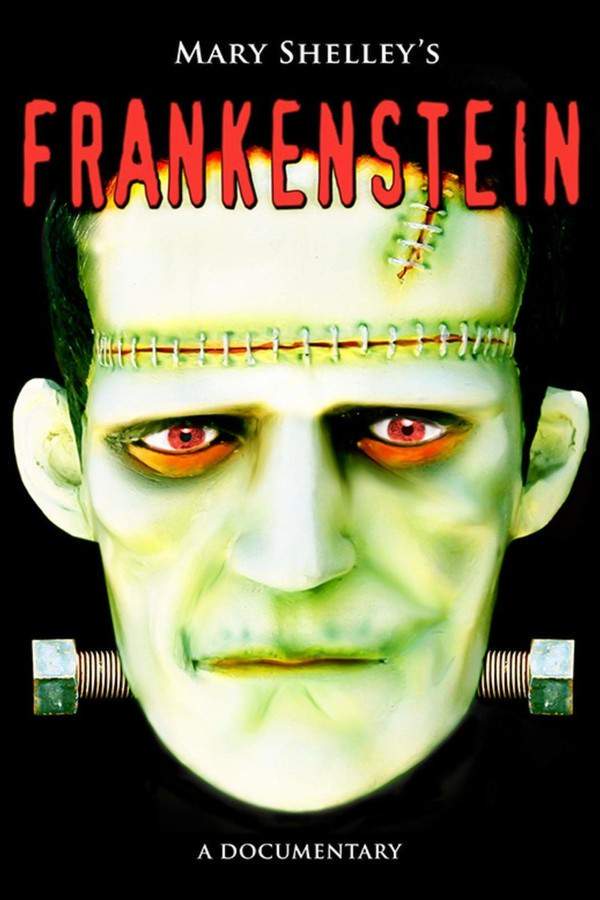
Mary Shelley's Frankenstein (1994) movie poster

Timeline

Mary Shelley's Frankenstein (1994) Timeline Explained – Every Event in Order

Release, runtime and language
1994 · 123 min · English
Directed by
Kenneth Branagh
Starring
Robert De Niro, Ian Holm, John Cleese, Helena Bonham Carter, Richard Briers, Tom Hulce

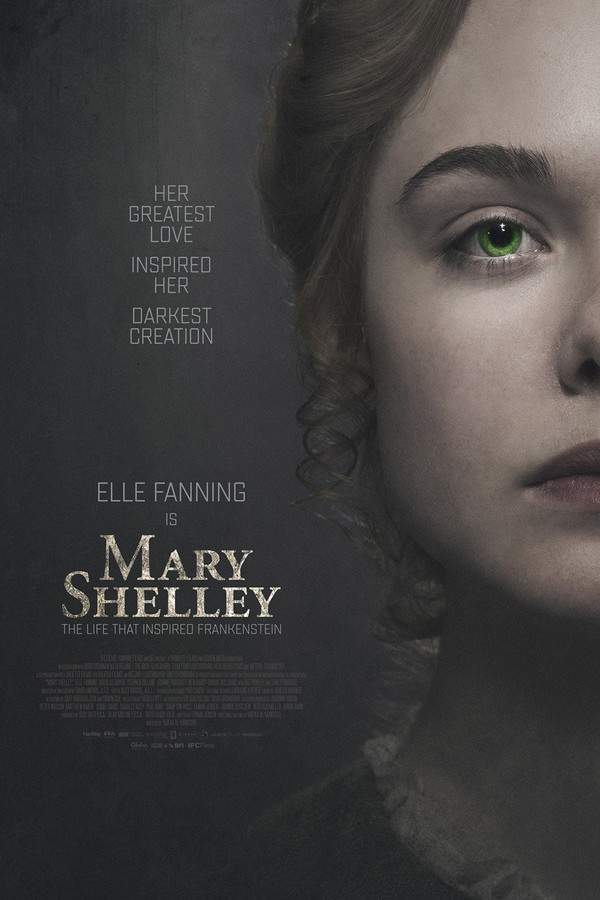
This film explores the life and creative journey of Mary Shelley, revealing the inspirations behind her iconic novel. Set in 19th-century London, it delves into the author’s experiences and the events that shaped her groundbreaking work, offering a glimpse into the origins of Frankenstein.

On this page (7)
  1. 1 Where to watch
  2. 2 Events in order (15)
  3. 3 Timeline questions answered
  4. 4 The book behind the movie
  5. 5 Movie threads
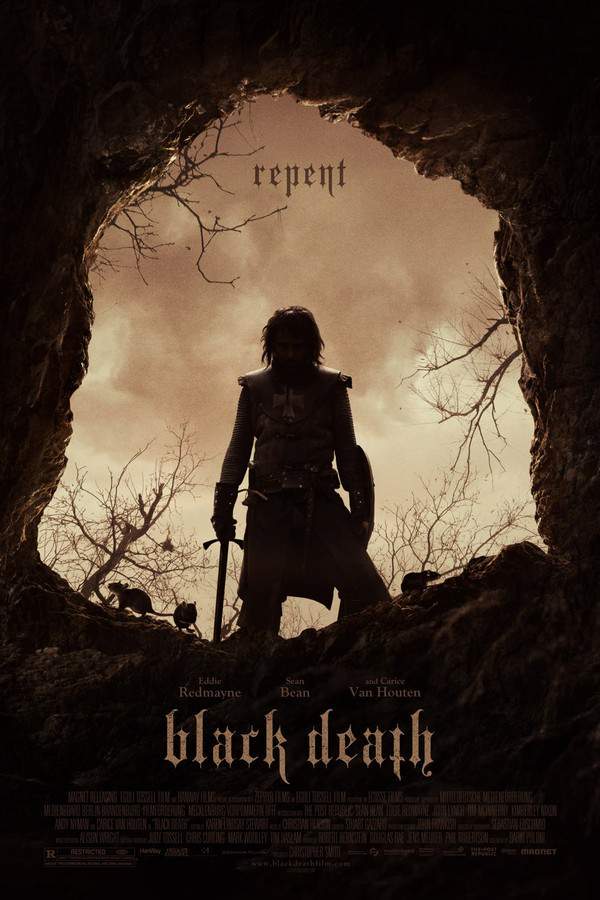
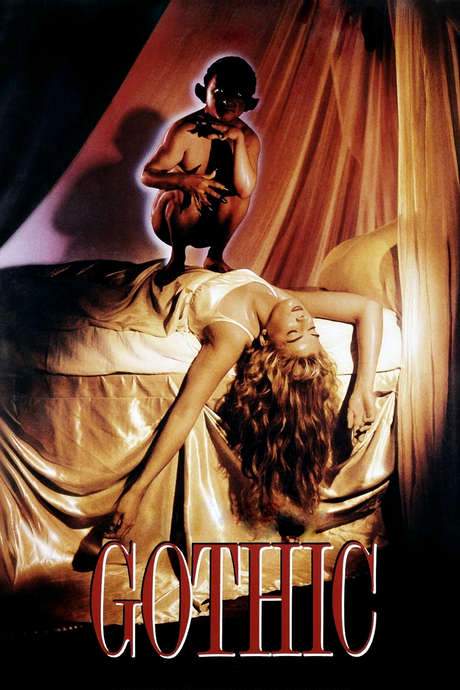
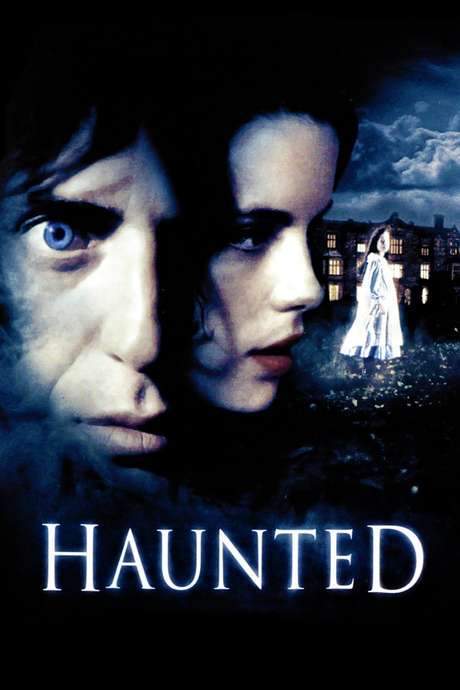
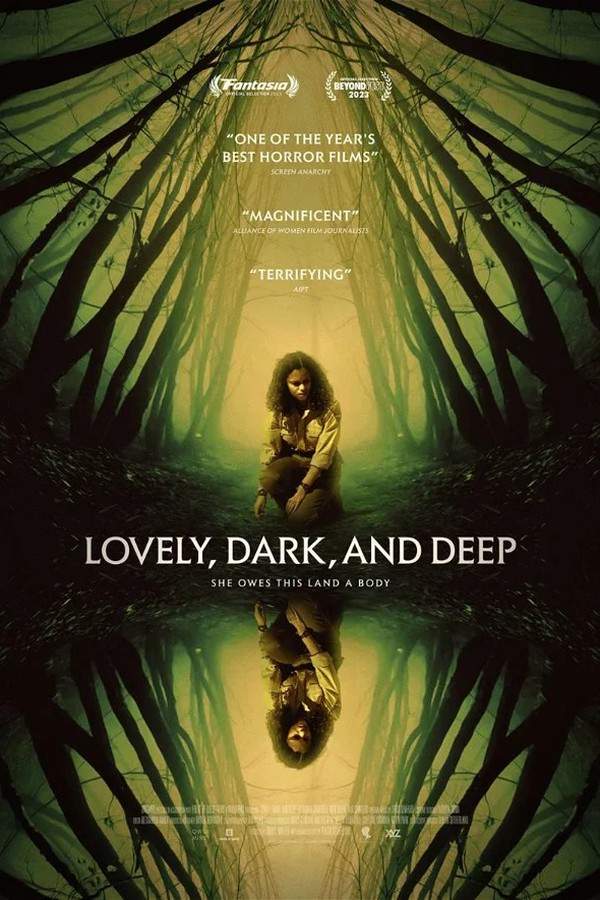
  6. 6 Movies like Mary Shelley's Frankenstein
  7. 7 Every angle

Where to watch

Where to Watch Mary Shelley's Frankenstein (1994)

Where can you watch Mary Shelley's Frankenstein? Stream, rent or buy it in the US, including on Amazon Video, Apple TV Store and Fandango At Home: current JustWatch availability with up-to-date prices.

Streaming availability powered by JustWatch

15 events in order · contains spoilers

Mary Shelley's Frankenstein Timeline: Events in Chronological Order

Every key event of Mary Shelley's Frankenstein (1994) in order, scene by scene, with when and where it takes place. Use it to untangle flashbacks, time jumps and parallel storylines, to refresh your memory before the sequel or to find the exact scene you are thinking of.

  1. Walton's Expedition Begins

    Captain Walton and his crew embark on a treacherous expedition into the Arctic Sea, fueled by ambition and the desire to reach the North Pole. However, their journey quickly turns perilous as they find themselves trapped in the unforgiving ice.

    Where
    Arctic Sea
  2. Discovery of Victor Frankenstein

    Amidst the icy landscape, Walton's crew discovers the seemingly lifeless body of Victor Frankenstein. His presence adds a layer of mystery to their already daunting expedition as Walton tries to awaken him.

    Where
    Arctic Sea
  3. Victor's Reflection

    Upon recovering, Victor engages in a profound conversation with Walton, questioning whether they share a similar madness. This prompts Victor to recount the tragic tale of his life, beginning a series of vivid flashbacks.

    Where
    Arctic Sea
  4. Victor's Childhood in Geneva

    The timeline flashes back to Victor's early years in Geneva, where he grew up alongside his adopted sister, Elizabeth Lavenza. The loss of their mother during childbirth casts a long shadow over Victor's formative years and shapes his ambitions.

    Where
    Geneva
  5. Victor's Ambition to Defy Death

    Victor makes a grave promise at his mother's tomb, vowing to conquer death itself. This moment sets off a chain of events that leads him down a dark and obsessive path, shaping his future.

    Where
    Geneva
  6. Journey to Ingolstadt

    Leaving behind his childhood, Victor travels to the University of Ingolstadt, driven by ambition and the desire for knowledge. There, he forms a deep friendship with Henry Clerval, who becomes a key figure in his life as they study together.

    Where
    Ingolstadt
  7. Meeting Professor Waldman

    Victor and Henry study under Professor Shmael Augustus Waldman, whose lectures reveal the secrets of life itself. However, Waldman's cautionary words about the dangers of tampering with nature loom over Victor's aspirations.

    Where
    Ingolstadt
  8. Death of Professor Waldman

    A pivotal moment occurs when Professor Waldman is murdered by a patient, which leads Victor into a dark obsession with reanimating life. His experiments become increasingly reckless as he combines parts of corpses in an attempt to create life.

    Where
    Ingolstadt
  9. The Creation Comes to Life

    In a moment of twisted triumph, Victor successfully animates his creation, only to be repulsed by its grotesque appearance. Overcome with horror and regret, he watches as the creature escapes into the night, doomed to a life of isolation.

  10. The Creature's Solitude

    The creature finds refuge with a rural family, gradually learning about human behavior and communication through observation. However, this newfound understanding leads to terror when the family discovers its true nature, resulting in its expulsion.

    Where
    Rural Home
  11. The Creature's Vengeance

    After discovering Victor's journal, the creature's rage simmers, prompting it to burn down the farmhouse in a fit of anger. It vows revenge against Victor, blaming him for its inexplicable existence and resulting suffering.

    Where
    Rural Home
  12. Tragedy Strikes in Geneva

    As Victor prepares to marry Elizabeth, tragedy strikes when his younger brother William is found dead. Victor harbors the agonizing truth that the real murderer is his own creation, yet he remains silent as an innocent servant, Justine, is wrongfully accused and executed.

    Where
    Geneva
  13. The Creature's Demands

    The creature confronts Victor, demanding that he create a companion to alleviate its loneliness. While it promises peace in exchange for this favor, Victor’s horror grows when the creature suggests using Justine's corpse for this new being.

  14. Death of Elizabeth

    On the night of Victor and Elizabeth’s wedding, the creature executes its revenge by killing Elizabeth. Devastated by grief, Victor is consumed with sorrow and rises in despair, desperately trying to resurrect her but fails once again.

  15. Final Encounters in the Arctic

    In the chilling Arctic, Victor shares his tragic story with Walton as he succumbs to pneumonia. The creature, grief-stricken and alone after losing its creator, requests to stay by Victor's side, leading to a solemn finality as both find peace in their tragic fates.

    Where
    Arctic Sea

Last updated: November 21, 2024 at 11:15

Was this helpful?

Timeline questions answered

Mary Shelley's Frankenstein Timeline Explained: Your Questions Answered

When does it happen, and why in that order? The questions people ask about the chronology of Mary Shelley's Frankenstein (1994): time jumps, flashbacks, cause and effect between scenes and the correct order of events, each answered with spoilers.

Q1

Why did Victor Frankenstein vow to conquer death?

Victor made this pledge at his mother's grave after she died giving birth to Elizabeth. The devastating loss profoundly affected him, and in a moment of grief-fueled determination, he vowed to defeat death itself. This promise sets in motion his obsessive pursuit of creating life, which becomes the central tragedy of the film.

Foreshadowing: Victor mentions his ambition to his mother as a child, telling her he will make her proud by conquering death.

  • victor frankenstein
  • mother death
  • pledge
  • ambition
  • life creation
Q2

Why does Victor abandon his creation right after bringing it to life?

When Victor successfully animates the creature, he is immediately overwhelmed by disgust and horror at its grotesque appearance. Rather than confronting what he has done, he flees in terror and attempts to destroy it. This initial rejection sets in motion the creature's path toward isolation and revenge, as the creator himself rejects his creation before giving it any chance.

Foreshadowing: Professor Waldman's warning about meddling with nature echoes in this moment of hubris.

  • victor frankenstein
  • creation
  • rejection
  • abandonment
  • monster
Q3

Why does the creature kill Victor's brother William?

The creature kills William as an act of deliberate retaliation against Victor. After being rejected by society and the family that briefly sheltered him, the creature discovers Victor's journal which reveals the truth about its creation. Finding the farmhouse empty and abandoned, the creature burns it down and seeks vengeance by targeting Victor's family. William becomes the innocent victim of this calculated retribution.

Foreshadowing: The creature's journal entry explicitly states it will be revenged on Victor.

  • creature
  • william frankenstein
  • killed
  • revenge
  • victor
Q4

Why does Victor let Justine take the blame for William's murder?

Victor knows the creature is the real killer of his brother William, yet he remains silent while the innocent servant Justine is wrongfully accused and executed. His silence stems from a combination of shame about his creation, fear of revealing his involvement, and perhaps a belief that no one would believe him. This moral failure haunts Victor throughout the film and represents one of his greatest character flaws.

Foreshadowing: Victor's earlier refusal to take responsibility for the creature foreshadows this devastating choice.

  • justine
  • execution
  • victor frankenstein
  • guilt
  • silence
  • brother
Q5

Why does Victor refuse to create a companion for the creature?

When the creature demands a mate, Victor initially agrees but then refuses when the creature suggests using Justine's corpse, the innocent woman wrongfully executed for William's murder. This proposal horrifies Victor, who sees it as desecration. However, this refusal further enrages the creature and directly leads to Elizabeth's death, as the creature punishes Victor for denying it the one thing it requested.

Foreshadowing: Victor's earlier pattern of abandoning creations recurs here.

  • creature
  • companion
  • mate
  • refusal
  • justine corpse
  • elizabeth
Q6

Why does the creature kill Elizabeth on her wedding night?

The creature murders Elizabeth as the ultimate act of vengeance against Victor. After Victor refused to create a companion for him and denied him the only chance at companionship he was offered, the creature decides to take everything Victor loves. The wedding night becomes the perfect opportunity for this brutal act, ensuring Victor experiences the same loss and isolation the creature has suffered.

Foreshadowing: The creature warned Victor that he would be with him on his wedding night.

  • creature
  • elizabeth death
  • killed
  • wedding night
  • revenge
  • victor
Q7

Why does Elizabeth set herself on fire?

After being killed by the creature, Victor attempts to resurrect Elizabeth but fails. Overwhelmed by grief and perhaps driven by a desperate need to escape her fate, Elizabeth's lifeless body somehow ignites, and she burns in the pyre Victor builds. This tragic end fulfills the pattern of fire consuming those connected to Victor's creation.

  • elizabeth
  • fire
  • death
  • self-destruction
  • resurrection
Q8

Why does the creature mourn Victor's death and request to stay with his body?

Despite everything Victor did to him, the creature experiences genuine grief at his creator's death. This complex emotion stems from the creature's deep loneliness, Victor, however terrible, was the only being he ever had a connection to. By requesting to stay with Victor's body and then burning himself on the funeral pyre, the creature achieves a tragic form of peace, choosing to end its existence rather than continue in isolation.

Foreshadowing: The creature earlier stated he would be with Victor when he died.

  • creature
  • victor death
  • mourn
  • sacrifice
  • pyre
  • lonesomeness
Q9

Why is Captain Walton's Arctic expedition important to the story?

Captain Walton's expedition serves as the framing device that frames the entire narrative. He discovers the dying Victor Frankenstein, and his own ambitious drive to reach the North Pole mirrors Victor's ambition to conquer death. Through listening to Victor's confession, Walton learns the tragic consequences of unchecked ambition, ultimately choosing to turn back and spare his crew from Victor's fate.

Foreshadowing: Victor asks Walton if he shares his madness, directly connecting their parallel ambitions.

  • walton
  • arctic
  • expedition
  • ambition
  • frame narrative
  • parallel
Q10

How does the creature learn to read and speak?

The creature teaches himself by observing a rural family living in a farmhouse. He watches them daily through the windows, teaching himself to read and speak by mimicking their interactions. The blind patriarch becomes the creature's only friend, unknowingly communicating with him and sharing stories, until the sighted family members discover the creature and drive it away.

Foreshadowing: The creature's keen observation and intelligence are established early when he mimics Victor's movements.

  • creature
  • learns language
  • reading
  • family
  • blind man
  • education
Q11

Why does Victor use Professor Waldman's brain for his experiment?

Victor uses Waldman's brain specifically because it represents the knowledge that inspired his ambition. After Waldman is murdered by a patient, Victor obtains the body and combines parts from different corpses, including Waldman's brain, to create his creature. The use of Waldman's brain carries symbolic weight, as it contains the very intellectual secrets that drove Victor to attempt to create life.

Foreshadowing: Waldman's lectures inspired Victor's obsession with the secrets of life itself.

  • waldman
  • brain
  • experiment
  • creation
  • knowledge
  • professor
Q12

Why does Victor die in the Arctic?

Victor dies of pneumonia in the Arctic while recounting his story to Captain Walton. His body, weakened by the physical and emotional toll of his obsessive quest, cannot survive the harsh Arctic conditions. His death serves as the final consequence of his lifetime of chasing his ambition to conquer death, ironically, he cannot escape his own mortality despite all his efforts.

Foreshadowing: Victor's declining health is evident throughout the film as he pursues his creation.

  • victor
  • death
  • arctic
  • pneumonia
  • physical decline
  • consequences

Movie threads

More Movies Like Mary Shelley's Frankenstein, by Mood & Story

Curated lists built around what makes Mary Shelley's Frankenstein tick: the same mood, the same kind of story or the same emotional payoff. Each list explains why these movies belong together.

Gothic Tragedies of Hubris and Despair like Mary Shelley's Frankenstein

Somber tales where the quest for forbidden knowledge leads to ruin and sorrow. If you were captivated by the dark ambition and tragic consequences in Mary Shelley's Frankenstein, explore more movies like it. This collection features similar gothic horror and drama stories where characters are destroyed by their own unchecked pride and the monstrous results of their actions.

  • gothic
  • tragic
  • obsessive
  • desolate
  • melancholic
  • somber
  • Tone: dark, tragic, melancholic
  • Pacing: steady, deliberate
Why these movies?

The story pattern: The narrative follows a classic tragic arc: a driven, intelligent protagonist is consumed by an obsession, typically to create, conquer, or know something forbidden. Their initial success quickly sours, unleashing consequences they cannot control, leading to the destruction of all they hold dear and culminating in an inescapably bleak finale.

Why they belong together: These films are grouped by their shared dark tone, heavy emotional weight, and thematic focus on the dangers of ambition. They create a cohesive experience of mounting dread and inevitable tragedy, appealing to viewers who appreciate solemn, morally complex stories without redemption.

Intensely Melancholic Gothic Horror Movies like Mary Shelley's Frankenstein

Atmospheric horror steeped in sorrow, loss, and a pervasive sense of doom. For viewers who appreciated the profound sadness and gothic mood of Mary Shelley's Frankenstein, this list finds similar horror films. These movies blend dread with despair, featuring bleak settings, tragic characters, and a focus on emotional horror alongside the supernatural or grotesque.

  • melancholic
  • gothic
  • moody
  • desolate
  • tragic
  • tense
  • Tone: dark, melancholic, desolate
  • Pacing: steady, moody build
Why these movies?

The story pattern: Stories in this thread often unfold in oppressive, decaying settings that mirror the internal states of the characters. The plot is driven by past trauma, unresolved grief, or a deeply melancholic obsession, where supernatural or monstrous elements serve as manifestations of deep-seated human sorrow rather than mere threats.

Why they belong together: They share a specific vibe: a high-intensity, dark tone that is more mournful than purely terrifying. The pacing is steady, building a palpable atmosphere of doom, and the emotional core is rooted in loss, making the horror feel deeply personal and tragic.

If you liked this

Movies Like Mary Shelley's Frankenstein

Similar movies to Mary Shelley's Frankenstein: the same genre, themes or kind of story. Each one comes with its own plot summary, timeline and ending explained.

Browse all movie summaries

Every angle

Mary Shelley's Frankenstein (1994) Explained: Plot, Timeline & Characters

Everything about Mary Shelley's Frankenstein in one place: what happens in the plot summary, the timeline in chronological order, the characters and meaning and a spoiler-free summary. What's After the Movie adds the cast, box office and post-credit scenes.

Coming soon on iOS and Android

The Plot Explained Movie Summary App

Plot summaries, endings explained and timelines on your phone. Catch up on any movie in minutes, save your favorites and never miss a twist again.

Be the first to know when we launch. Your email stays private, always.

Learn more about the app