Plot Explained Spoilers guaranteed!
Plot Explained

Browse by genre

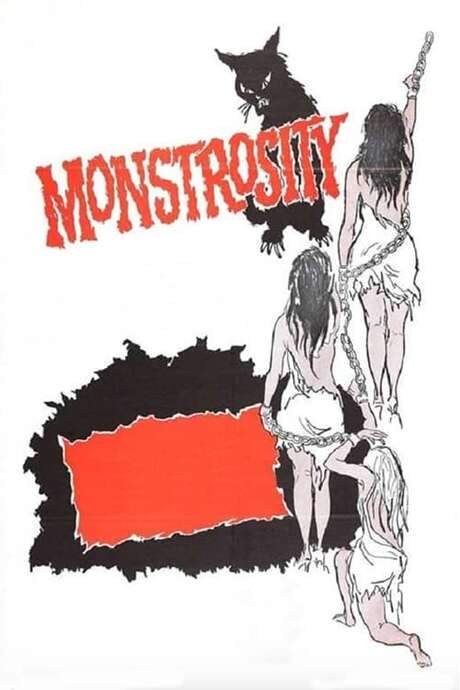
Frankenstein’s Daughter (1958) movie poster

Plot Summary

Frankenstein’s Daughter (1958) Plot Summary Explained

Release, runtime and language
1958 · 85 mins · English
Directed by
Richard E. Cunha
Starring
Sandra Knight, Robert Dix, John Ashley, George Barrows, Donald Murphy, Wolfe Barzell

A mad descendant of Dr. Frankenstein awakens the legacy of his ancestor, resurrecting terror from the grave to unleash new horrors in present‑day Los Angeles. Obsessed with creating monstrous beings, he spirals into increasingly destructive and terrifying experiments that threaten the city.

On this page (5)
  1. 1 What happens: full plot
  2. 2 Plot questions answered
  3. 3 Movie threads
  4. 4 Movies like Frankenstein’s Daughter
  5. 5 Every angle

Full plot summary · contains spoilers

What Happens in Frankenstein’s Daughter: Full Plot Summary

The whole story of Frankenstein’s Daughter (1958) explained, from the opening scene to the final frame: every key event, every twist and what it all adds up to. Read it as a quick recap before the sequel, to check a scene you missed, or to finally understand what really happened.

Teenage Trudy Morton lives in a world where fear and fantasy collide. She shares a home with her uncle, Carter Morton, and a shadowy scientist, Oliver Frank, who has been living with them and conducting experiments in a makeshift lab. Trudy’s nights are haunted by visions of a monster tearing through the city streets, a nightmare she balks at sharing with her skeptical boyfriend, Johnny Bruder. But the nightmare is closer to reality than anyone suspects: Trudy herself becomes the very creature she fears once the potion-like formula from Carter’s home lab is mixed into her fruit punch by Oliver, who is secretly building a “perfect being.”

In this tense household drama, Carter’s grandiose dream is to wipe out disease so people can live forever, a vision that clashes with Oliver’s more personal, monstrous ambition. With the help of Elsu the gardener, Elsu, Oliver schemes to assemble a living being, and the two men are drawn into a deadly web of science and sin. The plot thickens when Carter’s project hits a snag and he must steal back more of the elusive chemical, Digenerol, by breaking into Rockwell Labs. The theft sets off a cascade of danger that seeps into every corner of the Morton home and beyond.

The danger becomes painfully real when a frightened woman reports a monster in a swimsuit on the loose. Lt. Boyle and Det. Bill Dillon arrive to investigate, catching a glimpse of Trudy’s monstrous form and opening fire in vain. Oliver drags Trudy back to the sanctuary of the Morton residence, and a fragile calm settles in—until the night when Trudy’s friend, Suzie Lawler, visits and an attempted assault reveals the darker uses Oliver has for the Digenerol. To satisfy his own needs for a brain for the creation, Oliver murders Suzie, revealing a chilling belief that “now we’re aware the female mind is conditioned to a man’s world. It therefore takes orders, where the other ones didn’t.”

As Carter’s stolen supply fuels the reanimation experiments, the tension explodes. When Trudy’s distress signals from the lab grow louder, Elsu inadvertently disrupts the setup, and Oliver’s attempt to resurrect the creature pushes the experiment into a new, dangerous phase. The monster is born—scarred, unrecognizable, and deadly—and flees into the night, killing a warehouse worker at a nearby depot. A coworker, Mack, dials the police, and the city’s fear grows louder.

That evening, a knock at the Morton door brings the monster to the threshold, and Trudy faints at the sight. Elsu tries to coax the creature back to the lab, while Don arrives to check on Trudy and avoid tainting his friend Johnny’s faith in her imagination. Oliver’s ambition shifts toward control, and he sets his sights on Carter’s lab—even as the police close in on the tangled web of lies and half-truths that bind the Morton clan together. The truth about Carter’s work surfaces, and Oliver orders the monster to kill anyone who might stand in the way.

A tense confrontation unfolds in the lab as Det. Bill Dillon remains behind to monitor Oliver. Dillon’s discovery of the monster’s hiding place triggers Oliver’s command to the creature to eliminate him. When Johnny Bruder and Trudy return, they find the hideout and confront Oliver. A dramatic clash ensues: Johnny hurls a vial of acid towards the monster, but it shatters against Oliver, melting his face instead. In the chaos, the monster, misdirected by the misfired attack, catches fire on a Bunsen burner and the lab erupts in flames.

With Carter dead and the monster engulfed in flames, Trudy and Johnny escape the wreckage, stepping back into a world that feels cooler and clearer, yet forever altered by the nightmarish events that began in a simple home laboratory. The story closes with the memory of a dream and the haunting realization that some thirsts for power can blur the line between science and humanity, leaving only ashes where there once was life.

Last updated: October 09, 2025 at 10:45

Was this helpful?

Plot questions answered

Frankenstein’s Daughter Plot Explained: Your Questions Answered

The questions people ask most about Frankenstein’s Daughter (1958): what happens in the confusing scenes, why the characters do what they do, the twists, hidden details and what the ending means. Each answer contains spoilers.

Q1

Why does Oliver put Digenerol in Trudy's fruit punch?

Oliver secretly adds the Digenerol formula to Trudy's fruit punch because he needs a subject for his experiments. He believes he can create a perfect living being, and using someone living in the house gives him easy access to observe and control the transformation. Trudy becomes the creature he has been trying to create.

Foreshadowing: The earlier scenes show Oliver discussing his dream of creating a perfect being with Carter, hinting at his willingness to use anyone for his experiments.

  • digenerol formula
  • trudy transformation
  • oliver frank
  • monster creation
  • home lab experiments
Q2

How does Trudy become the monster?

Trudy transforms into the monster after drinking fruit punch that Oliver has spiked with Digenerol. The formula causes her to undergo a physical transformation into a monstrous creature. She experiences this as a nightmare at first, but the reality of her transformation becomes undeniable when the police encounter her monstrous form attacking a woman in the city.

Foreshadowing: Trudy's recurring nightmares of a monster tearing through city streets are actually visions of her own future transformation.

  • trudy monster transformation
  • digenerol effects
  • trudy morton
  • monster attacks
Q3

Why does Oliver murder Suzie Lawler?

Oliver kills Suzie Lawler because he needs a fresh brain for his creation. After attempting to assault her, he runs her over with his car and kills her, believing he can use her brain for the perfect being he is trying to construct. His chilling rationale is that "the female mind is conditioned to a man's world," making what he considers an ideal brain for his purposes.

Foreshadowing: Earlier, Oliver and Carter discuss needing a brain for their experiment, establishing this motivation before Suzie's murder.

  • suzie lawler death
  • oliver murder
  • brain for creation
  • perfect being
Q4

What is Oliver Frank's plan for the monster?

Oliver plans to transplant Trudy's brain into the monster's body, creating what he considers his ultimate creation, a perfect being. He reveals this during the final confrontation when he tells Trudy and Johnny that he intends to take her brain and put it into the creature. This explains why he chose to transform Trudy in the first place.

Foreshadowing: Oliver's obsession with creating a perfect being and his interest in Trudy specifically hint at this plan throughout the film.

  • brain transplant
  • trudy brain
  • oliver plan
  • perfect being creation
Q5

How does Carter Morton die?

Carter Morton dies in police custody after being arrested for the Digenerol theft from Rockwell Labs. When the police question him, Oliver manipulates the situation by claiming Carter is mentally ill, leading to Carter's arrest. Carter dies while in custody, though the exact circumstances of his death are not fully detailed in the film.

Foreshadowing: The escalating tension between Carter and Oliver, combined with Oliver's manipulative behavior, foreshadows Carter's downfall.

  • carter morton death
  • arrest
  • police custody
  • digenerol theft
Q6

Why does the monster return to the Morton home?

The monster returns to the Morton home because it was created there and is drawn back to where it originated. After killing the warehouse worker at the freight depot, the creature makes its way back to the Morton residence. Elsu coaxes it into the lab where it can be contained, shifting the threat from the public streets to the controlled environment of the home lab.

Foreshadowing: The creature's creation in the home lab establishes it as being connected to that location, explaining its return.

  • monster returns
  • freight depot kill
  • monster location
  • morton home
Q7

Why does Oliver Frank live with the Morton family?

Oliver Frank lives with the Morton family as a scientist conducting experiments in their private home lab. He is related to the original Frankenstein family and uses Carter Morton's home as a base for his Digenerol experiments. Carter shares Oliver's scientific ambitions to eliminate disease and achieve immortality, which is why he allows Oliver to live there and work on the project.

Foreshadowing: Carter and Oliver's discussions about their grand scientific goals establish their working relationship from the beginning.

  • oliver frank lives with morton
  • home lab
  • scientist
  • carter morton relationship
Q8

Why does Carter steal Digenerol from Rockwell Labs?

Carter steals Digenerol from Rockwell Labs because their home supply is accidentally spilled. When Carter knocks the Digenerol bottle from Oliver's hand during a confrontation with Elsu, the entire supply is lost. Desperate to continue their experiments, Carter breaks into Rockwell Labs to steal more of the chemical they need for their project.

Foreshadowing: The earlier scenes establish that Rockwell Labs is the source of the Digenerol, making the theft a logical consequence.

  • digenerol theft
  • rockwell labs
  • carter steals
  • chemical stolen
Q9

What happens to the monster at the end?

In the final confrontation, the monster turns on Oliver when Johnny hurls a vial of acid during the clash. The acid shatters against Oliver instead of the creature, hitting Oliver and causing his face to melt. The monster then becomes entangled with a Bunsen burner, catches fire, and the lab erupts in flames. The creature is destroyed in the fire along with Oliver.

Foreshadowing: Oliver's command for the monster to kill Detective Dillon shows the creature follows Oliver's orders, making its sudden attack on Oliver unexpected.

  • monster dies
  • oliver death
  • lab fire
  • final confrontation
Q10

Does Trudy remain a monster at the end?

Trudy does not remain a monster at the end. After Oliver dies in the chaos of the lab fire, Trudy and Johnny escape the burning Morton home together. The film ends with them stepping out into a cooler, clearer world, free from the monster transformation. The memory of the nightmare is over, and Trudy appears to have returned to her normal self.

Foreshadowing: The recurring theme of Trudy's nightmare ending, combined with the destruction of the monster, foreshadows her liberation.

  • trudy survives
  • trudy normal
  • ending
  • escape fire
  • monster destroyed

Movie threads

More Movies Like Frankenstein’s Daughter, by Mood & Story

Curated lists built around what makes Frankenstein’s Daughter tick: the same mood, the same kind of story or the same emotional payoff. Each list explains why these movies belong together.

Movies with Mad Science like Frankenstein’s Daughter

Classic tales of obsessive scientists creating unnatural horrors in suburbia. If you enjoyed the obsessive experimentation and monstrous fallout in Frankenstein’s Daughter, explore these similar movies. This collection features classic sci-fi horror where unethical scientists create new lifeforms with deadly results, perfect for fans of '50s B-movies and tales of scientific hubris.

  • creepy
  • anxious
  • suspenseful
  • paranoid
  • unethical science
  • body horror
  • Tone: dark, paranoid
  • Pacing: steady, building
Why these movies?

The story pattern: These narratives typically follow a clear arc: an obsessed scientist, often working in isolation or secrecy, pushes the boundaries of science to create or reanimate life. Their creation initially seems like a success but soon reveals its monstrous nature, leading to a destructive rampage and a final confrontation that often consumes the creator.

Why they belong together: Movies in this thread share a specific thematic core of scientific ambition leading to horror. They cultivate a creepy, anxious mood through the portrayal of unethical experiments and the inevitable, often violent, consequences. The tone is consistently dark, and the pacing is steady, building tension towards a climactic release of the created terror.

Movies with Creepy Suburban Dread like Frankenstein’s Daughter

Stories where everyday settings become ground zero for a slowly unfolding horror. For viewers who liked the anxious, nightmarish atmosphere of Frankenstein’s Daughter unfolding in a Los Angeles setting, this list offers similar movies. Discover chilling horror and sci-fi tales where terror invades ordinary places, creating a sense of paranoid claustrophobia and creepy suspense that builds steadily to a climax.

  • creepy
  • suspenseful
  • anxious
  • claustrophobic
  • nightmarish
  • paranoid
  • Tone: dark, anxious
  • Pacing: steady, methodical
Why these movies?

The story pattern: The narrative pattern involves a hidden danger—a person, creature, or secret—embedded within a commonplace community. The story steadily reveals the threat, often through a series of unsettling events, creating a growing sense of anxiety and paranoia among the characters. The pacing is deliberate, focusing on the slow corruption of a safe space into a landscape of fear.

Why they belong together: These films are grouped by their shared ability to cultivate a specific mood of sustained, creepy dread within mundane settings. They rely on a steady pace to build tension and an anxious, sometimes claustrophobic, atmosphere. The emotional weight is typically medium, balancing serious consequences with the visceral thrill of the horror premise.

If you liked this

Movies Like Frankenstein’s Daughter

Similar movies to Frankenstein’s Daughter: the same genre, themes or kind of story. Each one comes with its own plot summary, timeline and ending explained.

Browse all movie summaries

Every angle

Frankenstein’s Daughter (1958) Explained: Plot, Timeline & Characters

Everything about Frankenstein’s Daughter in one place: what happens in the plot summary, the timeline in chronological order, the characters and meaning and a spoiler-free summary. What's After the Movie adds the cast, box office and post-credit scenes.

Coming soon on iOS and Android

The Plot Explained Movie Summary App

Plot summaries, endings explained and timelines on your phone. Catch up on any movie in minutes, save your favorites and never miss a twist again.

Be the first to know when we launch. Your email stays private, always.

Learn more about the app