





Plot Explained Spoilers guaranteed!
Plot Explained

Browse by genre

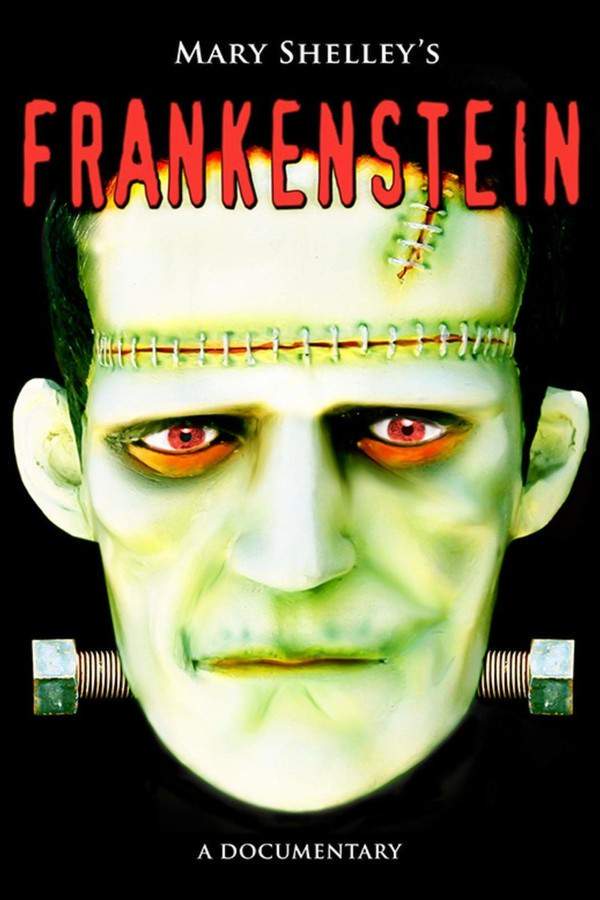
Mary Shelley's Frankenstein (1994) movie poster

Characters & Themes

Mary Shelley's Frankenstein (1994) Characters, Setting & Themes Explained

Release, runtime and language
1994 · 123 min · English
Directed by
Kenneth Branagh
Starring
Robert De Niro, Ian Holm, John Cleese, Helena Bonham Carter, Richard Briers, Tom Hulce

This film explores the life and creative journey of Mary Shelley, revealing the inspirations behind her iconic novel. Set in 19th-century London, it delves into the author’s experiences and the events that shaped her groundbreaking work, offering a glimpse into the origins of Frankenstein.

On this page (9)
  1. 1 Where to watch
  2. 2 Characters explained (4)
  3. 3 Where & when it takes place
  4. 4 Themes & meaning (3)
  5. 5 Character & meaning questions
  6. 6 The book behind the movie
  7. 7 Movie threads
  8. 8 Movies like Mary Shelley's Frankenstein
  9. 9 Every angle

Where to watch

Where to Watch Mary Shelley's Frankenstein (1994)

Where can you watch Mary Shelley's Frankenstein? Stream, rent or buy it in the US, including on Amazon Video, Apple TV Store and Fandango At Home: current JustWatch availability with up-to-date prices.

Streaming availability powered by JustWatch

4 main characters · contains spoilers

Mary Shelley's Frankenstein Characters Explained: Who Is Who

The main characters of Mary Shelley's Frankenstein (1994), heroes and villains: what drives them, how they change over the course of the story and what each of them reveals about the film's bigger ideas.

  • Victor Frankenstein (Robert De Niro)

    Victor Frankenstein is a driven and ambitious scientist whose quest to conquer death leads to disastrous consequences. His passionate desire to create life blinds him to the moral implications of his actions, resulting in isolation and immense tragedy. Throughout the film, Victor grapples with guilt and the repercussions of his obsessive pursuits.

    • 💡 Scientist
    • 🔥 Obsessed
    • 💔 Tragic
  • Elizabeth Lavenza

    Elizabeth Lavenza is Victor's beloved, whose profound love for him is met with tragedy and loss. She embodies innocence and is ultimately a victim of Victor's choices, highlighting the theme of sacrifice within the story. Her tragic end serves to deepen Victor's feelings of guilt and loss.

    • ❤️ Love
    • 😔 Innocence
    • ⚰️ Tragic
  • The Creature

    The Creature is a tragic figure, born out of Victor's unquenchable thirst for knowledge and power. Despite its horrific appearance, it seeks love and acceptance but is continually rejected by society. This leads to its profound loneliness and desire for vengeance against Victor, illustrating the consequences of neglect and misunderstanding.

    • 🧟‍♂️ Outsider
    • 😢 Misunderstood
    • 🔥 Vengeful
  • Captain Walton

    Captain Walton is an ambitious explorer whose encounter with Victor Frankenstein underscores the central themes of ambition and responsibility. His moral dilemma and quest for glory serve as a reflection of Victor's own journey, ultimately leading to a deeper understanding of the costs associated with unchecked desire.

    • 🏔️ Explorer
    • 🧭 Ambitious
    • 🤔 Reflective

Last updated: October 22, 2024 at 22:34

Was this helpful?

Setting

Where and When Does Mary Shelley's Frankenstein Take Place?

The setting of Mary Shelley's Frankenstein (1994): the year and time period, the places and locations, and how they shape the characters, the mood and the tension of the story.

Time period

18th Century

The 18th century was a period marked by Enlightenment ideals, burgeoning scientific inquiry, and the clash between reason and emotion. It was during this era that individuals like Victor Frankenstein sought to unlock the secrets of life, often disregarding ethical boundaries. The consequences of such reckless ambition ripple through the narrative, emphasizing the profound implications of man's desire to conquer nature.

Location

Arctic Sea, Geneva, University of Ingolstadt

The Arctic Sea serves as a cold and unforgiving backdrop for Captain Walton's tragic expedition, encapsulating the isolation and desperation that accompanies man's ambition. Geneva, Victor Frankenstein's hometown, is a city known for its vibrant culture and intellect, yet it becomes a site of personal tragedy for him. The University of Ingolstadt stands as a beacon of knowledge, symbolizing both the pursuit of enlightenment and the dangers of unrestrained scientific experimentation.

  • 🌨️ Arctic
  • 🌆 City
  • 🎓 Education

Last updated: October 22, 2024 at 22:34

Was this helpful?

3 major themes

Mary Shelley's Frankenstein Meaning: Themes & Message Explained

What is Mary Shelley's Frankenstein (1994) really about? The emotional, social and philosophical themes the film keeps returning to, its symbolism and the message beneath the surface.

  • Creation

    Creation is a central theme in the film, exploring the moral dilemmas and responsibilities that come with bringing life into the world. Victor Frankenstein's obsession leads him to create a being that ultimately becomes a reflection of his own inner turmoil and despair. This theme underscores the dangers of unchecked ambition and the consequences that arise from playing god.

  • Tragedy

    Tragedy permeates the story, capturing the profound loss and regret that ensues from Victor's hubris and the creature's yearning for acceptance. The destruction of familial bonds and the loss of innocent lives illustrate the devastating effects of Victor's actions. The poignant moments of grief and sacrifice resonate throughout the narrative, highlighting the tragic human condition.

  • Isolation

    Isolation serves as a poignant theme within the film, felt by both Victor and his creation. Victor's relentless pursuit of knowledge drives him away from his loved ones, leading to profound loneliness. Similarly, the creature, rejected by society, navigates its own existence marked by isolation and despair, showcasing the inherent need for connection and companionship.

Last updated: October 22, 2024 at 22:34

Was this helpful?

Character & theme questions

Mary Shelley's Frankenstein Characters & Meaning: Your Questions Answered

The questions people ask about Mary Shelley's Frankenstein (1994): who the characters really are, their relationships, what the symbols mean, where it takes place and what the movie is really about. Each answer contains spoilers.

Q1

Where does the main story take place?

The narrative moves between Geneva, the University of Ingstein, and the Arctic Sea. In Mary Shelley's Frankenstein, these locations reflect Victor's journey from home to knowledge to isolation.

Foreshadowing: Geneva is introduced as a site of personal tragedy early in the narrative.

  • geneva
  • ingolstadt
  • arctic sea
  • setting
  • locations
Q2

What time period is the story set in?

The primary narrative is set during the 18th Century, marked by Enlightenment ideals and scientific inquiry. This era provides the context for Victor's reckless ambition to conquer nature.

  • 18th century
  • enlightenment
  • time period
  • era
  • history
Q3

What motivates Victor Frankenstein?

Victor is driven by an obsessive quest to conquer death and create life. His passion blinds him to moral implications, leading to tragedy in Mary Shelley's Frankenstein.

Foreshadowing: Victor's childhood ambition hints at his future disregard for ethical boundaries.

  • victor frankenstein
  • motivation
  • ambition
  • conquer death
  • obsession
Q4

Why is the Creature rejected?

The Creature is rejected due to its horrific appearance despite seeking love and acceptance. This rejection fuels its loneliness and desire for vengeance against Victor.

Foreshadowing: The creature's initial attempts at connection are met with fear.

  • the creature
  • rejection
  • appearance
  • loneliness
  • vengeance
Q5

What does the film say about creation?

Creation is explored as a moral dilemma involving responsibility for bringing life into the world. The film underscores the dangers of unchecked ambition and playing god.

Foreshadowing: Victor's early experiments hint at the moral cost of his work.

  • creation
  • moral dilemma
  • responsibility
  • playing god
  • ambition
Q6

How is isolation portrayed?

Isolation affects both Victor and his creation, driving them away from loved ones and society. This theme highlights the inherent need for connection and the despair of loneliness.

Foreshadowing: Victor's withdrawal from family signals his coming solitude.

  • isolation
  • loneliness
  • connection
  • despair
  • theme
Q7

What is Captain Walton's role?

Walton is an ambitious explorer whose encounter with Victor underscores themes of responsibility. His quest for glory reflects Victor's journey and the costs of unchecked desire.

Foreshadowing: Walton's letters home reveal his own longing for success.

  • captain walton
  • explorer
  • ambition
  • responsibility
  • reflection
Q8

What represents Elizabeth's role?

Elizabeth embodies innocence and profound love for Victor, ultimately becoming a victim of his choices. Her tragic end deepens Victor's feelings of guilt and loss.

Foreshadowing: Elizabeth's kindness contrasts with the dark events surrounding her.

  • elizabeth lavenza
  • innocence
  • love
  • victim
  • tragedy
Q9

Why is the Arctic setting significant?

The Arctic Sea serves as a cold backdrop for Walton's expedition, encapsulating isolation and desperation. It mirrors the unforgiving nature of man's ambition in the film.

Foreshadowing: The cold environment matches the emotional coldness of the characters.

  • arctic sea
  • setting
  • isolation
  • desperation
  • ambition
Q10

What is the overall tone?

The tone is dark, dominated by themes of grief, hubris, and monstrosity with little levity. This creates a consistently heavy atmosphere throughout Mary Shelley's Frankenstein.

  • tone
  • dark
  • grief
  • hubris
  • atmosphere
Q11

How does the film view scientific ambition?

Scientific ambition is shown as clashing with ethics, often disregarding boundaries during the Enlightenment era. The consequences ripple through the narrative as a warning.

Foreshadowing: Victor's university studies prioritize knowledge over safety.

  • scientific ambition
  • ethics
  • enlightenment
  • consequences
  • warning
Q12

Why is Mary Shelley named in the title?

The film explores Mary Shelley's creative journey and the inspirations behind her iconic novel. It offers a glimpse into the origins of Frankenstein through her perspective.

  • mary shelley
  • title
  • creative journey
  • novel
  • origins

Movie threads

More Movies Like Mary Shelley's Frankenstein, by Mood & Story

Curated lists built around what makes Mary Shelley's Frankenstein tick: the same mood, the same kind of story or the same emotional payoff. Each list explains why these movies belong together.

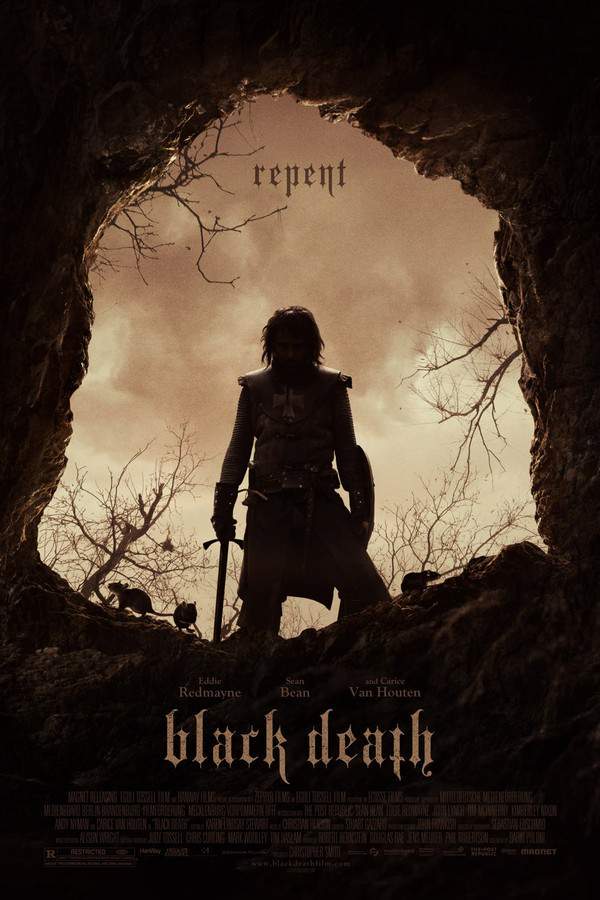
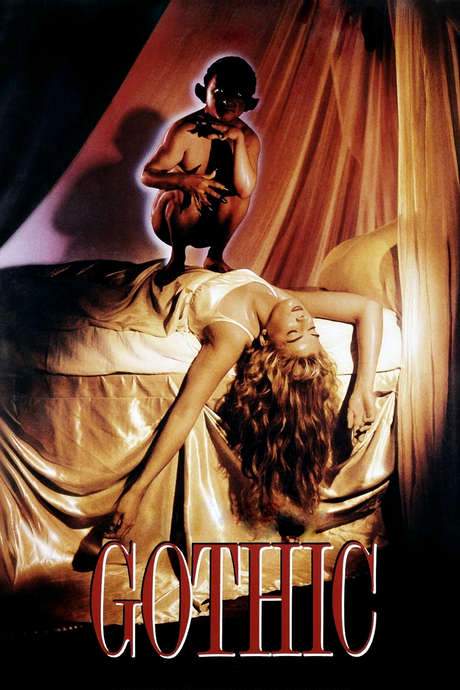
Gothic Tragedies of Hubris and Despair like Mary Shelley's Frankenstein

Somber tales where the quest for forbidden knowledge leads to ruin and sorrow. If you were captivated by the dark ambition and tragic consequences in Mary Shelley's Frankenstein, explore more movies like it. This collection features similar gothic horror and drama stories where characters are destroyed by their own unchecked pride and the monstrous results of their actions.

  • gothic
  • tragic
  • obsessive
  • desolate
  • melancholic
  • somber
  • Tone: dark, tragic, melancholic
  • Pacing: steady, deliberate
Why these movies?

The story pattern: The narrative follows a classic tragic arc: a driven, intelligent protagonist is consumed by an obsession, typically to create, conquer, or know something forbidden. Their initial success quickly sours, unleashing consequences they cannot control, leading to the destruction of all they hold dear and culminating in an inescapably bleak finale.

Why they belong together: These films are grouped by their shared dark tone, heavy emotional weight, and thematic focus on the dangers of ambition. They create a cohesive experience of mounting dread and inevitable tragedy, appealing to viewers who appreciate solemn, morally complex stories without redemption.

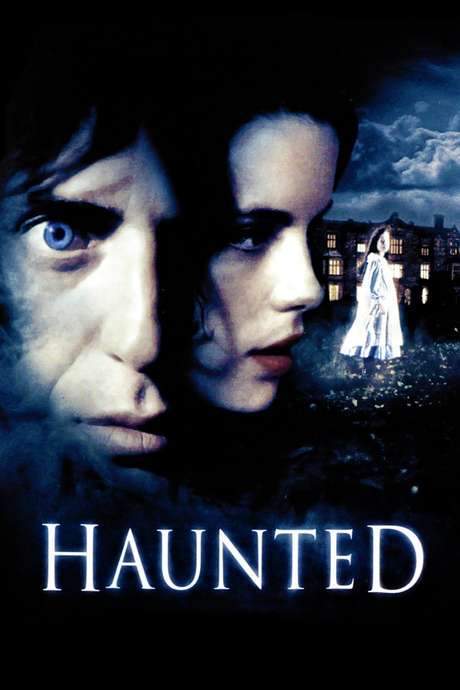
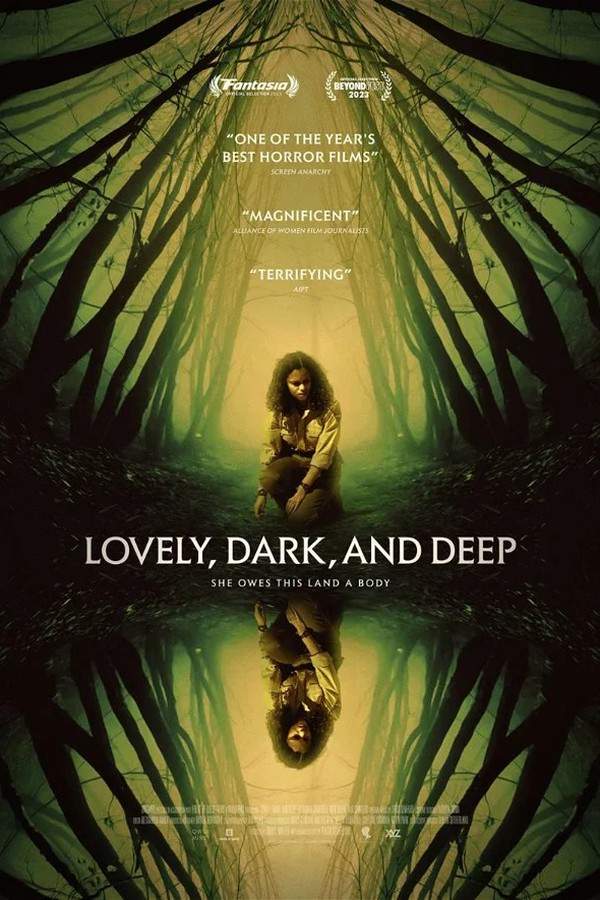
Intensely Melancholic Gothic Horror Movies like Mary Shelley's Frankenstein

Atmospheric horror steeped in sorrow, loss, and a pervasive sense of doom. For viewers who appreciated the profound sadness and gothic mood of Mary Shelley's Frankenstein, this list finds similar horror films. These movies blend dread with despair, featuring bleak settings, tragic characters, and a focus on emotional horror alongside the supernatural or grotesque.

  • melancholic
  • gothic
  • moody
  • desolate
  • tragic
  • tense
  • Tone: dark, melancholic, desolate
  • Pacing: steady, moody build
Why these movies?

The story pattern: Stories in this thread often unfold in oppressive, decaying settings that mirror the internal states of the characters. The plot is driven by past trauma, unresolved grief, or a deeply melancholic obsession, where supernatural or monstrous elements serve as manifestations of deep-seated human sorrow rather than mere threats.

Why they belong together: They share a specific vibe: a high-intensity, dark tone that is more mournful than purely terrifying. The pacing is steady, building a palpable atmosphere of doom, and the emotional core is rooted in loss, making the horror feel deeply personal and tragic.

If you liked this

Movies Like Mary Shelley's Frankenstein

Similar movies to Mary Shelley's Frankenstein: the same genre, themes or kind of story. Each one comes with its own plot summary, timeline and ending explained.

Browse all movie summaries

Every angle

Mary Shelley's Frankenstein (1994) Explained: Plot, Timeline & Characters

Everything about Mary Shelley's Frankenstein in one place: what happens in the plot summary, the timeline in chronological order, the characters and meaning and a spoiler-free summary. What's After the Movie adds the cast, box office and post-credit scenes.

Coming soon on iOS and Android

The Plot Explained Movie Summary App

Plot summaries, endings explained and timelines on your phone. Catch up on any movie in minutes, save your favorites and never miss a twist again.

Be the first to know when we launch. Your email stays private, always.

Learn more about the app