






Year: 2016
Runtime: 129 min
Language: French
Director: Xavier Giannoli
In 1921 Paris, wealthy socialite Marguerite Dumont secretly harbors a passion for singing, despite being hopelessly tone-deaf. Her extravagant parties hide her delusion of grandeur and unwavering belief in her talent. Encouraged by a journalist, and with the reluctant guidance of a former star, Marguerite decides to pursue her dream, challenging societal expectations and her husband’s disapproval. This poignant story explores the power of passion, perseverance, and the importance of self-belief.
Get a spoiler-free look at Marguerite (2016) with a clear plot overview that covers the setting, main characters, and story premise—without revealing key twists or the ending. Perfect for deciding if this film is your next watch.
In the glittering aftermath of the Great War, Paris swells with an intoxicating mix of decadence and artistic experimentation. Against this backdrop, Marguerite Dumont, a wealthy baroness, hides a fierce, if unconventional, yearning: to stand on a stage and sing, despite a talent that never quite matches her ambition. Her opulent soirées become a sanctuary where the city’s avant‑garde gather, drawn as much by her generosity as by the promise of a spectacle that defies expectations. The tone of the film balances the opulent elegance of the Roaring Twenties with a gentle, bittersweet undercurrent that underscores the fragile line between illusion and reality.
At the heart of Marguerite’s world is her marriage to Georges, a man whose title and social standing secure her place among the elite, even as their relationship drifts into formal courtesy. Their partnership is a study in quiet tensions, a dance of appearances that mirrors the era’s shifting social mores. While Georges maintains a respectful distance, his own desires and obligations hint at an undercurrent of dissatisfaction that subtly shapes the couple’s dynamic.
Supporting the baroness’s dream are two unlikely confidants. Madelbos, the devoted butler with a photographer’s eye, is enthralled by the notion of capturing Marguerite in the trappings of operatic grandeur, hoping to immortalize a moment that feels both personal and historic. Meanwhile, the faded tenor Pezzini reluctantly offers his mentorship, bringing an austere, almost scholarly approach to her untrained voice, and introducing an intriguing tension between professionalism and compassion.
The film’s mood is a careful blend of wistful nostalgia and quiet humor, inviting the audience to wonder whether passion can truly transcend the limits imposed by society, class, and one’s own self‑perception. As Marguerite pursues her impossible dream, the story lingers on the delicate balance between love, ambition, and the stubborn hope that the world might hear a voice that refuses to be silenced.
Last Updated: August 10, 2025 at 04:03
Discover curated groups of movies connected by mood, themes, and story style. Browse collections built around emotion, atmosphere, and narrative focus to easily find films that match what you feel like watching right now.
Stories of misguided passion and the heartbreaking reality that follows artistic delusion.If you were captivated by the poignant story of Marguerite's misguided passion, explore these similar films about characters whose artistic delusions lead to tragic or bittersweet outcomes. Discover other movies that delve into the world of untalented dreamers, societal expectations, and the heartbreaking collision of fantasy and reality.
These stories typically follow a protagonist on a sincere but flawed artistic journey, oblivious to their own lack of ability. The plot is driven by the growing dissonance between their perception and reality, often culminating in a moment of devastating clarity or a sad acceptance of their insulated fantasy. Supporting characters often have complex motives, ranging from cruel encouragement to reluctant pity.
They are grouped by their shared focus on the emotional core of delusion, creating a specific type of character-driven tragedy. The mood is consistently melancholic and poignant, balancing a sense of hope with an underlying dread. The pacing is often deliberate, allowing the audience to sit with the uncomfortable beauty of the character's misplaced faith.
Slow-burn period dramas focused on the quiet tragedy of a single, isolated individual.For viewers who appreciated the delicate and melancholic character study of Marguerite set in 1920s Paris, this collection features similar movies. Find other poignant dramas with a slow pace that delve into the inner lives of isolated individuals within richly depicted historical settings, often leading to bittersweet or tragic conclusions.
The narrative pattern is less about plot-driven events and more about the gradual unfolding of a character's inner life against a backdrop of a specific time period. Conflict often arises from the character's inability to conform to societal norms or from a profound internal loneliness. The story arc is typically intimate, concluding with a sense of melancholy or quiet resignation that emphasizes the character's tragic beauty.
These films share a specific mood blend: a delicate, melancholic, and poignant atmosphere combined with a slow, deliberate pacing. They prioritize emotional depth and character authenticity over complex plotting. The historical setting is not just backdrop but actively shapes the character's isolation and the constraints they face, making the era a key component of the vibe.
Don't stop at just watching — explore Marguerite in full detail. From the complete plot summary and scene-by-scene timeline to character breakdowns, thematic analysis, and a deep dive into the ending — every page helps you truly understand what Marguerite is all about. Plus, discover what's next after the movie.
Read a complete plot summary of Marguerite, including all key story points, character arcs, and turning points. This in-depth recap is ideal for understanding the narrative structure or reviewing what happened in the movie.
Track the full timeline of Marguerite with every major event arranged chronologically. Perfect for decoding non-linear storytelling, flashbacks, or parallel narratives with a clear scene-by-scene breakdown.
Discover the characters, locations, and core themes that shape Marguerite. Get insights into symbolic elements, setting significance, and deeper narrative meaning — ideal for thematic analysis and movie breakdowns.
Visit What's After the Movie to explore more about Marguerite: box office results, cast and crew info, production details, post-credit scenes, and external links — all in one place for movie fans and researchers.
Discover movies like Marguerite that share similar genres, themes, and storytelling elements. Whether you’re drawn to the atmosphere, character arcs, or plot structure, these curated recommendations will help you explore more films you’ll love.
Marguerite (2016) Scene-by-Scene Movie Timeline
Marguerite (2016) Movie Characters, Themes & Settings
Marguerite (2016) Spoiler-Free Summary & Key Flow
Movies Like Marguerite – Similar Titles You’ll Enjoy
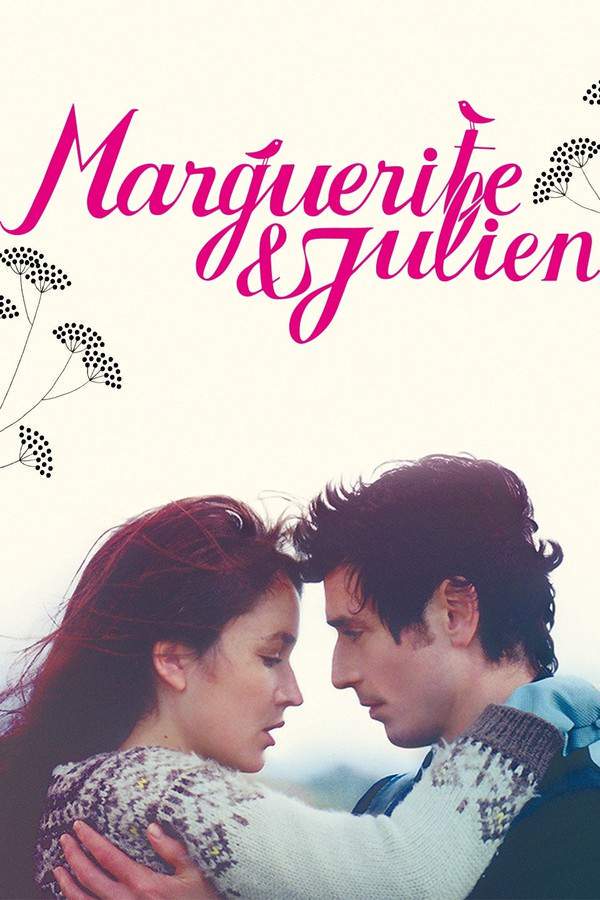
Marguerite & Julien (2016) Complete Plot Breakdown
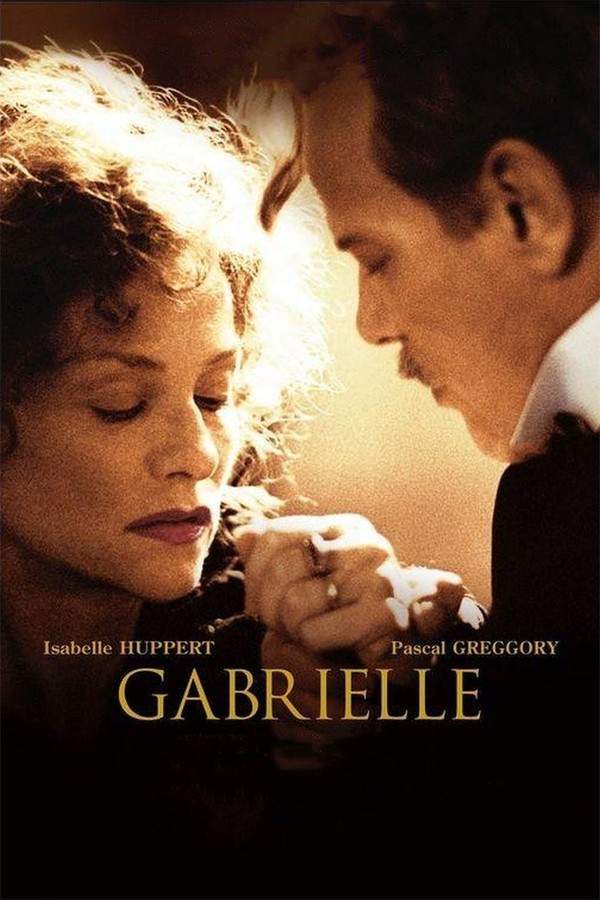
Gabrielle (2006) Movie Recap & Themes
A Woman's Life (2017) Spoiler-Packed Plot Recap
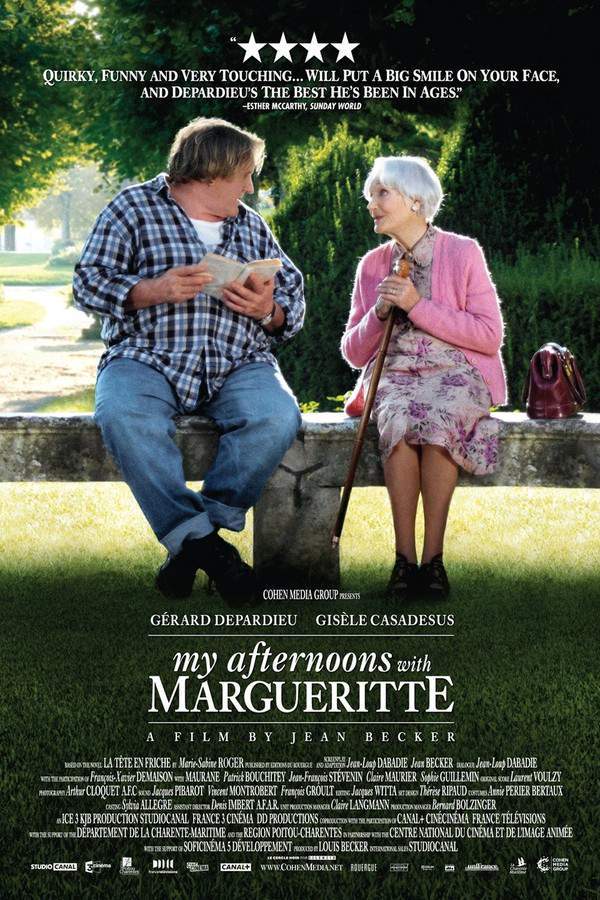
My Afternoons with Margueritte (2011) Full Summary & Key Details
Margaret (2011) Plot Summary & Ending Explained
Madame (2018) Story Summary & Characters
Quartet (1981) Detailed Story Recap
When Margaux Meets Margaux (2018) Full Summary & Key Details
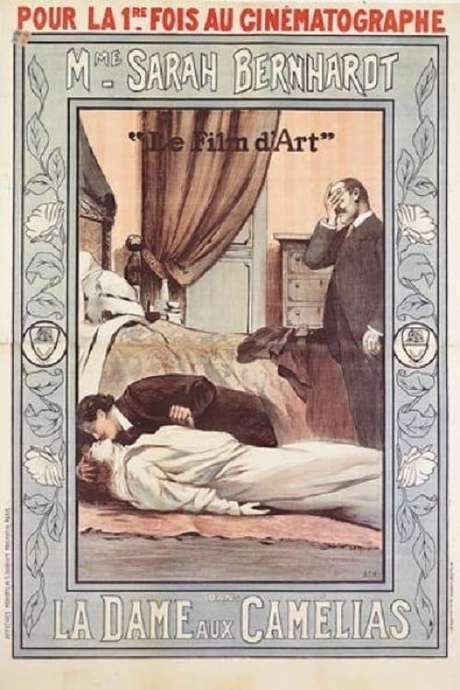
Camille (1912) Film Overview & Timeline
The Sin of Madelon Claudet (1931) Detailed Story Recap
Marquise (1997) Story Summary & Characters
Queen Margot (1000) Full Movie Breakdown
A Woman of Paris: A Drama of Fate (1923) Film Overview & Timeline
Queen Margot (1994) Ending Explained & Film Insights
Marguerite of the Night (1955) Detailed Story Recap