Zurich

Zurich

Year: 2013

Runtime: 102 mins

Language: German

Director: Frederik Steiner

Drama

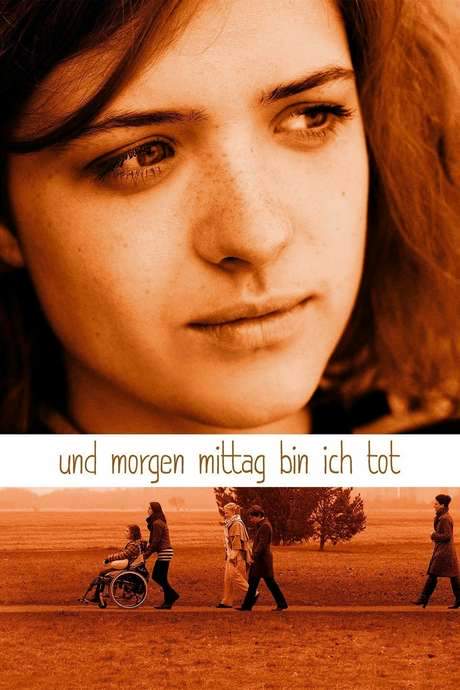
Facing a terminal illness, Lea makes the surprising decision to end her life on her birthday, wanting to do so consciously and in control. Her mother struggles to accept this wish and desperately tries to prevent it. As the day approaches, unexpected events unfold, leading to a tragic yet dignified exploration of family, acceptance, and the right to choose.

Warning: spoilers below!

Haven’t seen Zurich yet? This summary contains major spoilers. Bookmark the page, watch the movie, and come back for the full breakdown. If you're ready, scroll on and relive the story!

Zurich (2013) – Full Plot Summary & Ending Explained

Read the complete plot breakdown of Zurich (2013), including all key story events, major twists, and the ending explained in detail. Discover what really happened—and what it all means.

Lea Liv Lisa Fries has lived with cystic fibrosis since childhood. At 22, she endures constant breathlessness even with an oxygen concentrator, and she relies on pills to ease her symptoms, though simple tasks like climbing stairs leave her gasping. Her older brother, who shared the same disease, died years earlier after a lung transplant, and their father walked away from the family, now living in South America. The weight of this history presses on Lea, shaping how she experiences each day.

Because her health is deteriorating, Lea makes a stark decision: she wants to die on her 23rd birthday at a specific time. With euthanasia illegal in Germany, she seeks help from a Swiss organization that offers assisted euthanasia. Quietly she travels to Zürich, checking into a hostel. There she is picked up by Michaela Orff Bibiana Beglau, an employee of the organization, who escorts her to Dr. Seydlitz Robert Hunger-Bühler. The doctor, convinced by Lea’s dire health, prescribes a controlled substance, setting the plan in motion.

Lea texts her family to share her intentions, and when they arrive in Zürich, she speaks openly about what she intends to do. Her grandmother Maria Kerstin De Ahna and her sister Rita Sophie Rogall are shocked, yet try to accept her choice, while Lea’s mother Lena refuses at first. After a heartfelt conversation, Lena is broken by the news, but she begins to understand her daughter’s motives, even as the ache remains.

At the hostel Lea meets Moritz Max Hegewald, a peer around her age who is also wrestling with deep depression. He had applied for euthanasia but was rejected, and Lea’s kindness toward him blossoms into a fragile friendship. The two explore the city together, including a low-key boat trip on Lake Zürich, where they share silences and small talk that feels like a lifeline amid fear and uncertainty.

The day before Lea’s planned death, the family gathers for what they call a “last schnitzel.” They share a warm, tender evening at a restaurant, savoring ordinary moments and clinking glasses at midnight as Lea jokes about what awaits. The moment is bittersweet, mixing humor with the gravity of Lea’s decision. Lea’s quips reflect a stark clarity about her desire to escape physical suffering: “never be lovesick again, never climb stairs again, never fear suffocation again.” The scene marks a rare, near-light moment of connection before the final act.

Returning to the hostel, Lea experiences a violent coughing fit, underscoring the fragility of her condition. The next morning, the family and Michaela Orff accompany Lea to the organization. Miss Orff reminds Lea that she can still cancel, but Lea chooses to proceed. She takes an antiemetic so she won’t vomit, then suffers a panic attack in a bathroom. Looking at her reflection, Lea resolves to finish what she started, a choice that weighs heavily on everyone present.

In the final hours, Lea and her loved ones go to a nearby playground where she drinks the overdose and falls asleep, held by Lea’s mother as life slips away. The story lingers in the wake of that decision, inviting reflection on illness, autonomy, and the ties that bind families even as they must confront an ending chosen in grief.

Last Updated: October 09, 2025 at 16:08

Mobile App Preview

Coming soon on iOS and Android

The Plot Explained Mobile App

From blockbusters to hidden gems — dive into movie stories anytime, anywhere. Save your favorites, discover plots faster, and never miss a twist again.

Sign up to be the first to know when we launch. Your email stays private — always.

Explore Movie Threads

Discover curated groups of movies connected by mood, themes, and story style. Browse collections built around emotion, atmosphere, and narrative focus to easily find films that match what you feel like watching right now.

Contemplative End-of-Life Dramas like Zurich

Intimate stories centered on a character's final days and the choices they make.If you were moved by Zurich, explore more movies like it that deal with terminal illness and the right to die. These similar dramas focus on intimate, character-driven stories about final choices, family acceptance, and the heavy emotional weight of saying goodbye.

sombermeditativetendergrievingresigneddignifiedintimatemelancholic

Narrative Summary

Stories in this thread typically follow a linear or reflective countdown structure, building towards an inevitable conclusion. The central conflict is often internal (acceptance) and external (convincing loved ones), focusing on emotional resolution rather than plot twists.

Why These Movies?

These films are grouped together by their shared focus on mortality, their slow, meditative pacing that allows for deep emotional immersion, and their consistent tone of profound sadness tempered with moments of dignity and human connection.

Bittersweet Family Tragedies like Zurich

Stories where a family grapples with an immense loss, finding dignity in shared grief.For viewers who appreciated the family dynamics in Zurich, this section highlights movies with a similar feel. Discover similar heavy dramas about grief and loss, where families navigate impossible choices and ultimately find a painful but dignified form of acceptance.

grievingintimateheartbreakingresignedtendersomberemotionaldramatic

Narrative Summary

The narrative pattern revolves around a central, foreseeable tragedy that tests familial bonds. The journey is emotional, charting a path from resistance and desperate attempts to prevent the outcome towards a heartbreaking but necessary acceptance, often culminating in a sad yet dignified ending.

Why These Movies?

Movies here share a heavy emotional weight, a focus on intimate family relationships under extreme duress, and a tonal balance between the bleakness of loss and the bittersweet grace found in loving acceptance.

Unlock the Full Story of Zurich

Don't stop at just watching — explore Zurich in full detail. From the complete plot summary and scene-by-scene timeline to character breakdowns, thematic analysis, and a deep dive into the ending — every page helps you truly understand what Zurich is all about. Plus, discover what's next after the movie.

Zurich Timeline

Track the full timeline of Zurich with every major event arranged chronologically. Perfect for decoding non-linear storytelling, flashbacks, or parallel narratives with a clear scene-by-scene breakdown.

Zurich Timeline

Characters, Settings & Themes in Zurich

Discover the characters, locations, and core themes that shape Zurich. Get insights into symbolic elements, setting significance, and deeper narrative meaning — ideal for thematic analysis and movie breakdowns.

Characters, Settings & Themes in Zurich

Zurich Spoiler-Free Summary

Get a quick, spoiler-free overview of Zurich that covers the main plot points and key details without revealing any major twists or spoilers. Perfect for those who want to know what to expect before diving in.

Zurich Spoiler-Free Summary

More About Zurich

Visit What's After the Movie to explore more about Zurich: box office results, cast and crew info, production details, post-credit scenes, and external links — all in one place for movie fans and researchers.

More About Zurich