Manik

Manik

Year: 2005

Runtime: 166 mins

Language: Bengali, Bangla

Director: Prabhat Roy

Drama

Samir Mitra, an educated but unemployed man caring for his retired father and a mother battling cancer, encounters Manik Chandra Sadhukhan, whose sick father Niranjan and younger sister Latika await him in Kolkata. En route to meet family friend businessman Chandrakanta Majumdar, Manik is killed in an accident. Before dying, he entrusts Samir with his family’s care and secrecy, provides all necessary details, and Samir assumes Manik’s identity, gaining employment with Chandrakanta.

Warning: spoilers below!

Haven’t seen Manik yet? This summary contains major spoilers. Bookmark the page, watch the movie, and come back for the full breakdown. If you're ready, scroll on and relive the story!

Timeline – Manik (2005)

Trace every key event in Manik (2005) with our detailed, chronological timeline. Perfect for unpacking nonlinear stories, spotting hidden connections, and understanding how each scene builds toward the film’s climax. Whether you're revisiting or decoding for the first time, this timeline gives you the full picture.

1

Orson Welles is tasked with creating a film

Young Orson Welles is given complete creative control over his film project at RKO Pictures. He collaborates with writer Herman J Mankiewicz, also known as 'Mank,' to develop the screenplay. Welles aims to produce a groundbreaking film under challenging circumstances.

1940
2

Mank arrives at North Verde Ranch to write the screenplay

Mank, suffering from a broken leg, is brought to the ranch in Victorville, CA, where he is expected to write his screenplay within 90 days. His work is supervised by producer John Houseman, who gives him notes and supplies alcohol to aid his creativity amidst his injury. Welles contacts Mank to expedite the deadline to 60 days.

During his stay North Verde Ranch, Victorville, CA
3

Mank's health and personal struggles are revealed

While bedridden, Mank’s wife Sara helps him and wrestles with his drinking and frustration about the studio's influence. Mank's drunken outbursts and injuries are linked to his alcohol dependence and stress about his career and political views.

Three weeks earlier Mankiewicz house
4

Mank's accident and Welles' visit

Mank is involved in a car accident caused by a young man, Tommy, which results in his broken leg. Welles visits him in the hospital, beginning their collaboration. Welles encourages Mank to write the screenplay that will become 'Citizen Kane.'

Sometime after the accident Hospital
5

Mank pitches film ideas at Paramount

At Paramount Studios, Mank and his team pitch a film concept to David O Selznick, which fails to impress the studio heads. Mank also visits a film set and meets Irving Thalberg and Louis B. Mayer, where he recognizes Marion Davies and William Randolph Hearst, hinting at the inspiration for his screenplay.

1930 Paramount Studios
6

Mank begins working for MGM and attends Hearst’s birthday

Mank starts working with MGM, which supports political figures like Sinclair. He attends Irving Thalberg's birthday at Hearst Castle, where political and Hollywood figures discuss Europe’s Nazi threat and support for Sinclair, revealing Mank’s political stance.

Early 1934 Hearst Castle
7

Mank drafts the screenplay in record time

Working under pressure, Mank produces 200 pages of his screenplay in just 13 days, supported by a device given to him to aid his creativity. Houseman praises his dedication but warns about credit issues due to contractual restrictions.

During his stay at the ranch Studio
8

Mank's political activism and personal turmoil

Mank becomes involved in political debates, opposing pro-Nazi sentiments and supporting Sinclair. He faces personal and professional conflicts, including drunken outbursts at Hearst Castle and tension with studio executives, reflecting his growing disillusionment.

1934–1937 Various locations including Hearst Castle and the studio
9

Mank confronts Hearst’s influence and Welles’ frustrations

As the screenplay nears completion, Mank refuses to change characters to please Hearst. Welles struggles with studio opposition and Hearst’s attempts to suppress the film. Mank’s relationship with the Hollywood establishment and Hearst’s power becomes increasingly strained.

Late 1930s
10

Mank's alcohol abuse and final fallout

Mank’s drinking worsens, leading to drunken speeches and destructive behavior at Hearst Castle and parties. He faces criticism from friends and family, feeling increasingly trapped and self-sabotaging as his career declines.

1936–1937 Hearst Castle and personal residence
11

The completion of 'Citizen Kane' screenplay

Despite setbacks, Mank finishes the screenplay after intense effort, drawing on his personal experiences. Welles later faces difficulties in getting the film produced due to studio and Hearst interference, emphasizing the political and personal battles behind the scenes.

Late 1930s
12

Years later, Herman Mankiewicz receives an Academy Award

In 1942, 'Citizen Kane' wins the Oscar for Best Original Screenplay, awarded jointly to Welles and Mank. Neither attends the ceremony, and Mank publicly claims he had no help, while Welles sends a message jokingly dismissing him.

1942 Hollywood
13

Mank’s decline and death

Herman Mankiewicz passes away eleven years after the Oscar, at age 55, due to complications from alcoholism. He reflects on feeling trapped and self-destructive in his final years, never working on a major film again.

1953

Last Updated: August 19, 2025 at 05:12

Mobile App Preview

Coming soon on iOS and Android

The Plot Explained Mobile App

From blockbusters to hidden gems — dive into movie stories anytime, anywhere. Save your favorites, discover plots faster, and never miss a twist again.

Sign up to be the first to know when we launch. Your email stays private — always.

Explore Movie Threads

Discover curated groups of movies connected by mood, themes, and story style. Browse collections built around emotion, atmosphere, and narrative focus to easily find films that match what you feel like watching right now.

Movies about artistic self-destruction like Manik

Stories of artists battling their inner demons while under intense creative pressure.If you liked Manik's portrayal of a creator under pressure, explore more movies like it. This collection features films about artists, writers, and filmmakers grappling with addiction, creative blocks, and the dark side of their industries, where the pursuit of art comes with a heavy personal toll.
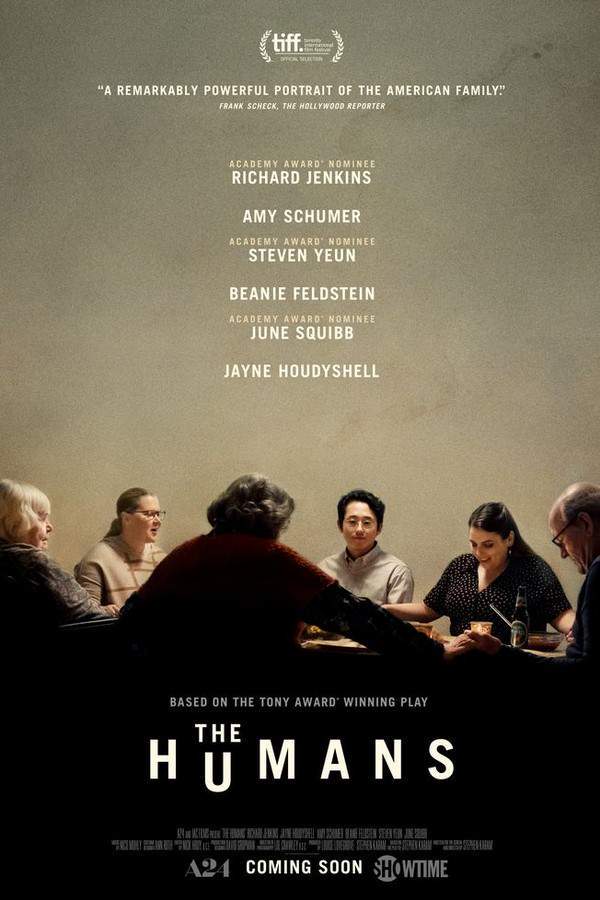
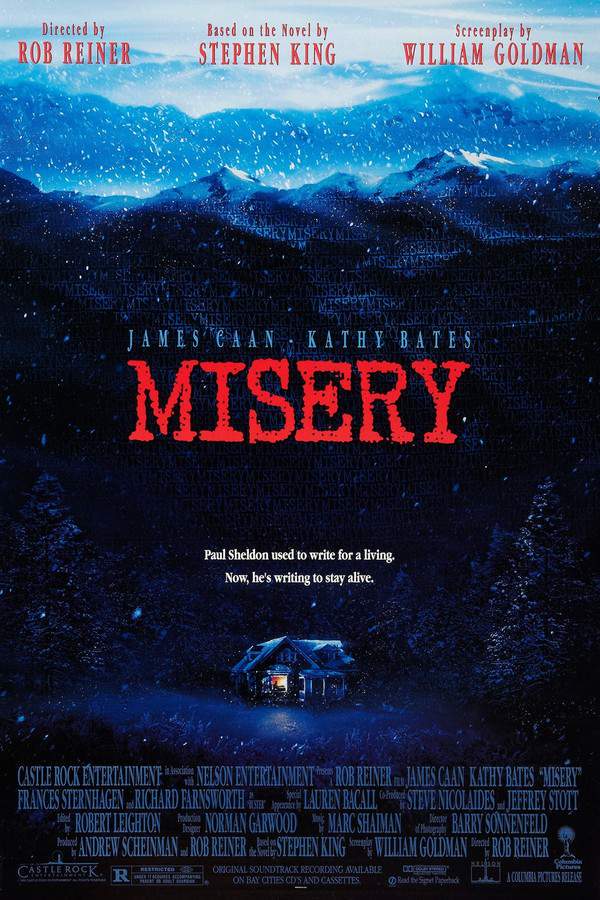
self-destructiveanxiousreflectiveoppressiveregretfulclaustrophobictense

Narrative Summary

The narrative pattern follows a talented but troubled individual navigating a high-stakes creative environment. Their journey is marked by self-sabotaging behavior, intense deadlines, and confrontations with a system that often exploits their talent. The story structure may shift between the pressure-cooker present and formative past events, leading to a victory that feels hollow or bittersweet.

Why These Movies?

Movies are grouped here due to their shared focus on the psychological toll of creation. They feature protagonists wrestling with internal and external demons, set against backdrops that critique powerful institutions. The tone is consistently heavy and melancholic, blending professional tension with deep personal regret.

Claustrophobic psychological dramas like Manik

Intense character studies where psychological tension creates a suffocating atmosphere.For viewers who appreciated the tense, oppressive atmosphere of Manik, this list recommends similar claustrophobic psychological dramas. Discover movies that create a high-stakes pressure cooker feeling, focusing on characters grappling with heavy emotional burdens, moral compromises, and intense internal struggles in confined settings.

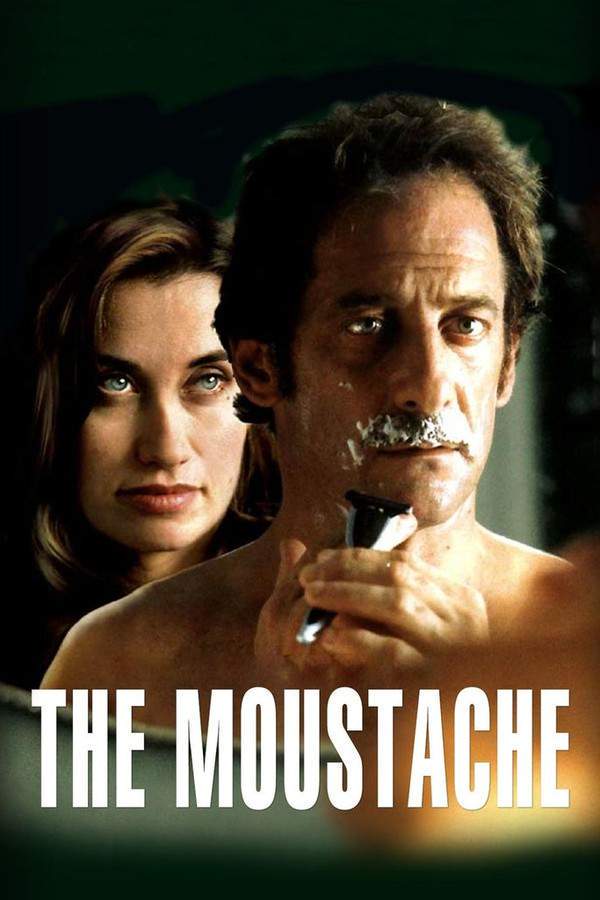
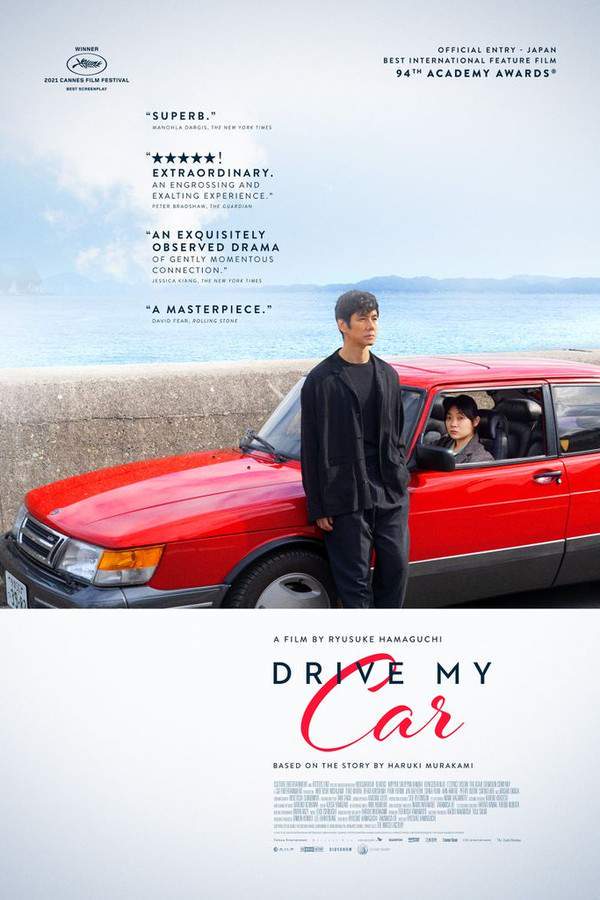
claustrophobicoppressivetenseanxiouspsychologicalheavyregretful

Narrative Summary

These stories often unfold in confined spaces—either physical or psychological—limiting the protagonist's options and heightening the tension. The narrative is driven by the character's deteriorating mental state as they confront past mistakes, power imbalances, or existential threats. The pacing is often variable, fluctuating between slow-burn introspection and bursts of high-stakes confrontation.

Why These Movies?

These films are united by their oppressive, anxious mood and high psychological intensity. They prioritize character psychology over action, creating a sense of dread and confinement. The shared experience is one of being immersed in a character's stressful, often self-destructive headspace, leading to an emotionally heavy and resonant conclusion.

Unlock the Full Story of Manik

Don't stop at just watching — explore Manik in full detail. From the complete plot summary and scene-by-scene timeline to character breakdowns, thematic analysis, and a deep dive into the ending — every page helps you truly understand what Manik is all about. Plus, discover what's next after the movie.

Manik Summary

Read a complete plot summary of Manik, including all key story points, character arcs, and turning points. This in-depth recap is ideal for understanding the narrative structure or reviewing what happened in the movie.

Manik Summary

Characters, Settings & Themes in Manik

Discover the characters, locations, and core themes that shape Manik. Get insights into symbolic elements, setting significance, and deeper narrative meaning — ideal for thematic analysis and movie breakdowns.


Characters, Settings & Themes in Manik

Manik Spoiler-Free Summary

Get a quick, spoiler-free overview of Manik that covers the main plot points and key details without revealing any major twists or spoilers. Perfect for those who want to know what to expect before diving in.

Manik Spoiler-Free Summary

More About Manik

Visit What's After the Movie to explore more about Manik: box office results, cast and crew info, production details, post-credit scenes, and external links — all in one place for movie fans and researchers.

More About Manik