
Manik
Year: 2005
Runtime: 166 mins
Language: Bengali, Bangla
Director: Prabhat Roy
Samir Mitra, an educated but unemployed man caring for his retired father and a mother battling cancer, encounters Manik Chandra Sadhukhan, whose sick father Niranjan and younger sister Latika await him in Kolkata. En route to meet family friend businessman Chandrakanta Majumdar, Manik is killed in an accident. Before dying, he entrusts Samir with his family’s care and secrecy, provides all necessary details, and Samir assumes Manik’s identity, gaining employment with Chandrakanta.
Warning: spoilers below!
Haven’t seen Manik yet? This summary contains major spoilers. Bookmark the page, watch the movie, and come back for the full breakdown. If you're ready, scroll on and relive the story!
Manik (2005) – Full Plot Summary & Ending Explained
Read the complete plot breakdown of Manik (2005), including all key story events, major twists, and the ending explained in detail. Discover what really happened—and what it all means.
Sure! Here’s a detailed, rewritten movie summary in markdown format based on your provided details:
Set predominantly in 1940, the film delves into the tumultuous journey of young Orson Welles, Tom Burke, as he is entrusted with an extraordinary opportunity by the struggling RKO Pictures. Unlike typical projects, Welles is given complete creative control over his latest film, allowing him to assemble his dream team and craft a masterpiece free from interference. He chooses to collaborate closely with the renowned screenwriter Gary Oldman, portraying the legendary Herman J Mankiewicz, popularly known as “Mank.”
The story unfolds at the North Verde Ranch in Victorville, California, where a physically battered Mank, suffering from a fractured leg, is confined to complete a critical screenplay within a tight 90-day deadline. Despite his injury, Mank is supported by his secretarial assistant, Lily Collins, and housekeeper, Monika Gossmann. Producer John Houseman, played by Sam Troughton, guides him on what to include, based on Welles’s expectations. Knowing Mank’s battle with alcoholism, Houseman supplies him with a case of nightcaps to keep him going. Meanwhile, Welles contacts him regularly, demanding that the script be finished in just 60 days, heightening the pressure.
While bedridden, Mank’s loyal secretary Rita Alexander meticulously documents his notes, capturing his creative process. The narrative then backtracks to three weeks earlier, at the Mankiewicz household, where his wife Sara, affectionately called “Poor Sara” and played by Tuppence Middleton, assists him into bed after a serious episode. Mank, increasingly irritable, rants about the impending doom of The Wizard of Oz sinking their studio. Soon after, he is involved in a car accident triggered by a young man named Tommy, which results in his fractured leg. This accident becomes the catalyst for Welles’s visit, where he proposes a partnership.
The film then transitions into flashbacks, revealing Mank’s earlier days within Hollywood during the 1930s. It depicts his visit to Paramount Studios, where a young Charles Lederer, played by Joseph Cross, meets Mank and his creative team—including figures like George Kaufman and Charles MacArthur—discussing movie ideas that seem reminiscent of “Frankenstein.” Despite their efforts, industry giants like David O Selznick and director Josef Von Sternberg show little interest. Later, Mank visits a film set and encounters MGM producer Irving Thalberg and studio head Louis B. Mayer, sparking recognition from MGM star Marion Davies, Amanda Seyfried, who shares a friendly familiarity with him.
Another significant scene takes place at Hearst Castle, where Mank and Sara attend a birthday celebration for Mayer, amid tense political discussions regarding the rise of Nazi Germany and socialist politician Upton Sinclair. Mank’s political sympathies become evident as he shows support for Sinclair, much to the disapproval of Mayer and Irving. The story also portrays Mank’s complicated relationship with Marion Davies and her romantic involvement with William Randolph Hearst, played by Charles Dance.
Back in the present, Mank’s strain increases as he grapples with personal losses—the presumed death of his husband, who was serving in the British Army, and the emotional toll of his deteriorating health. Houseman reminds him of the remaining two weeks to finalize the script, but Mank’s substance abuse worsens, fueled by Frieda, the housekeeper, who provides him with nightly doses of alcohol to help him survive Hitler’s oppressive regime in Europe.
The story continues with Mank working tirelessly, producing over 200 pages within 13 days, with support from a device that helps his creativity. Despite this achievement, he is told he will not receive official credit, as his contract prevents it, and the film’s protagonist is clearly modeled after Hearst. Political tensions unfold further—the California gubernatorial race sees Sinclair running against Frank Merriam, with Mank subtly voicing his opinions, even as MGM manipulates media against Sinclair.
Throughout the narrative, Mank becomes increasingly embroiled in Hollywood’s darker aspects, including smear campaigns against Sinclair, manipulated by studio power plays. His close friends and colleagues express concern over his increasingly reckless behavior. At pivotal moments, he confronts Marion Davies, urging her to persuade Mayer to reconsider certain damaging advertisements, but ultimately refuses to alter his screenplay—particularly when Marion pleads to protect Hearst’s reputation.
The story culminates in a drunken, defiant appearance at Hearst Castle, where Mank passionately advocates for his vision, only to be harshly scolded by Mayer. He faces-off with Hearst himself, who offers a cynical allegory about Mank’s dependency on the studio titan, comparing him to an organ grinder’s monkey—an image that reflects his feelings of exploitation and loss of control. The film then explores Mank’s struggles with his reputation, his battles with alcohol, and the lingering sense of regret.
In the early 1940s, Mank and Welles receive the ultimate recognition at the Academy Awards, winning for Best Original Screenplay for “Citizen Kane,” though neither is present to accept it. A radio broadcast features the real Orson Welles, who sarcastically acknowledges Mank with a line, “kiss my half,” highlighting the complicated relationship between the creators. Mank, in a rare moment of pride, accepts the award alone, stating, “That’s the magic of the movies”, as the film closes.
The closing notes reveal that Herman Mankiewicz passed away eleven years later at the age of 55 due to alcohol-related health issues, never again involved in a major film project. The film finalizes by reflecting on his feelings of entrapment and self-sabotage, revealing a man who, despite his talents, was often his own worst enemy—an artist haunted by his own demons until the very end.
Last Updated: August 19, 2025 at 05:12

Explore Movie Threads
Discover curated groups of movies connected by mood, themes, and story style. Browse collections built around emotion, atmosphere, and narrative focus to easily find films that match what you feel like watching right now.
Movies about artistic self-destruction like Manik
Stories of artists battling their inner demons while under intense creative pressure.If you liked Manik's portrayal of a creator under pressure, explore more movies like it. This collection features films about artists, writers, and filmmakers grappling with addiction, creative blocks, and the dark side of their industries, where the pursuit of art comes with a heavy personal toll.

Drive My Car
2021
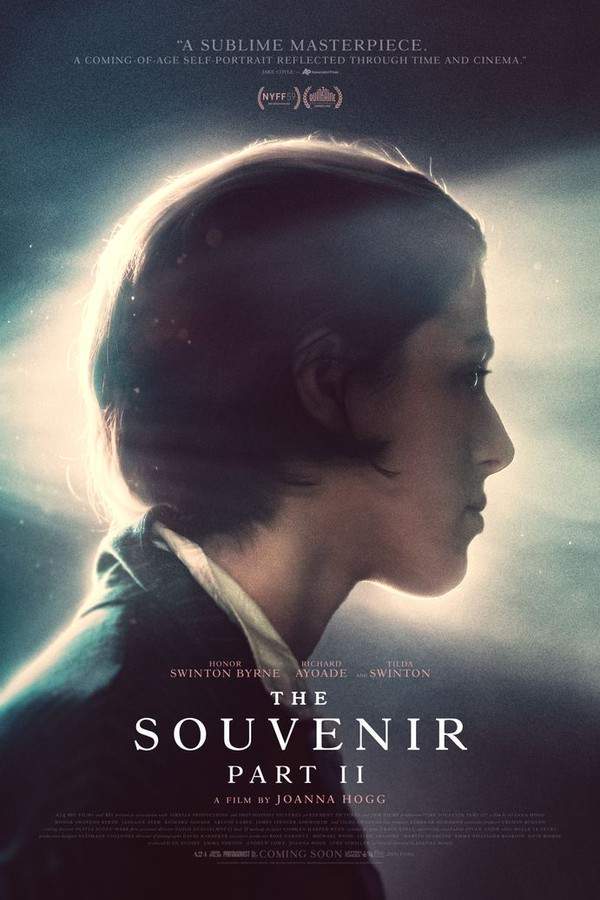
The Souvenir: Part II
2021
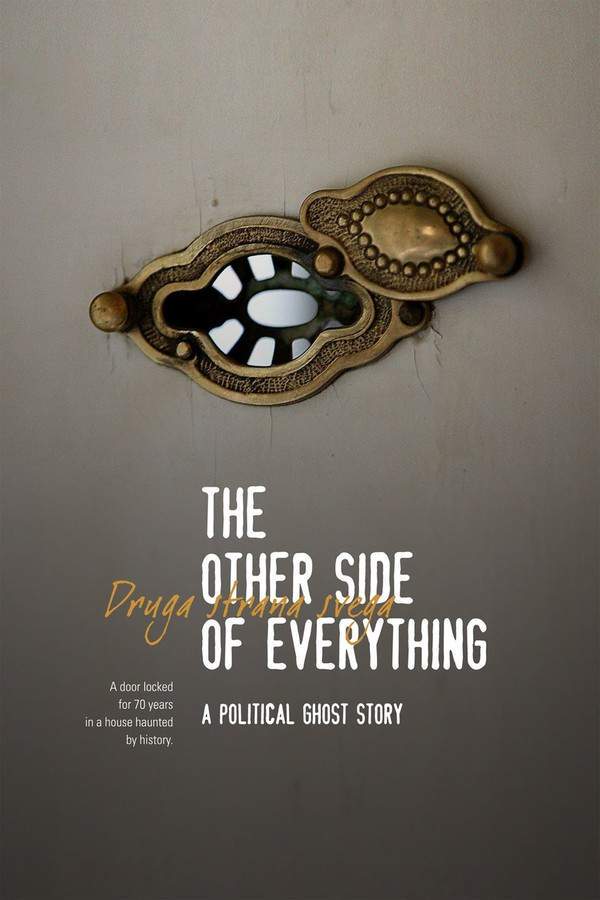
The Other Side of Everything
2018
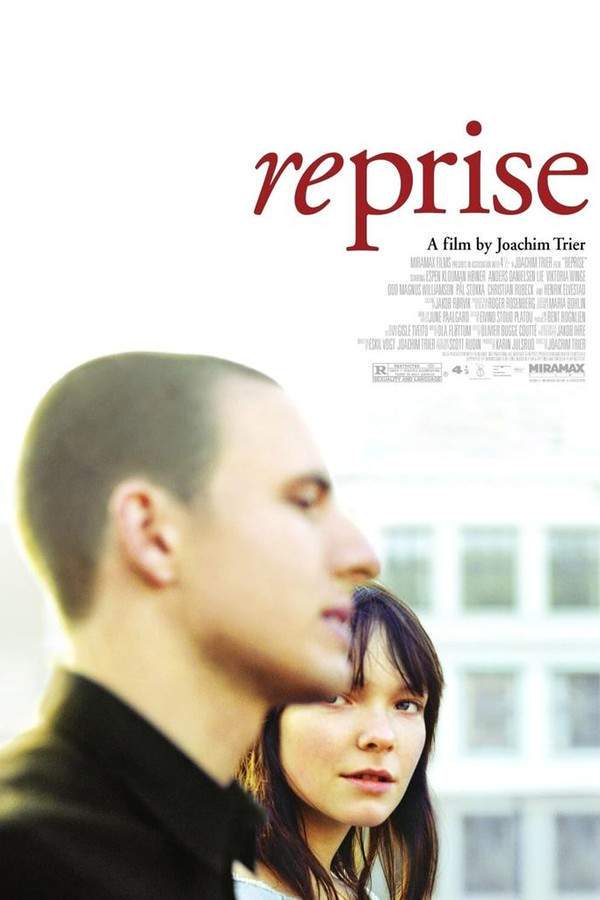
Reprise
2008

Wildcat
2022
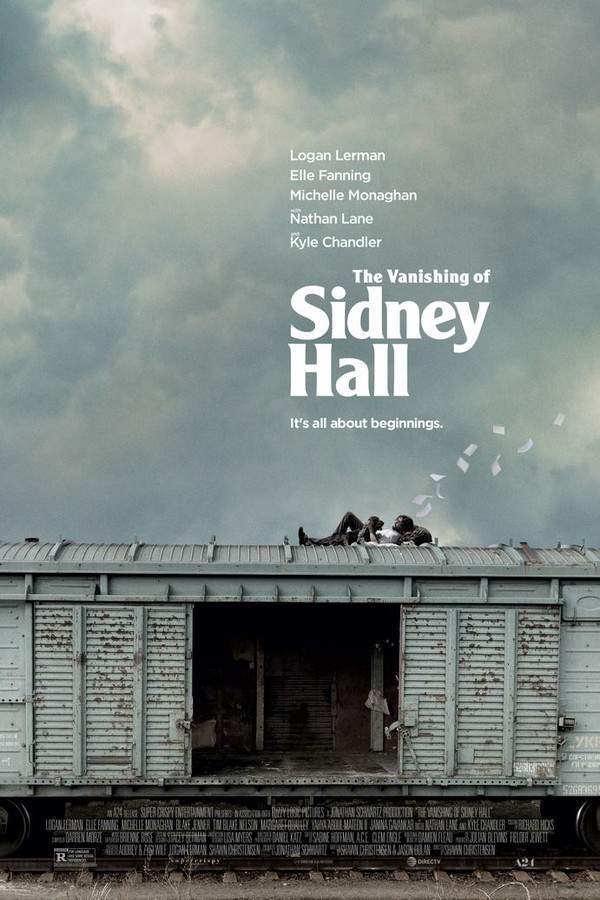
The Vanishing Of Sidney Hall
2018

Wander Darkly
2020

Happy Hour
2016

Wildcat
2024

Who You Think I Am
2019

The Life and Death of Peter Sellers
2004
Manik
2005

The Asthenic Syndrome
1989

Thirty Two Short Films About Glenn Gould
1993

Flashbacks of a Fool
2008
Narrative Summary
The narrative pattern follows a talented but troubled individual navigating a high-stakes creative environment. Their journey is marked by self-sabotaging behavior, intense deadlines, and confrontations with a system that often exploits their talent. The story structure may shift between the pressure-cooker present and formative past events, leading to a victory that feels hollow or bittersweet.
Why These Movies?
Movies are grouped here due to their shared focus on the psychological toll of creation. They feature protagonists wrestling with internal and external demons, set against backdrops that critique powerful institutions. The tone is consistently heavy and melancholic, blending professional tension with deep personal regret.
Claustrophobic psychological dramas like Manik
Intense character studies where psychological tension creates a suffocating atmosphere.For viewers who appreciated the tense, oppressive atmosphere of Manik, this list recommends similar claustrophobic psychological dramas. Discover movies that create a high-stakes pressure cooker feeling, focusing on characters grappling with heavy emotional burdens, moral compromises, and intense internal struggles in confined settings.

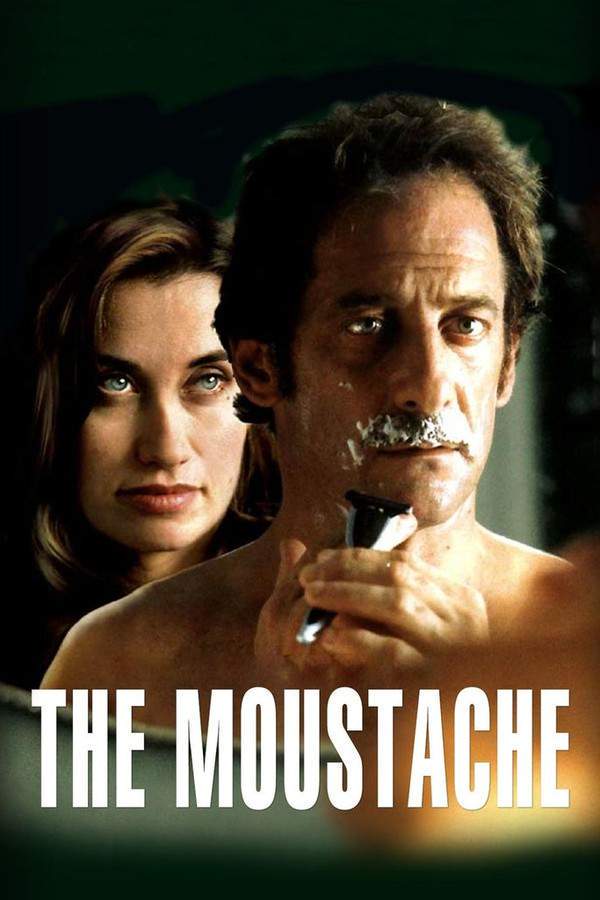
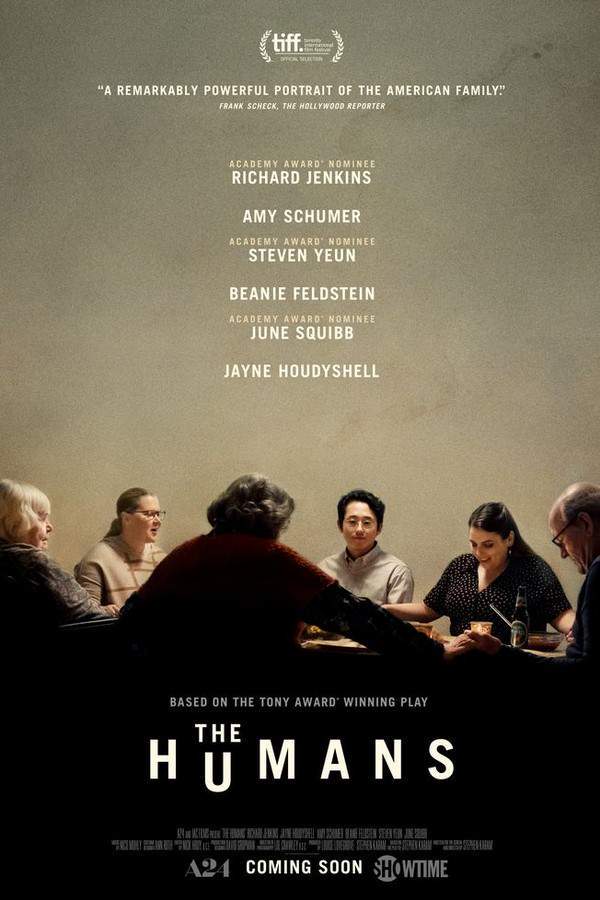

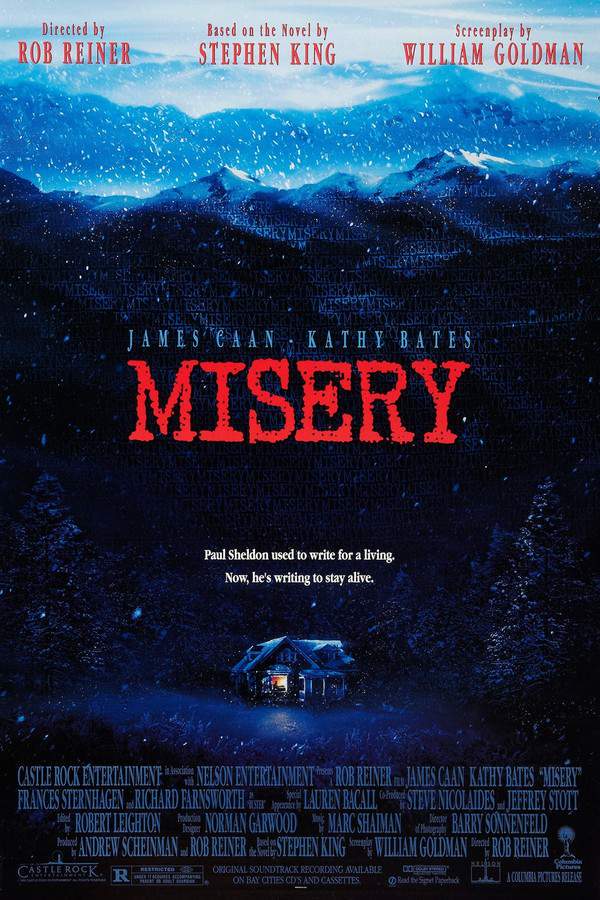





Narrative Summary
These stories often unfold in confined spaces—either physical or psychological—limiting the protagonist's options and heightening the tension. The narrative is driven by the character's deteriorating mental state as they confront past mistakes, power imbalances, or existential threats. The pacing is often variable, fluctuating between slow-burn introspection and bursts of high-stakes confrontation.
Why These Movies?
These films are united by their oppressive, anxious mood and high psychological intensity. They prioritize character psychology over action, creating a sense of dread and confinement. The shared experience is one of being immersed in a character's stressful, often self-destructive headspace, leading to an emotionally heavy and resonant conclusion.
Unlock the Full Story of Manik
Don't stop at just watching — explore Manik in full detail. From the complete plot summary and scene-by-scene timeline to character breakdowns, thematic analysis, and a deep dive into the ending — every page helps you truly understand what Manik is all about. Plus, discover what's next after the movie.
Manik Timeline
Track the full timeline of Manik with every major event arranged chronologically. Perfect for decoding non-linear storytelling, flashbacks, or parallel narratives with a clear scene-by-scene breakdown.

Characters, Settings & Themes in Manik
Discover the characters, locations, and core themes that shape Manik. Get insights into symbolic elements, setting significance, and deeper narrative meaning — ideal for thematic analysis and movie breakdowns.