Plot Explained Spoilers guaranteed!
Plot Explained

Browse by genre

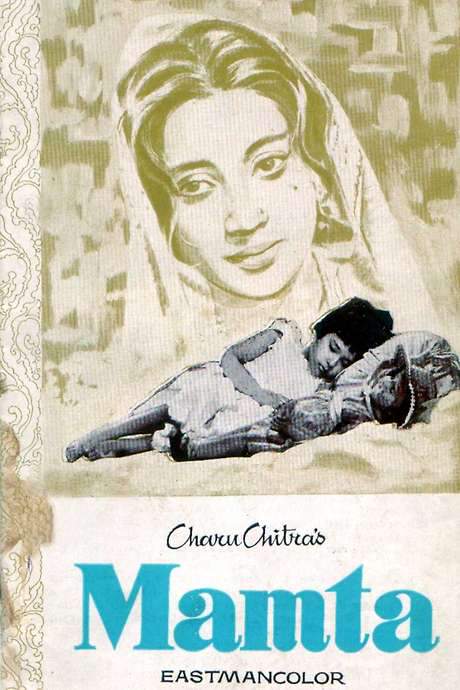
Mamta (1966) movie poster

Characters & Themes

Mamta (1966) Characters, Setting & Themes Explained

Release, runtime and language
1966 · 150 mins · Hindi
Starring
Dharmendra, Ashok Kumar, David Abraham Cheulkar, Asit Sen, Kalipada Chakraborty, Chhaya Devi

The affluent Monish falls for Deviyani, a girl from a humble background. While Monish studies abroad they promise to reunite, but Deviyani’s dire finances force her into a marriage with a debauched drunk. Unhappy, she escapes with her infant daughter, disappearing into obscurity. Fate may yet offer her a different destiny.

On this page (7)
  1. 1 Characters explained (5)
  2. 2 Where & when it takes place
  3. 3 Themes & meaning (3)
  4. 4 Character & meaning questions
  5. 5 Movie threads
  6. 6 Movies like Mamta
  7. 7 Every angle

5 main characters · contains spoilers

Mamta Characters Explained: Who Is Who

The main characters of Mamta (1966), heroes and villains: what drives them, how they change over the course of the story and what each of them reveals about the film's bigger ideas.

  • Manish Roy (Ashok Kumar)

    A wealthy young man torn between love and family expectations. He plans higher studies abroad, fears parental disapproval, and returns to a city where Devayani’s fate has taken a dark turn. His steady affection for Devayani contrasts with the economic pressures of arranged marriage.

    • 💼 Wealthy
    • 💖 Romantic
    • 🧭 Conflicted
  • Devayani (Devyani - Pannabai / Suparna)

    played by Suchitra Sen

    A daughter of a poor family who is coerced into marriage with Rakhal for financial security. She endures hardship, becomes a devadasi to survive, and protects her daughter by placing Suparna in an orphanage. Her journey blends resilience, sacrifice, and maternal love.

    • 💃 Courtesan past
    • ❤️ Maternal
    • 🌪️ Resilient
  • Rakhal Bhattacharya

    played by Kalipada Chakraborty

    A wealthy, dissipated man who marries Devayani for money, then squanders his wealth through drinking and gambling. He is dismissive of Devayani, but his actions propel her toward hardship and the eventual care of Suparna.

    • 💰 Rich
    • 🥂 Debauched
    • 😡 Manipulative
  • Ghishta Babu (Devayani's father)

    played by Chaman Puri

    A gullible and simple man who falls for Rakhal’s promise of a comfortable life for his daughter. His poor judgment leads to a doomed alliance and tragedy for Devayani and her child.

    • 👨‍👧 Gullible
    • 🏚️ Desperate
    • 💔 Tragic
  • Suparna

    Devayani's daughter, born out of trouble and left in an orphanage to keep her safe from Rakhal and social stigma. Her fate mirrors the consequences of adult struggles and choices.

    • 👶 Daughter
    • 🕊️ Hope
    • 🧭 Orphanage

Last updated: October 04, 2025 at 15:32

Was this helpful?

Setting

Where and When Does Mamta Take Place?

The setting of Mamta (1966): the year and time period, the places and locations, and how they shape the characters, the mood and the tension of the story.

Time period

Location

Lucknow, India

Lucknow, a historic city in northern India, provides a backdrop of culture, music, and old-world courtesan traditions. The film centers on families, wealth, and the underground world of kothas and tawaifs that shape Devayani's fate. The streets carry the tension between aspiration and deprivation as her life unfolds.

  • 🏙️ City backdrop
  • 🎭 Cultural milieu
  • 🧭 Social divide

Last updated: October 04, 2025 at 15:32

Was this helpful?

3 major themes

Mamta Meaning: Themes & Message Explained

What is Mamta (1966) really about? The emotional, social and philosophical themes the film keeps returning to, its symbolism and the message beneath the surface.

  • Class disparity

    The story pits a wealthy suitor's pressures against a poor young woman’s wishes, highlighting how social class and economic security shape marriage. Monish's fear of parental disapproval reveals the persistence of family duty over personal happiness. The arranged match with Rakhal shows how wealth and status can override genuine affection. The result is a life defined by constraints rather than mutual choice.

  • Survival

    Devayani endures devastating choices to protect herself and her daughter after a failed marriage. She leaves Suparna in an orphanage to shield her from harm, then earns a living through singing and dancing in a kotha. Her resilience under stigma and hardship drives the narrative forward. Her sacrifices illuminate the limits placed on women in difficult circumstances.

  • Stigma & identity

    The lookalike moment—Monish spotting Devayani among tawaifs—explores how society labels women and their past. Pannabai and Suparna become entwined with Devayani's fate, showing how reputations are constructed and exploited. Rumors and appearances fuel the emotional tension of the plot. The film questions whether identity can survive social judgment.

Last updated: October 04, 2025 at 15:32

Was this helpful?

Character & theme questions

Mamta Characters & Meaning: Your Questions Answered

The questions people ask about Mamta (1966): who the characters really are, their relationships, what the symbols mean, where it takes place and what the movie is really about. Each answer contains spoilers.

Q1

What is the setting of the film and why is Lucknow important?

The film is set in Lucknow, a historic city in northern India known for its rich cultural heritage, classical music, and the traditional world of kothas (courtesan houses). This setting provides the backdrop for the story's exploration of social divides, as the contrast between wealth and deprivation shapes Devayani's fate within the underground world of tawaifs.

  • lucknow
  • setting
  • india
  • kotha
  • courtesan
  • culture
Q2

What does the class disparity theme explore in the movie?

The film examines how social class and economic pressure dictate marriage choices. Manish Roy, despite his love for Devayani, fears parental disapproval and studies abroad, while Devayani's father accepts a wealthy but unworthy suitor for financial security. The arranged marriage to Rakhal illustrates how wealth and status can override genuine affection, trapping characters in lives of constraint rather than choice.

  • class
  • marriage
  • social status
  • money
  • arranged
Q3

Who is Devayani and what is her role in the story?

Devayani is a young woman from a poor family who becomes the film's central figure. After being coerced into a marriage with a dissipated wealthy man, she endures extreme hardship, eventually leaving her daughter in an orphanage to protect her. To survive, she becomes a devadasi (courtesan), using her singing and dancing to earn a living while carrying the stigma of her circumstances.

  • devayani
  • devadasi
  • survival
  • mother
  • sacrifice
Q4

What is Manish Roy's character arc about?

Manish Roy is a wealthy young man who falls in love with Devayani but struggles between his affection and family expectations. He plans to study abroad, hoping to gain independence and return to claim her. His steady love for Devayani contrasts sharply with the economic pressures that force her into an unhappy marriage, and his return to the city reveals how fate has dramatically altered both their lives.

  • manish roy
  • love
  • family duty
  • wealthy
  • return
Q5

How does the theme of survival drive the narrative?

Devayani's journey is defined by making devastating choices to protect herself and her daughter. After a failed and abusive marriage, she escapes and places her infant daughter Suparna in an orphanage to shield her from harm and social stigma. She then builds a life as a singer in a kotha, enduring hardship and societal judgment. Her resilience despite these obstacles forms the emotional core of the film.

  • survival
  • orphanage
  • hardship
  • resilience
  • escape
Q6

What does the film say about stigma and identity?

The film explores how society labels women based on their circumstances and past. When Manish spots Devayani among the tawaifs (courtesans), the moment raises questions about reputation, social judgment, and whether one's identity can survive the stigma placed upon them. Characters become entangled in how others perceive them, driving much of the emotional tension.

  • stigma
  • reputation
  • identity
  • society
  • judgment
Q7

What role does Rakhal Bhattacharya play in the story?

Rakhal Bhattacharya represents the destructive power of wealth without morality. He marries Devayani primarily for her beauty and squanders his fortune through drinking and gambling, ultimately dismissing her completely. His actions directly propel Devayani toward hardship and force her to make the difficult choices that define her later life as a single mother and courtesan.

  • rakhal
  • husband
  • wealthy
  • abusive
  • drunk
Q8

What happens to Suparna in the film?

Suparna is Devayani's daughter, born into difficult circumstances after a troubled marriage. To protect her from her father's neglect and social stigma, Devayani leaves the infant in an orphanage. Her fate mirrors the consequences of adult struggles and choices, representing the innocent victims of societal pressures and financial desperation.

  • suparna
  • daughter
  • orphanage
  • protection
  • innocent
Q9

What is the emotional tone and ending of the film?

The film carries a melancholic, bittersweet tone throughout. While Devayani achieves a form of independence and ensures her daughter's safety, her reunion with Manish Roy is fleeting and goes unacknowledged. Their love remains eternally unfulfilled, leaving him in lifelong loneliness. This blend of small victory and profound loss defines the movie's emotional weight.

  • ending
  • bittersweet
  • reunion
  • loss
  • melancholic
Q10

What is a kotha and how does it function in the film?

A kotha is a traditional house of courtesans in Lucknow where trained singers and dancers performed classical arts. In the film, Devayani enters this world to survive financially after escaping her unhappy marriage. The kotha represents both the cultural richness of Lucknow's artistic traditions and the social stigma that surrounds women who live this way.

  • kotha
  • courtesan
  • tawaif
  • tradition
  • singing

Movie threads

More Movies Like Mamta, by Mood & Story

Curated lists built around what makes Mamta tick: the same mood, the same kind of story or the same emotional payoff. Each list explains why these movies belong together.

Tragic female resilience dramas like Mamta

Heartbreaking journeys of women persevering through societal oppression and personal tragedy. Movies like Mamta that center on a woman's heartbreaking journey through societal oppression, forced marriage, and sacrifice. If you were moved by Deviyani's tragic yet resilient story, you'll find similar emotionally heavy dramas exploring the strength of women facing immense hardship.

  • melancholic
  • tragic
  • heartbreaking
  • resigned
  • dramatic
  • oppressive
  • Tone: melancholic, tragic
  • Pacing: steady, methodical
Why these movies?

The story pattern: Stories in this thread typically follow a linear, steady-paced progression through a female protagonist's life, where external pressures (poverty, society) force her into tragic circumstances. The narrative arc is one of downfall and survival rather than triumph, focusing on her emotional endurance and the sacrifices made, often for a child, leading to a bittersweet or resigned conclusion.

Why they belong together: These films are grouped by their shared heavy emotional weight, melancholic tone, and focus on a central female character navigating a world stacked against her. They resonate due to their exploration of themes like sacrifice, maternal bonds, and the quiet tragedy of a life derailed by circumstance.

Forbidden love stories with bittersweet endings like Mamta

Love stories tragically severed by class divides and cruel circumstances. If you liked the doomed romance between Monish and Deviyani in Mamta, explore more movies about love torn apart by social class and circumstance. These films feature strong romantic connections, tragic separations, and endings that blend heartbreak with a glimmer of what could have been.

  • melancholic
  • tragic romance
  • heartbreaking
  • unrequited love
  • dramatic
  • nostalgic
  • Tone: melancholic, dramatic
  • Pacing: steady, dramatic
Why these movies?

The story pattern: The narrative pattern involves two lovers from different worlds forming a powerful bond, only to be torn apart by forces beyond their control (often family, poverty, or duty). The story follows their separate, often unhappy paths, with the possibility of a reunion that highlights the permanent loss and the bittersweet nature of their enduring, but unconsummated, love.

Why they belong together: These movies share a core emotional experience: the ache of a perfect love made impossible by society. They are united by a high romance score paired with a high sadness score, a steady, dramatic pacing that lets the tragedy sink in, and a tone that is fundamentally melancholic due to the central theme of loss.

If you liked this

Movies Like Mamta

Similar movies to Mamta: the same genre, themes or kind of story. Each one comes with its own plot summary, timeline and ending explained.

Browse all movie summaries

Every angle

Mamta (1966) Explained: Plot, Timeline & Characters

Everything about Mamta in one place: what happens in the plot summary, the timeline in chronological order, the characters and meaning and a spoiler-free summary. What's After the Movie adds the cast, box office and post-credit scenes.

Coming soon on iOS and Android

The Plot Explained Movie Summary App

Plot summaries, endings explained and timelines on your phone. Catch up on any movie in minutes, save your favorites and never miss a twist again.

Be the first to know when we launch. Your email stays private, always.

Learn more about the app