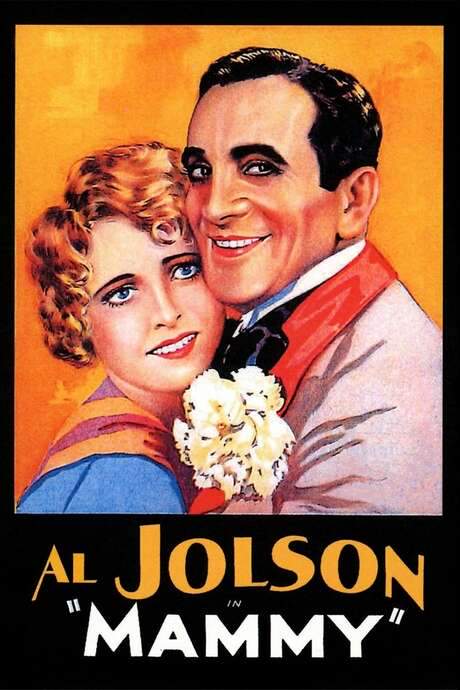
The film follows the joys and trials of a traveling minstrel troupe called the Merry Meadow Minstrels, a lively world where stage laughter masks real-life tensions and every performance teeters on a knife-edge of ambition. At the heart of the troupe is Al Fuller, brought to life by Al Jolson, a magnetic blackface endman whose quick timing and big-hearted bravado keep the show spinning even when the curtain falls on hard times. Slats, the other endman who feeds the act with sharp banter, is portrayed by Tully Marshall, adding a rough-edged humor that lightens the heavy moments and sharpens the stakes when the troupe faces danger.
The show’s operation is controlled by Meadows, the weary owner of the caravan and the stage that sustains them, played by Hobart Bosworth. His daughter Nora Meadows, a bright and passionate presence on the road, is portrayed by Lois Moran and becomes Jolson’s love interest, drawing him deeper into the family circle and into a triangle of desire that also involves the show’s other key figure. Sherman’s character, the interlocutor whose own affections compete for Nora’s, adds tension to every scene, heightening the emotional pull as the troupe moves between performances and private longings. The dynamic among Jolson’s Al Fuller, Nora, and the rival suitor drives much of the film’s dramatic engine, even as the troupe’s numbers entertain audiences night after night.
The minstrel show is in a miserable state when Jolson steps in with a blend of showmanship and improvisation, captivating a wary Sheriff Tremble, played by Jack Curtis, and persuading him to invest in the troupe. That seed of capital changes everything: the Minstrels begin to climb out of debt, their acts grow bolder, and Jolson earns a chance to visit his mother, Mother Fuller, a figure brought to life by Louise Dresser. The family connection, the warmth of home, and the lure of financial success pull Jolson into a renewed sense of purpose and belonging, while Nora’s presence anchors his ambitions in a personal horizon he hadn’t anticipated.
Not long after, Jolson returns and confesses his love to Nora, a revelation that sparks jealousy in the heart of the rival suitor. The tension between Jolson and Sherman’s character escalates into a heated confrontation, a clash that is punctuated by the disruptive presence of a card-cheating associate. The individual in question is Hank Smith, a character played by Mitchell Lewis. This man’s resentment fuels a dangerous plan: he quietly loads real bullets into Jolson’s stage gun, a reckless act born of anger and fear of exposure.
The trap is set during a minstrel number in which Jolson performs a staged firing at Sherman’s character. Because Jolson’s gun is supposed to be harmless in the show, Lewis understands that the act could become a real murder, and he anticipates the consequences—a crime Jolson will be blamed for if the act goes tragically wrong. When the shot rings out and Sherman is struck, the illusion of the performance shatters, and Jolson is arrested almost at once. Yet the desperate escape follows, and Jolson flees town by boarding a freight train, leaving behind the life he had fought so hard to build.
As the truth unfolds, the weight of guilt and deceit begins to tilt back toward Jolson’s innocence. Lewis eventually steps forward, confessing to the real crime and clearing Jolson of the murder he never intended to commit. The film closes on a note of hard-won vindication, with Jolson’s character able to rebuild what he has almost lost and to reembrace the life that the Merry Meadow Minstrels represent: music, resilience, and the possibility of a brighter future on the road they call home.