Lula, the Son of Brazil

Lula, the Son of Brazil

Year: 2009

Runtime: 130 mins

Language: Portuguese

Directors: Fábio Barreto, Marcelo Santiago

DramaHistory

Born into a working‑class family, he heads to the bustling financial capital, where his drive leads him from labor activism and imprisonment to a dramatic political rise. Seen as a family man, militant, hero, convict, savior and romantic legend, he becomes one of Brazil’s most influential politicians.

Warning: spoilers below!

Haven’t seen Lula, the Son of Brazil yet? This summary contains major spoilers. Bookmark the page, watch the movie, and come back for the full breakdown. If you're ready, scroll on and relive the story!

Timeline – Lula, the Son of Brazil (2009)

Trace every key event in Lula, the Son of Brazil (2009) with our detailed, chronological timeline. Perfect for unpacking nonlinear stories, spotting hidden connections, and understanding how each scene builds toward the film’s climax. Whether you're revisiting or decoding for the first time, this timeline gives you the full picture.

1

Lula's birth in Garanhuns

The film opens with the birth of Luiz Inácio da Silva, nicknamed Lula, as the seventh child of Dona Lindu and Aristides in October 1945 in Garanhuns, Pernambuco. The scene hints at a modest, rural upbringing and the early life shaped by hardship. The family’s precarious footing in the countryside sets the stage for his later journey.

October 1945 Garanhuns, Pernambuco, Brazil
2

Aristides moves to Santos with Dona Mocinha

Two weeks after Lula’s birth, Aristides leaves with Dona Mocinha for Santos, abandoning a growing family in the countryside. Dona Lindu must raise Lula and his siblings on her own, setting the pattern of a split household. The move foreshadows a life split by new urban pressures and hidden family tensions.

November 1945 Santos, São Paulo, Brazil
3

The family moves to Santos to meet Aristides

In December 1952, the family relocates to Santos to meet Aristides in person. Upon arrival, Dona Lindu discovers Aristides has formed a second family and already lives with them in the same house. The revelation exposes a complicated family landscape that will shape Lula’s childhood.

December 1952 Santos, São Paulo, Brazil
4

Two families share a house and struggle to survive

Aristides’ two families share the same home, facing crowded conditions and constant financial strain. Lula and his siblings attend elementary school while also working as street vendors to help meet basic needs. The arrangement cultivates resilience amidst poverty and social strain.

1952–1950s Santos, São Paulo, Brazil
5

Lindu leaves Aristides and moves to São Paulo

Dona Lindu ultimately leaves the abusive Aristides and moves with her children to São Paulo. The migration marks a turning point toward a more urban, uncertain future. Lula begins to navigate a larger city and the possibilities it offers for work and organization.

1950s São Paulo, Brazil
6

Lula becomes a certified lathe operator

Lula earns certification as a lathe operator and secures a formal job in the automobile industry. The move from street life to factory work signals a shift toward organized labor involvement. The steady job introduces him to industrial conditions and the rhythms of factory life.

Late 1950s São Paulo, Brazil
7

Lula loses a finger in a factory press

While working in the auto plant, Lula suffers a serious accident and loses a finger in a press. The injury highlights the dangers of industrial labor and the sacrifice embedded in his early working years. It also serves as a catalyst for his later reflections on workers’ rights and safety.

Early 1960s São Paulo, Brazil
8

Ziza’s arrest fuels Lula’s union activism

Ziza’s arrest becomes a catalyst for Lula to engage in trade union activism. He moves from local struggles to taking on leadership roles within the workers’ movement. The risk and repression of the era intensify his commitment to organizing.

1960s São Paulo, Brazil
9

Lula rises to national prominence as a union leader

Lula’s union activities bring him into the national spotlight at a time when collective action was discouraged by authorities. He becomes a recognizable symbol of worker resistance and an emerging political voice. The national attention marks a shift from local labor to a broader social role.

1960s–1970s Brazil
10

Lula is imprisoned for his activities

Lula is arrested and imprisoned due to his ongoing union activities. The detention occurs during a period of heavy restrictions on labor organizing. The experience hardens his resolve and deepens his commitment to workers’ rights.

1980s Brazil
11

Dona Lindu dies as Lula is imprisoned

Around the same period, Dona Lindu dies, adding personal sorrow to Lula’s political struggles. Her passing intensifies the emotional stakes of his fight for workers’ rights. The double burden of family loss and political imprisonment underscores the personal cost of his activism.

1980s Brazil

Last updated: February 17, 2026 at 19:56

Was this helpful?

Lula, the Son of Brazil (2009) Timeline Questions Answered – Chronology FAQ

Find frequently asked questions about the Lula, the Son of Brazil (2009) timeline, including chronological order, nonlinear jumps, cause-and-effect links, and scene sequence clarifications. This timeline FAQ helps explain when key events happen, how moments connect, and why the story unfolds in that specific order.

Q1

Why did Aristides leave for Santos with Dona Mocinha shortly after Lula was born?

A.

Aristides abandoned his family two weeks after Lula's birth, leaving with his cousin Dona Mocinha to start a new life in Santos. He never sent for Dona Lindu and their children, essentially abandoning his responsibility to his original family. This abandonment forced Dona Lindu to raise Lula and his siblings alone in extreme poverty.

aristides abandonmentdona mocinhafamily betrayallula childhood
Q2

Why did Dona Lindu leave Aristides and move to São Paulo?

A.

Dona Lindu ultimately left Aristides because he was alcoholic and abusive. After years of struggling as a single mother in both Garanhuns and Santos, she made the painful decision to escape the abusive household and seek a safer life for her children in São Paulo.

dona linduabusedomestic violencesao paulomigration
Q3

How did Lula transition from factory worker to union leader?

A.

Lula became a union leader after his brother Ziza was arrested for political activities. The combination of Ziza's arrest and Lula's own workplace injury, losing a finger in a factory press, made him acutely aware of dangerous working conditions and workers' rights. These personal experiences drove him toward trade union activism.

Earlier scenes of Lula working in the factory and experiencing the accident directly set the stage for his later labor organizing.

union leaderlabor activismziza arrestfactory accidentworkers rights
Q4

What events fueled Lula's political activism?

A.

Several events shaped Lula's political awakening: growing up in poverty with a sense of social injustice, his brother's Ziza's arrest for dissent, and personally losing a finger in a dangerous factory accident. These experiences made him acutely aware of worker exploitation and unsafe conditions, driving him toward union leadership.

political activismlabor movementworker rightsindustrial accident
Q5

Why was Lula imprisoned for his union activities?

A.

Lula was arrested and imprisoned in the 1980s for his continued trade union activism during a period of heavy political repression in Brazil. His organizing efforts and leadership in workers' movements were viewed as threats by the military government, leading to his detention.

imprisonmentmilitary governmentpolitical repressionlabor movement
Q6

How did Lula's family discover Aristides had another family in Santos?

A.

In December 1952, when Lula was seven years old, the family traveled from Garanhuns to Santos to reunite with Aristides. Upon arrival, they discovered he had already formed a second family with Dona Mocinha and that both households were living together under one roof, sharing scarce resources.

second familysantoshousehold conflictfamily discovery
Q7

What was the impact of Dona Lindu's death while Lula was imprisoned?

A.

Dona Lindu passed away during Lula's imprisonment in the 1980s. Her death added profound personal grief to Lula's political struggles, occurring at the same time he was detained for his union activities. This double burden of family loss and political imprisonment underscored the personal costs of his activism.

dona lindu deathimprisonmentpersonal sacrificeemotional toll
Q8

Why did Lula and his siblings work as street vendors?

A.

After moving to Santos and discovering Aristides had two families sharing one home, the household faced extreme poverty and financial strain. Lula and his siblings were forced to work as street vendors to help the family survive, reflecting the harsh economic conditions that shaped Lula's early understanding of social inequality.

child laborstreet vendorpovertyfinancial struggle
Q9

How did Lula's childhood experiences shape his later political ideology?

A.

Lula's childhood was marked by poverty, family abandonment, and the struggle of living in a divided household with scarce resources. These experiences of hardship and social injustice, combined with his mother's resilience, planted the seeds for his later commitment to workers' rights and social equality.

childhood povertysocial justicefamily valuespolitical ideology formation
Q10

What was the significance of Lula losing his finger in the factory accident?

A.

While working as a lathe operator in the automobile industry, Lula lost a finger in a press machine accident. This personal injury symbolized the dangerous working conditions faced by industrial workers and became a catalyst for his later activism around workplace safety and workers' rights.

factory accidentindustrial injuryworkplace safetylabor conditions
Mobile App Preview

Coming soon on iOS and Android

The Plot Explained Mobile App

From blockbusters to hidden gems - dive into movie stories anytime, anywhere. Save your favorites, discover plots faster, and never miss a twist again.

Sign up to be the first to know when we launch. Your email stays private, always.

Explore Movie Threads

Discover curated groups of movies connected by mood, themes, and story style. Browse collections built around emotion, atmosphere, and narrative focus to easily find films that match what you feel like watching right now.

Rise from Adversity Biopics like Lula, the Son of Brazil

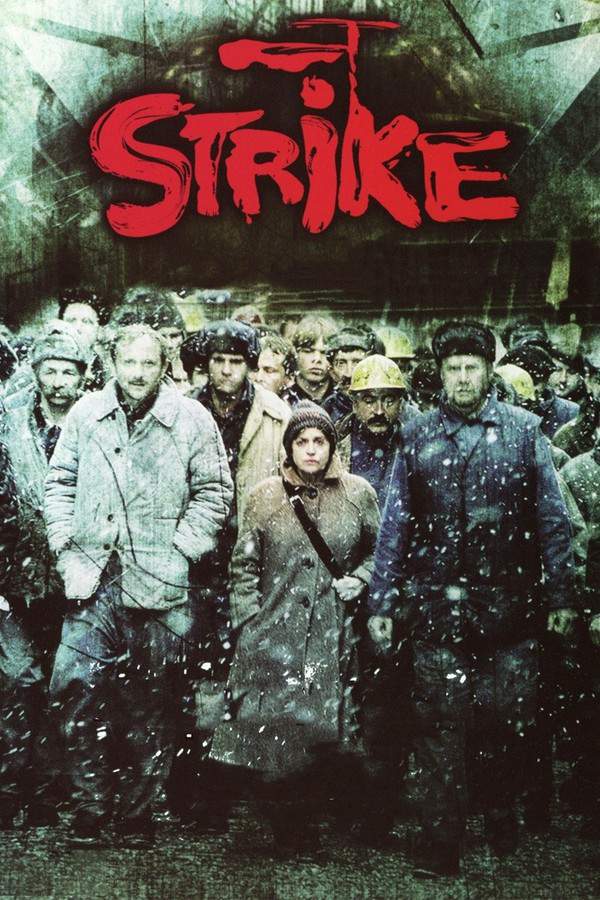
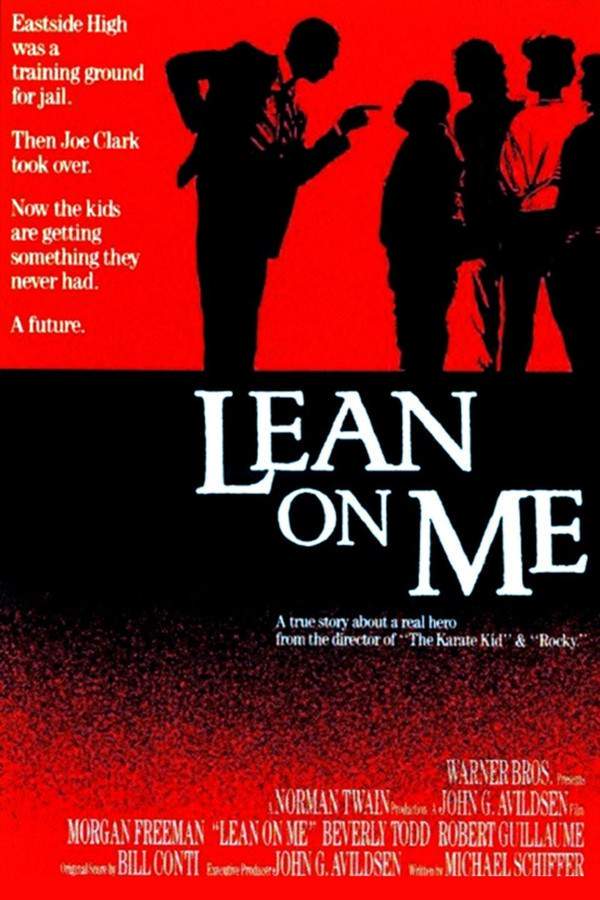
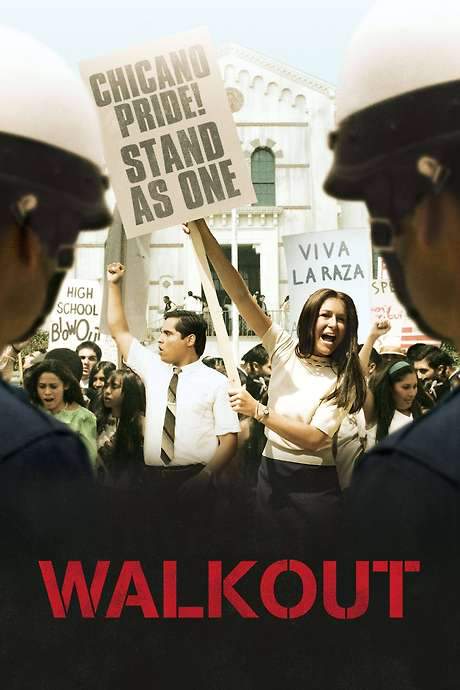
Inspiring true stories of individuals overcoming incredible odds to achieve greatness.Explore movies like Lula, the Son of Brazil that tell powerful true stories of individuals overcoming immense hardship. If you enjoyed watching a protagonist rise from poverty and oppression to become a historical figure, these similar inspiring biopics are for you.

inspiringgrittytriumphantresilientoppressivehopefulsomberuplifting

Narrative Summary

These films typically follow a linear, chronological structure, methodically tracing key life events that shape the protagonist. The story arc is defined by escalating challenges that test the character's resolve, culminating in a hard-won victory or societal impact that feels earned and triumphant.

Why These Movies?

Movies in this thread share a core narrative of triumph over systemic adversity. They balance gritty, realistic depictions of struggle with an ultimately hopeful tone, creating a powerful emotional journey centered on human resilience and the potential for change.

Gritty Socio-Political Dramas like Lula, the Son of Brazil

Stories that immerse you in the harsh realities of class conflict and systemic change.Find movies similar to Lula, the Son of Brazil that explore themes of poverty, political activism, and the fight for workers' rights. If you were gripped by the gritty depiction of social struggle and a character's journey through the political system, these dramas offer a comparable intense and thought-provoking experience.

grittyoppressivesuffocatingresilientuprisingsomberhopefulpolitical

Narrative Summary

The narrative is driven by the conflict between the individual or community and a larger, often unjust, power structure. The plot follows the protagonist's awakening to systemic issues, their involvement in collective action, and the personal sacrifices endured in the pursuit of a more equitable society.

Why These Movies?

These films are grouped by their unflinching portrayal of social hardship and the mechanisms of political change. They share a high emotional intensity, a sober and often oppressive atmosphere, and a central theme of resilience against overwhelming odds.

Unlock the Full Story of Lula, the Son of Brazil

Don't stop at just watching - explore Lula, the Son of Brazil in full detail. From the complete plot summary and scene-by-scene timeline to character breakdowns, thematic analysis, and a deep dive into the ending - every page helps you truly understand what Lula, the Son of Brazil is all about. Plus, discover what's next after the movie.

Lula, the Son of Brazil Summary

Read a complete plot summary of Lula, the Son of Brazil, including all key story points, character arcs, and turning points. This in-depth recap is ideal for understanding the narrative structure or reviewing what happened in the movie.

Lula, the Son of Brazil Summary

Characters, Settings & Themes in Lula, the Son of Brazil

Discover the characters, locations, and core themes that shape Lula, the Son of Brazil. Get insights into symbolic elements, setting significance, and deeper narrative meaning - ideal for thematic analysis and movie breakdowns.

Characters, Settings & Themes in Lula, the Son of Brazil

Lula, the Son of Brazil Spoiler-Free Summary

Get a quick, spoiler-free overview of Lula, the Son of Brazil that covers the main plot points and key details without revealing any major twists or spoilers. Perfect for those who want to know what to expect before diving in.

Lula, the Son of Brazil Spoiler-Free Summary

More About Lula, the Son of Brazil

Visit What's After the Movie to explore more about Lula, the Son of Brazil: box office results, cast and crew info, production details, post-credit scenes, and external links - all in one place for movie fans and researchers.

More About Lula, the Son of Brazil

Similar Movies to Lula, the Son of Brazil

Discover movies like Lula, the Son of Brazil that share similar genres, themes, and storytelling elements. Whether you’re drawn to the atmosphere, character arcs, or plot structure, these curated recommendations will help you explore more films you’ll love.