Plot Explained Spoilers guaranteed!
Plot Explained

Browse by genre

Lovin’ the Ladies (1930) movie poster

Characters & Themes

Lovin’ the Ladies (1930) Characters, Setting & Themes Explained

Release, runtime and language
1930 · 65 mins · English
Directed by
Melville W. Brown
Starring
Richard Dix, Selmer Jackson, Henry Armetta, Virginia Sale, Rita La Roy, Ernest Hilliard

A cynical man who argues that love is driven more by biology and chemistry than by spirit makes a wager, as part of his social experiment, by manipulating situations he can engineer any man and woman to fall for each other and become engaged within a month.

On this page (7)
  1. 1 Characters explained (7)
  2. 2 Where & when it takes place
  3. 3 Themes & meaning (3)
  4. 4 Character & meaning questions
  5. 5 Movie threads
  6. 6 Movies like Lovin’ the Ladies
  7. 7 Every angle

7 main characters · contains spoilers

Lovin’ the Ladies Characters Explained: Who Is Who

The main characters of Lovin’ the Ladies (1930), heroes and villains: what drives them, how they change over the course of the story and what each of them reveals about the film's bigger ideas.

  • Peter Darby (Richard Dix)

    An electrician by trade who embodies zest for life and an openness to romance. He is drawn into Jimmy's plan, initially as a lure for Betty, but his affection for Joan grows as he discovers genuine connection beyond wealth. His honesty about his humble status ultimately drives the story toward its happy ending.

    • ❄️ Charm
    • 🎭 Romance
  • George Van Horne (Selmer Jackson)

    Jimmy's cynical friend who bets he can prove his theory that two people can fall in love under the right circumstances. He orchestrates the bet and pushes the scheme forward, serving as the catalyst for the romantic mismatches.

    • 🤔 Skeptic
    • 🎭 Schemer
  • Joan Bently (Lois Wilson)

    A woman weary of marriage proposals until she meets Peter; she is charmed by his vitality and life-affirming outlook. Her trust wavers when she suspects Peter's involvement with Betty, but she ultimately chooses honesty and companionship.

    • 💖 Romantic
    • 🎭 Class clash
  • Betty Duncan (Renée Macready)

    A bored socialite more interested in solitary pursuits than courting men. She becomes the target of the bet, and her interest initially centers on other pleasures rather than romance, creating the comedic friction of the plot.

    • 💃 Socialite
    • ❌ Indifference
  • Jimmy Farnsworth (Allen Kearns)

    Wealthy and playful, he initiates the bet and manipulates events to prove his theory about love. He finances the wooing and provides the stagecraft for the elaborate romantic overtures.

    • 💼 Wealth
    • 🎭 Schemer
  • Brooks - the Butler (Anthony Bushell)

    Jimmy's loyal staff member who unexpectedly becomes a focal point for attraction as Betty's interest shifts away from Peter. He embodies the servant's role within a gilded social circle.

    • 🧳 Butler
    • 🎭 Rival
  • Davison - Tailor Shop Owner (Ernest Hilliard)

    The tailor who outfits Peter with clothes to fit Jimmy's high-society image, enabling the disguise that drives the plot's romantic misdirection.

    • 🧵 Tailor
    • 🕴️ Pretender

Last updated: October 04, 2025 at 15:21

Was this helpful?

Setting

Where and When Does Lovin’ the Ladies Take Place?

The setting of Lovin’ the Ladies (1930): the year and time period, the places and locations, and how they shape the characters, the mood and the tension of the story.

Time period

1930s

The story unfolds in a period marked by glamorous social rituals and sharp class distinctions. The flaunt of wealth, elaborate dates, and service staff dynamics reflect the era's appetite for spectacle and romance. This setting uses timely manners and propriety to drive a lighthearted exploration of love beyond money.

Location

Jimmy Farnsworth's estate

The action centers on the opulent grounds and interiors of Jimmy Farnsworth's estate, a setting that exudes luxury and social propriety. The estate's parlor, perfume-scented rooms, and formal soirées provide the backdrop for planned romantic maneuvers and witty exchanges. It represents a world where appearances and status dictate expectations, and where scheming and flirtation play out under watchful eyes.

  • 🏰 Estate
  • 💎 Wealth
  • 🎩 Upper class

Last updated: October 04, 2025 at 15:21

Was this helpful?

3 major themes

Lovin’ the Ladies Meaning: Themes & Message Explained

What is Lovin’ the Ladies (1930) really about? The emotional, social and philosophical themes the film keeps returning to, its symbolism and the message beneath the surface.

  • Romance

    A wealthy socialite and a working-class electrician spark a genuine connection despite a deliberate setup. The bet creates a predicament where true feelings emerge, challenging superficial judgments about who deserves love. The romance ultimately hinges on sincerity over status.

  • Imposture

    Peter adopts a high-class persona to woo Betty, aided by Jimmy's orchestrations. The deception highlights the allure and danger of appearances in romance, and how performance can obscure true intentions. The plot uses costumes and staged settings to explore social pretensions.

  • Honesty

    Peter's revelation of his humble status shifts the romantic calculus from fantasy to authenticity. The confrontation and confession in front of others tests loyalties and resolves the love triangle. True character wins out when sincerity prevails over deceit.

Last updated: October 04, 2025 at 15:21

Was this helpful?

Character & theme questions

Lovin’ the Ladies Characters & Meaning: Your Questions Answered

The questions people ask about Lovin’ the Ladies (1930): who the characters really are, their relationships, what the symbols mean, where it takes place and what the movie is really about. Each answer contains spoilers.

Q1

Where does the story take place?

The film is set primarily at Jimmy Farnsworth's estate, an opulent mansion featuring lavish parlors, perfume-scented rooms, and formal gardens. This luxurious upper-class world provides the backdrop for the social wager and romantic maneuvering, where appearances and status govern social interactions.

  • jimmy farnsworth estate
  • mansion
  • upper class setting
  • luxury home
Q2

What time period does the movie depict?

The story is set in the 1930s, an era defined by glamorous social rituals and sharp class distinctions. The period is characterized by elaborate social gatherings, flamboyant displays of wealth, and strict propriety in courtship rituals.

  • 1930s
  • 1930s era
  • golden age
  • social rituals
Q3

What is the main theme of the film?

Romance is the central theme, exploring how genuine connection can emerge between people from different social classes. A wealthy socialite and a working-class electrician find true love despite a deliberately engineered setup, proving that sincerity matters more than status.

  • romance
  • love
  • class differences
  • genuine connection
Q4

What role does imposture play in the story?

Imposture is a major theme, as Peter adopts a high-class persona to woo Betty, orchestrated by Jimmy's bet. The film uses costumes, staged settings, and false identities to explore how appearances can obscure true intentions in romance, highlighting both the allure and danger of pretending to be someone you're not.

  • imposture
  • deception
  • false identity
  • pretense
Q5

How does honesty factor into the story?

Honesty emerges as the resolution theme when Peter reveals his humble electrician background. His confession shifts the romantic dynamic from fantasy to authenticity, testing relationships and ultimately leading to a happy ending where true character prevails over deceit.

  • honesty
  • authenticity
  • confession
  • true character
Q6

Who is Peter Darby and what is his role?

Peter Darby is an electrician who becomes the central figure in Jimmy's romantic experiment. Initially used as a lure for Betty, he develops genuine feelings for Joan and ultimately chooses honesty about his humble origins, driving the story toward its resolution.

  • peter darby
  • electrician
  • main character
Q7

Who is Joan Bently?

Joan Bently is the woman who has grown weary of marriage proposals until she meets Peter. Drawn to his vitality and life-affirming outlook, her trust is tested when she suspects Peter may be involved with Betty, but she ultimately values honesty and companionship.

  • joan bentley
  • love interest
  • female lead
Q8

Who is Betty Duncan?

Betty Duncan is a bored socialite who shows more interest in solitary pursuits than in courting men. She becomes the target of Jimmy's bet, and her initial lack of interest in romance creates comedic friction throughout the plot.

  • betty duncan
  • socialite
  • bored socialite
Q9

What is Jimmy Farnsworth's role in the story?

Jimmy Farnsworth is the wealthy, playful socialite who initiates the bet to prove his theory about love. He provides the financing, stagecraft, and elaborate settings for the romantic overtures, orchestrating the entire experiment as a social game.

  • jimmy farnsworth
  • wealthy socialite
  • orchestrator
Q10

Who is George Van Horne?

George Van Horne is Jimmy's cynical friend who believes love is driven by biology and chemistry rather than spirit. He proposes the wager and orchestrates the bet, pushing the romantic scheme forward as the catalyst for the entire plot.

  • george van horne
  • cynical friend
  • bettor
Q11

How does the film address class differences?

The film explores class differences through the relationship between wealthy socialites and the working-class electrician. The bet creates a predicament that challenges superficial judgments about who deserves love, ultimately suggesting that genuine connection transcends social status.

  • class differences
  • social class
  • wealth vs poverty
Q12

What is the tone of the film?

The film has a lighthearted comedic tone driven by the premise of a social wager with no serious consequences. The romantic comedy genre and ultimately positive resolution keep the emotional intensity medium, focusing on wit and romantic foibles rather than heavy drama.

  • comedy
  • romantic comedy
  • light tone
  • humor

Movie threads

More Movies Like Lovin’ the Ladies, by Mood & Story

Curated lists built around what makes Lovin’ the Ladies tick: the same mood, the same kind of story or the same emotional payoff. Each list explains why these movies belong together.

Movies with a Fake Romance Bet Like Lovin’ the Ladies

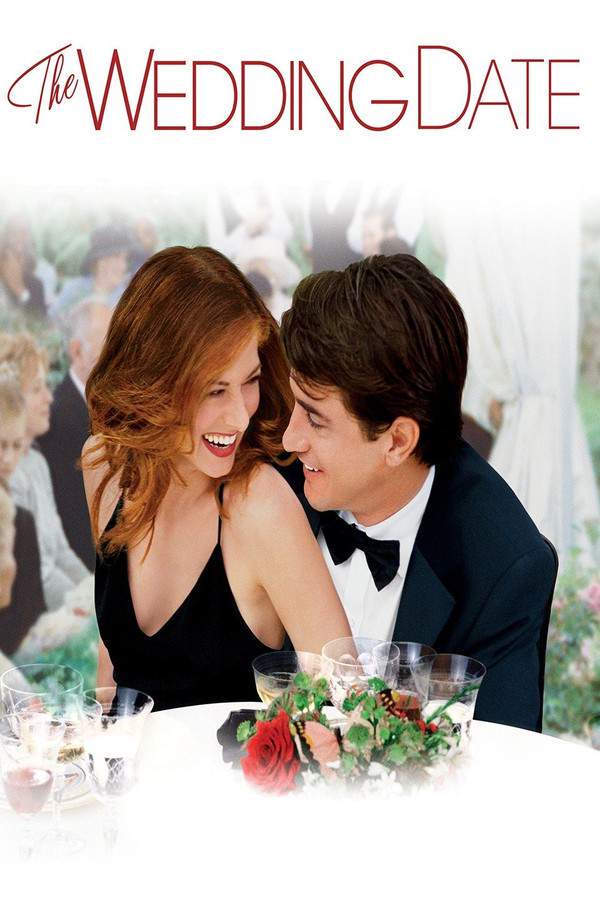
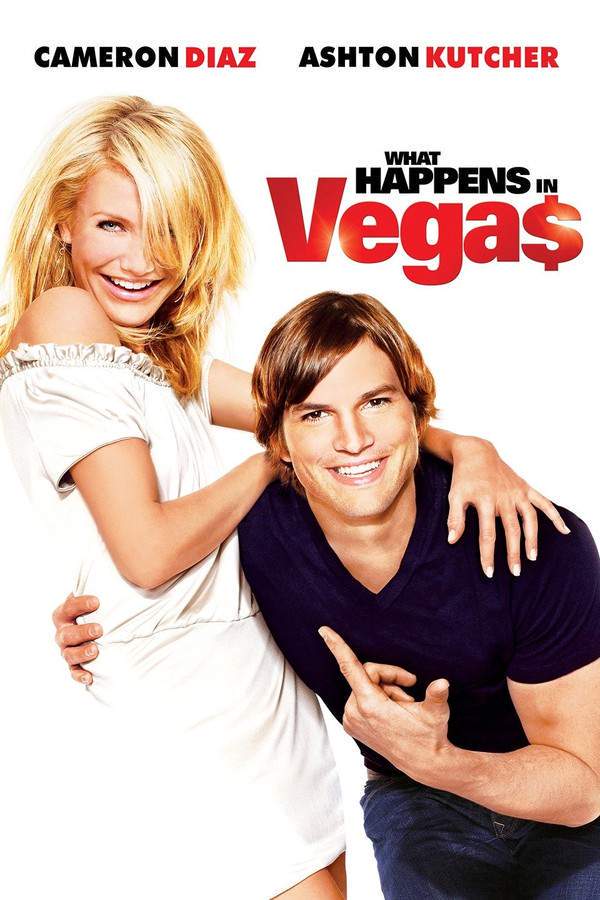
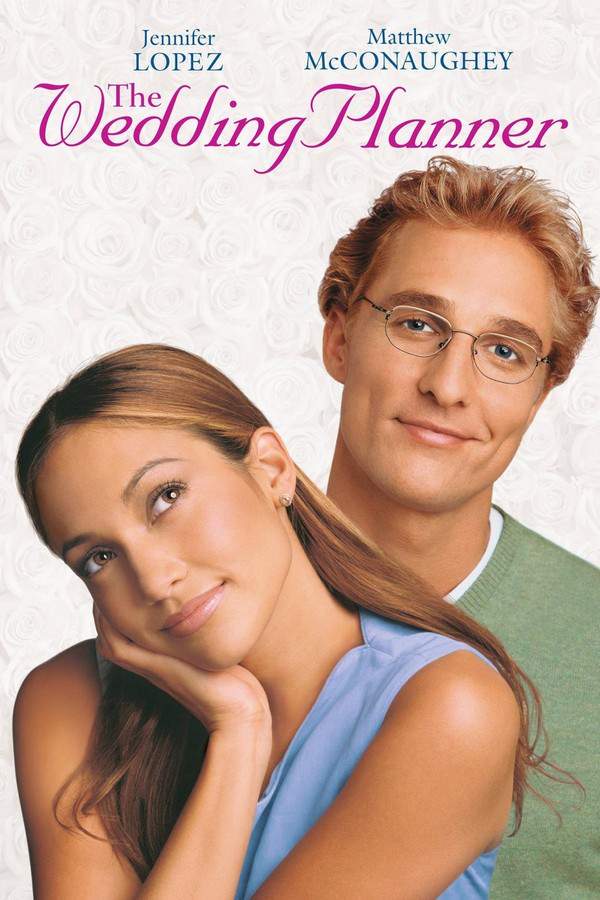
Stories where a cynical bet on love ironically sparks a genuine connection. If you liked the playful premise of a romantic wager in Lovin’ the Ladies, you'll enjoy these other films. This collection features movies where a cynical bet or social experiment leads to a pretend romance that unexpectedly becomes real, blending witty banter with genuine charm for a feel-good experience.

  • playful
  • deceptive
  • charming
  • whimsical
  • romantic
  • witty
  • Tone: light, charming, playful
  • Pacing: steady, predictable
Why these movies?

The story pattern: The narrative follows a predictable but engaging arc: a cynical character proposes a bet to prove love is manipulable, they set up a target and begin their deception, the fake courtship intensifies, genuine emotions begin to blur the lines, the deception is inevitably revealed causing conflict, and ultimately, true love triumphs over the original cynical premise.

Why they belong together: These movies are grouped together because they share a specific plot structure that blends romantic comedy with a central deception. They offer a mix of playful tension from the wager, the charm of a developing romance, and the emotional payoff of characters discovering their true feelings despite their initial intentions.

Charming and Sophisticated Romances Like Lovin’ the Ladies

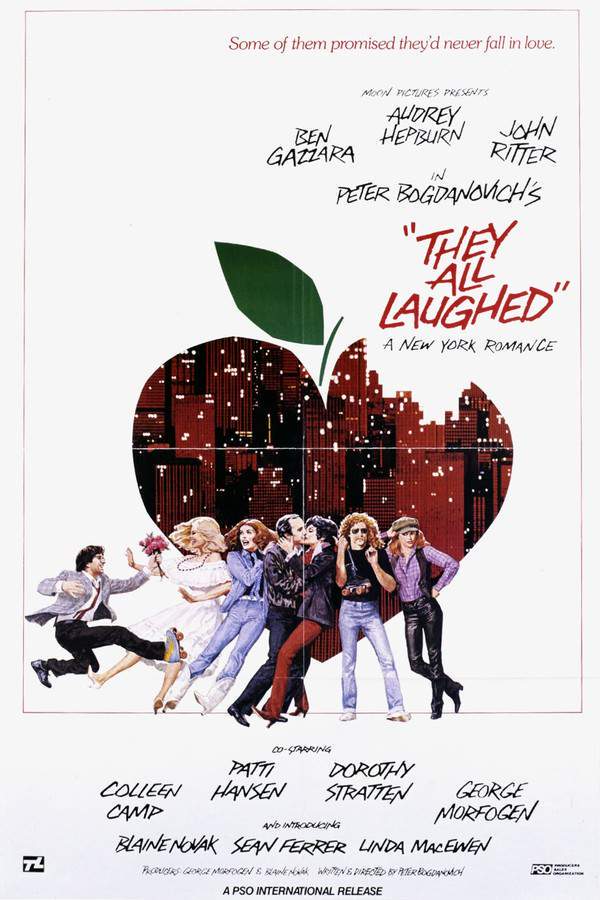
Witty and elegant romantic stories that prioritize charm and banter over heavy drama. For viewers who enjoyed the charming, sophisticated vibe of Lovin’ the Ladies, this list highlights similar romantic comedies. These films share a light tone, steady pacing, and a focus on witty courtship and elegant humor, perfect for when you want a feel-good story without heavy emotional weight.

  • sophisticated
  • charming
  • witty
  • lighthearted
  • whimsical
  • elegant
  • Tone: light, sophisticated, whimsical
  • Pacing: steady, conversational
Why these movies?

The story pattern: Stories in this thread often unfold in a civilized world of manners and wit. The central romantic plot is driven by conversation, misunderstanding, and charm rather than external action or high-stakes drama. The journey is one of intellectual and emotional attraction, culminating in a conclusion that affirms love and compatibility.

Why they belong together: These films are united by a shared mood and tone: they are consistently light, charming, and sophisticated. The pacing is steady and the emotional weight is light, creating a coherent viewing experience for audiences seeking elegant, humorous, and ultimately heartwarming romantic stories.

If you liked this

Movies Like Lovin’ the Ladies

Similar movies to Lovin’ the Ladies: the same genre, themes or kind of story. Each one comes with its own plot summary, timeline and ending explained.

Browse all movie summaries

Every angle

Lovin’ the Ladies (1930) Explained: Plot, Timeline & Characters

Everything about Lovin’ the Ladies in one place: what happens in the plot summary, the timeline in chronological order, the characters and meaning and a spoiler-free summary. What's After the Movie adds the cast, box office and post-credit scenes.

Coming soon on iOS and Android

The Plot Explained Movie Summary App

Plot summaries, endings explained and timelines on your phone. Catch up on any movie in minutes, save your favorites and never miss a twist again.

Be the first to know when we launch. Your email stays private, always.

Learn more about the app