Plot Explained Spoilers guaranteed!
Plot Explained

Browse by genre

Lovers and Lollipops (1956) movie poster

Plot Summary

Lovers and Lollipops (1956) Plot Summary Explained

Release, runtime and language
1956 · 82 mins · English
Loading streaming availability…
Directed by
Morris Engel, Ruth Orkin
Starring
Gerald S. O'Loughlin, Bill Ward, Lori March, Cathy Dunn

Ann, a striking widowed model living in New York with her daughter Peggy, becomes the object of affection for visiting engineer Larry. Their budding romance and the resulting comic mishaps are presented from both adult and child perspectives, offering a realistic glimpse of city life filmed on numerous New York locations.

On this page (6)
  1. 1 Where to watch
  2. 2 What happens: full plot
  3. 3 Plot questions answered
  4. 4 Movie threads
  5. 5 Movies like Lovers and Lollipops
  6. 6 Every angle
Loading streaming availability…

Full plot summary · contains spoilers

What Happens in Lovers and Lollipops: Full Plot Summary

The whole story of Lovers and Lollipops (1956) explained, from the opening scene to the final frame: every key event, every twist and what it all adds up to. Read it as a quick recap before the sequel, to check a scene you missed, or to finally understand what really happened.

In this quiet New York drama, Ann, a widowed model, begins a tentative romance with her old friend Larry, an engineer recently returned from working in South America. She is a mother to seven-year-old Peggy, who harbors mixed feelings about her mother's new relationship. Together the trio visits the Museum of Modern Art and Central Park, and Larry buys [Peggy] a toy boat to win her friendship while also wooing Ann.

They explore various corners of New York, with Peggy gradually warming to Larry but growing petulant and often trying to disrupt the romance. On a beach outing, Peggy stays with Larry as he parks the car, and she later hides in the parking lot, creating some tense moments that test everyone involved. Ann becomes upset when Larry asks that Peggy not accompany her to meet his father, a request that strains the budding relationship.

A series of incidents involving Peggy begins to alienate Ann from Larry, even as he continues to try to win her over, including a trip to Macy’s toy department where she deliberately dawdles to test his patience. When they return home, Peggy claims that Larry was impatient, fed her bad food, and even hit her when she stumbled. Ann cancels her plans to join Larry for an important dinner with his boss, a claim he denies as he leaves in anger. The couple goes for a few days without talking, yet they both miss each other. To mend things, Larry buys a puppy for Peggy, and the family eventually finds a way back to each other.

Last updated: February 24, 2026 at 13:37

Was this helpful?

Plot questions answered

Lovers and Lollipops Plot Explained: Your Questions Answered

The questions people ask most about Lovers and Lollipops (1956): what happens in the confusing scenes, why the characters do what they do, the twists, hidden details and what the ending means. Each answer contains spoilers.

Q1

Why does Peggy hide in the parking lot at the beach?

Peggy hides in the parking lot as a test of Larry's ability to protect her and as a way to resist her mother's new relationship. She has mixed feelings about Larry joining their family and uses the situation to create tension, showing she's not ready to fully accept him. The incident highlights her fear of being replaced or overlooked as Ann's attention shifts toward Larry.

Foreshadowing: Earlier in the film, Peggy is described as having wary curiosity about Larry, hinting at her eventual act of rebellion.

  • peggy
  • hiding
  • parking lot
  • beach
  • resistance
  • child perspective
Q2

Why does Larry ask Ann to leave Peggy behind when meeting his father?

Larry asks Ann to meet his father without Peggy because he wants to present their relationship as more serious and adult-focused, without the complication of a child. However, this request upsets Ann because it makes her feel like she's being asked to choose between her role as a mother and her romantic relationship. Ann sees this as a sign that Larry doesn't fully accept her family as a package deal.

Foreshadowing: This disagreement stems from the ongoing tension between including Peggy in their outings versus having adult-only time.

  • larry's father
  • meeting family
  • ann upset
  • conflict
  • expectations
Q3

Why does Peggy lie about Larry hitting her?

Peggy lies about Larry being impatient, feeding her bad food, and hitting her because she wants to sabotage the relationship between Ann and Larry. She resents sharing her mother's attention and hopes that negative stories about Larry will push him away. This is a classic child's manipulation tactic when feeling threatened by a new partner in their parent's life.

Foreshadowing: The Macy's toy department scene shows Peggy deliberately dawdling to test Larry's patience, demonstrating her ongoing resistance.

  • peggy lies
  • accusations
  • hitting
  • manipulation
  • child jealousy
Q4

How does buying the puppy reconcile Ann and Larry?

Larry buys a puppy for Peggy as a gesture to win back trust and affection after their conflict. The puppy works because it shows Larry is willing to invest in Peggy's happiness and is committed to being part of their family long-term. Peggy warms to the puppy immediately, and Ann sees this as evidence that Larry can be a loving, patient presence in their lives, allowing their relationship to move forward.

Foreshadowing: Earlier, Larry tries to win Peggy over with a toy boat, showing his strategy of using gifts to connect with her.

  • puppy
  • reconciliation
  • gift
  • trust
  • family
  • blended family
Q5

Why does Ann cancel the important dinner with Larry's boss?

Ann cancels the dinner because she's shaken by Peggy's accusations that Larry was impatient, fed her bad food, and hit her. She needs time to process these claims and evaluate whether Larry is truly suitable for her and her daughter. The cancellation represents a turning point where Ann prioritizes her role as a mother over her romantic relationship, even though she still has feelings for Larry.

Foreshadowing: The growing tension from Peggy's previous behaviors and the argument about meeting Larry's father set up this breaking point.

  • cancelled dinner
  • boss
  • conflict
  • ann chooses peggy
  • priorities
Q6

What does the toy boat Larry buys Peggy represent?

The toy boat represents Larry's initial attempt to win Peggy's friendship and acceptance. He buys it during their Museum of Modern Art and Central Park outing as a simple, thoughtful gesture to connect with Ann's daughter. The boat also symbolizes Larry's willingness to put in effort to be part of their family unit, though it proves insufficient to fully overcome Peggy's resistance.

Foreshadowing: This early gift sets up Larry's pattern of using presents to bridge the gap with Peggy.

  • toy boat
  • gift
  • friendship
  • winning over
  • central park
Q7

Does Peggy accept Larry by the end of the movie?

Yes, Peggy accepts Larry by the end of the movie. After initially resisting the relationship through various tests and even telling lies about him, Peggy warms to Larry when he buys her a puppy. The puppy signifies her acceptance of Larry as a permanent part of their family, and the three are shown together with a renewed bond, suggesting a happy blended family future.

Foreshadowing: Peggy's gradual warming to Larry throughout their New York excursions foreshadows her eventual acceptance.

  • peggy accepts larry
  • ending
  • resolution
  • blended family
  • happy ending
Q8

Why does Ann get upset when Larry asks her not to bring Peggy to meet his father?

Ann gets upset because Larry's request makes her feel she's being asked to abandon her responsibilities as a mother. She sees the relationship as a package deal, she and Peggy come together. By suggesting Peggy stay behind, Larry appears to be prioritizing a polished adult image over accepting Ann's full life situation. This triggers Ann's protective instincts and raises questions about whether Larry truly accepts her family.

Foreshadowing: This conflict reflects the ongoing theme of balancing the romantic relationship with the child's presence.

  • ann upset
  • meeting father
  • family unity
  • rejection
  • priorities

Movie threads

More Movies Like Lovers and Lollipops, by Mood & Story

Curated lists built around what makes Lovers and Lollipops tick: the same mood, the same kind of story or the same emotional payoff. Each list explains why these movies belong together.

Gentle Romance Through a Child's Eyes like Lovers and Lollipops

Stories where an adult relationship unfolds through the observing eyes of a child. Find more movies like Lovers and Lollipops where a budding adult romance is charmingly observed and influenced by a child's perspective. These films share a light, realistic feel and focus on family bonds.

  • gentle
  • wholesome
  • heartwarming
  • observational
  • family-centered
  • lighthearted
  • Tone: lighthearted, charming
  • Pacing: steady, observational
Why these movies?

The story pattern: The narrative follows a single parent navigating the dating world, with the child's reactions—from curiosity to mild resistance—providing the primary source of tension and comedy. The story arc is typically straightforward, resolving with a happy or hopeful family unification.

Why they belong together: Movies in this thread are grouped by their unique dual perspective, blending adult romantic development with a child's realistic, often quirky, interpretation of events. They share a light emotional weight, a gentle tone, and a focus on the formation of a new family unit.
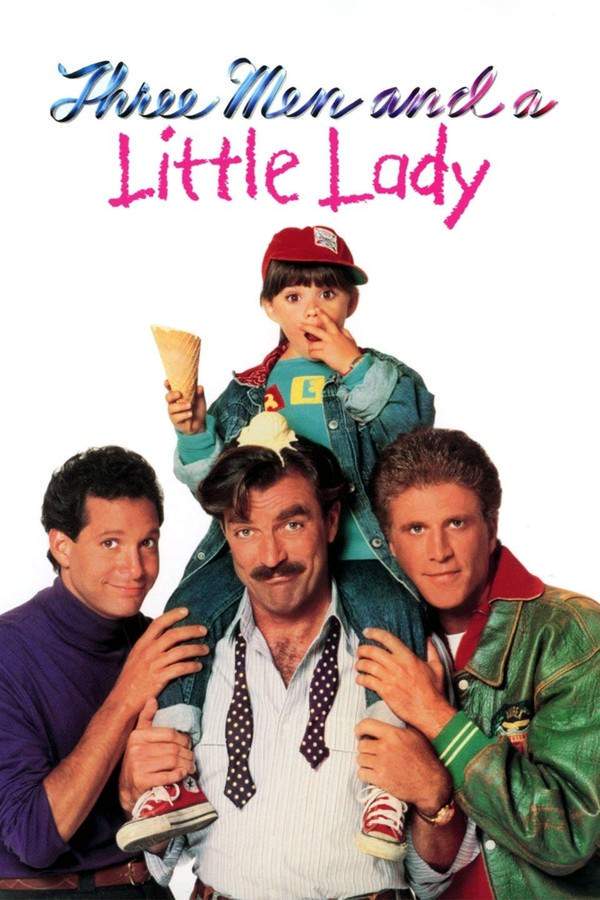
Movies Where the City is a Character like Lovers and Lollipops

Movies where the city setting profoundly shapes the everyday lives and relationships of its inhabitants. Discover films similar to Lovers and Lollipops that use their city setting as a central element of the story. If you liked the realistic New York backdrop, you'll enjoy these character-driven urban tales.

  • realistic
  • nostalgic
  • observational
  • urban
  • slice-of-life
  • charming
  • Tone: realistic, nostalgic
  • Pacing: steady, meandering
Why these movies?

The story pattern: The plot unfolds through a series of everyday encounters and locations within the city—parks, apartments, streets—creating a steady, episodic feel. Conflicts are often small-scale and interpersonal, resolved through the natural flow and possibilities the urban environment provides.

Why they belong together: These films are connected by their immersive and authentic portrayal of city living. They share a low-intensity, realistic vibe where the setting contributes to the charm and observational quality of the story, making the location as memorable as the characters.

If you liked this

Movies Like Lovers and Lollipops

Similar movies to Lovers and Lollipops: the same genre, themes or kind of story. Each one comes with its own plot summary, timeline and ending explained.

Browse all movie summaries

Every angle

Lovers and Lollipops (1956) Explained: Plot, Timeline & Characters

Everything about Lovers and Lollipops in one place: what happens in the plot summary, the timeline in chronological order, the characters and meaning and a spoiler-free summary. What's After the Movie adds the cast, box office and post-credit scenes.

Coming soon on iOS and Android

The Plot Explained Movie Summary App

Plot summaries, endings explained and timelines on your phone. Catch up on any movie in minutes, save your favorites and never miss a twist again.

Be the first to know when we launch. Your email stays private, always.

Learn more about the app