Plot Explained Spoilers guaranteed!
Plot Explained

Browse by genre

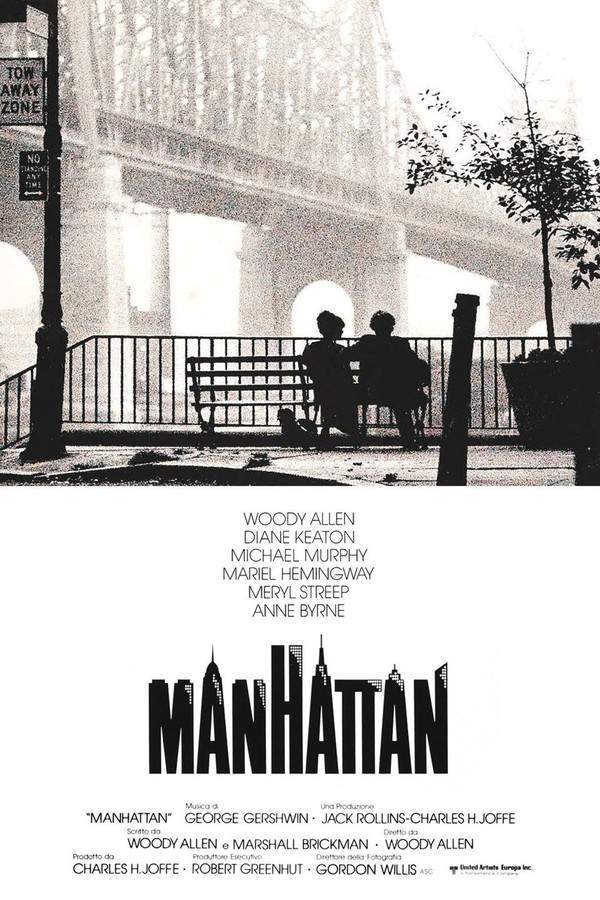
Manhattan (1979) movie poster

Plot Summary

Manhattan (1979) Plot Summary Explained

Release, runtime and language
1979 · 96 min · English
Starring
Diane Keaton, Mariel Hemingway, Woody Allen

Woody Allen's Manhattan follows Isaac Davis, a television writer grappling with midlife anxieties following his wife's unexpected death. Lost and longing for his youth, he becomes involved with a much younger woman, Marie, further complicating his already turbulent emotional state. Through a series of introspective moments and complicated relationships, Isaac confronts his self-destructive habits and searches for meaning in love and life within the vibrant backdrop of New York City.

On this page (6)
  1. 1 Where to watch
  2. 2 What happens: full plot
  3. 3 Plot questions answered
  4. 4 Movie threads
  5. 5 Movies like Manhattan
  6. 6 Every angle

Where to watch

Where to Watch Manhattan (1979)

Where can you watch Manhattan? Stream, rent or buy it in the US, including on Hoopla, Tubi TV and YouTube Free: current JustWatch availability with up-to-date prices.

Streaming availability powered by JustWatch

Full plot summary · contains spoilers

What Happens in Manhattan: Full Plot Summary

The whole story of Manhattan (1979) explained, from the opening scene to the final frame: every key event, every twist and what it all adds up to. Read it as a quick recap before the sequel, to check a scene you missed, or to finally understand what really happened.

The film commences with a captivating montage showcasing the vibrant life of Manhattan, all while George Gershwin's iconic Rhapsody in Blue provides a stunning musical backdrop. At the center of this narrative is Isaac, played by Woody Allen, a 42-year-old television comedy writer who finds himself grappling with writer's block as he attempts to craft a novel. Struggling to articulate his main character's perspectives on the world around him, particularly the bustling essence of Manhattan and its eclectic inhabitants, Isaac's journey begins.

During a dinner at Elaine's restaurant, Isaac enjoys the company of his lively 17-year-old girlfriend, Tracy (Mariel Hemingway), along with their friends, Yale (Michael Murphy) and Emily (Anne Byrne). The evening unfolds with discussions revolving around themes such as luck, art, and courage. However, as Tracy steps away for a moment, the conversation shifts to her youthful age, arousing concerns among the adults at the table. Isaac reveals to his friends his distress over his ex-wife, Jill (Meryl Streep), who is penning a book about their turbulent marriage. This revelation weighs heavily on him, as it threatens to unveil intimate details of their relationship.

As the night progresses, the group strolls along the sidewalk, where Yale confides in Isaac about an affair he's engaging in. Moreover, Isaac confronts Jill in a chance encounter, earnestly pleading with her not to publish her book, expressing worry for their young son, Willy, who is being raised by Jill and her new partner, Connie (Karen Ludwig).

In the intimacy of his apartment, Isaac shares heartfelt discussions with Tracy, who boldly professes her love for him, while Isaac remains hesitant, suggesting that she should explore more of life at her age instead of fixating solely on him. Their relationship deepens as they encounter Yale and his mistress, Mary (Diane Keaton), at an art exhibit. Here, spirited debates ignite between Isaac and Mary, both passionate about art and philosophy.

Life takes a turn for Isaac when he resigns from his television job, burdened by financial concerns involving alimony and child support. A subsequent chance encounter with Mary at a Museum of Modern Art fundraiser leads to a developing intimacy, culminating in a serene moment spent together under the dawn sky while watching the sun rise over the Queensboro Bridge.

Isaac’s emotional landscape becomes increasingly complex as he navigates his feelings for both Tracy and Mary. When Tracy informs him of a chance to pursue acting in London, he encourages her growth despite his own lingering attachment. Meanwhile, in parallel, Mary expresses anxiety over her affair with Yale, leading to an emotional entanglement that further complicates Isaac’s life.

As relationships intertwine and unravel, Isaac is forced to confront his past mistakes and the reality of his decisions. After a heartfelt journey filled with moments of joy, confusion, and self-discovery, Isaac ultimately reaches out to Tracy just before she departs for London. With urgency in his voice, he reveals his feelings, admitting he made a grave mistake and declaring his love. However, the timing is bittersweet, as Tracy reassures him of her return after six months, urging him to maintain faith for a possible reunion.

As the credits roll, the haunting melody of Embraceable You resonates, encapsulating the intricate dance of love and heartbreak that defines this poignant tale.

Last updated: November 16, 2024 at 15:00

Was this helpful?

Plot questions answered

Manhattan Plot Explained: Your Questions Answered

The questions people ask most about Manhattan (1979): what happens in the confusing scenes, why the characters do what they do, the twists, hidden details and what the ending means. Each answer contains spoilers.

Q1

Why is Isaac upset about Jill writing a book about their marriage?

Isaac is distressed because Jill is penning a tell-all book about their turbulent marriage, which threatens to expose intimate details of their relationship to the public. His primary concern is for their young son Willy, who would eventually read about his parents' troubled past. Isaac fears the book will hurt Willy emotionally and permanently label their family history in a negative light.

Foreshadowing: Earlier at dinner, Isaac's anxiety about the book is first revealed when he discusses it with friends, showing how this matter weighs heavily on his mind from the start.

  • Jill book
  • ex-wife
  • marriage
  • son Willy
  • privacy
Q2

Why does Isaac encourage Tracy to move to London for acting?

Despite his feelings for Tracy, Isaac encourages her to pursue the acting opportunity in London because he recognizes she is only 17 and should explore life more fully before committing to a serious relationship. He wants her to grow as a person and not be tied down to a much older man dealing with midlife chaos. However, this decision ultimately reflects his own fear of commitment and self-destructive tendency to push away happiness.

Foreshadowing: Earlier, Isaac tells Tracy she should experience more of life at her age, hinting at his belief that she deserves more than their relationship.

  • Tracy
  • London
  • acting
  • age gap
  • commitment
Q3

How do Isaac and Mary develop their relationship?

Isaac and Mary meet at an art exhibit where they engage in a passionate debate about art and philosophy, establishing their intellectual chemistry. Their connection deepens when they run into each other at a Museum of Modern Art fundraiser. During this encounter, they share a tender moment watching the sunrise together over the Queensboro Bridge, marking the beginning of their romantic relationship.

Foreshadowing: Their first meeting at the art exhibit establishes the intellectual tension between them, foreshadowing their eventual romantic involvement.

  • Mary
  • relationship
  • art exhibit
  • Queensboro Bridge
  • sunrise
Q4

Why does Isaac quit his television writing job?

Isaac resigns from his television job due to mounting financial pressures. He struggles with alimony and child support obligations, making it difficult to sustain his current lifestyle. This decision reflects his broader crisis of purpose and his inability to find meaning in his professional life, contributing to his sense of being stuck.

Foreshadowing: The film establishes early on that Isaac suffers from writer's block while trying to write his novel, hinting at his dissatisfaction with his career.

  • job
  • resign
  • television
  • finances
  • alimony
Q5

What prompts Isaac to finally confess his love for Tracy before she leaves?

Isaac realizes too late that he genuinely loves Tracy only when she's about to depart for London. His realization comes after a period of self-reflection and confrontation with his past mistakes. Faced with the imminent loss of someone who truly cares for him, Isaac finally acknowledges what he had been denying, that his feelings for Tracy are real and meaningful, not just another phase of his midlife confusion.

Foreshadowing: Throughout the film, Isaac's hesitancy to fully commit to Tracy, combined with his encouragement for her to experience life, sets up the tragic timing of his confession.

  • confession
  • love
  • Tracy
  • departure
  • regret
Q6

Why does Mary stay in her affair with Yale despite her anxiety?

Mary remains in the affair with Yale even though she feels anxious about it because she is emotionally entangled in a complicated situation. Her relationship with Yale provides her with a sense of belonging and stability, even if imperfect. Additionally, her emotional struggles become intertwined with Isaac's life as their relationships overlap, creating a complex web of attachments that is not easily broken.

Foreshadowing: At the art exhibit, Mary's presence as Yale's mistress establishes the complicated nature of their relationship from the beginning.

  • Mary
  • Yale
  • affair
  • anxiety
  • relationship
Q7

What is the significance of the sunrise scene at Queensboro Bridge?

The sunrise scene at Queensboro Bridge represents a moment of genuine connection and hope for Isaac. After a night spent at a Museum of Modern Art fundraiser with Mary, watching the dawn break together symbolizes Isaac's potential for new beginnings and emotional renewal. This serene moment marks a turning point where Isaac begins to move past his stagnation and open himself to meaningful connection, even though his ultimate path leads him back to Tracy.

Foreshadowing: The scene occurs after Isaac resigns from his job and is at a crossroads in his life, making it a pivotal moment of transition.

  • Queensboro Bridge
  • sunrise
  • Mary
  • new beginning
  • hope
Q8

Why does Isaac tell Tracy she should experience more of life?

Isaac tells Tracy she should experience more of life because he genuinely believes she is too young to settle into a serious relationship. However, this advice also reflects his own fear of commitment and his tendency to self-sabotage his happiness. By pushing Tracy away, Isaac avoids confronting his own emotional vulnerabilities and the responsibilities that come with loving someone fully.

Foreshadowing: This conversation happens in Isaac's apartment early in their relationship, establishing the pattern of emotional distance that defines their dynamic.

  • Tracy
  • life experience
  • youth
  • commitment
  • fear
Q9

What makes the ending of Manhattan bittersweet?

The ending is bittersweet because Isaac finally realizes his love for Tracy only after she is about to leave for London. While Tracy assures him she will return in six months and asks him to have faith, the immediate reality is one of painful separation. Their love is genuine, but the timing is wrong, Isaac's confession comes too late, leaving them both uncertain about whether their relationship will survive the distance and time apart.

Foreshadowing: Throughout the film, Isaac's reluctance to fully commit sets up this tragic timing where his realization arrives after the opportunity for immediate happiness has passed.

  • ending
  • bittersweet
  • separation
  • London
  • faith
Q10

Why does Isaac struggle with writer's block on his novel?

Isaac suffers from writer's block because he is emotionally and intellectually paralyzed by his midlife crisis. He cannot articulate his main character's perspectives on Manhattan because he himself lacks clarity about his own life and values. His writer's block mirrors his broader struggle to find meaning in his work, relationships, and identity, making it impossible for him to create coherent art until he resolves his internal conflicts.

Foreshadowing: The film opens with Isaac struggling to write, establishing early on that his creative stagnation is tied to his personal turmoil.

  • writer's block
  • novel
  • creativity
  • midlife crisis
  • Manhattan
Q11

What role does New York City play in the story?

New York City serves as both a setting and a character in the film, representing the energy, complexity, and emotional distance of modern urban life. The iconic montage opening sets the tone, showing Manhattan's vibrant rhythm through Gershwin's music. The city becomes a backdrop for Isaac's existential search, with its boroughs, restaurants, museums, and bridges marking the key moments of his relationships and self-discovery.

Foreshadowing: The opening montage establishes Manhattan as more than just a location, it is the thematic heart of the film, embodying the sophistication and loneliness Isaac experiences.

  • New York City
  • Manhattan
  • setting
  • Gershwin
  • mountains

Movie threads

More Movies Like Manhattan, by Mood & Story

Curated lists built around what makes Manhattan tick: the same mood, the same kind of story or the same emotional payoff. Each list explains why these movies belong together.

Movies about neurotic city romances like Manhattan

Complicated relationships and personal anxieties set against an iconic urban backdrop. If you enjoyed the talky, anxious romance of Manhattan, explore more films like it. This list features similar stories of complicated love and self-discovery set against vibrant cityscapes, perfect for fans of witty dialogue and bittersweet relationships.

  • neurotic
  • conversational
  • romantic
  • melancholic
  • witty
  • urban
  • Tone: melancholic, conversational, witty
  • Pacing: steady, dialogue-driven
Why these movies?

The story pattern: Narratives in this thread often follow intelligent but insecure characters as they navigate love triangles, infidelity, and the search for authenticity. The plots are driven by conversations and character revelations rather than external events, leading to endings that are thoughtful and emotionally resonant, if not entirely happy.

Why they belong together: These films are grouped by their shared focus on the intersection of romance and neurosis, their steady pacing driven by sophisticated dialogue, and their use of an urban setting to enhance the mood. They consistently deliver a mix of intellectual humor and emotional vulnerability.

Movies about bittersweet midlife crises like Manhattan

Character-driven stories of existential crisis, regret, and late self-discovery. Find more films similar to Manhattan that explore the complexities of midlife. These movies feature characters grappling with aging, creative blocks, and nostalgia, offering poignant and bittersweet stories about finding meaning later in life.

  • introspective
  • wistful
  • autumnal
  • melancholic
  • midlife crisis
  • self-discovery
  • Tone: melancholic, wistful, introspective
  • Pacing: steady, reflective
Why these movies?

The story pattern: The narrative pattern involves a protagonist, typically creative or intellectual, confronting their own flaws and missed opportunities. Through a series of personal failures and revelations, they gain a more sober, bittersweet understanding of themselves and their place in the world, often culminating in an ending that is more about acceptance than triumph.

Why they belong together: They share a central theme of midlife existential angst, a melancholic and reflective tone, and a moderate complexity that delves into a character's psychology. The emotional journey is consistently one of confronting the past to find a fragile peace in the present.

If you liked this

Movies Like Manhattan

Similar movies to Manhattan: the same genre, themes or kind of story. Each one comes with its own plot summary, timeline and ending explained.

Browse all movie summaries

Every angle

Manhattan (1979) Explained: Plot, Timeline & Characters

Everything about Manhattan in one place: what happens in the plot summary, the timeline in chronological order, the characters and meaning and a spoiler-free summary. What's After the Movie adds the cast, box office and post-credit scenes.

Coming soon on iOS and Android

The Plot Explained Movie Summary App

Plot summaries, endings explained and timelines on your phone. Catch up on any movie in minutes, save your favorites and never miss a twist again.

Be the first to know when we launch. Your email stays private, always.

Learn more about the app