Plot Explained Spoilers guaranteed!
Plot Explained

Browse by genre

Love Is Colder Than Death (1969) movie poster

Characters & Themes

Love Is Colder Than Death (1969) Characters, Setting & Themes Explained

Release, runtime and language
1969 · 88 mins · German
Starring
Hans Hirschmüller, Hanna Schygulla, Irm Hermann, Katrin Schaake, Rainer Werner Fassbinder, Ingrid Caven

Small-time pimp Franz is torn between his mistress and Bruno, the gangster sent after him by a shady crime syndicate he’s refused to join.

On this page (7)
  1. 1 Characters explained (4)
  2. 2 Where & when it takes place
  3. 3 Themes & meaning (3)
  4. 4 Character & meaning questions
  5. 5 Movie threads
  6. 6 Movies like Love Is Colder Than Death
  7. 7 Every angle

4 main characters · contains spoilers

Love Is Colder Than Death Characters Explained: Who Is Who

The main characters of Love Is Colder Than Death (1969), heroes and villains: what drives them, how they change over the course of the story and what each of them reveals about the film's bigger ideas.

  • Franz Walsch (Rainer Werner Fassbinder)

    Franz is a petty hood who refuses to join the criminal syndicate, living as Joanna's pimp and avoiding full commitment to organized crime. He keeps a cool, pragmatic exterior even as violence erupts around him. His actions set off a chain of killings and a doomed bank robbery plan, revealing a dangerous mix of self-preservation and moral ambiguity.

    • 🧊 Cool-headed
    • 💔 Detached
  • Bruno Straub (Ulli Lommel)

    Bruno is a handsome but cold young enforcer sent by the syndicate to shadow Franz. He backs violence to solve problems and forms a dangerous bond with Joanna. His loyalty to the plan ends in a shootout that marks the film's descent into chaos.

    • 🔥 Violent
    • 🕶️ Cold-blooded
  • Johanna (Joanna) (Hanna Schygulla)

    Johanna is a prostitute who shares Franz's flat and becomes entangled with Bruno. She begins an affair with Bruno while Franz is questioned by the police, and she ultimately tips off the police about the robbery, showcasing self-serving complicity.

    • 🧠 Strategic
    • 💋 Seductive
  • Kommissar Yaak Karsunke

    Yaak Karsunke is the detective figure who pursues Franz, coordinating the police response and providing the film's procedural counterpoint to the criminals. His presence intensifies the tension as the characters' plan teeters on exposure.

    • 🕵️‍♂️ Investigative
    • 🧩 Persistent

Last updated: February 03, 2026 at 07:28

Was this helpful?

Setting

Where and When Does Love Is Colder Than Death Take Place?

The setting of Love Is Colder Than Death (1969): the year and time period, the places and locations, and how they shape the characters, the mood and the tension of the story.

Time period

Location

Munich, Germany

The story unfolds in Munich's urban core, moving through dim flats, cafés, and the city streets where crime threads through daily life. The apartment shared by Joanna serves as the film's focal point, a private stage for coercion and manipulation. The city's anonymity and bustle provide cover for the petty criminal underworld depicted in the narrative.

  • 🏙️ Urban
  • 🔪 Crime-ridden
  • 🚦 Nightlife

Last updated: February 03, 2026 at 07:28

Was this helpful?

3 major themes

Love Is Colder Than Death Meaning: Themes & Message Explained

What is Love Is Colder Than Death (1969) really about? The emotional, social and philosophical themes the film keeps returning to, its symbolism and the message beneath the surface.

  • Moral Ambiguity

    Love and loyalty blur with crime as Franz resists joining the syndicate while engaging in violence to survive. The actions of Bruno and Joanna show how people rationalize wrongdoing in pursuit of personal gain. The film does not offer clean justice but rather a raw look at survival in a merciless world. The narrative leaves right and wrong in a constant state of flux, forcing characters to choose between self-preservation and semblance of morality.

  • Betrayal

    Betrayal threads through every major decision: Joanna's shifting loyalties, Franz's willingness to use partners, and Bruno's role as an enforcer. Trust is fragile in the underworld, where conflicts are settled with violence and sudden alliances can shift overnight. The film presents a cold calculus where affection is instrumental and personal advantage drives choices. The bank robbery plan becomes a stage for renewed deception.

  • Violence

    Violence erupts quickly and without hesitation, turning casual meetings into fatal confrontations. The killings—of the Turk and the waitress—reveal a world where life is cheap and consequences are swift. The film uses shock moments to expose how easily ordinary people are pulled into a cycle of crime and retaliation. The finale leaves a stark, unsettling sense of inevitability about the characters' fates.

Last updated: February 03, 2026 at 07:28

Was this helpful?

Character & theme questions

Love Is Colder Than Death Characters & Meaning: Your Questions Answered

The questions people ask about Love Is Colder Than Death (1969): who the characters really are, their relationships, what the symbols mean, where it takes place and what the movie is really about. Each answer contains spoilers.

Q1

What city is the movie set in?

The movie takes place in Munich, Germany. The story unfolds through the city's urban core, featuring dim flats, cafés, and streets where petty crime threads through daily life. Munich's anonymity and bustle provide cover for the criminal underworld depicted in the film.

  • munich
  • germany
  • setting
  • location
  • crime city
Q2

What kind of world does the movie depict?

The film depicts Munich's criminal underworld as a bleak, transactional environment where violence erupts quickly and life has little value. The city's urban spaces, apartments, cafés, streets, serve as a cold stage for coercion, manipulation, and casual killing, presenting a world where survival means constantly navigating threat and moral compromise.

  • munich
  • underworld
  • crime
  • criminal world
  • urban setting
Q3

What is the film's main theme about morality?

Moral Ambiguity is central to the film, exploring how love and loyalty blur with crime. Franz resists joining the syndicate while engaging in violence to survive, and characters like Bruno and Joanna rationalize wrongdoing in pursuit of personal gain. The narrative leaves right and wrong in constant flux, forcing characters to choose between self-preservation and any semblance of morality.

  • moral ambiguity
  • crime
  • morality
  • themes
  • survival
Q4

How does betrayal function in the story?

Betrayal threads through every major decision in the film. Joanna shifts loyalties between Franz and Bruno, Franz uses his partners without hesitation, and Bruno operates as an enforcer. Trust is fragile in this underworld where conflicts settle with violence and alliances shift overnight. The film presents affection as instrumental, personal advantage drives all choices.

  • betrayal
  • trust
  • loyalty
  • themes
  • relationships
Q5

What role does violence play in the film?

Violence erupts quickly and without hesitation, turning casual meetings into fatal confrontations. The killings, the Turk and the waitress, reveal a world where life is cheap and consequences are swift. These shock moments expose how easily ordinary people are pulled into a cycle of crime and retaliation, creating an unsettling sense of inevitability about the characters' fates.

  • violence
  • killing
  • crime
  • themes
  • retaliation
Q6

Who is Franz Walsch and what is his role?

Franz Walsch is a petty hood who refuses to join the criminal syndicate, living as a pimp and avoiding full commitment to organized crime. He maintains a cool, pragmatic exterior even as violence erupts around him. His actions set off a chain of killings and a doomed bank robbery plan, revealing a dangerous mix of self-preservation and moral ambiguity.

  • franz walsch
  • character
  • protagonist
  • pimp
  • syndicate
Q7

Who is Bruno Straub and what does he represent?

Bruno Straub is a handsome but cold young enforcer sent by the syndicate to shadow Franz. He backs violence to solve problems and forms a dangerous bond with Joanna. His loyalty to the criminal plan ends in a shootout that marks the film's descent into chaos, representing the ruthless machinery of organized crime.

  • bruno straub
  • character
  • enforcer
  • syndicate
  • violence
Q8

Who is Johanna and what is her role in the story?

Johanna is a prostitute who shares Franz's flat and becomes entangled with Bruno. She represents the transactional nature of relationships in this world, beginning an affair with Bruno while Franz is in police custody, and ultimately betraying the criminals by tipping off the police about the robbery, showcasing self-serving complicity in a world where everyone looks out for themselves.

  • johanna
  • character
  • prostitute
  • affair
  • betrayal
Q9

What is the conflict with the criminal syndicate about?

Franz has refused to join a shady crime syndicate, which puts him in danger. The syndicate sends Bruno Straub as an enforcer to either bring Franz into the organization or eliminate him. This creates the central tension, Franz must navigate between refusing organized crime's protection while engaging in petty criminal activities to survive, ultimately setting the doomed events in motion.

  • syndicate
  • organized crime
  • franz
  • bruno
  • conflict
Q10

What is the overall tone and mood of the film?

The tone is overwhelmingly bleak and nihilistic, established through a steady, matter-of-fact pacing that mirrors the characters' emotional detachment. The emotional weight is heavy due to pervasive themes of betrayal, casual violence, and existential emptiness. There is no narrative complexity to obscure the harsh realities, the world presented is merciless, and hope or redemption are absent.

  • tone
  • nihilism
  • bleak
  • mood
  • cynical

Movie threads

More Movies Like Love Is Colder Than Death, by Mood & Story

Curated lists built around what makes Love Is Colder Than Death tick: the same mood, the same kind of story or the same emotional payoff. Each list explains why these movies belong together.

Nihilistic crime movies like Love Is Colder Than Death

Stories of moral collapse within cold, transactional criminal underworlds. For viewers seeking movies like Love Is Colder Than Death, this list features bleak crime dramas set in morally bankrupt underworlds. These films share a cold, detached tone, high emotional weight, and a focus on the empty, transactional nature of criminal life, often ending without redemption.

  • nihilistic
  • cold
  • detached
  • fatalistic
  • grim
  • ominous
  • Tone: bleak, detached, cold
  • Pacing: steady, deliberate
Why these movies?

The story pattern: Narratives in this thread follow characters who are already deep within or are drawn into a criminal ecosystem. The plot is often straightforward, focusing on a series of escalating, morally dubious acts. The central conflict is less about good versus evil and more about the psychological toll of existing in a world devoid of warmth or higher meaning, culminating in an ending that offers no escape or moral victory.

Why they belong together: Movies are grouped here for their shared atmosphere of profound nihilism, their unflinching portrayal of crime as a bleak profession, and their use of a steady, detached pacing that mirrors the characters' emotional emptiness. They create a consistent, heavy viewing experience defined by coldness and fatalism.

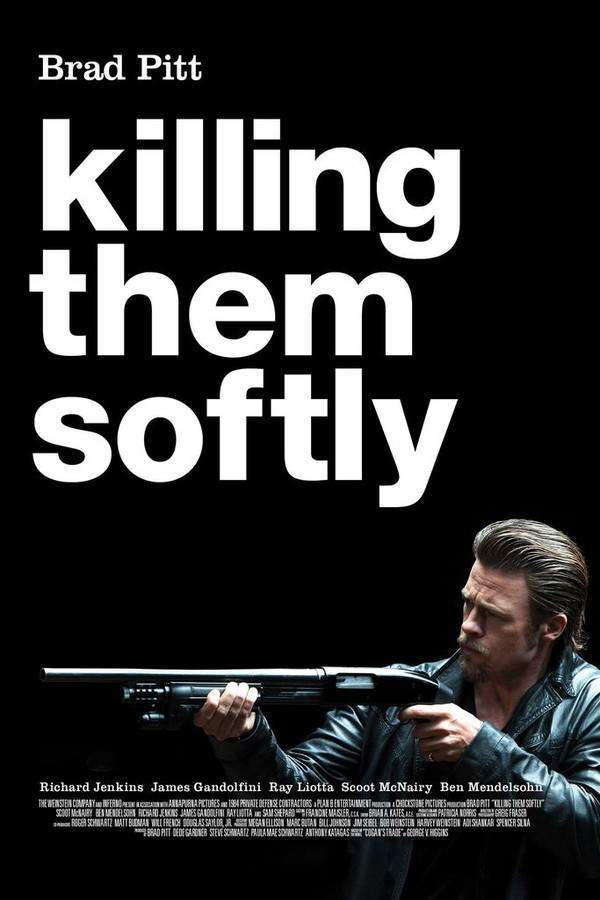
Movies with unstable criminal trios like in Love Is Colder Than Death

Unstable alliances between three characters that inevitably end in violence. If you liked the tense dynamic between Franz, Bruno, and Joanna in Love Is Colder Than Death, explore these movies featuring similarly unstable criminal trios. These stories focus on the psychological tension, moral ambiguity, and inevitable betrayal that unfolds within a three-person power struggle.

  • anxious
  • tense
  • fatalistic
  • grim
  • ominous
  • betrayal
  • Tone: tense, grim, ominous
  • Pacing: steady, character-driven
Why these movies?

The story pattern: The narrative pattern revolves around three central characters, often two men and one woman, bound by crime or circumstance. The plot is driven by the psychological tension between them, as alliances form and dissolve. A key element is the inevitability of betrayal, which acts as the narrative climax, solidifying the film's themes of distrust and the transactional nature of human connection.

Why they belong together: These movies are grouped by their core narrative structure—a fatalistic trio dynamic—and the specific mood it creates: a steady build of anxious tension under a grim, ominous atmosphere. They share a straightforward plot complexity that puts the focus squarely on the characters' psychological unraveling.

If you liked this

Movies Like Love Is Colder Than Death

Similar movies to Love Is Colder Than Death: the same genre, themes or kind of story. Each one comes with its own plot summary, timeline and ending explained.

Browse all movie summaries

Every angle

Love Is Colder Than Death (1969) Explained: Plot, Timeline & Characters

Everything about Love Is Colder Than Death in one place: what happens in the plot summary, the timeline in chronological order, the characters and meaning and a spoiler-free summary. What's After the Movie adds the cast, box office and post-credit scenes.

Coming soon on iOS and Android

The Plot Explained Movie Summary App

Plot summaries, endings explained and timelines on your phone. Catch up on any movie in minutes, save your favorites and never miss a twist again.

Be the first to know when we launch. Your email stays private, always.

Learn more about the app