
Lost in Siberia
Year: 2012
Runtime: 100 mins
Language: German
Director: Ralf Huettner
A German logistician, Matthias Bleuel, is dispatched to Kemorovo, Siberia, to implement a German workflow system for a Russian subsidiary. While attempting to impart his expertise, the harsh Siberian landscape and the unfamiliar culture profoundly impact him, leading to a personal transformation and challenging his perspective on life.
Lost in Siberia (2012) – Spoiler-Free Movie Summary & Plot Overview
Get a spoiler-free look at Lost in Siberia (2012) with a clear plot overview that covers the setting, main characters, and story premise, without revealing key twists or the ending. Perfect for deciding if this film is your next watch.
In the frozen expanse of Stalin‑era Siberia, a British archaeologist finds himself thrust from scholarly pursuits into a stark reality far removed from the lecture halls of Cambridge. Andrei Miller arrives under the weight of a misunderstanding that lands him in a brutal labor camp, where the unforgiving landscape mirrors the harshness of the regime that governs it. The film paints the camp’s world in muted, cold tones, emphasizing the isolation of endless taiga, the clatter of machinery, and the relentless wind that seems to strip away pretenses, leaving only the raw struggle for dignity.
Within this bleak environment, relationships emerge as fragile points of light. A fellow prisoner who speaks a sliver of English offers an unexpected bridge to communication, while a young doctor named Anna tends to the sick with a quiet professionalism that hints at deeper compassion. Their interactions, set against the backdrop of daily hardship, suggest a subtle human resilience that persists despite the omnipresent threat of dehumanization. The presence of a Japanese inmate adds another layer of cultural friction and tentative camaraderie, underscoring the uneasy coexistence of strangers forced together by circumstance.
The tone balances stark realism with a lingering sense of mystery, never fully revealing the fates that may await its characters. Cinematically, the film lingers on sweeping shots of snow‑bound horizons, interspersed with intimate close‑ups that capture the weary expressions of those who endure. The narrative tone is unflinching, inviting viewers to feel the oppressive atmosphere while also pondering the quiet moments of kindness that surface amid the cold. In this world of relentless hardship, Andrei Miller becomes a vessel through which the audience can explore the tension between survival and humanity, setting the stage for a story that is as much about inner transformation as it is about the unforgiving world around him.
Last updated: March 04, 2026 at 14:42

Explore Movie Threads
Discover curated groups of movies connected by mood, themes, and story style. Browse collections built around emotion, atmosphere, and narrative focus to easily find films that match what you feel like watching right now.
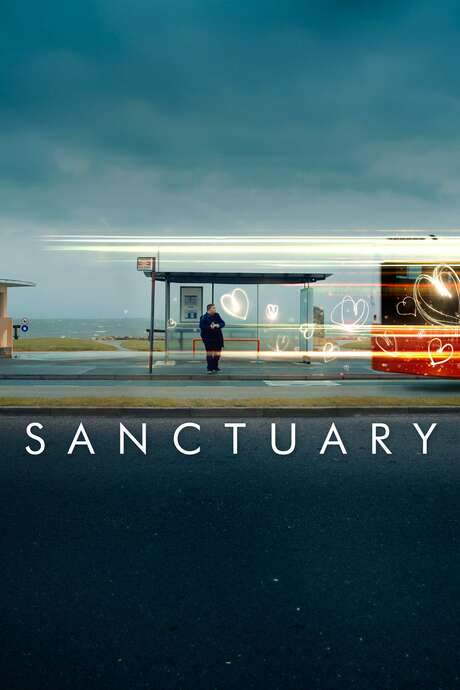
Crushing isolation in hostile landscapes like Lost in Siberia
Stories of individuals profoundly challenged by an unforgiving and alien environment.If you were captivated by the oppressive Siberian setting in 'Lost in Siberia', explore more movies like it where the landscape itself is a formidable challenge. These films feature characters fighting for their sanity and survival against overwhelming environmental and cultural forces.


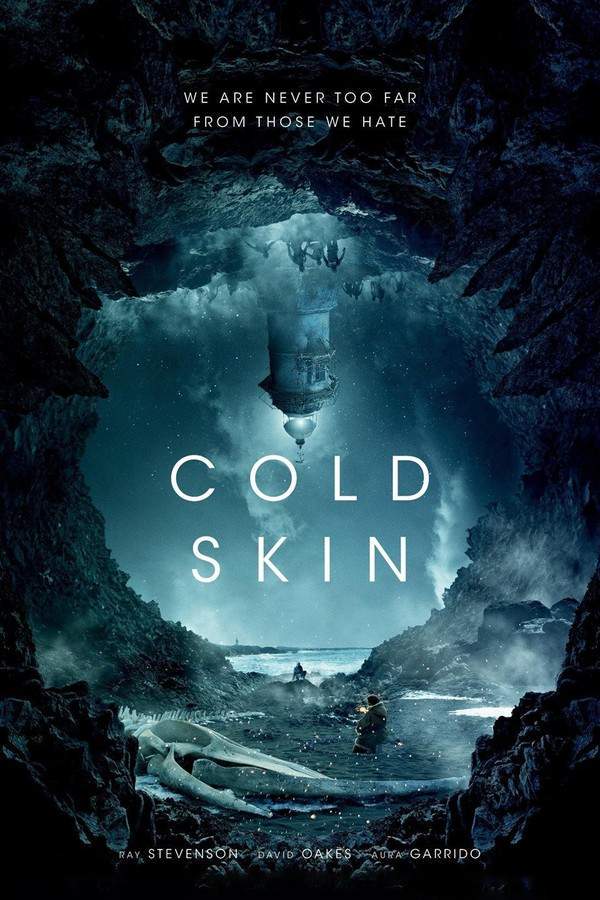


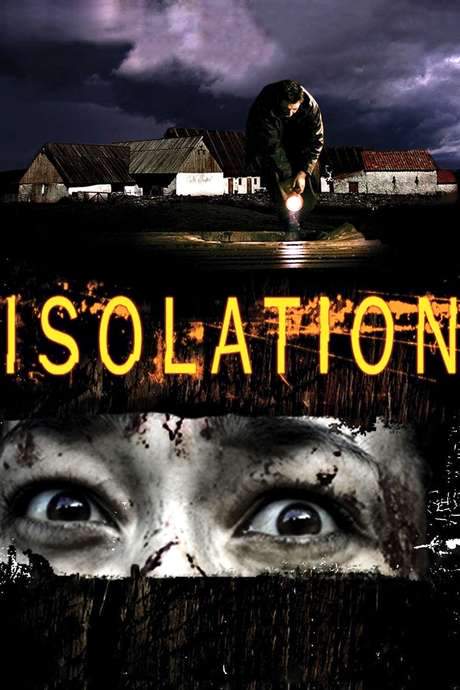



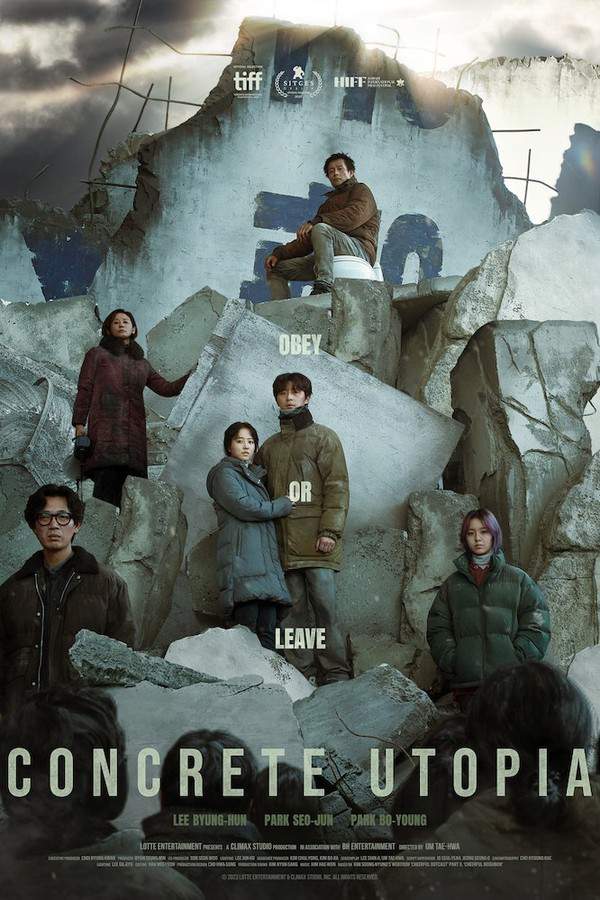

Narrative Summary
These narratives typically follow a linear descent or a transformative arc, where a protagonist is thrust into an unfamiliar and brutal setting. The plot revolves around their attempts to adapt, implement systems, or survive, with the environment constantly undermining their efforts. The journey is often inward, focused on the character's psychological unraveling or recalibration in the face of insurmountable external pressure.
Why These Movies?
Movies are grouped here because they share a core focus on the human spirit being tested by a powerful, almost sentient, environment. The tone is consistently bleak and intense, the pacing is steady and methodical, and the experience carries a heavy emotional weight derived from the constant struggle against an indifferent world.
Movies about the futile system and human degradation like Lost in Siberia
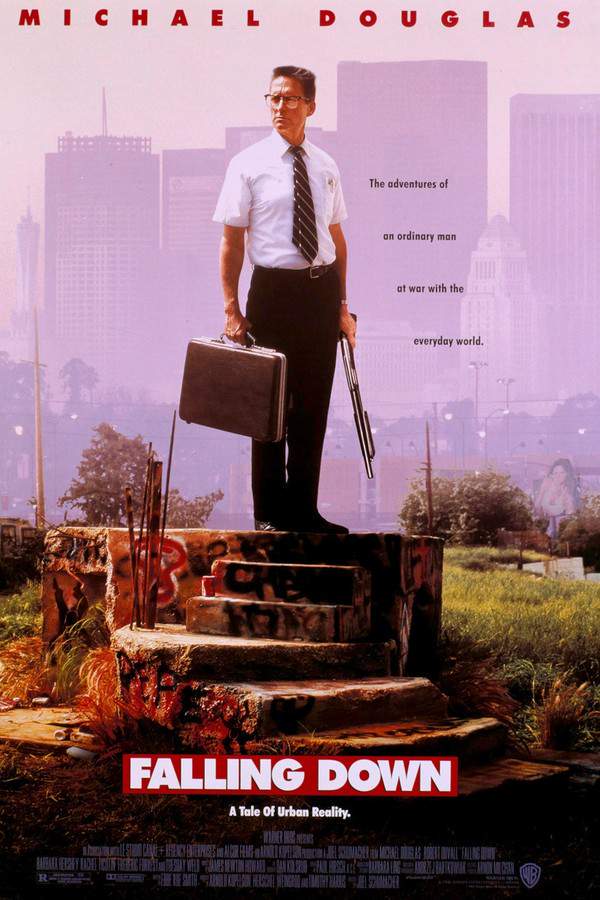
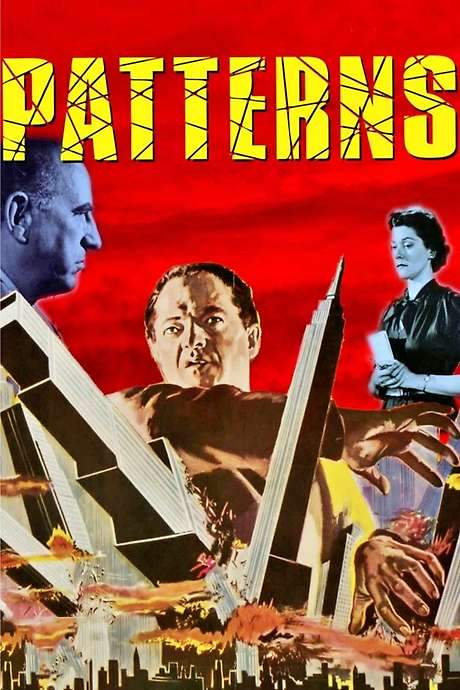
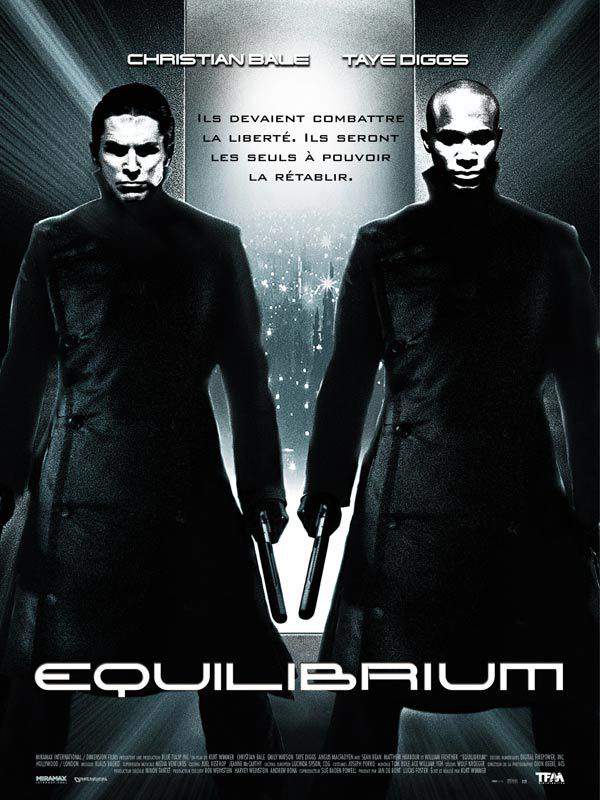
Stories exposing the absurdity and cruelty of rigid systems on human life.If the themes of systemic failure and human degradation in 'Lost in Siberia' resonated with you, discover similar movies like it. These films explore the dark consequences of imposing inflexible ideologies on complex human situations, often set within prisons, institutions, or oppressive regimes.









Narrative Summary
The narrative pattern involves an attempt to impose order—a workflow, a rule, an ideology—onto a chaotic or resistant human environment. This imposition leads to escalating conflict, revealing the system's inherent flaws and brutal logic. The focus is often on a protagonist who is either an enforcer or a victim of the system, undergoing a journey from belief to disillusionment as they witness the human cost.
Why These Movies?
These films are grouped together because they share a core thematic focus on the dehumanizing effects of rigid structures. They possess a dark tone, straightforward or moderate narrative complexity, and a steady pacing that allows for a methodical examination of systemic failure. The emotional weight is heavy, derived from the portrayal of injustice and human suffering.
Unlock the Full Story of Lost in Siberia
Don't stop at just watching - explore Lost in Siberia in full detail. From the complete plot summary and scene-by-scene timeline to character breakdowns, thematic analysis, and a deep dive into the ending - every page helps you truly understand what Lost in Siberia is all about. Plus, discover what's next after the movie.
Lost in Siberia Summary
Read a complete plot summary of Lost in Siberia, including all key story points, character arcs, and turning points. This in-depth recap is ideal for understanding the narrative structure or reviewing what happened in the movie.

Lost in Siberia Timeline
Track the full timeline of Lost in Siberia with every major event arranged chronologically. Perfect for decoding non-linear storytelling, flashbacks, or parallel narratives with a clear scene-by-scene breakdown.


