
Lost in Siberia
Year: 2012
Runtime: 100 mins
Language: German
Director: Ralf Huettner
A German logistician, Matthias Bleuel, is dispatched to Kemorovo, Siberia, to implement a German workflow system for a Russian subsidiary. While attempting to impart his expertise, the harsh Siberian landscape and the unfamiliar culture profoundly impact him, leading to a personal transformation and challenging his perspective on life.
Warning: spoilers below!
Haven’t seen Lost in Siberia yet? This summary contains major spoilers. Bookmark the page, watch the movie, and come back for the full breakdown. If you're ready, scroll on and relive the story!
Timeline & Setting – Lost in Siberia (2012)
Explore the full timeline and setting of Lost in Siberia (2012). Follow every major event in chronological order and see how the environment shapes the story, characters, and dramatic tension.
Last updated: March 05, 2026 at 18:34
Main Characters – Lost in Siberia (2012)
Meet the key characters of Lost in Siberia (2012), with detailed profiles, motivations, and roles in the plot. Understand their emotional journeys and what they reveal about the film’s deeper themes.
Last updated: March 05, 2026 at 18:34
Major Themes – Lost in Siberia (2012)
Explore the central themes of Lost in Siberia (2012), from psychological, social, and emotional dimensions to philosophical messages. Understand what the film is really saying beneath the surface.
Last updated: March 05, 2026 at 18:34
Lost in Siberia (2012) Character & Theme Questions Answered – Info FAQ
Browse frequently asked questions about Lost in Siberia (2012) focused on characters, relationships, themes, symbols, setting, and story context. This movie info FAQ gives spoiler-aware explanations for character arcs, world details, and thematic interpretation so readers can better understand what the film is really about.
Where is the story set?
The film takes place in the Siberian Kolyma region, known for its harsh, frozen landscape and the notorious labor camps that operated there during the Soviet era. The desolate, freezing environment serves as both a literal setting and a metaphorical backdrop for the dehumanising conditions prisoners endured.
When does the movie take place?
The story is set during the Stalin era, specifically spanning the 1930s to 1950s, when the Soviet Gulag system operated across remote Arctic regions. This period was defined by political terror, extreme cold, forced labor, and arbitrary authority that defined daily life in the camps.
What does the film say about oppression?
The movie portrays how a totalitarian system robs prisoners of dignity and autonomy. The camp chief's cruelty and the everyday dehumanisation illustrate how human life becomes expendable under such regimes. Fear, control, and isolation erode personal identity, showing the psychological toll of systemic oppression.
What happens at the end - is there hope?
The ending leaves the protagonist's fate uncertain, blurring the line between freedom and delirium. The idea of release from the camps is suggested but never confirmed, reflecting the thin line between survival and despair. This ambiguity questions whether redemption is possible under such oppressive conditions.
Who is Andrei Miller?
Andrei Miller is a British archaeologist who is mistaken for a British intelligence spy and imprisoned in the Siberian labor camp. He remains stubbornly principled, seeking to prove his innocence and connect with authority figures who might help him escape. His resilience and moral clarity drive his endurance through the brutal conditions.
Who is Anna and what is her role?
Anna is the camp's young blond female doctor who provides medical care amid the brutal conditions. A romance develops between her and Miller, offering rare tenderness in the harsh setting. Her kindness and professional skill serve as a counterpoint to the camp's cruelty, providing a glimmer of human connection.
Who is the camp chief?
The camp chief is the ruthless ruler of the Siberian labor camp, known for his cruelty and calculating nature. His hostility toward prisoners fuels an environment of fear, and he seeks to control every aspect of camp life while resenting any challenge to his authority. His brutality epitomises the inhumanity of the Gulag system.
How does love function in the story?
A romance blossoms between Miller and the camp's doctor Anna, offering a fragile human connection amid pervasive cruelty. This relationship becomes both a source of light and a target for jealousy from those in power. Love is tested by captivity, secrecy, and the constant threat of punishment, making it both precious and dangerous.
Who is the Japanese prisoner?
The Japanese prisoner is a fellow inmate who speaks some English and occasionally provides aid to others. He represents the limited humanity that can be found even in brutal conditions, offering a small glimmer of solidarity among prisoners from different backgrounds.
Why is the Siberian landscape important?
The frozen expanse of Siberia and the brutal Kolyma labor camps form a harsh, desolate backdrop that shapes prisoners' daily existence. The environment underscores the dehumanising conditions and the struggle for basic dignity. The relentless cold and isolation become characters in themselves, reinforcing the theme of survival against overwhelming odds.

Explore Movie Threads
Discover curated groups of movies connected by mood, themes, and story style. Browse collections built around emotion, atmosphere, and narrative focus to easily find films that match what you feel like watching right now.
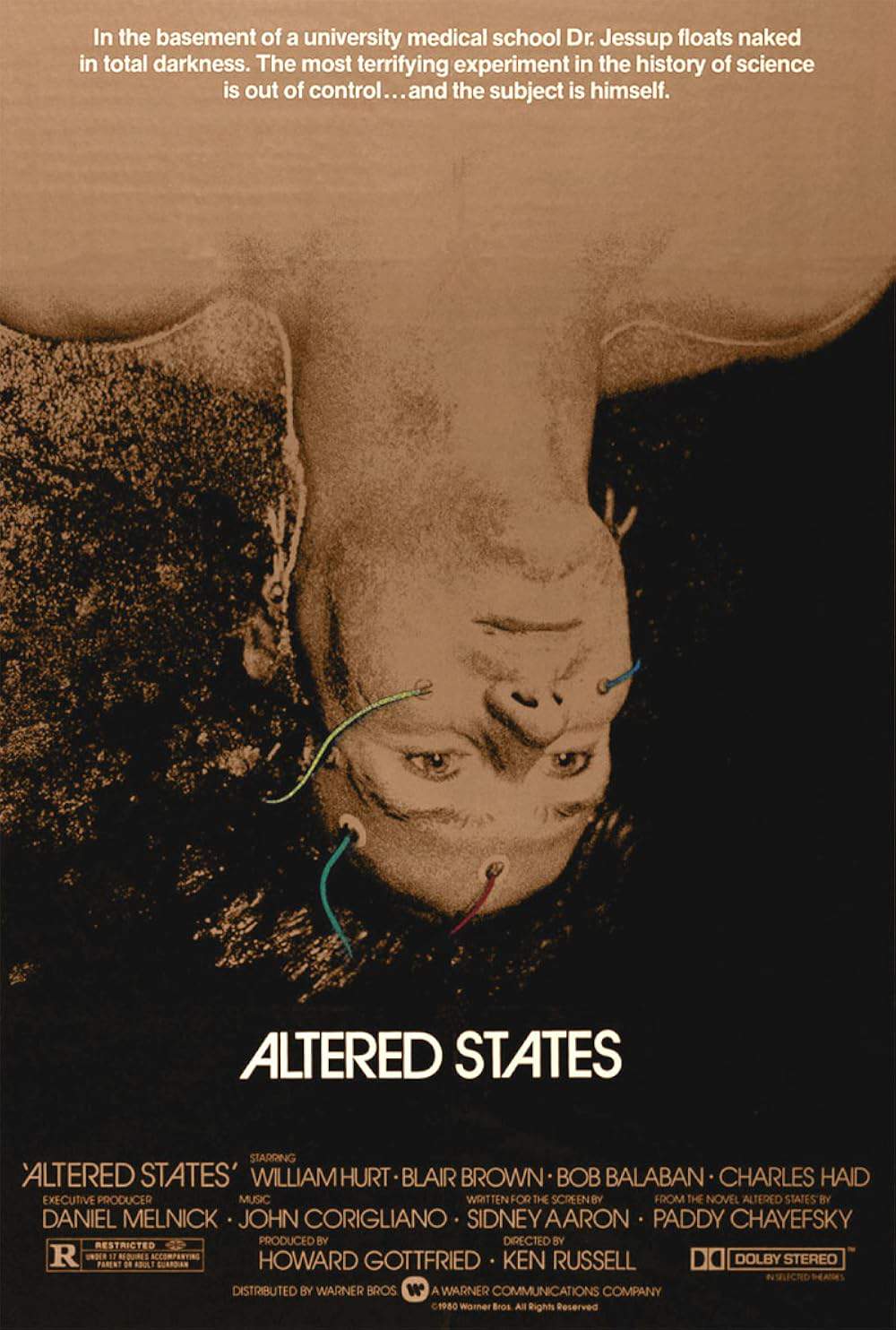
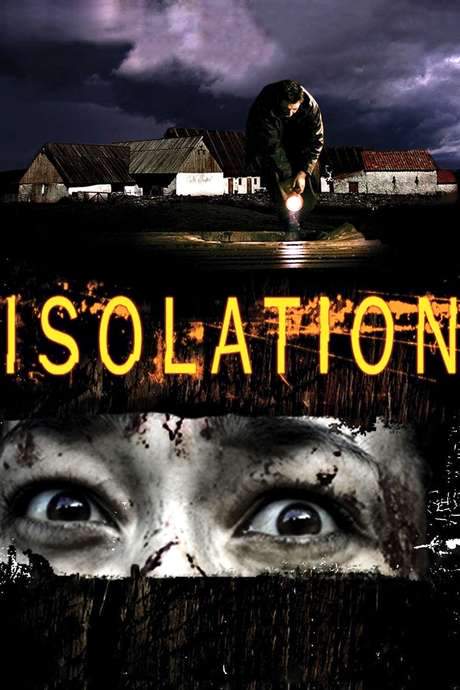
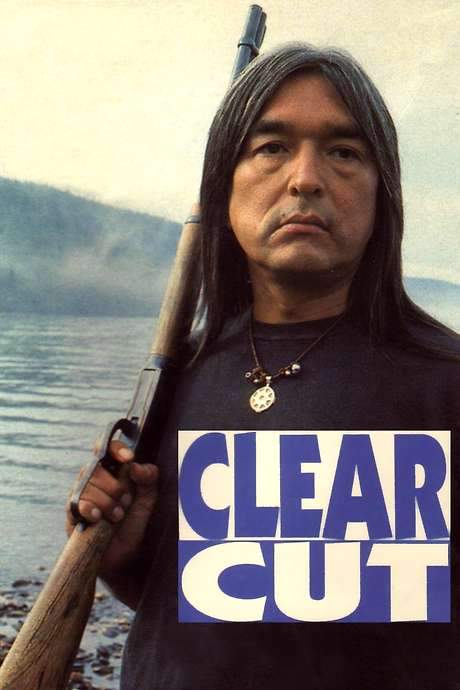
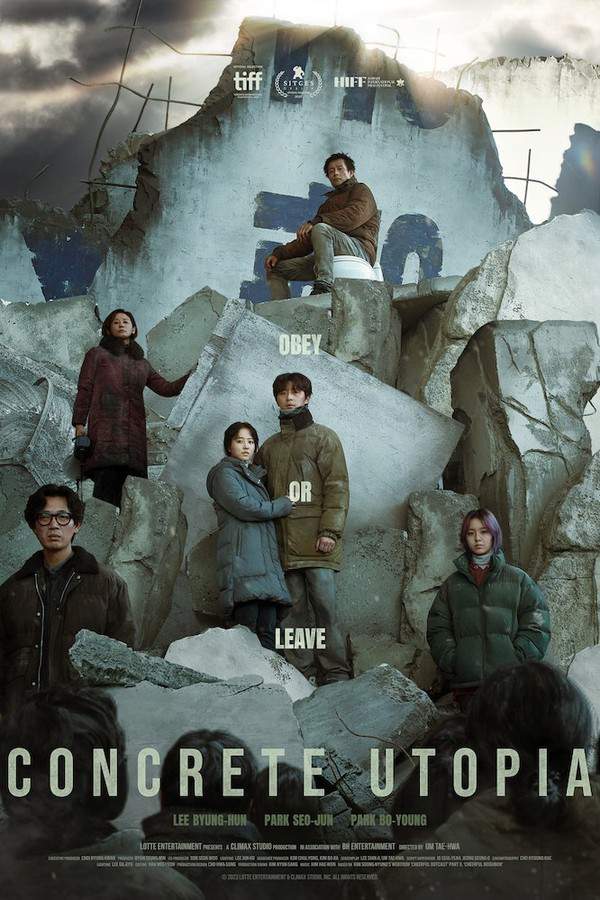
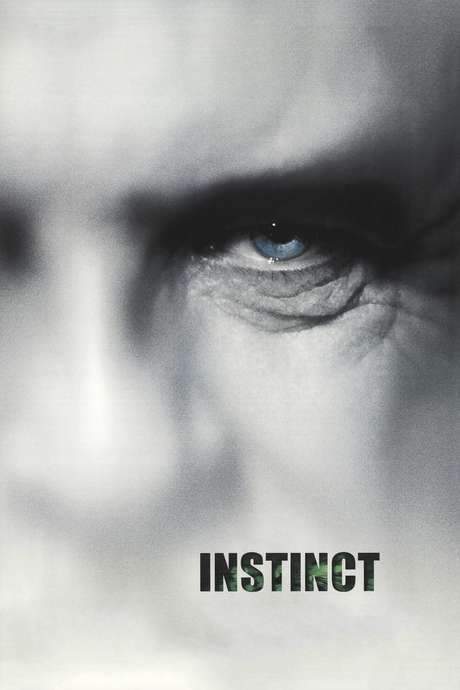
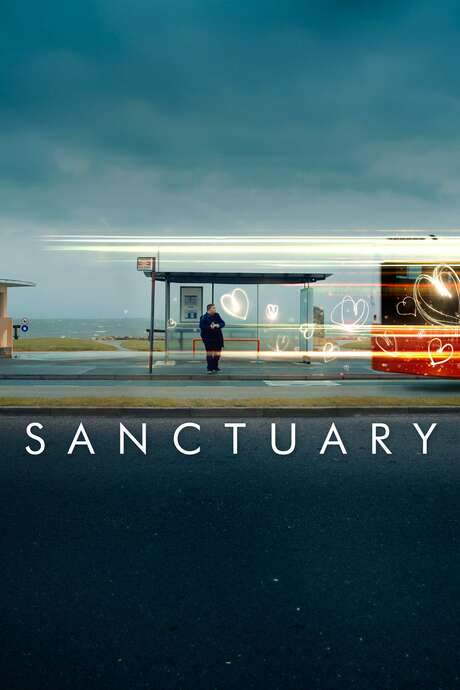
Crushing isolation in hostile landscapes like Lost in Siberia
Stories of individuals profoundly challenged by an unforgiving and alien environment.If you were captivated by the oppressive Siberian setting in 'Lost in Siberia', explore more movies like it where the landscape itself is a formidable challenge. These films feature characters fighting for their sanity and survival against overwhelming environmental and cultural forces.







Narrative Summary
These narratives typically follow a linear descent or a transformative arc, where a protagonist is thrust into an unfamiliar and brutal setting. The plot revolves around their attempts to adapt, implement systems, or survive, with the environment constantly undermining their efforts. The journey is often inward, focused on the character's psychological unraveling or recalibration in the face of insurmountable external pressure.
Why These Movies?
Movies are grouped here because they share a core focus on the human spirit being tested by a powerful, almost sentient, environment. The tone is consistently bleak and intense, the pacing is steady and methodical, and the experience carries a heavy emotional weight derived from the constant struggle against an indifferent world.
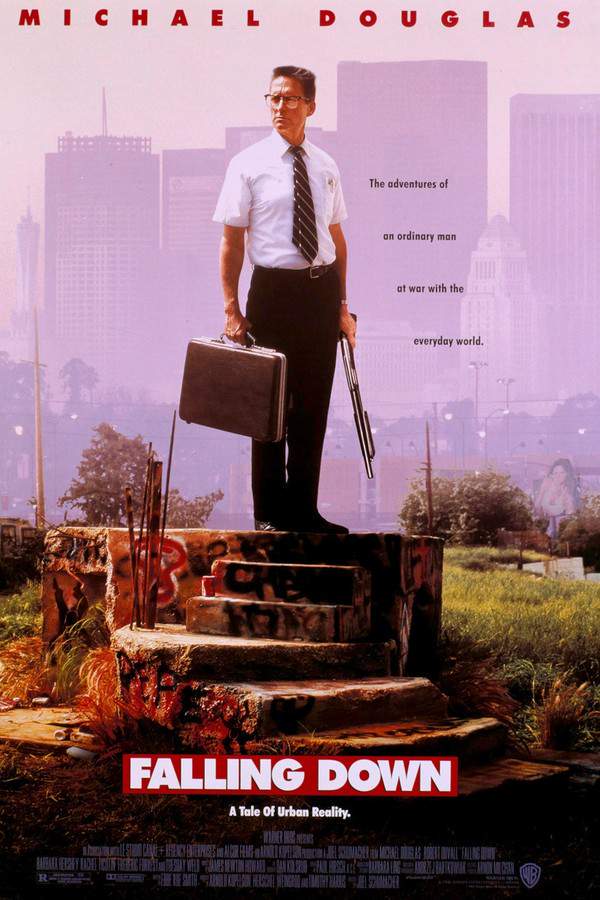
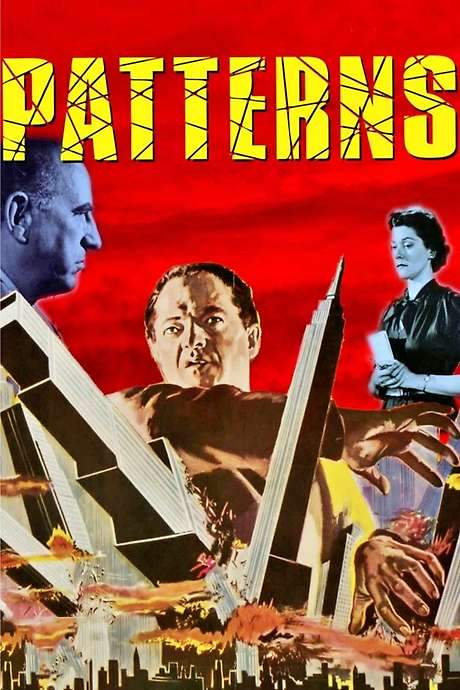
Movies about the futile system and human degradation like Lost in Siberia
Stories exposing the absurdity and cruelty of rigid systems on human life.If the themes of systemic failure and human degradation in 'Lost in Siberia' resonated with you, discover similar movies like it. These films explore the dark consequences of imposing inflexible ideologies on complex human situations, often set within prisons, institutions, or oppressive regimes.









Narrative Summary
The narrative pattern involves an attempt to impose order—a workflow, a rule, an ideology—onto a chaotic or resistant human environment. This imposition leads to escalating conflict, revealing the system's inherent flaws and brutal logic. The focus is often on a protagonist who is either an enforcer or a victim of the system, undergoing a journey from belief to disillusionment as they witness the human cost.
Why These Movies?
These films are grouped together because they share a core thematic focus on the dehumanizing effects of rigid structures. They possess a dark tone, straightforward or moderate narrative complexity, and a steady pacing that allows for a methodical examination of systemic failure. The emotional weight is heavy, derived from the portrayal of injustice and human suffering.
Unlock the Full Story of Lost in Siberia
Don't stop at just watching - explore Lost in Siberia in full detail. From the complete plot summary and scene-by-scene timeline to character breakdowns, thematic analysis, and a deep dive into the ending - every page helps you truly understand what Lost in Siberia is all about. Plus, discover what's next after the movie.
Lost in Siberia Summary
Read a complete plot summary of Lost in Siberia, including all key story points, character arcs, and turning points. This in-depth recap is ideal for understanding the narrative structure or reviewing what happened in the movie.

Lost in Siberia Timeline
Track the full timeline of Lost in Siberia with every major event arranged chronologically. Perfect for decoding non-linear storytelling, flashbacks, or parallel narratives with a clear scene-by-scene breakdown.


