
Lost in Siberia
Year: 2012
Runtime: 100 mins
Language: German
Director: Ralf Huettner
A German logistician, Matthias Bleuel, is dispatched to Kemorovo, Siberia, to implement a German workflow system for a Russian subsidiary. While attempting to impart his expertise, the harsh Siberian landscape and the unfamiliar culture profoundly impact him, leading to a personal transformation and challenging his perspective on life.
Warning: spoilers below!
Haven’t seen Lost in Siberia yet? This summary contains major spoilers. Bookmark the page, watch the movie, and come back for the full breakdown. If you're ready, scroll on and relive the story!
Lost in Siberia (2012) – Full Plot Summary & Ending Explained
Read the complete plot breakdown of Lost in Siberia (2012), including all key story events, major twists, and the ending explained in detail. Discover what really happened, and what it all means.
Andrei Miller, a British archaeologist, is unexpectedly arrested while carrying out a special assignment for the Shah of Iran. Mistaken for a British military intelligence spy who shares his name, he is shipped off to a brutal labor camp. Along the way, he encounters a Japanese prisoner who speaks a few words of English, and this brief connection becomes one of the only threads of humanity he clings to in a landscape defined by fear and coercion. Miller pleads his innocence to a military officer and asks for someone to contact the royal family, hoping to cut through the tangled errors that have put him in chains.
What follows is a blunt, unflinching portrayal of life inside a Siberian prison camp during the Stalin era, a regime where human life is treated as expendable and cruelty is routine. The film refuses to soften the reality of hunger, cold, and the constant threat of punishment that bleeds dignity from the prisoners day after day. Yet amid the harshness, there are glimmers of compassion that puncture the monotony of oppression. The only apparent mercy comes when Miller falls gravely ill and is moved to a hospital, where a sense of care briefly breaks through the surrounding indifference.
A romance buds between Miller and the camp’s doctor, a relationship that complicates the power dynamics within the camp’s hierarchy. The camp chief—an increasingly tyrannical figure who also harbors a desire to marry a young blond doctor named Anna—responds with vehemence to any sign of loyalty or resistance from the inmates. This personal entanglement deepens the sense of peril and mirrors the larger, institutional violence that saturates daily life in the camp.
Miller’s journey leads him into one of the notorious Kolyma labor camps, where the chief’s cruelty intensifies and the prisoners’ fates become more precarious than ever. The ending arrives with remarkable ambiguity: word reaches the camp that the Shah and his wife have requested Miller’s release. He is freed and seems to return to a comfortable, familiar life, but the film leaves open the possibility that what we witness in his final moments may be a dying man’s dream or a last, elusive chance at normalcy. The conclusion lingers, inviting reflection on the thin line between survival and illusion in a world where hope is scarce and memory itself can be a fragile beacon.
Last updated: March 05, 2026 at 18:42
Lost in Siberia (2012) Plot Questions Answered – Summary FAQ
Explore frequently asked questions about Lost in Siberia (2012) with spoiler-rich answers covering the full plot summary, major story beats, character motivations, hidden details, and ending meaning. This movie summary FAQ helps explain confusing scenes, plot twists, and narrative decisions in clear, searchable detail.
Why was Andrei Miller arrested in the film?
Andrei Miller was arrested while on a special assignment for the Shah of Iran. He was mistaken for a British military intelligence spy who shared his exact name. This case of mistaken identity led to his detention and subsequent shipment to a brutal Siberian labor camp, despite his protests of innocence.
Who is the Japanese prisoner Miller meets on the way to the camp?
Miller encounters a Japanese prisoner during the transport to the Siberian labor camp. This prisoner speaks a few words of English, and their brief interaction becomes one of the few moments of human connection Miller experiences. The encounter symbolizes that humanity can persist even in the most dehumanizing circumstances.
Why does the camp chief target Miller specifically?
The camp chief's hostility toward Miller stems partly from the power dynamics within the camp. The chief is a tyrannical figure who desires to marry a young blond doctor named Anna. When Miller develops a romance with Anna, the camp doctor, it triggers the chief's anger and makes Miller a target for further persecution.
What happens when Miller is moved to the hospital?
When Miller becomes gravely ill, he is transferred to a camp hospital where he experiences rare kindness and care. This scene stands out as a brief moment of compassion amid the constant brutality of the camp. It provides a stark contrast to the dehumanizing conditions of the labor camp and gives Miller a glimmer of hope as his physical condition deteriorates.
Does the Shah of Iran really release Miller from the camp?
Word reaches the camp that the Shah of Iran and his wife have requested Miller's release. He is freed and appears to return to a comfortable life. However, the film deliberately leaves this ambiguous, the final moments could represent a dying man's dream or hallucination rather than actual liberation.
Why does Miller develop a romance with the camp doctor Anna?
Miller's romance with Anna develops amid the oppressive environment of the Kolyma labor camp. Their relationship provides a rare flicker of personal humanity in a place designed to strip away dignity and hope. The romance also complicates the camp's power dynamics, as the camp chief himself wants to marry Anna, creating additional tension and danger for Miller.
What makes the Kolyma labor camp different from the first camp?
Miller is transferred from his initial Siberian camp to one of the notorious Kolyma labor camps, where brutality intensifies significantly. The Kolyma camps were infamous for their extreme conditions and high mortality rates. Upon arrival, Miller faces heightened oppression, harsher punishments, and more precarious circumstances for all prisoners.
Is the ending of the film real or is Miller dying?
The film ends with remarkable ambiguity. After the Shah requests Miller's release, he appears to return to a comfortable, familiar life. However, the movie leaves open the possibility that what we see is a dying man's dream or a final hallucination, perhaps the warmth and comfort are simply what a dying consciousness reaches for. The ending invites questions about whether Miller actually survived or if this is a final illusion.
Earlier hints of Miller's grave illness and the hospital scene foreshadow that his survival was uncertain.
Why does the camp chief want to marry Anna?
The camp chief harbors a desire to marry Anna, the young blond doctor who works at the camp. This personal desire adds another layer to his cruelty, he uses his power to pursue her while simultaneously punishing those who show loyalty or humanity. His obsession with Anna intensifies his hostility toward Miller when the romance between Miller and Anna develops.
Why does Miller plead his innocence and ask to contact the royal family?
Shortly after his arrest, Miller testifies to a military officer that he is innocent and requests that someone contact the royal family. This desperate plea represents his first formal attempt to prove his identity beyond the immediate accusation. He hopes that intervention from higher authorities, the Shah's circle, might cut through the tangled errors that led to his imprisonment.

Explore Movie Threads
Discover curated groups of movies connected by mood, themes, and story style. Browse collections built around emotion, atmosphere, and narrative focus to easily find films that match what you feel like watching right now.
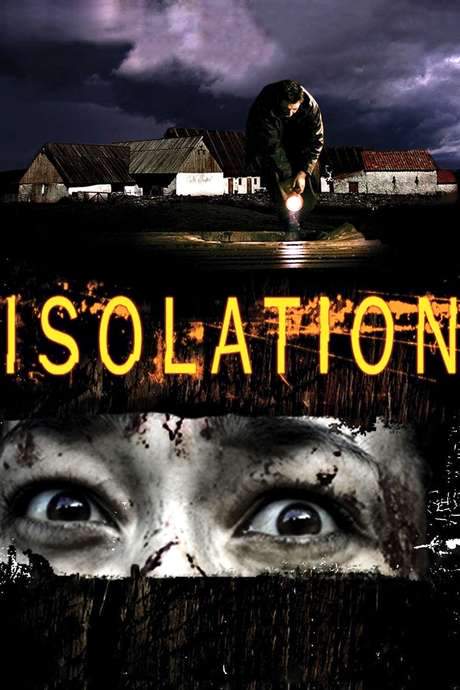
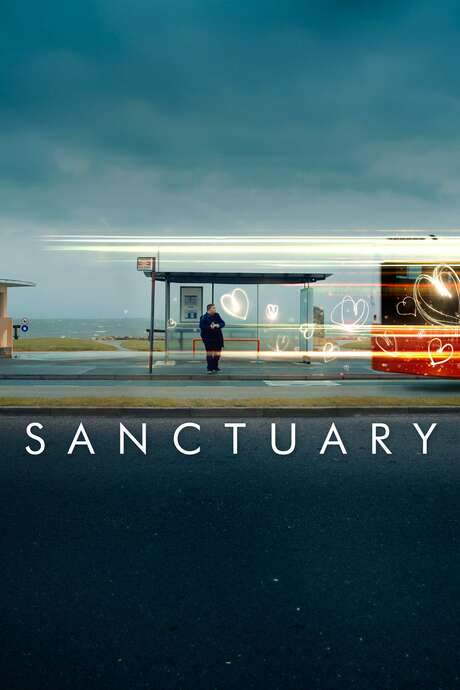
Crushing isolation in hostile landscapes like Lost in Siberia
Stories of individuals profoundly challenged by an unforgiving and alien environment.If you were captivated by the oppressive Siberian setting in 'Lost in Siberia', explore more movies like it where the landscape itself is a formidable challenge. These films feature characters fighting for their sanity and survival against overwhelming environmental and cultural forces.










Narrative Summary
These narratives typically follow a linear descent or a transformative arc, where a protagonist is thrust into an unfamiliar and brutal setting. The plot revolves around their attempts to adapt, implement systems, or survive, with the environment constantly undermining their efforts. The journey is often inward, focused on the character's psychological unraveling or recalibration in the face of insurmountable external pressure.
Why These Movies?
Movies are grouped here because they share a core focus on the human spirit being tested by a powerful, almost sentient, environment. The tone is consistently bleak and intense, the pacing is steady and methodical, and the experience carries a heavy emotional weight derived from the constant struggle against an indifferent world.
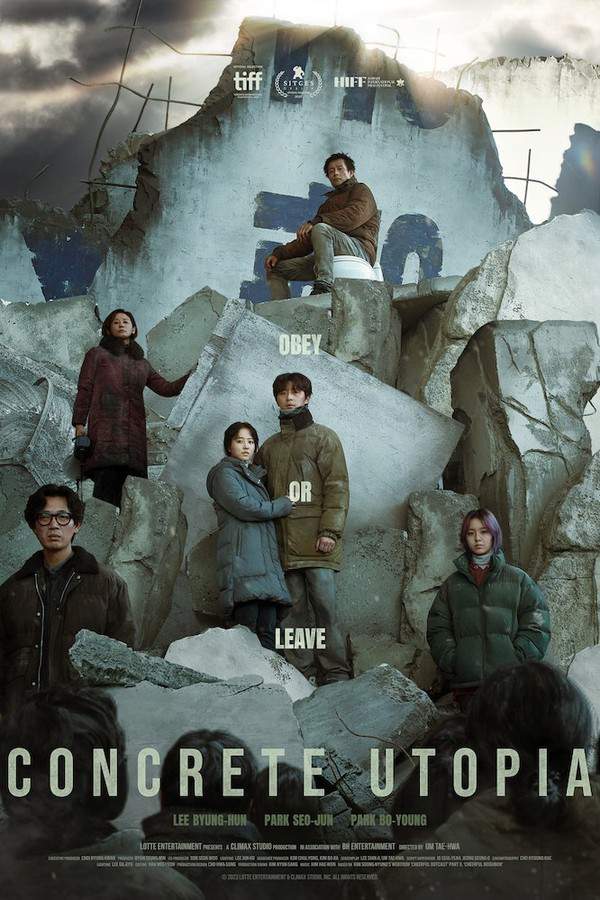
Movies about the futile system and human degradation like Lost in Siberia
Stories exposing the absurdity and cruelty of rigid systems on human life.If the themes of systemic failure and human degradation in 'Lost in Siberia' resonated with you, discover similar movies like it. These films explore the dark consequences of imposing inflexible ideologies on complex human situations, often set within prisons, institutions, or oppressive regimes.












Narrative Summary
The narrative pattern involves an attempt to impose order—a workflow, a rule, an ideology—onto a chaotic or resistant human environment. This imposition leads to escalating conflict, revealing the system's inherent flaws and brutal logic. The focus is often on a protagonist who is either an enforcer or a victim of the system, undergoing a journey from belief to disillusionment as they witness the human cost.
Why These Movies?
These films are grouped together because they share a core thematic focus on the dehumanizing effects of rigid structures. They possess a dark tone, straightforward or moderate narrative complexity, and a steady pacing that allows for a methodical examination of systemic failure. The emotional weight is heavy, derived from the portrayal of injustice and human suffering.
Unlock the Full Story of Lost in Siberia
Don't stop at just watching - explore Lost in Siberia in full detail. From the complete plot summary and scene-by-scene timeline to character breakdowns, thematic analysis, and a deep dive into the ending - every page helps you truly understand what Lost in Siberia is all about. Plus, discover what's next after the movie.
Lost in Siberia Timeline
Track the full timeline of Lost in Siberia with every major event arranged chronologically. Perfect for decoding non-linear storytelling, flashbacks, or parallel narratives with a clear scene-by-scene breakdown.

Characters, Settings & Themes in Lost in Siberia
Discover the characters, locations, and core themes that shape Lost in Siberia. Get insights into symbolic elements, setting significance, and deeper narrative meaning - ideal for thematic analysis and movie breakdowns.


