Plot Explained Spoilers guaranteed!
Plot Explained

Browse by genre

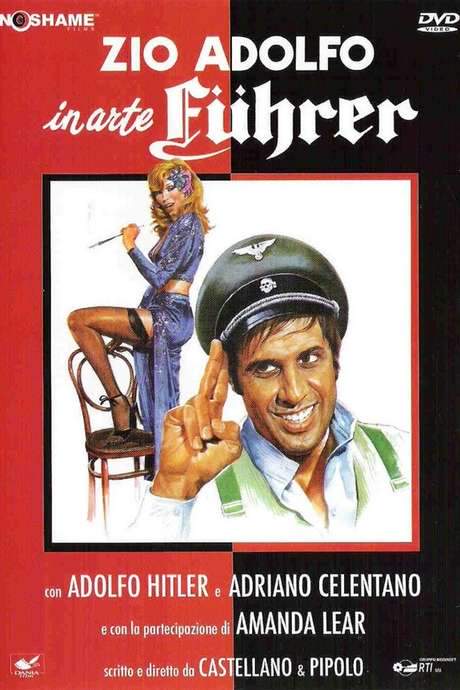
Loggerheads (1978) movie poster

Characters & Themes

Loggerheads (1978) Characters, Setting & Themes Explained

Release, runtime and language
1978 · 94 mins · Italian
Directed by
Franco Castellano, Pipolo
Starring
Claudio Bigagli, Amanda Lear, Adriano Celentano, Graziella Galvani, Sasha D'Arc, Ettore Martini

A comedy styled as a documentary about the rise of Adolf Hitler as well as the story of two brothers, one a magician and Nazi, the other an anarchist anti Nazi…

On this page (7)
  1. 1 Characters explained (6)
  2. 2 Where & when it takes place
  3. 3 Themes & meaning (4)
  4. 4 Character & meaning questions
  5. 5 Movie threads
  6. 6 Movies like Loggerheads
  7. 7 Every angle

6 main characters · contains spoilers

Loggerheads Characters Explained: Who Is Who

The main characters of Loggerheads (1978), heroes and villains: what drives them, how they change over the course of the story and what each of them reveals about the film's bigger ideas.

  • Hans Baur (Claudio Bigagli)

    A newlywed drafted on his wedding night, Hans is swept into the war’s machinery. He longs for normalcy with Irma, but history tears them apart, culminating in a fatal reunion on the battlefield. His arc showcases the vulnerability of ordinary people caught in grand political schemes.

    • 👤 Protagonist
    • 💔 Lover
  • Hermann Baur (Adriano Celentano)

    A mediocre illusionist who rises to the SS, Hermann embodies the seductive pull of power and the ease with which charismatic performance becomes political violence. He clings to fate and ritual, even as his own choices push him toward moral compromise.

    • 👤 Antagonist
    • 🧭 Leader
  • Gustav Baur (Adriano Celentano)

    An anarchist who secretly distributes anti-Nazi propaganda, Gustav represents dissent from within the system. He plots elaborate assassinations that repeatedly fail, underscoring the risks of resistance in a climate of oppression.

    • 👤 Rebel
    • 🕶️ Dissident
  • Irma (François Bastien)

    Hans’s wife, the couple’s marriage is tested by the war’s disruption. Their poignant reunion is cut short by a landmine tragedy, marking the cost of love in a conflict-ridden era.

    • 👤 Spouse
    • 💞 Love
  • Livia Peterson (Graziella Galvani)

    A figure within the social milieu of the era, Livia’s exact role isn’t detailed in the summary, but she represents the personal sphere surrounding the central brothers and their world.

    • 👤 Ally
    • 🧭 Witness
  • Hitler (Giuseppe Diamanti)

    The escalating figure of Adolf Hitler anchors the political arc, guiding the rise of a regime that influences every life in Berlin. His presence intensifies the characters’ choices and the narrative’s moral stakes.

    • 👤 Icon
    • 🕹️ Dictator

Last updated: February 18, 2026 at 23:27

Was this helpful?

Setting

Where and When Does Loggerheads Take Place?

The setting of Loggerheads (1978): the year and time period, the places and locations, and how they shape the characters, the mood and the tension of the story.

Time period

1920s–1980s

The narrative begins in the late 1920s during the Weimar era and follows the ascent of Adolf Hitler and the Nazi regime into World War II. It then jumps forward to show the aging brothers decades later, implying the broader arc through the postwar period. The time span highlights how the same two men oscillate between ideological extremes across changing eras.

Location

Berlin, Germany

Set in Berlin during the rise of the Nazi regime, the city serves as the backdrop for political theater, propaganda, and everyday fear. The urban landscape embodies the clash between conformity and resistance as the Weimar Republic collapses and Germany heads toward World War II. The film traces how the capital becomes a stage for illusion, violence, and personal destinies under totalitarian rule.

  • 🏛️ History
  • 🎭 Drama
  • ⚔️ War

Last updated: February 18, 2026 at 23:27

Was this helpful?

4 major themes

Loggerheads Meaning: Themes & Message Explained

What is Loggerheads (1978) really about? The emotional, social and philosophical themes the film keeps returning to, its symbolism and the message beneath the surface.

  • Fate vs Free Will

    The story frames human choices against a backdrop of history and propaganda. The brothers repeatedly pause and resume a game of Russian roulette, suggesting fate, chance, and personal agency can be manipulated by circumstance as easily as by intention. Illusion and reality blur as characters grapple with whether their destinies are self-made or preordained.

  • Power and Propaganda

    Hermann’s ascent in the SS and Gustav’s anti-Nazi propaganda illustrate how charisma and messaging shape a society’s beliefs. The film shows how propaganda corrodes moral distinctions, turning art and illusion into tools of totalitarian control. The setting makes the audience question the line between spectacle and manipulation.

  • Sibling Rivalry

    The two brothers embody opposing ideologies that fracture a family and then the nation. Their dynamic drives the plot—from early rivalry to conspiratorial plots—revealing how close ties can be tainted by political conflict. The recurring game of roulette becomes a metaphor for the risky bets they take with each other’s lives.

  • War and Consequences

    The looming war shapes every decision, from enlistment to assassination plots and daily fear. The film emphasizes the human cost of political extremism, culminating in the tragic landmine incident that ends a moment of fragile tenderness. Decades later, the characters confront the long shadow of totalitarianism and violence.

Last updated: February 18, 2026 at 23:27

Was this helpful?

Character & theme questions

Loggerheads Characters & Meaning: Your Questions Answered

The questions people ask about Loggerheads (1978): who the characters really are, their relationships, what the symbols mean, where it takes place and what the movie is really about. Each answer contains spoilers.

Q1

Where is the movie set?

The film is set in Berlin, Germany, during the rise of the Nazi regime. The city serves as the backdrop for political theater, propaganda, and everyday fear as the Weimar Republic collapses and Germany heads toward World War II.

  • berlin
  • germany
  • nazi regime
  • setting
  • world war ii
Q2

What time period does the movie cover?

The narrative spans from the late 1920s during the Weimar era through World War II and jumps forward to show the aging brothers decades later in the 1980s. This time span highlights how the same two men oscillate between ideological extremes across changing eras.

  • 1920s
  • 1930s
  • 1940s
  • 1980s
  • weimar era
  • world war ii
  • time period
Q3

What is the Fate vs Free Will theme about?

The story frames human choices against a backdrop of history and propaganda. The brothers repeatedly pause and resume a game of Russian roulette, suggesting fate, chance, and personal agency can be manipulated by circumstance as easily as by intention. Illusion and reality blur as characters grapple with whether their destinies are self-made or preordained.

  • fate
  • free will
  • russian roulette
  • choice
  • illusion
  • determinism
Q4

How does the movie explore Power and Propaganda?

Hermann's ascent in the SS and Gustav's anti-Nazi propaganda illustrate how charisma and messaging shape a society's beliefs. The film shows how propaganda corrodes moral distinctions, turning art and illusion into tools of totalitarian control. The setting makes the audience question the line between spectacle and manipulation.

  • propaganda
  • power
  • ss
  • totalitarianism
  • charisma
  • manipulation
Q5

What is the Sibling Rivalry theme about?

The two brothers embody opposing ideologies that fracture a family and then the nation. Their dynamic drives the plot, from early rivalry to conspiratorial plots, revealing how close ties can be tainted by political conflict. The recurring game of roulette becomes a metaphor for the risky bets they take with each other's lives.

  • brothers
  • sibling rivalry
  • ideology
  • family
  • conflict
  • anarchist
  • nazi
Q6

What does the War and Consequences theme explore?

The looming war shapes every decision, from enlistment to assassination plots and daily fear. The film emphasizes the human cost of political extremism, culminating in the tragic landmine incident that ends a moment of fragile tenderness. Decades later, the characters confront the long shadow of totalitarianism and violence.

  • war
  • consequences
  • totalitarianism
  • violence
  • landmine
  • postwar
Q7

Who is Hermann Baur?

Hermann Baur is a mediocre illusionist who rises to the SS, embodying the seductive pull of power and the ease with which charismatic performance becomes political violence. He clings to fate and ritual, even as his own choices push him toward moral compromise.

  • hermann baur
  • illusionist
  • magician
  • ss
  • nazi
  • adriano celentano
Q8

Who is Gustav Baur?

Gustav Baur is an anarchist brother who secretly distributes anti-Nazi propaganda, representing dissent from within the system. He plots elaborate assassinations that repeatedly fail, underscoring the risks of resistance in a climate of oppression.

  • gustav baur
  • anarchist
  • resistance
  • propaganda
  • anti-nazi
  • adriano celentano
Q9

Who is Hans Baur?

Hans Baur is a newlywed drafted on his wedding night who is swept into the war's machinery. He longs for normalcy with his wife Irma, but history tears them apart, culminating in a fatal reunion on the battlefield. His arc showcases the vulnerability of ordinary people caught in grand political schemes.

  • hans baur
  • newlywed
  • drafted
  • war
  • irma
  • victim
Q10

What is the film's style?

The film is a comedy styled as a documentary about the rise of Adolf Hitler, combined with the story of two brothers, one a magician turned Nazi, the other an anarchist anti-Nazi. The dark comedic tone tempers the bleak subject matter while maintaining a satirical edge.

  • comedy
  • documentary
  • satire
  • style
  • tonal blend
Q11

What is the significance of Russian roulette in the movie?

The brothers repeatedly pause and resume a game of Russian roulette, which becomes a central metaphor exploring fate versus free will. The recurring game represents the risky bets they take with each other's lives and the arbitrary nature of survival under totalitarian rule.

  • russian roulette
  • game
  • fate
  • risk
  • metaphor
  • symbolism
Q12

What is Hitler's role in the film?

Adolf Hitler serves as the escalating political figure who anchors the film's historical arc, guiding the rise of a regime that influences every life in Berlin. His presence intensifies the characters' choices and the narrative's moral stakes.

  • adolf hitler
  • nazi regime
  • historical figure
  • political context

Movie threads

More Movies Like Loggerheads, by Mood & Story

Curated lists built around what makes Loggerheads tick: the same mood, the same kind of story or the same emotional payoff. Each list explains why these movies belong together.

Absurd Political Satire Movies like Loggerheads

Irony and dark humor meet the grim realities of history. Discover more darkly comic films that blend satire with historical events. If you liked Loggerheads, you'll find similar movies that explore ideological conflicts with a mix of grim humor and tragic outcomes.

  • darkly comic
  • satirical
  • absurd
  • tragicomic
  • ironic
  • fatalistic
  • Tone: dark, ironic, satirical
  • Pacing: steady, chronicling
Why these movies?

The story pattern: These narratives often follow characters caught in ideological conflicts, where personal dramas are set against a backdrop of absurd political realities. The journey typically reveals the futility of grand ambitions and the ironic twists of fate, culminating in endings that are both humorous and grim.

Why they belong together: Movies are grouped together because they share a unique tonal blend of dark comedy and historical/political commentary. They maintain a steady, almost fatalistic pacing and use satire to explore heavy themes without becoming overwhelmingly intense.

Movies about Sibling Rivalry like Loggerheads

Brothers divided by belief, united by a tragic destiny. Explore more films about brothers or sisters torn apart by clashing ideologies. If you enjoyed the conflict in Loggerheads, these movies feature similar deep family divisions set against dramatic historical or political events.

  • sibling rivalry
  • ideological conflict
  • tragic
  • family drama
  • war
  • separation
  • Tone: bittersweet, tragic, conflict-driven
  • Pacing: steady, character-driven
Why these movies?

The story pattern: The plot follows siblings whose lives take dramatically different paths due to opposing worldviews. Their conflict escalates over time, mirroring larger societal divisions, and often leads to a bittersweet or tragic resolution that underscores the personal cost of ideological warfare.

Why they belong together: These films are connected by their focus on the family unit as a microcosm for larger societal conflicts. They share a moderate narrative complexity, a steady pacing that allows the rift to develop, and a heavy emotional weight stemming from the futility of the conflict.

If you liked this

Movies Like Loggerheads

Similar movies to Loggerheads: the same genre, themes or kind of story. Each one comes with its own plot summary, timeline and ending explained.

Browse all movie summaries

Every angle

Loggerheads (1978) Explained: Plot, Timeline & Characters

Everything about Loggerheads in one place: what happens in the plot summary, the timeline in chronological order, the characters and meaning. What's After the Movie adds the cast, box office and post-credit scenes.

Coming soon on iOS and Android

The Plot Explained Movie Summary App

Plot summaries, endings explained and timelines on your phone. Catch up on any movie in minutes, save your favorites and never miss a twist again.

Be the first to know when we launch. Your email stays private, always.

Learn more about the app