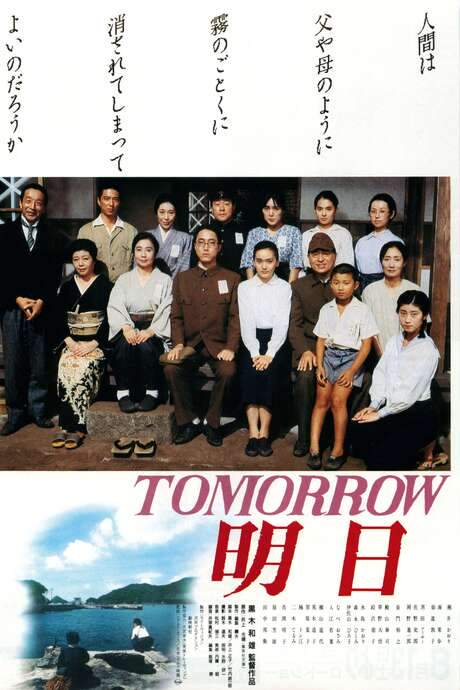
Live Today, Die Tomorrow!

Live Today, Die Tomorrow!

Year: 1970

Runtime: 120 mins

Language: Japanese

Director: Kaneto Shindô

Thriller

Fresh out of school, Michio Yamada is assigned by a government program to a Tokyo department store where he works packing fruit. He later breaks into a house on an American base, steals a gun and goes on a killing spree. The narrative then flashes back to his troubled upbringing: the son of a disreputable father and a submissive mother, he grew up in poverty and witnessed the brutal rape of his sister.

Warning: spoilers below!

Haven’t seen Live Today, Die Tomorrow! yet? This summary contains major spoilers. Bookmark the page, watch the movie, and come back for the full breakdown. If you're ready, scroll on and relive the story!

Timeline & Setting – Live Today, Die Tomorrow! (1970)

Explore the full timeline and setting of Live Today, Die Tomorrow! (1970). Follow every major event in chronological order and see how the environment shapes the story, characters, and dramatic tension.

Time period

Showa era, mid-1950s

Set in postwar Japan during a period of rapid urbanization and foreign presence, the film follows a generation of graduates pushed into transient, low-paid work. The atmosphere blends a rebuilding economy with growing social tensions and personal fragility. The events reflect the era’s uncertainties and the lure of modern city life.

Location

Tokyo, Hokkaido

Michio Yamada leaves his rural home in Hokkaido to work in Tokyo as part of a government programme. The story frequently shifts between the crowded streets of Tokyo and his small hometown, highlighting the pull of urban opportunity versus the pull of home. The city is shown as a pressure-filled environment where unstable jobs and social dynamics drive his choices.

🌆 Urban setting 🗼 Tokyo 🗺️ Hokkaido hometown 🕰️ Postwar era

Last updated: February 19, 2026 at 09:19

Was this helpful?

Main Characters – Live Today, Die Tomorrow! (1970)

Meet the key characters of Live Today, Die Tomorrow! (1970), with detailed profiles, motivations, and roles in the plot. Understand their emotional journeys and what they reveal about the film’s deeper themes.

Michio Yamada (Daijirô Harada)

A restless, impulsive young man from a large, impoverished family. He repeatedly quits jobs, seeks thrill and escape, and turns to violence when cornered. His trajectory shows how desperation and a lack of stable support can push a person toward crime.

🎓 Graduate 🌀 Restless 🔪 Violent

Take Yamada

Michio's mother, depicted as a submissive, hardworking figure trapped in poverty. Her fragile, enduring presence frames Michio's troubled upbringing and the family's struggles under a neglectful husband. She embodies the social pressures faced by women in a strained household.

👩‍👦 Mother 💔 Strained family 🏚️ Poverty

Last updated: February 19, 2026 at 09:19

Was this helpful?

Major Themes – Live Today, Die Tomorrow! (1970)

Explore the central themes of Live Today, Die Tomorrow! (1970), from psychological, social, and emotional dimensions to philosophical messages. Understand what the film is really saying beneath the surface.

🔥 Violence

Violence serves as a coping mechanism for Michio's escalating desperation. He commits theft, kills guardsmen, and confronts criminals, illustrating how a precarious life can push a young man toward increasingly reckless acts. The violence also tests loyalties and exposes the fragile lines between victim and aggressor.

💔 Trauma

A pivotal flashback reveals a traumatic family history—Michio witnesses his older sister's rape, leading to lasting psychological scars. The narrative shows how early pain shapes later behavior, fueling anger, mistrust, and self-destructive impulses. The trauma underscores the enduring impact of poverty and neglect on family members.

🌆 Urban Despair

The city functions as both lure and trap, offering fleeting work and nightlife while eroding moral boundaries. Government programs, job instability, and nightlife contribute to a sense of existential drift. The film uses the urban environment to critique social systems that fail vulnerable young people.

Last updated: February 19, 2026 at 09:19

Was this helpful?

Live Today, Die Tomorrow! (1970) Character & Theme Questions Answered – Info FAQ

Browse frequently asked questions about Live Today, Die Tomorrow! (1970) focused on characters, relationships, themes, symbols, setting, and story context. This movie info FAQ gives spoiler-aware explanations for character arcs, world details, and thematic interpretation so readers can better understand what the film is really about.

Q1

What are the main settings in the film?

A.

The film takes place primarily in Tokyo, where Michio Yamada is sent through a government work program, and his rural hometown in Hokkaido. The story contrasts the crowded, pressure-filled urban environment of Tokyo with his small hometown, highlighting the tension between urban opportunity and the pull of home.

The opening scenes establish Tokyo as both a place of potential and a source of personal unraveling.

tokyohokkaidosettinglocationsurbanrural
Q2

When is the movie set?

A.

The film is set in postwar Japan during the mid-1950s Showa era, a period of rapid urbanization and economic rebuilding following World War II.

showa era1950spostwar japantime periodera
Q3

What role does violence play in the story?

A.

Violence serves as a coping mechanism for Michio's escalating desperation. The film illustrates how precarious living conditions and social failures can push a young person toward increasingly reckless and violent acts, blurring the lines between victim and aggressor.

Early scenes of joblessness and frustration hint at the violence that will later erupt.

violenceaggressiondesperationcoping mechanism
Q4

How does childhood trauma affect the main character?

A.

A pivotal flashback reveals that Michio witnessed the brutal rape of his older sister, leaving lasting psychological scars that shape his adult behavior. This early trauma fuels his anger, mistrust, and self-destructive impulses, showing how childhood pain directly influences later acts of violence.

Subtle details in his early interactions hint at deep-seated psychological wounds.

traumachildhood sexual assaultpsychological scarssisterfamily abuse
Q5

What does the film say about city life?

A.

The city of Tokyo functions as both lure and trap, offering fleeting work and nightlife while eroding moral boundaries. The film critiques social systems that fail vulnerable young people, showing how government programs, job instability, and urban pressures contribute to a sense of existential drift.

Tokyo's neon-lit streets and cramped workplaces are shown early as environments that quietly consume hope.

urban despairtokyo citysocial critiquejob instabilitymodern city life
Q6

Who is Michio Yamada?

A.

Michio Yamada is a restless, impulsive young man from a large, impoverished family in Hokkaido. He repeatedly quits jobs, seeks thrill and escape, and turns to violence when cornered. His trajectory illustrates how desperation and lack of stable support can push someone toward crime.

michio yamadaprotagonistmain characterrestlessimpulsive
Q7

Who is Take Yamada?

A.

Take Yamada is Michio's mother, depicted as a submissive, hardworking woman trapped in poverty. Her fragile but enduring presence frames Michio's troubled upbringing and represents the social pressures faced by women in strained households during the postwar era.

take yamadamotherparentfamilypoverty
Q8

How does the American military presence affect the story?

A.

The American military base in Tokyo serves as a critical plot element, Michio breaks into a house on the base and steals a gun, which enables his subsequent killing spree. This reflects the film's portrayal of foreign presence in postwar Japan and the complex tensions between occupying forces and Japanese citizens.

american basemilitary presencestolen gunoccupationpostwar japan
Q9

What is the overall tone and message of the film?

A.

The film presents a deeply pessimistic view of postwar Japanese society, depicting crushing environmental and trauma-induced pressures on individuals. It serves as social commentary from the Japanese New Wave, emphasizing how societal failures create desperate individuals with no redemptive arc.

social commentaryjapanese new wavebleak tonepessimisticcriticism
Mobile App Preview

Coming soon on iOS and Android

The Plot Explained Mobile App

From blockbusters to hidden gems - dive into movie stories anytime, anywhere. Save your favorites, discover plots faster, and never miss a twist again.

Sign up to be the first to know when we launch. Your email stays private, always.

Explore Movie Threads

Discover curated groups of movies connected by mood, themes, and story style. Browse collections built around emotion, atmosphere, and narrative focus to easily find films that match what you feel like watching right now.

Movies tracing violent alienation like Live Today, Die Tomorrow!

Follows the psychological unraveling of alienated youth into violence.If you were gripped by the brutal downfall in Live Today, Die Tomorrow!, this thread gathers similar films about alienated youth spiraling into violence. Discover more movies exploring the dark consequences of trauma and social decay.

alienatedviolentdesperategrimtragicangstyoppressive

Narrative Summary

Narratives in this thread typically follow a linear or flashback-driven progression, revealing how a character's traumatic past and feelings of being an outsider in society escalate into a violent breaking point, often resulting in a crime spree.

Why These Movies?

Movies are grouped here due to their bleak tone, heavy emotional weight, and focus on the specific character arc of a young person whose alienation culminates in violent acts against society.

Bleak social realism thrillers like Live Today, Die Tomorrow!

Gritty thrillers that expose the harsh realities of social decay.For viewers who appreciated the harsh social commentary of Live Today, Die Tomorrow!, this thread collects similar gritty thrillers. Find more films that use crime narratives to explore themes of poverty, trauma, and the failure of social structures.

bleakoppressivegrittysocial decaypovertytraumaviolenttragic

Narrative Summary

These stories often use a crime plot as a vehicle to examine broader societal ills. The narrative structure may intertwine a character's personal trauma with a critique of their environment, leading to a grim and pessimistic conclusion.

Why These Movies?

These films are connected by their unflinching, bleak tone, use of the thriller genre for social commentary, and a steady pacing that methodically builds a portrait of a decaying world.

Unlock the Full Story of Live Today, Die Tomorrow!

Don't stop at just watching - explore Live Today, Die Tomorrow! in full detail. From the complete plot summary and scene-by-scene timeline to character breakdowns, thematic analysis, and a deep dive into the ending - every page helps you truly understand what Live Today, Die Tomorrow! is all about. Plus, discover what's next after the movie.

Live Today, Die Tomorrow! Summary

Read a complete plot summary of Live Today, Die Tomorrow!, including all key story points, character arcs, and turning points. This in-depth recap is ideal for understanding the narrative structure or reviewing what happened in the movie.

Live Today, Die Tomorrow! Summary

Live Today, Die Tomorrow! Timeline

Track the full timeline of Live Today, Die Tomorrow! with every major event arranged chronologically. Perfect for decoding non-linear storytelling, flashbacks, or parallel narratives with a clear scene-by-scene breakdown.

Live Today, Die Tomorrow! Timeline

Live Today, Die Tomorrow! Spoiler-Free Summary

Get a quick, spoiler-free overview of Live Today, Die Tomorrow! that covers the main plot points and key details without revealing any major twists or spoilers. Perfect for those who want to know what to expect before diving in.

Live Today, Die Tomorrow! Spoiler-Free Summary

More About Live Today, Die Tomorrow!

Visit What's After the Movie to explore more about Live Today, Die Tomorrow!: box office results, cast and crew info, production details, post-credit scenes, and external links - all in one place for movie fans and researchers.

More About Live Today, Die Tomorrow!

Similar Movies to Live Today, Die Tomorrow!

Discover movies like Live Today, Die Tomorrow! that share similar genres, themes, and storytelling elements. Whether you’re drawn to the atmosphere, character arcs, or plot structure, these curated recommendations will help you explore more films you’ll love.