Plot Explained Spoilers guaranteed!
Plot Explained

Browse by genre

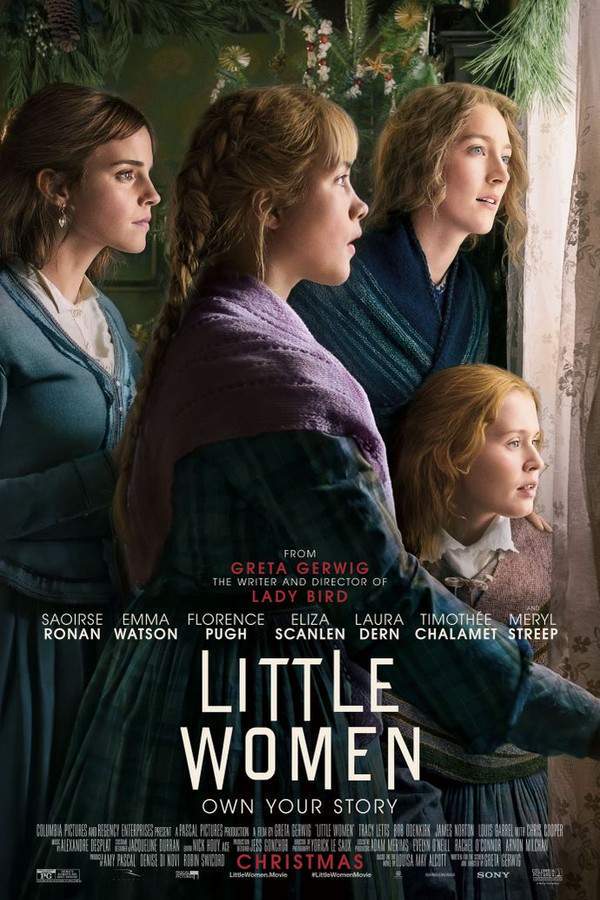
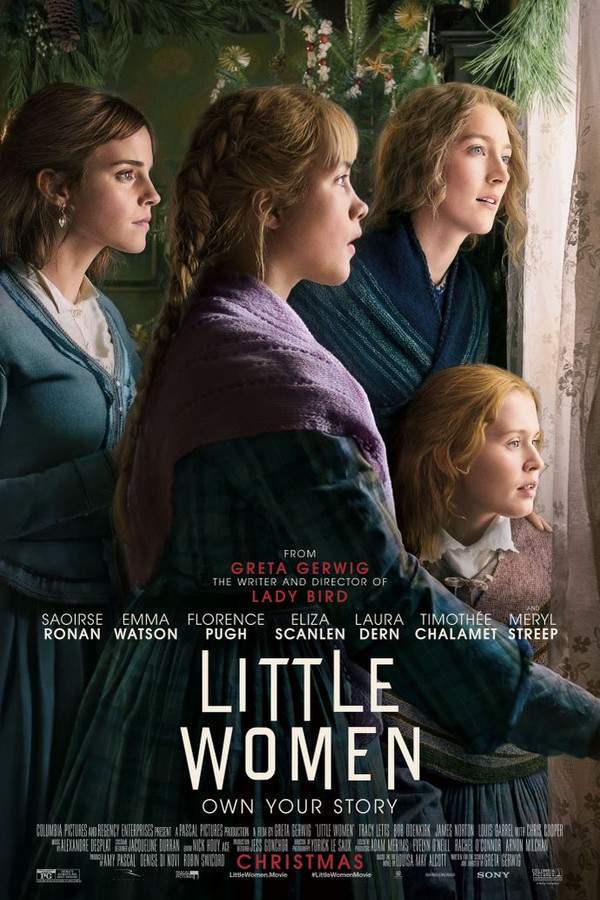
Little Women (2019) movie poster

Ending Explained

Little Women (2019) Ending Explained – Final Scene & Meaning

Release, runtime and language
2019 · 135 min · English
Echo score 81
Starring
Florence Pugh, Bob Odenkirk, Chris Cooper, Laura Dern, Jayne Houdyshell, Timothée Chalamet
Budget
$40M

Following the lives of sisters Jo, Meg, Beth, and Amy March during and after the Civil War, this adaptation explores their individual struggles and ambitions. Jo, an aspiring writer, grapples with societal expectations while forging her own path. The film portrays their close bonds, familial love, and the challenges they face as young women seeking independence and self-discovery in a changing world, all while honoring Louisa May Alcott's beloved story.

On this page (7)
  1. 1 What happens at the end
  2. 2 Final events in order
  3. 3 Ending questions answered
  4. 4 The book behind the movie
  5. 5 Movie threads
  6. 6 Movies like Little Women
  7. 7 Every angle

Ending explained · contains spoilers

What Happens at the End of Little Women?

How Little Women (2019) ends, what the final scene means, which earlier moments set it up and how to read the ending if the film leaves it open. The full ending explained, with every spoiler.

In the final scenes of Greta Gerwig’s Little Women, the film cuts between the story of the March sisters and a meta-narrative showing Jo in the process of publishing her first book. As the camera shifts between these scenes, it becomes clear that the story of Jo’s romance with Professor Bhaer and her eventual success in publishing is not just part of the plot, but also reflects Alcott’s own life and her journey as a writer. This blurring of fiction and reality suggests that Jo’s romantic and artistic victories are intertwined; her victory in love, shown by her choosing to marry Bhaer, and her triumph as a writer, symbolized by her holding her published book, reinforce each other as part of her journey towards independence and self-ownership. The film’s climax, which portrays Jo’s excitement over her first published novel, is modeled after Louisa May Alcott’s real-life achievement—a subtle but significant departure from the original novel, where Alcott’s success as a writer wasn’t yet complete at the story’s conclusion.

The ending poses a thought-provoking question: did Jo’s embracing of her love and success happen truly, or is it a narrative she is constructing for her publisher’s approval? Gerwig leaves this ambiguous, encouraging viewers to think about the nature of storytelling and the act of authorship—both in the fictional world of the March sisters, and in real life, where Alcott and other women writers had to craft and assert their identities. By embedding a meta-narrative, Gerwig elevates the story from a simple coming-of-age tale to a meditation on women’s independence, creativity, and the importance of owning one’s story. The film ultimately celebrates the lasting power of female authorship and the ongoing process of shaping one’s own life story, making it a contemporary and relevant reflection of Alcott’s pioneering spirit.

Last updated: June 25, 2025 at 08:59

Was this helpful?

The last 4 events

How Little Women Ends: The Final Events in Order

The last events of Little Women (2019) in chronological order, the run-up to the ending explained above. The complete timeline has all 15 events, scene by scene.

Open the full timeline
  1. Jo's Letter to Laurie

    In the aftermath of Meg's wedding, Jo reflects on her decision to turn down Laurie's proposal, leading her to write him a heartfelt letter. This demonstrates her ongoing internal conflict regarding love and friendship.

    Where
    Concord, Massachusetts
  2. Jo's Literary Journey

    Jo begins working on a novel based on her life experiences with her sisters. After initial rejection from Mr. Dashwood, she creatively revises her story to secure a publication deal, showcasing her growth and determination.

    Where
    New York City
  3. Jo's Educational Venture

    Following Aunt March's passing, Jo opens a school in her house. This step highlights her desire to contribute to her community and to nurture education, continuing her family's legacy of care.

    Where
    Concord, Massachusetts
  4. Publication of 'Little Women'

    Jo's novel, titled 'Little Women', is finally printed, representing her triumph as a writer. This accomplishment encapsulates her journey from a struggling author to a respected literary figure and the culmination of her personal dreams.

    Where
    New York City

Ending questions answered

Little Women Ending: Your Questions Answered

The questions people ask most about the ending of Little Women (2019): what the final scene means, how the twist works, what happens to each character and how to read the ending. Each answer contains spoilers.

Q1

Does Jo March marry Professor Bhaer in the film?

Yes, Jo ultimately chooses to marry Professor Bhaer. The ending shows her accepting his proposal, which represents her finding love while also maintaining her independence. This romantic resolution is intertwined with her professional success as a writer, suggesting that both her personal and artistic journeys have reached fulfillment.

Foreshadowing: Earlier scenes establish Professor Bhaer's genuine admiration for Jo's intellect, making his proposal feel like a natural culmination of their intellectual connection.

  • jo march
  • professor bhaer
  • marriage
  • romance
  • ending
Q2

What does Jo's published book symbolize at the end?

Jo's published book represents her achievement of becoming a professional writer, fulfilling her lifelong ambition. The book also serves as a symbol of female authorship and self-ownership, as Gerwig connects Jo's fictional success to Louisa May Alcott's real-life achievement. Holding her published work, Jo embodies the pioneering spirit of women writers who had to assert their identities in a male-dominated literary world.

Foreshadowing: Throughout the film, Jo repeatedly expresses her determination to publish her writing, viewing it as her path to independence.

  • published book
  • writer
  • authorship
  • success
  • achievement
Q3

Is the ending of Little Women based on Louisa May Alcott's real life?

Yes, the ending is modeled after Louisa May Alcott's actual life. In the film, Jo's excitement over her first published novel reflects Alcott's real achievement as a writer, which was a significant departure from the original novel where Alcott's writing success wasn't yet complete. Gerwig deliberately blurs the line between fiction and reality to connect Jo's story with Alcott's actual journey.

Foreshadowing: The meta-narrative structure throughout the film hints at this connection between Jo's story and Alcott's life.

  • louisa may alcott
  • real life
  • biographical
  • author
Q4

Why does the ending leave certain events ambiguous?

Gerwig intentionally leaves the ending ambiguous to pose a thought-provoking question: did Jo's embrace of love and success happen truly, or is it a narrative she constructs for her publisher's approval? This ambiguity encourages viewers to contemplate the nature of storytelling and the act of authorship, both within the fictional March family world and in real life, where women writers had to craft and assert their identities.

Foreshadowing: The film's constant switching between the 1861 and 1868 timelines establishes this blend of memory, fiction, and reality.

  • ambiguous
  • ending
  • interpretation
  • storytelling
  • meta
Q5

Does Beth March die in the movie?

Yes, Beth March passes away before the film's conclusion. Her death occurs off-screen and is referenced in the later timeline. The lasting absence of Bethtempers the otherwise happy ending, fitting the film's bittersweet tone. While Jo achieves her professional dreams and finds love, the grief of losing Beth remains present, preventing the ending from being purely joyful.

Foreshadowing: Beth's declining health is established throughout the film, with her illness being a recurring source of worry for the March family.

  • beth march
  • death
  • illness
  • grief
  • loss
Q6

What does Jo choosing love and marriage mean for her independence?

Jo's decision to marry Professor Bhaer does not represent a compromise of her independence. Instead, the film suggests her romantic and artistic victories are intertwined, her marriage and her success as a writer reinforce each other as part of her journey toward self-ownership. Bhaer respects her intellect and ambitions, making their partnership one of equals rather than a surrender to traditional expectations.

Foreshadowing: Professor Bhaer consistently treats Jo as an intellectual equal throughout their interactions, distinguishing him from other suitors.

  • independence
  • marriage
  • love
  • equality
  • feminism
Q7

What is the meta-narrative in Little Women about?

The meta-narrative refers to Gerwig's technique of showing Jo in the process of publishing her book while the story of the March sisters unfolds. This creates a blur between fiction and reality, suggesting Jo's story is being written by Louisa May Alcott as a form of self-creation. The meta-narrative elevates the film from a simple coming-of-age tale to a meditation on women's independence, creativity, and the importance of owning one's story.

Foreshadowing: Scenes showing Jo meeting with her publisher and discussing her book appear periodically throughout the adult timeline.

  • meta narrative
  • publishing
  • author
  • storytelling
  • framing
Q8

Why does Jo marry Professor Bhaer instead of Laurie?

Jo ultimately chooses Professor Bhaer because their connection is built on intellectual compatibility and mutual respect for her writing ambitions. Laurie, while charming and devoted, represents a more traditional path that might have constrained Jo's aspirations. Bhaer genuinely encourages her writing and treats her as an equal, which aligns with Jo's core values of independence and self-determination.

Foreshadowing: Jo consistently expresses admiration for Bhaer's intellect and educational values, while her rejections of Laurie emphasize her focus on writing over romance.

  • laurie
  • professor bhaer
  • choice
  • romance
  • compatibility
Q9

Does Jo found a school by the end of Little Women?

Yes, the ending reveals that Jo goes on to found a school, which aligns with her commitment to education and helping others. This achievement represents another dimension of her success beyond publishing her book. The school also reflects the March family's values of service and community, continuing Beth's legacy in a meaningful way.

Foreshadowing: Jo's teaching experiences and her interactions with children throughout the film hint at her aptitude for education.

  • school
  • founder
  • education
  • future
  • achievement
Q10

What does the ending say about female authorship?

The ending celebrates the lasting power of female authorship by connecting Jo's fictional success to Alcott's real achievements. Gerwig uses the meta-narrative to emphasize that women writers had to actively shape and assert their identities in a male-dominated world. The film concludes that owning one's story, both personal and artistic, is essential to true independence, making it a contemporary reflection of Alcott's pioneering spirit.

Foreshadowing: The film consistently highlights the challenges Jo faces as a woman trying to publish her work in the 19th century.

  • female authorship
  • women writers
  • independence
  • creativity
  • legacy

Movie threads

More Movies Like Little Women, by Mood & Story

Curated lists built around what makes Little Women tick: the same mood, the same kind of story or the same emotional payoff. Each list explains why these movies belong together.

Bittersweet Coming of Age Movies Like Little Women

Stories of young adulthood, balancing ambition and loss with hopeful conclusions. If you enjoyed the journey of the March sisters, explore more movies like Little Women. These films capture the similar bittersweet experience of growing up, finding independence, and balancing ambition with love. Discover stories where youthful dreams meet adult realities in heartfelt and resonant narratives.

  • yearning
  • hopeful
  • melancholic
  • nostalgic
  • heartfelt
  • reflective
  • Tone: bittersweet, heartfelt, melancholic
  • Pacing: variable, character-driven
Why these movies?

The story pattern: This thread groups films that center on the formative years of young characters, often featuring non-linear timelines that contrast youthful idealism with adult realities. The narrative pattern involves characters striving for personal and professional fulfillment while navigating familial obligations, romantic entanglements, and inevitable personal losses. The journey emphasizes emotional growth over a tidy, perfectly happy ending.

Why they belong together: Movies are grouped here due to their shared focus on the emotionally rich and complex period of coming of age. They possess a bittersweet tone, balancing heartfelt warmth with melancholic reflection. The pacing is often deliberate, allowing for deep character exploration, and the emotional weight is typically medium, creating a deeply resonant but not overwhelming experience.


Movies About Sisterhood and Ambition Like Little Women

Sagas exploring the tight-knit dynamics of siblings pursuing individual dreams. Looking for more films with the deep familial love found in Little Women? This collection features movies about sisterhood, brotherhood, and family bonds tested by individual ambition. Find similar emotional dramas where characters strive for independence while navigating the complexities of love and loyalty within their family unit.

  • warm
  • nostalgic
  • heartfelt
  • hopeful
  • yearning
  • poignant
  • Tone: warm, heartfelt, poignant
  • Pacing: steady, ensemble-driven
Why these movies?

The story pattern: Stories in this thread are driven by the interconnected arcs of family members, each with distinct personalities and goals. The plot unfolds through their interactions, arguments, and support systems, often set against a specific historical or social backdrop. The central theme is the negotiation between personal identity and family unity, resolving not with a perfect solution but with a deepened, more mature understanding of love.

Why they belong together: These films share a core thematic focus on family dynamics as the engine of the plot. They generate a warm, nostalgic mood through their depiction of domestic life, which is contrasted with the poignant weight of personal struggle and grief. The experience is characterized by its medium intensity and a pacing that allows the audience to become fully invested in the characters' relationships.

If you liked this

Movies Like Little Women

Similar movies to Little Women: the same genre, themes or kind of story. Each one comes with its own plot summary, timeline and ending explained.

Browse all movie summaries

Every angle

Little Women (2019) Explained: Plot, Ending, Timeline & Characters

Everything about Little Women in one place: what happens in the plot summary, the timeline in chronological order, the characters and meaning, the ending explained and a spoiler-free summary. What's After the Movie adds the cast, box office and post-credit scenes.

Coming soon on iOS and Android

The Plot Explained Movie Summary App

Plot summaries, endings explained and timelines on your phone. Catch up on any movie in minutes, save your favorites and never miss a twist again.

Be the first to know when we launch. Your email stays private, always.

Learn more about the app