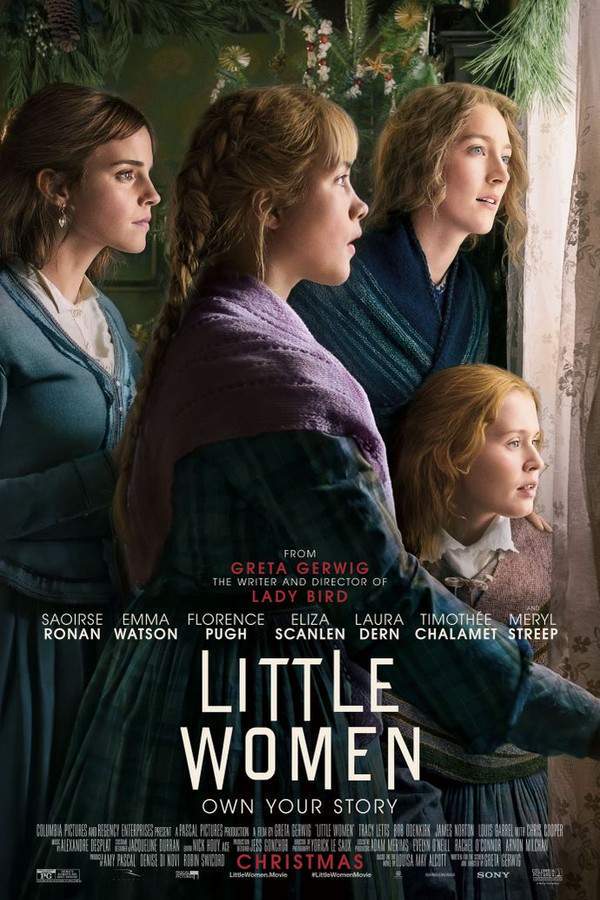
Little Women

Little Women

JustWatch#30,1952

Year: 2019

Runtime: 135 min

Language: English

Echo Score: 81

Budget: $40M

DramaRomance

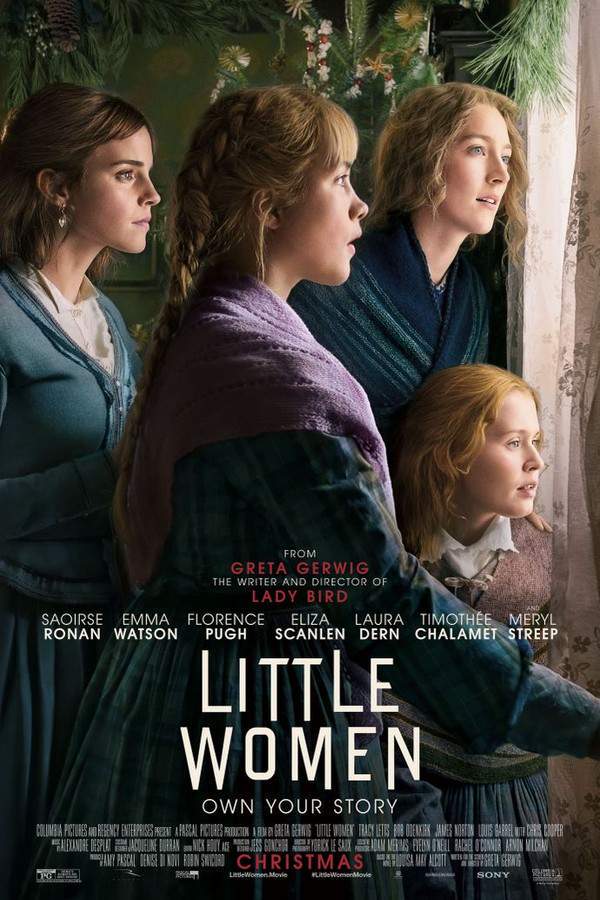
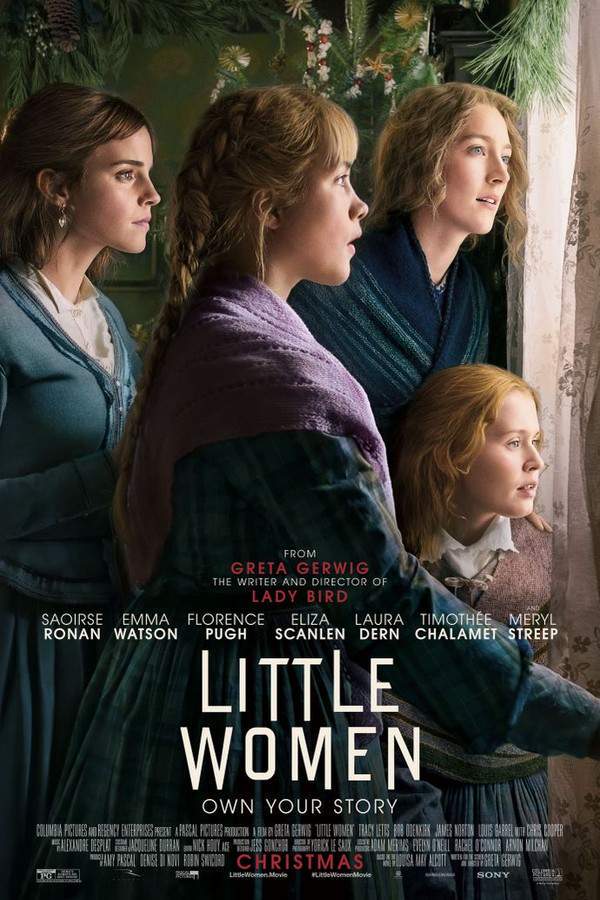
Following the lives of sisters Jo, Meg, Beth, and Amy March during and after the Civil War, this adaptation explores their individual struggles and ambitions. Jo, an aspiring writer, grapples with societal expectations while forging her own path. The film portrays their close bonds, familial love, and the challenges they face as young women seeking independence and self-discovery in a changing world, all while honoring Louisa May Alcott's beloved story.

Where to Watch Little Women?

Find where to stream, rent, or buy Little Women (2019) in the US with current JustWatch availability, up-to-date pricing, and platform listings for subscription, rental, and digital purchase options.

Warning: spoilers below!

Haven’t seen Little Women yet? This summary contains major spoilers. Bookmark the page, watch the movie, and come back for the full breakdown. If you're ready, scroll on and relive the story!

Little Women (2019) – Full Plot Summary & Ending Explained

Read the complete plot breakdown of Little Women (2019), including all key story events, major twists, and the ending explained in detail. Discover what really happened, and what it all means.

In the year 1868, Jo March, portrayed by the talented Saoirse Ronan, finds herself teaching in the bustling city of New York. Striving to support her family, she approaches editor Mr. Dashwood, played by Tracy Letts, to publish her latest story. After enduring significant revisions, Jo manages to secure a modest payment of $20 for her hard work. She resides in a boarding house aptly named “Little Women.” As the family’s financial struggles continue, Jo feels the weight of responsibility, especially with her sister Amy, embodied by Florence Pugh, across the ocean in Paris, engaged in the pursuit of a wealthy suitor to assist their family’s plight.

In Paris, Amy, who is accompanied by their formidable Aunt March, played by Meryl Streep, unexpectedly encounters Laurie, portrayed by Timothée Chalamet, her childhood friend. Tensions rise when, during a party, Laurie’s inebriated antics stir anger in Amy, marking the end of his infatuation with Jo, who remains in New York. There, Jo crosses paths with Friedrich Bhaer, a scholarly character portrayed by Louis Garrel, who both admires her and critiques her writing. After receiving alarming news about her sister Beth’s declining health, played by Eliza Scanlen, Jo rushes home, determined to care for her family.

The story also flashes back to the year 1861 in Concord, Massachusetts, where Jo and her eldest sister Meg, depicted by Emma Watson, attend a joyous gathering. It is here that Jo first meets Laurie, the charming grandson of their neighbor Mr. Laurence, portrayed by Chris Cooper. On Christmas Day, their mother, Marmee, brought to life by Laura Dern, encourages her daughters to share their breakfast with their less fortunate neighbor, Mrs. Hummel. When the girls return home, they discover an abundant feast awaiting them, a generous gift from Mr. Laurence alongside a heartfelt letter from their father, who is valiantly serving in the Civil War.

Jo’s journey further intertwines with her Aunt March, who extends an invitation for Jo to join her on a European adventure. Meanwhile, Amy tries to divert Laurie’s affections from Jo towards herself, leading to a series of heartfelt and emotional moments. The complex relationships deepen when, in a moment of jealousy, Amy burns Jo’s cherished writings, causing a rift between the sisters. However, their bond is tested when Amy finds herself in peril while skating, leading Jo to confront her feelings of guilt.

The larger narrative threads in their lives reflect not only their desires but also their struggles. Meg faces peer bullying over her attire, prompting her to buy an expensive dress, much to John Brooke’s, played by James Norton, chagrin. Despite disapprovals, Meg eventually chooses love and commitment by deciding to marry John.

As the plot continues to unfold, Laurie humbles himself and seeks forgiveness from Amy. Their shared moments lead to unexpected love, even as tragedy strikes with Beth’s passing. Their mother Marmee learns of an illness affecting their father, and during this tumultuous time, Jo grows closer to her sisters through their collective challenges and experiences.

Jo’s feelings for Laurie culminate in a moment of decision, but she stands by her convictions and turns him down again. Only when Amy returns from Europe does the true nature of affections unfold, leading to a marriage between Amy and Laurie, sealing Jo’s choice to remain steadfastly independent.

As Jo immerses herself in her writing once more, she wrestles with the demands of publishing, crafting a narrative that resonates deeply with her and her sisters’ lives. Jo ultimately makes adjustments to satisfy the publisher, committing to a storyline that would see her character chase after her own happiness. When her novel, titled Little Women, finds its way to print, Jo also takes on the mantle of educator, establishing a school in Aunt March’s home.

Through heartache, joy, love, and ambition, this saga of the March sisters weaves an intricate portrait of life, family, and the pursuit of dreams. Jo’s journey of self-discovery amidst the trials of their era reflects the timeless essence of resilience.
Last updated: December 13, 2024 at 06:47

Was this helpful?

Little Women (2019) Plot Questions Answered – Summary FAQ

Explore frequently asked questions about Little Women (2019) with spoiler-rich answers covering the full plot summary, major story beats, character motivations, hidden details, and ending meaning. This movie summary FAQ helps explain confusing scenes, plot twists, and narrative decisions in clear, searchable detail.

Q1

Why does Jo turn down Laurie's proposal?

A.

Jo refuses Laurie's proposal because she genuinely does not love him romantically. Throughout the story, she views him as a dear friend and almost like a brother. Jo is fiercely independent and prioritizes her writing career and family responsibilities over marriage. She tells Laurie directly that she cannot change how she feels about him and that marrying for security or convenience would be dishonest.

Earlier in the story, Jo consistently resists romantic advances and expresses a desire to remain single rather than conform to society's expectations of women.

jo marchlaurieproposalrejectionindependence
Q2

Why does Amy burn Jo's manuscripts?

A.

Amy burns Jo's manuscripts in a moment of jealous rage after discovering that Laurie prefers Jo over her. Amy had been secretly hoping Laurie would fall in love with her, and upon seeing his continued devotion to Jo, she acts out destructively. This act represents the sisters' rivalry for Laurie's affection and Amy feeling overshadowed by Jo.

The tension between Amy and Jo over Laurie has been building throughout the story, with Amy consistently trying to attract his attention.

amy marchmanuscriptsburningsisters rivalry
Q3

What happens to Beth in the story?

A.

Beth falls ill with scarlet fever after receiving a piano from Mr. Laurence. Her health progressively deteriorates, and despite the family's care, she eventually passes away. Beth's illness and death serve as a pivotal emotional moment in the film, bringing the sisters closer together and deepening Jo's sense of responsibility toward her family.

Beth's health was fragile throughout the story, and the timeline shows multiple references to her declining condition.

beth marchscarlet feverdeathillness
Q4

Why does Laurie end up marrying Amy instead of Jo?

A.

Laurie marries Amy because she is the one who ultimately reciprocates his feelings. After Jo repeatedly rejects him, Laurie travels to Europe where he and Amy spend time together. Amy's maturity and genuine affection for him draw Laurie in, and he realizes their connection is deeper than his past infatuation with Jo. Their marriage represents finding true compatibility rather than unrequited love.

In Paris, Amy demonstrates her feelings for Laurie more openly, and their relationship evolves as Amy grows into adulthood.

laurieamy marchmarriagelove
Q5

How does Jo meet Friedrich Bhaer?

A.

Jo meets Friedrich Bhaer in New York City while she is working as a teacher and pursuing her writing career. Friedrich is a German professor who attends one of Jo's readings. He openly admires her work but also critiques it constructively, which initially frustrates Jo. Their relationship develops through intellectual discussions about literature, eventually leading to romantic feelings between them.

The timeline shows Jo meeting Friedrich in New York City as a key character introduction that builds toward their relationship.

friedrich bhaerjo marchmeetingrelationship
Q6

Why does Meg sell her expensive dress?

A.

Meg buys an expensive dress after being teased by peers for not having proper attire for a social gathering. However, when John Brooke expresses disapproval of her spending, Meg realizes that her desire to fit in with wealthier friends conflicts with her values and her relationship with John. She ultimately sells the dress and chooses to prioritize her relationship with John over social status, demonstrating her growth toward maturity and genuine values.

Earlier scenes show Meg's vulnerability to social pressures and her growing connection with John Brooke.

meg marchjohn brookedressweddingspending
Q7

What years does the story take place in?

A.

The film uses a non-linear timeline, shifting between 1861 and 1868. The 1861 scenes depict the sisters' childhood in Concord, Massachusetts, including Christmas and their early meeting with Laurie. The 1868 scenes show the adult sisters dealing with marriage, career decisions, and Beth's illness. This structure allows the film to contrast the sisters' innocent youth with their more complex adult realities.

The film establishes the two time periods early, with 1861 showing the happy family gatherings and 1868 showing the consequences of time and loss.

timeline18611868flashbackyears
Q8

Why does Jo move to New York?

A.

Jo moves to New York City in 1868 to pursue her writing career and help support her family financially. As the March family faces ongoing financial struggles, Jo takes a teaching job in New York while continuing to write stories. Her goal is to earn money through publication to help lift her family out of poverty, especially since Amy is in Paris seeking a wealthy suitor.

The family's financial difficulties are established early, with Marmee encouraging the girls to be resourceful.

jo marchnew yorkwriting careerteaching
Q9

Does Jo get married at the end?

A.

In the film, Jo does not marry Laurie. However, her relationship with Professor Friedrich Bhaer is developing, and the ending suggests they will eventually be together. The final scenes show Jo achieving professional success with her published novel "Little Women" and founding a school, while Friedrich visits and they share a hopeful moment about their future together. The ending prioritizes Jo's professional triumph and independence, with romance as a possibility rather than a certainty.

Throughout the story, Jo consistently chooses independence over marriage, and Friedrich's presence at the end signals a new chapter.

jo marchmarriageendingfriedrichindependence
Q10

Why is Jo's novel significant in the story?

A.

Jo's novel "Little Women" is significant because it represents her achievement as a writer and her ability to turn her life experiences into art. She initially writes a more autobiographical version but revises it to satisfy publisher demands for a more conventional ending where the protagonist finds love. By agreeing to changes while still telling her sisters' stories, Jo compromises creatively but achieves publication. The novel's success marks her transformation from struggling writer to published author.

Jo's writing journey is established early when she seeks publication and faces rejection from Mr. Dashwood.

jo marchnovellittle womenpublicationwriting
Q11

Why does Amy's skating accident matter?

A.

Amy nearly dies while skating on a frozen pond, which becomes a turning point in her relationship with Jo. Jo experiences intense guilt after the incident, realizing how much she cares for her sister despite their rivalry. This moment forces Jo to confront her feelings and temporarily brings the sisters closer together, easing some of the tension that existed after Amy burned Jo's manuscripts.

The earlier rivalry between Amy and Jo over Laurie builds tension leading to this incident.

amy marchskatingaccidentsisters

Ending Explained – What Happens at the End of Little Women?

Still wondering what the ending of Little Women (2019) really means? Here’s a spoiler-heavy breakdown of the final scene, major twists, and the deeper themes that shape the film’s conclusion.

In the final scenes of Greta Gerwig’s Little Women, the film cuts between the story of the March sisters and a meta-narrative showing Jo in the process of publishing her first book. As the camera shifts between these scenes, it becomes clear that the story of Jo’s romance with Professor Bhaer and her eventual success in publishing is not just part of the plot, but also reflects Alcott’s own life and her journey as a writer. This blurring of fiction and reality suggests that Jo’s romantic and artistic victories are intertwined; her victory in love, shown by her choosing to marry Bhaer, and her triumph as a writer, symbolized by her holding her published book, reinforce each other as part of her journey towards independence and self-ownership. The film’s climax, which portrays Jo’s excitement over her first published novel, is modeled after Louisa May Alcott’s real-life achievement—a subtle but significant departure from the original novel, where Alcott’s success as a writer wasn’t yet complete at the story’s conclusion.

The ending poses a thought-provoking question: did Jo’s embracing of her love and success happen truly, or is it a narrative she is constructing for her publisher’s approval? Gerwig leaves this ambiguous, encouraging viewers to think about the nature of storytelling and the act of authorship—both in the fictional world of the March sisters, and in real life, where Alcott and other women writers had to craft and assert their identities. By embedding a meta-narrative, Gerwig elevates the story from a simple coming-of-age tale to a meditation on women’s independence, creativity, and the importance of owning one’s story. The film ultimately celebrates the lasting power of female authorship and the ongoing process of shaping one’s own life story, making it a contemporary and relevant reflection of Alcott’s pioneering spirit.

Last updated: June 25, 2025 at 08:59

Was this helpful?
Mobile App Preview

Coming soon on iOS and Android

The Plot Explained Mobile App

From blockbusters to hidden gems - dive into movie stories anytime, anywhere. Save your favorites, discover plots faster, and never miss a twist again.

Sign up to be the first to know when we launch. Your email stays private, always.

Explore Movie Threads

Discover curated groups of movies connected by mood, themes, and story style. Browse collections built around emotion, atmosphere, and narrative focus to easily find films that match what you feel like watching right now.

Bittersweet Coming of Age Movies Like Little Women

Stories of young adulthood, balancing ambition and loss with hopeful conclusions.If you enjoyed the journey of the March sisters, explore more movies like Little Women. These films capture the similar bittersweet experience of growing up, finding independence, and balancing ambition with love. Discover stories where youthful dreams meet adult realities in heartfelt and resonant narratives.

yearninghopefulmelancholicnostalgicheartfeltreflective

Narrative Summary

This thread groups films that center on the formative years of young characters, often featuring non-linear timelines that contrast youthful idealism with adult realities. The narrative pattern involves characters striving for personal and professional fulfillment while navigating familial obligations, romantic entanglements, and inevitable personal losses. The journey emphasizes emotional growth over a tidy, perfectly happy ending.

Why These Movies?

Movies are grouped here due to their shared focus on the emotionally rich and complex period of coming of age. They possess a bittersweet tone, balancing heartfelt warmth with melancholic reflection. The pacing is often deliberate, allowing for deep character exploration, and the emotional weight is typically medium, creating a deeply resonant but not overwhelming experience.

Movies About Sisterhood and Ambition Like Little Women

Sagas exploring the tight-knit dynamics of siblings pursuing individual dreams.Looking for more films with the deep familial love found in Little Women? This collection features movies about sisterhood, brotherhood, and family bonds tested by individual ambition. Find similar emotional dramas where characters strive for independence while navigating the complexities of love and loyalty within their family unit.

warmnostalgicheartfelthopefulyearningpoignant

Narrative Summary

Stories in this thread are driven by the interconnected arcs of family members, each with distinct personalities and goals. The plot unfolds through their interactions, arguments, and support systems, often set against a specific historical or social backdrop. The central theme is the negotiation between personal identity and family unity, resolving not with a perfect solution but with a deepened, more mature understanding of love.

Why These Movies?

These films share a core thematic focus on family dynamics as the engine of the plot. They generate a warm, nostalgic mood through their depiction of domestic life, which is contrasted with the poignant weight of personal struggle and grief. The experience is characterized by its medium intensity and a pacing that allows the audience to become fully invested in the characters' relationships.

Unlock the Full Story of Little Women

Don't stop at just watching - explore Little Women in full detail. From the complete plot summary and scene-by-scene timeline to character breakdowns, thematic analysis, and a deep dive into the ending - every page helps you truly understand what Little Women is all about. Plus, discover what's next after the movie.

Little Women Timeline

Track the full timeline of Little Women with every major event arranged chronologically. Perfect for decoding non-linear storytelling, flashbacks, or parallel narratives with a clear scene-by-scene breakdown.

Little Women Timeline

Characters, Settings & Themes in Little Women

Discover the characters, locations, and core themes that shape Little Women. Get insights into symbolic elements, setting significance, and deeper narrative meaning - ideal for thematic analysis and movie breakdowns.

Characters, Settings & Themes in Little Women

Little Women Ending Explained

What really happened at the end of Little Women? This detailed ending explained page breaks down final scenes, hidden clues, and alternate interpretations with expert analysis and viewer theories.

Little Women Ending Explained

Little Women Spoiler-Free Summary

Get a quick, spoiler-free overview of Little Women that covers the main plot points and key details without revealing any major twists or spoilers. Perfect for those who want to know what to expect before diving in.

Little Women Spoiler-Free Summary

More About Little Women

Visit What's After the Movie to explore more about Little Women: box office results, cast and crew info, production details, post-credit scenes, and external links - all in one place for movie fans and researchers.

More About Little Women

Similar Movies to Little Women

Discover movies like Little Women that share similar genres, themes, and storytelling elements. Whether you’re drawn to the atmosphere, character arcs, or plot structure, these curated recommendations will help you explore more films you’ll love.