Following the sudden death of the family patriarch, his loved ones must navigate a complex web of secrets and unspoken emotions. His passing forces them to confront a complicated legacy and the profound impact his absence has had on their lives, as long-buried sorrows and family ties are unexpectedly tested.
Find where to stream, rent, or buy Little Big Women (2021) in the US with current JustWatch availability, up-to-date pricing, and platform listings for subscription, rental, and digital purchase options.
Warning: spoilers below!
Haven’t seen Little Big Women yet? This summary contains major spoilers. Bookmark the page, watch the movie, and come back for the full breakdown. If you're ready, scroll on and relive the story!
Read the complete plot breakdown of Little Big Women (2021), including all key story events, major twists, and the ending explained in detail. Discover what really happened, and what it all means.
In the year 1868, Jo March, a dedicated teacher residing in New York City, makes a visit to Mr. Dashwood, an editor who agrees to publish her much-anticipated story. Meanwhile, her youngest sister, Amy, is in Paris with their Aunt March, attending a lavish party alongside their childhood friend and neighbor, Laurie. Tension arises when Amy becomes infuriated with Laurie's drunken antics, leading to him derisively taunting her for spending time with Fred Vaughn, a wealthy businessman. Conversely, Jo faces her own heartache when Friedrich Bhaer, a professor who expresses a keen interest in her, critiques her writing, leaving her deeply offended. The gravity of Jo's emotions intensifies when she learns, through a letter, that her beloved sister Beth's health has taken a turn for the worse, prompting her to return home to Concord, Massachusetts.
Stepping back seven years to 1861, Jo's first encounter with Laurie occurs during a festive party she attends with her older sister, Meg. On Christmas morning, their mother, affectionately known as Marmee, encourages them to share their breakfast with their impoverished neighbors, the Hummels, and their starving children. Their act of kindness is reciprocated when they return home to find a table laden with food, a generous gift from Mr. Laurence, Laurie's grandfather. In this period, Jo frequently reads to Aunt March, aspiring for her to invite her to Europe.
The drama unfolds as Jo, Meg, Laurie, and Laurie's tutor, John Brooke, attend a theater show. Jealousy ignites when Amy destroys Jo's writings in a fit of rage. Seeking forgiveness the following morning, Amy chases Jo and Laurie onto a frozen lake, where they rescue her after she plunges through the ice. Observing Beth's introverted nature, Mr. Laurence invites her to play his late daughter's piano, forming a special bond. In a moment of vulnerability, Meg confides in John her discontent with their financial struggles while also discussing her desire for a nice dress. After a heartfelt visit, Laurie implores Amy to reconsider marrying Fred; despite her feelings for him, Amy turns down his advances, feeling overshadowed by Jo.
As events progress, Mr. Laurence gifts Beth the piano, but soon after, she falls ill with scarlet fever, courtesy of the Hummels. To avoid infection, Amy stays with Aunt March, who advises her on the importance of securing a good marriage for financial stability. In a poignant present-day moment, John encourages Meg to tailor the fabric she bought into a beautiful garment, yet she confesses to having sold it, assuring him she finds happiness as his wife. As Christmas approaches in the past timeline, Beth recovers, and her father returns from the Civil War. Tragically, in the present, Beth's condition deteriorates, leading to her eventual death.
On Meg's wedding day from the past, Jo passionately urges her sister to abandon the wedding, but Meg expresses joy and excitement about starting a life with John. Aunt March announces her plans for a European trip, ultimately deciding to take Amy instead of Jo. Following the wedding, Laurie professes his love to Jo, yet she declines his proposal, explaining her lack of desire for marriage.
In the present, Marmee shares news of Amy's return from Europe along with a sick Aunt March. This triggers Jo's reflections on whether she was too hasty in rejecting Laurie's affections, leading her to pen a letter. As they prepare to leave, Amy confides in Laurie about her choice to decline Fred's proposal; their subsequent kiss seals their bond as they marry on the journey home. Jo and Laurie agree to maintain a friendship, which leads Jo to discard the heartfelt letter she had intended for him.
Jo embarks on the journey of writing a novel inspired by the lives of her and her sisters, eventually submitting the initial chapters to the unimpressed Mr. Dashwood. However, in an unexpected turn, Bhaer appears at the March household during his travels to California, surprising Jo.
In New York, after a push from Mr. Dashwood's curious daughters for the story's conclusion, he agrees to publish Jo's novel, albeit with reservations about the protagonist remaining single at the finale. To satisfy his request, Jo reworks her narrative, culminating in her character stopping Bhaer from leaving for California. Successfully negotiating copyright and royalties, Jo's ambitions take flight. Following the passing of Aunt March, Jo inherits her house and establishes it as a school, welcoming Meg, Amy, John, and Bhaer as faculty. Ultimately, Jo witnesses her novel come to life, titled Little Women, fulfilling her dreams and honoring her family's legacy.

Last updated: November 16, 2024 at 12:23
Explore frequently asked questions about Little Big Women (2021) with spoiler-rich answers covering the full plot summary, major story beats, character motivations, hidden details, and ending meaning. This movie summary FAQ helps explain confusing scenes, plot twists, and narrative decisions in clear, searchable detail.
Jo rejected Laurie because she didn't want to get married at all. She told him she would never marry and wanted to focus on her writing career and independence instead. This reflects Jo's strong belief in pursuing her dreams rather than traditional domestic life.
Earlier in the film, Jo repeatedly tells Laurie she will never marry and dreams of traveling to New York to become a writer.
Amy turned down Fred Vaughn and chose Laurie because she had always loved him, even though she initially seemed interested in Fred's wealth. When Amy learned Laurie still had feelings for her, she realized her true feelings and rejected Fred's proposal.
Amy had previously rejected Laurie's advances while in Europe, feeling overshadowed by Jo, but their connection remained unresolved.
Beth contracted scarlet fever after caring for the Hummel family, their impoverished neighbors. The illness weakened her already fragile health, and she never fully recovered. In 1868, Beth eventually died from complications of the illness.
Beth fell ill shortly after the family helped the Hummels during Christmas, and her health never returned to normal.
Jo met Professor Friedrich Bhaer in New York City while working as a tutor. He was a German professor who criticized her writing, which initially offended her. However, he later visited her at the March home during his travels to California, and they developed a relationship.
Their first meeting was in New York where Bhaer critiqued Jo's work, causing tension between them.
Jo changed the ending of her novel because Mr. Dashwood, the publisher, refused to publish it unless the protagonist got married. To get her work published, Jo rewrote the ending to have the character stop Bhaer from leaving, allowing the story to end with marriage rather than singlehood.
Dashwood initially rejected Jo's manuscript because he said nobody would read a book about an unmarried woman.
After Aunt March died, she left her house to Jo in her will. Jo then converted the house into a school, where Meg, Amy, John Brooke, and Professor Bhaer all became teachers. This fulfilled Jo's dream of having both her family and her own institution.
Earlier in the film, Aunt March repeatedly told Jo that she would never marry and would end up alone, making the inheritance surprising.
The film uses a dual-timeline structure, jumping between 1861 and 1868. The 1861 timeline shows the sisters' childhood, their relationships forming, and key events like Beth's illness and Meg's wedding. The 1868 timeline shows the present day, including Beth's death and Jo's literary success. This structure creates dramatic irony and shows how characters have changed over seven years.
The film opens in 1868 with Jo visiting a publisher, then flashes back to 1861 with the label 'Seven Years Earlier.'
Jo did not marry in the traditional sense. She achieved her dream of becoming a published author and founded a school, but she remained unmarried. However, her novel's ending was changed to include marriage, which can be interpreted as her accepting some level of romantic partnership with Professor Bhaer rather than complete singlehood.
Jo initially refused Laurie's proposal insisting she would never marry, but later reconsidered her feelings when Bhaer appeared.
Amy burned Jo's manuscripts because she was jealous and angry. Jo had been neglecting Amy, and when Jo refused to let Amy come to the theater with her and Laurie, Amy flew into a rage and burned Jo's precious writing in the fireplace as revenge.
Earlier, Amy had asked Jo multiple times to be included, but Jo always chose Laurie or Beth instead.
Meg sold the fabric she bought because the family was poor and she needed the money more than she needed a beautiful dress. When John discovered she had sold it, he encouraged her to use the beautiful things she made, showing their love transcended material wealth.
Earlier, Meg confided to John about her desire for nice things and her frustration with their financial struggles.
Still wondering what the ending of Little Big Women (2021) really means? Here’s a spoiler-heavy breakdown of the final scene, major twists, and the deeper themes that shape the film’s conclusion.
At the end of Greta Gerwig's adaptation of Little Women, the film cuts between the story of the March sisters and a meta-narrative that blurs the line between fiction and reality. In this final sequence, Jo March is shown sitting in an office, negotiating a contract for her book with a publisher, while simultaneously, in the story, she confesses her love for Professor Bhaer and prepares to marry him. However, this overlap isn’t just a straightforward depiction of the story; it also symbolizes Jo's own journey toward independence and authorship. In the book, Jo does ultimately marry Bhaer, but Louisa May Alcott, who inspired Jo, was actually a lifelong single woman who favored independence over marriage. Gerwig’s addition of this meta-narrative suggests that Jo’s decision to marry Bhaer is both a real event within the story and a commentary on how women often compromise or reinvent their lives to achieve independence or success.
In the closing scenes, the film continues to cut between Jo’s joyful family celebration at her school and her excitement as she watches her first book come together, being bound by a printer. This moment, however, is a deviation from the original novel, where Alcott never depicted Jo as a published author. Instead, Gerwig highlights the real-life struggle and triumph of Alcott herself, creating a symbolic link between Jo’s fictional writing career and Alcott’s own journey. The film ends with a shot of Saoirse Ronan’s Jo—representing both the character and the author—beaming with pride and anticipation, capturing the feeling of a young writer’s dreams coming true.
This blending of fiction and reality invites viewers to reflect on the themes of women’s independence, authorship, and the stories we tell ourselves about who we are. Gerwig’s decision to include this meta-narrative not only enriches the story but also leaves the audience pondering whether Jo’s marriage and professional success are literal or symbolic, emphasizing that the act of “authoring” one’s life can be an ongoing, deliberate process. Ultimately, Gerwig’s ending celebrates the idea that women, whether in fiction or real life, have the power to shape and retell their own stories, and that this act of storytelling is a form of liberation and self-creation.
Last updated: June 25, 2025 at 08:58
Discover curated groups of movies connected by mood, themes, and story style. Browse collections built around emotion, atmosphere, and narrative focus to easily find films that match what you feel like watching right now.
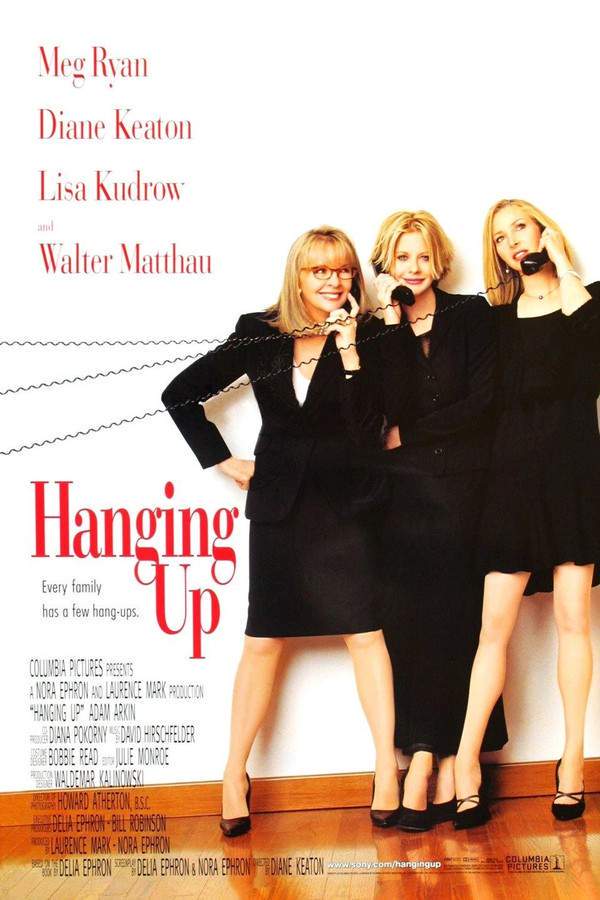
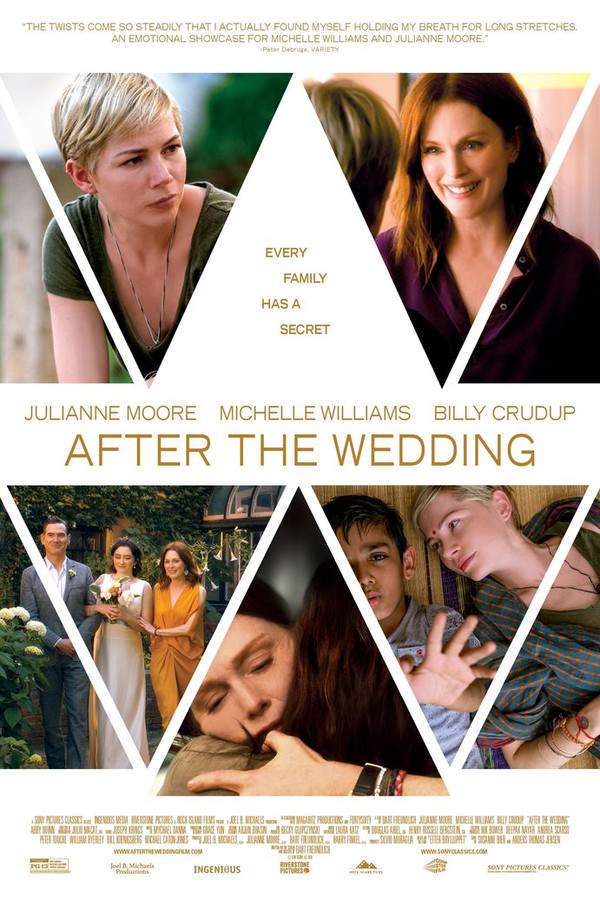
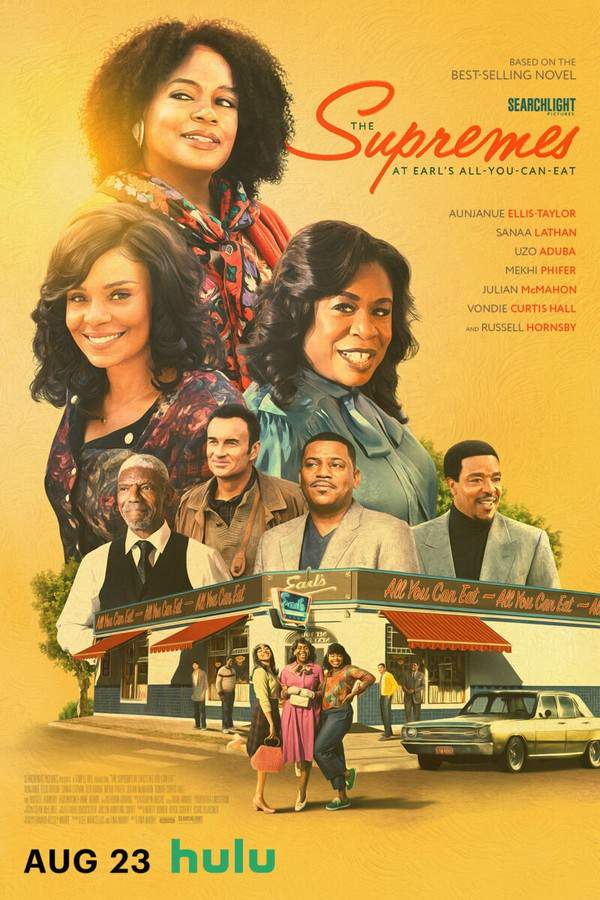
A death in the family forces long-held secrets and emotional wounds to the surface.If you liked the way Little Big Women explores family dynamics after a loss, you'll appreciate these similar movies. This list features character-driven dramas where a death forces secrets into the open and tests family ties, blending grief with heartfelt connection.
A pivotal death disrupts the family equilibrium, serving as the inciting incident that unravels a web of secrets, rivalries, and unspoken emotions. The narrative follows the collective and individual journeys of family members as they grapple with the past, reassess their relationships, and search for a new equilibrium, often resulting in a mix of closure and lingering melancholy.
These films are grouped together because they share a central narrative device—a family death as a catalyst—and a tonal balance of sorrow and warmth. They focus on complex, character-driven emotions, exploring how grief can both fracture and ultimately strengthen familial bonds.
Women navigating the intertwining paths of ambition, love, and family duty.Find movies similar to Little Big Women that capture the unique bond and conflicts between sisters. These films explore themes of artistic ambition, romantic love, and the weight of family legacy, all with a reflective and emotionally resonant vibe.
The narrative follows a group of sisters or deeply connected women as their individual life paths—in career, art, and romance—diverge and converge. Central conflicts arise from sibling rivalry, contrasting ambitions, and the sacrifices made for love and family, often told through a dual-timeline structure that reflects on the past's impact on the present.
This thread groups films that share a focus on the intricate dynamics of sisterhood, the pursuit of personal ambition (especially artistic), and the navigation of romantic love. They are united by a bittersweet, reflective mood and a narrative complexity that comes from exploring characters across different stages of life.
Don't stop at just watching - explore Little Big Women in full detail. From the complete plot summary and scene-by-scene timeline to character breakdowns, thematic analysis, and a deep dive into the ending - every page helps you truly understand what Little Big Women is all about. Plus, discover what's next after the movie.
Track the full timeline of Little Big Women with every major event arranged chronologically. Perfect for decoding non-linear storytelling, flashbacks, or parallel narratives with a clear scene-by-scene breakdown.
Discover the characters, locations, and core themes that shape Little Big Women. Get insights into symbolic elements, setting significance, and deeper narrative meaning - ideal for thematic analysis and movie breakdowns.
What really happened at the end of Little Big Women? This detailed ending explained page breaks down final scenes, hidden clues, and alternate interpretations with expert analysis and viewer theories.
Discover movies like Little Big Women that share similar genres, themes, and storytelling elements. Whether you’re drawn to the atmosphere, character arcs, or plot structure, these curated recommendations will help you explore more films you’ll love.
Little Big Women (2021) Scene-by-Scene Movie Timeline
Little Big Women (2021) Movie Characters, Themes & Settings
Little Big Women (2021) Ending Explained & Theories
Little Big Women (2021) Spoiler-Free Summary & Key Flow
Movies Like Little Big Women – Similar Titles You’ll Enjoy
Little Men (2016) Story Summary & Characters
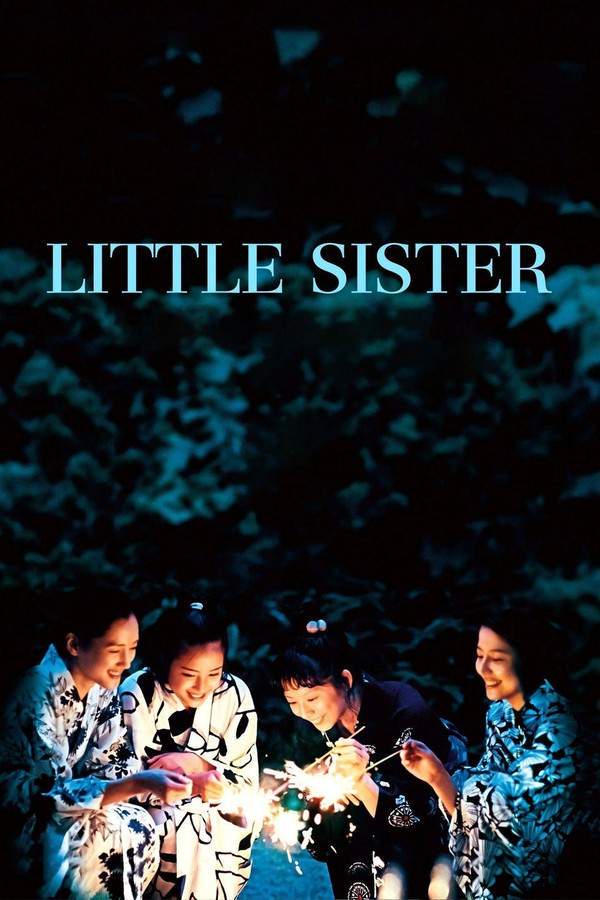
Our Little Sister (2016) Movie Recap & Themes
Little Woods (2019) Story Summary & Characters
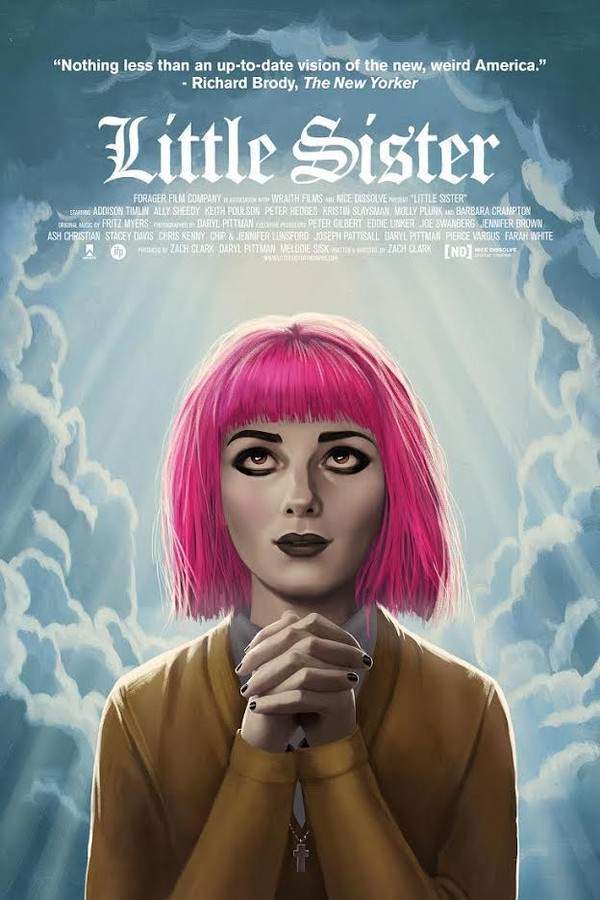
Little Sister (2016) Full Summary & Key Details
Little Accidents (2015) Film Overview & Timeline
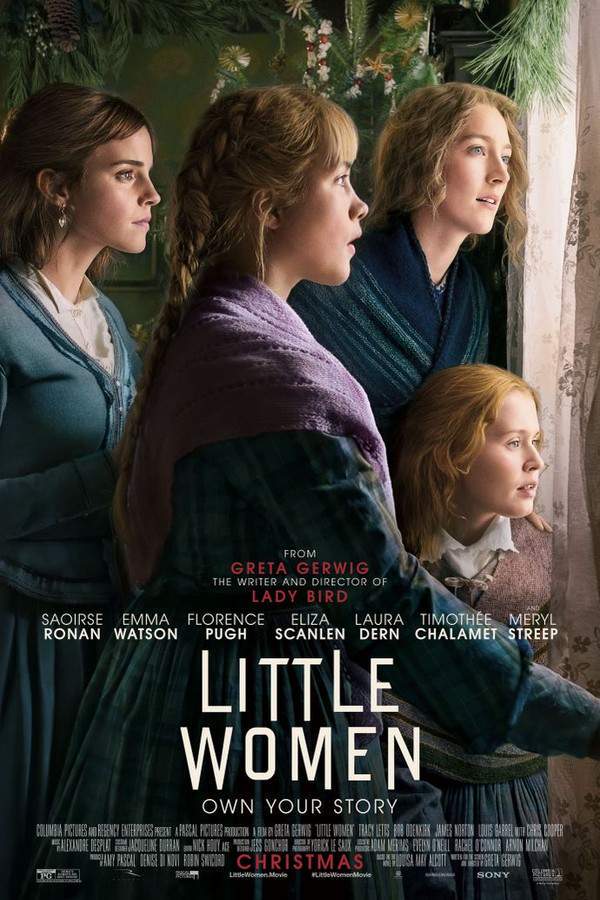
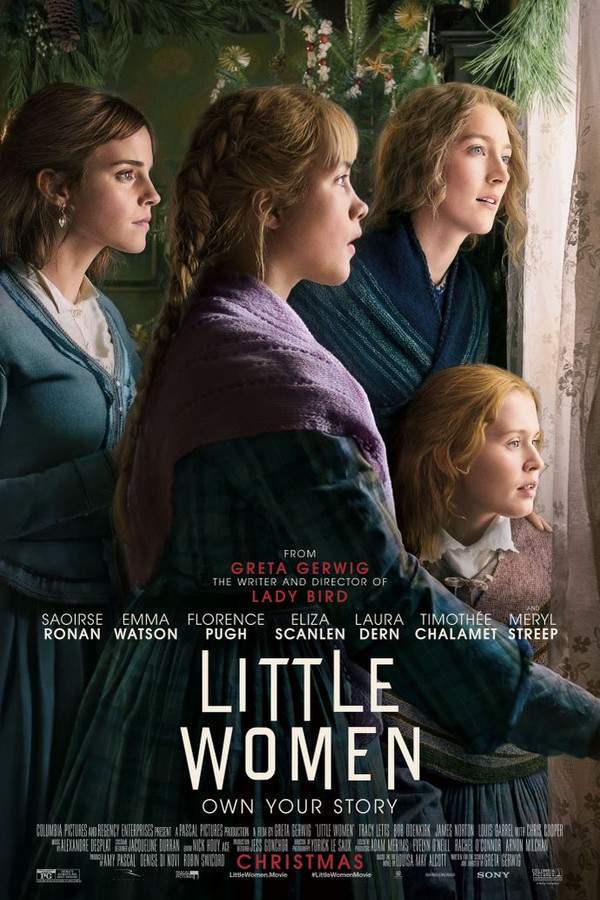
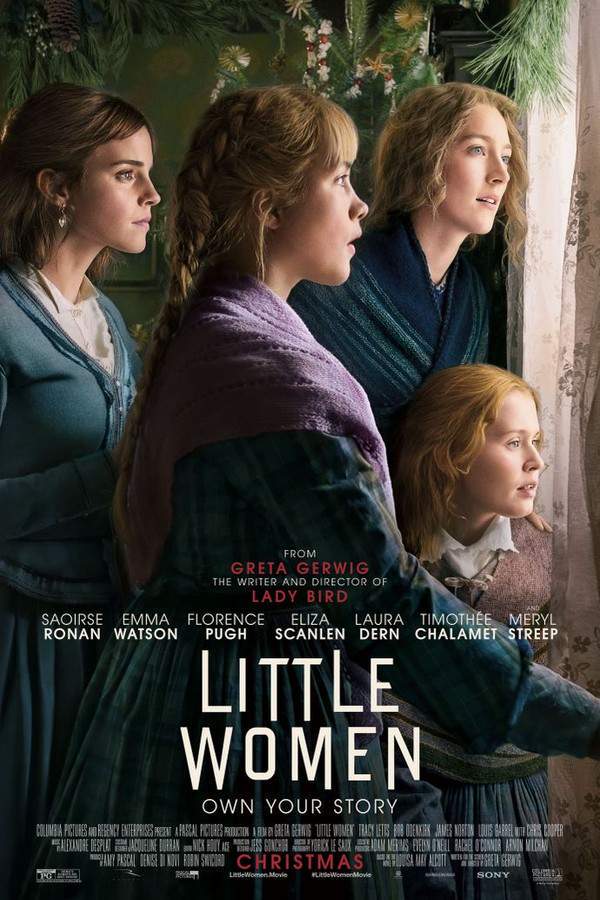
Little Women (2019) Complete Plot Breakdown
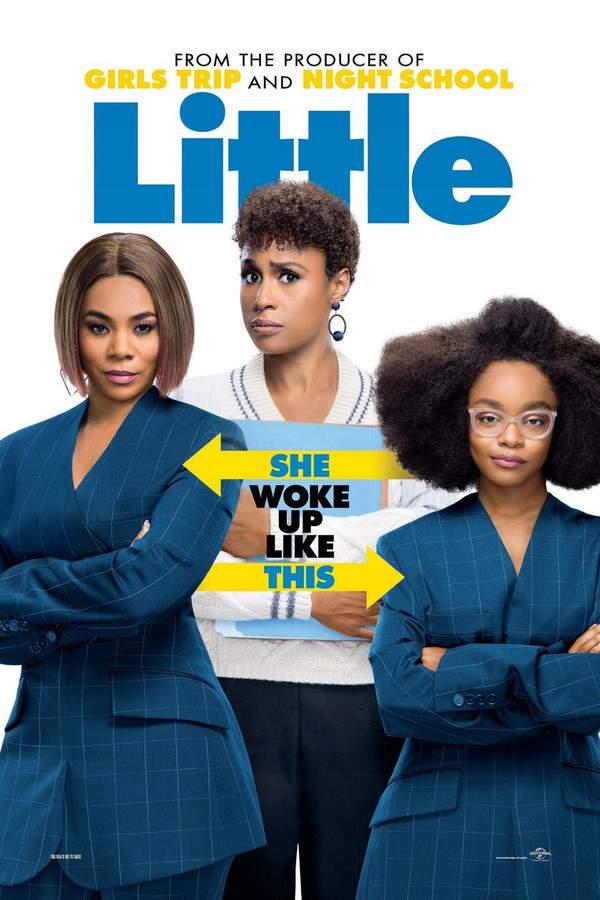
Little (2019) Detailed Story Recap
Little Women (1994) Full Movie Breakdown
Little Women (2018) Full Movie Breakdown
Little White Lie (2014) Complete Plot Breakdown
Little Brother (2024) Full Movie Breakdown
A Little Water (2021) Full Movie Breakdown
A Little Red Flower (2020) Story Summary & Characters
Little Loves (2024) Detailed Story Recap
A Little Life (2023) Complete Plot Breakdown