Plot Explained Spoilers guaranteed!
Plot Explained

Browse by genre

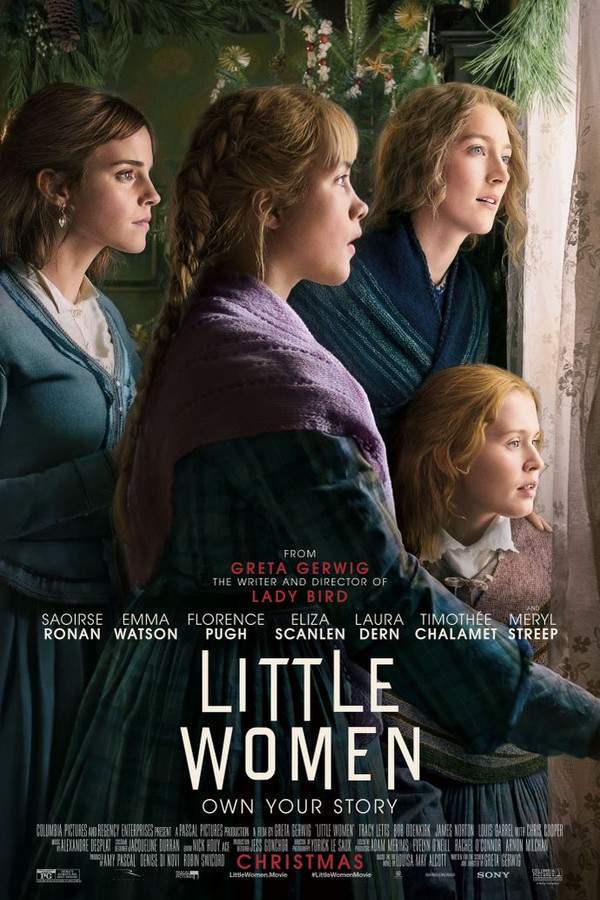
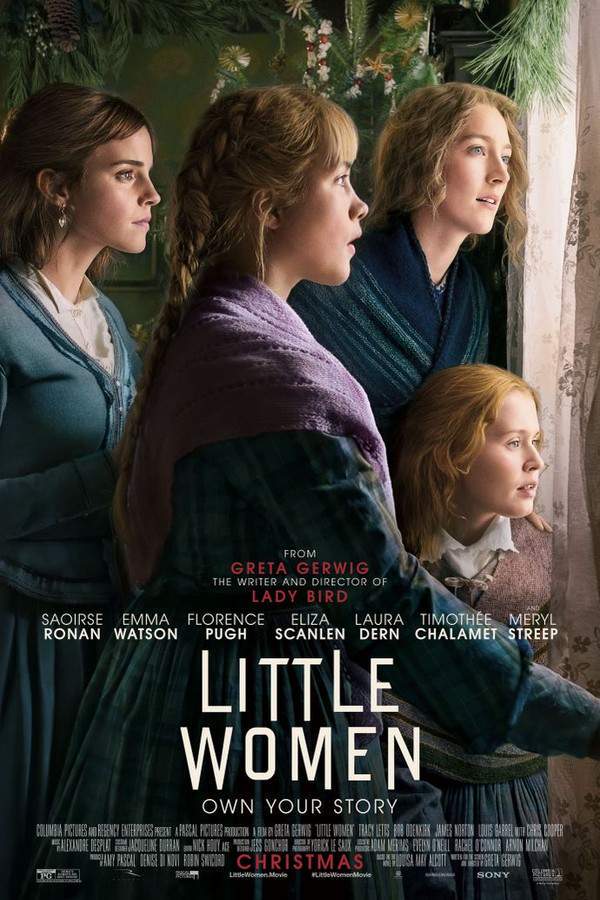
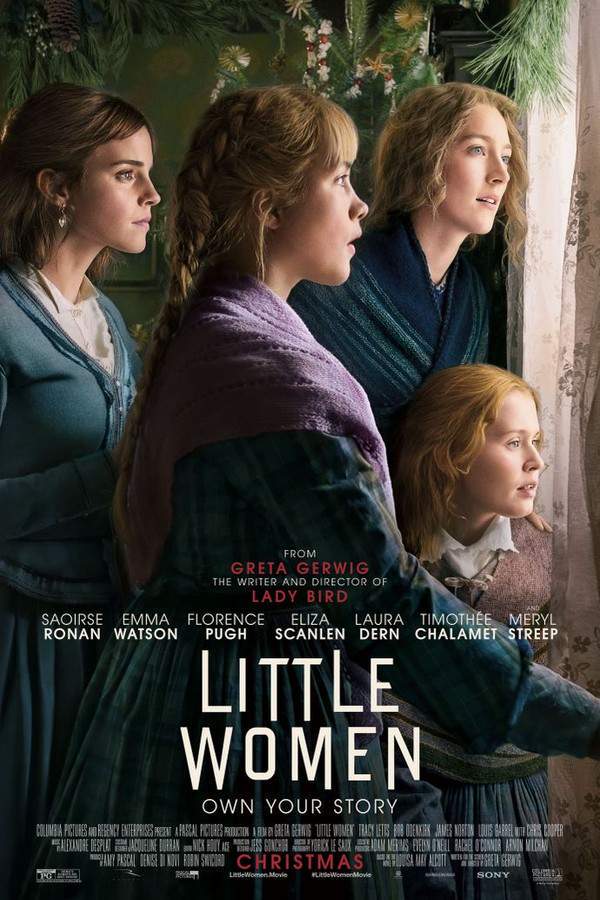
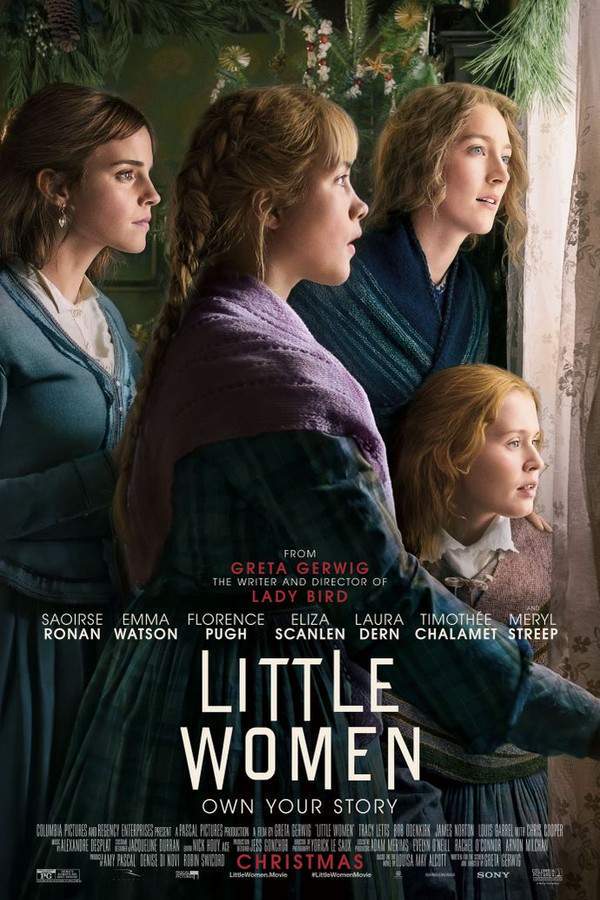
Little Women (2018) movie poster

Plot Summary

Little Women (2018) Plot Summary & Ending Explained

Release, runtime and language
2018 · 112 min · English
Echo score 60
JustWatch #1,190 18
Directed by
Clare Niederpruem
Starring
Lea Thompson, Taylor Ashley Murphy, Joel Michaely, Melanie Stone, Ian Bohen, Bart Johnson
Budget
$40M

During the American Civil War, the four March sisters—Jo, Meg, Beth, and Amy—experience both hardship and joy. Their father is away serving as a chaplain, and the sisters grapple with poverty, societal expectations, and the pursuit of their individual dreams. Meg longs for marriage and a comfortable home, while Jo aspires to be a writer, Beth finds solace in music, and Amy seeks artistic recognition. Their strong familial bond helps them navigate these challenges and discover their own paths to happiness and fulfillment.

On this page (8)
  1. 1 Where to watch
  2. 2 What happens: full plot
  3. 3 Plot questions answered
  4. 4 How it ends
  5. 5 The book behind the movie
  6. 6 Movie threads
  7. 7 Movies like Little Women
  8. 8 Every angle

Where to watch

Where to Watch Little Women (2018)

Where can you watch Little Women? Stream, rent or buy it in the US, including on Hulu, YouTube TV and Amazon Video: current JustWatch availability with up-to-date prices.

Streaming availability powered by JustWatch

Full plot summary · contains spoilers

What Happens in Little Women: Full Plot Summary

The whole story of Little Women (2018) explained, from the opening scene to the final frame: every key event, every twist and what it all adds up to. Read it as a quick recap before the sequel, to check a scene you missed, or to finally understand what really happened.

The story of this cinematic treasure weaves through time, contrasting the vibrant youth of the March sisters with their more seasoned selves. It begins when Jo unexpectedly encounters the mysterious Mr. Dashwood, setting off a series of events that deftly navigate between different timelines.

Set against the backdrop of the American Civil War, the four March sisters—Meg, Jo, Amy, and Beth—live with their caring mother, Marmee, in a modest home in Massachusetts while their father is on the battlefield. The financial strain on the family is palpable, especially during the festive season. On Christmas morning, buoyed by excitement for a special meal, their spirits are dampened by Marmee's selfless desire for them to donate their holiday feast to the needy Hummel family, who live nearby. Their noble act catches the eye of their affluent neighbor, Laurie, a dashing young man who resides with his wealthy grandfather, Mr. Laurence.

As the Christmas festivities unfold, Meg and Jo attend a lavish party where they meet Laurie. Despite their shared skepticism towards the event's superficiality, they find comfort in one another and sneak outside to dance beneath the stars—only to have their fun interrupted when Meg twists her ankle.

Jo’s journey further intertwines with that of her reclusive Aunt March, Aunt March, who wishes for Jo to embody a genteel persona and hints at the prospect of a life-altering European trip, igniting Jo’s dreams of becoming a published author.

As the March family grows closer to the Laurences, Mr. Laurence shows special affection for the sweet-natured Beth, resembling his lost daughter. He offers her the chance to visit his luxurious home, granting her the joy of music and a warm bond built on kindness.

One evening, during a trip with Laurie and his tutor, John Brooke to enjoy a play, tensions rise between Jo and Amy when Amy is denied permission to join. In a moment of childish spite, Amy retaliates by destroying Jo's writings, causing deep rifts within their sisterly bond. Despite apologies, Jo finds it hard to mend their relationship.

The next day, Jo and Laurie enjoy ice skating, inadvertently ignoring Amy's attempts to join them, which nearly leads to disaster when she falls through the ice. Their girls' tension is diminished in the wake of danger, as they come together to rescue Amy, expressing their love and concern.

Meanwhile, Meg's ambitions to impress suitors at a glamorous event create trouble when Laurie critiques her attempts as vain, leaving her feeling invalidated. Yet, later, he acknowledges his harshness, realizing his mistake.

As Christmas and joyous times come, Beth receives a gift in the form of a piano from Mr. Laurence, which delights her gentle spirit, while Marmee receives troubling news regarding Mr. March's health, sending her off to help him, leaving Jo to be the pillar of strength in her absence.

Jo's selfless act of cutting her hair to fund Marmee's journey exemplifies her commitment to family, all while John Brook assumes the role of her mother's protector during this challenging journey.

However, hope quickly gives way to distress as Beth contracts scarlet fever. While Jo and Meg's attempts to care for her take center stage, the family’s love shines during this hardship. When Beth’s condition worsens, Laurie's devotion to the family makes a fierce return as he helps them cope.

As the seasons change, the dynamics between Jo and Laurie shift, culminating in a heart-wrenching turn when Laurie declares his love—and Jo rebuffs him, leading him to confusion and despair as he begins to lose hope in their future.

Meanwhile, Jo throws herself into writing, receiving both praise and critique from her editor, Mr. Dashwood, instigating a struggle for her creative integrity when a kindred spirit, Professor Friedrich Bhaer, challenges her work.

In Paris, as Amy dives into her artistic passions, a surprise meeting with Laurie complicates emotional ties. The past bonds them, and yet their interactions seem to fray as they confront their mutual feelings for one another.

As the tides of family duty, ambition, and love collide, tragedy strikes when Beth peacefully passes, leaving the family shattered and fighting to cope with their grief. Jo, struggling with her emotions towards Laurie, must navigate her own frustrations between love and loyalty as memories of her sister haunt her.

After the bereavement, surprising truths unveil themselves, guiding Jo on a poignant path toward self-discovery, culminating in her realization of the value of her dreams over societal expectations.

Ultimately, Jo’s determination and resilience pave the way for her literary aspirations. The climax brings emotional reconciliations amid joyous beginnings as she unravels new love stories and familial relationships, binding the March family even tighter as they gather to celebrate life’s peaks and valleys.

With visions of a new chapter and hope soaring higher amidst love's unexpected turns, the March sisters learn that connections forged in heartache are what matter most, as they embrace their future filled with potential and untold stories.
Last updated: November 17, 2024 at 13:59

Was this helpful?

Plot questions answered

Little Women Plot Explained: Your Questions Answered

The questions people ask most about Little Women (2018): what happens in the confusing scenes, why the characters do what they do, the twists, hidden details and what the ending means. Each answer contains spoilers.

Q1

Why does Jo reject Laurie's marriage proposal?

Jo rejects Laurie because she genuinely does not love him in a romantic way. She values their friendship deeply but feels no romantic attraction toward him. Additionally, Jo is focused on her writing career and fears that marriage would trap her in the domestic life she has always resisted. Her rejection reflects her independent spirit and commitment to her dreams rather than any flaw in Laurie himself.

Foreshadowing: Earlier scenes show Jo expressing discomfort with traditional feminine expectations, hinting at her reluctance to conform to societal roles.

  • jo march
  • laurie
  • marriage proposal
  • rejection
  • love
Q2

Why does Jo cut her hair to raise money?

Jo cuts her long hair after learning that her father is ill and Marmee needs money to travel to him. Knowing the family has no other resources, Jo sacrifices her most feminine feature, her beautiful hair, which Aunt March had previously admired, to raise funds for her mother's journey. This act demonstrates Jo's willingness to put family needs above her own vanity and societal expectations.

Foreshadowing: Earlier, Aunt March comments on Jo's hair and suggests she could be beautiful if she tried, making the sacrifice more poignant.

  • jo march
  • haircut
  • sacrifice
  • marmee
  • father illness
Q3

Why does Amy destroy Jo's writings?

Amy destroys Jo's manuscript because she is angry and jealous after being left behind when Jo, Meg, and Laurie go to see a play. When Jo refuses to let Amy join them, Amy retaliates by burning what she knows is most precious to Jo, her stories. This act of sibling revenge creates a deep rift between the sisters that takes time to heal.
Foreshadowing: Earlier tension between the sisters is shown through their competing desires and Jo's frequent dismissiveness toward Amy.

  • amy march
  • jo march
  • manuscript
  • burning
  • sibling fight
Q4

What causes Beth to become ill?

Beth contracts scarlet fever, likely from exposure when Marmee visits the poor Hummel family during the holiday season. The illness progresses seriously, weakening her already fragile health. The family's poverty and limited medical resources make her recovery especially difficult, and despite their loving care, Beth's condition ultimately proves fatal.

Foreshadowing: The family's proximity to the less fortunate Hummels and Marmee's charitable visits establish the health risk early in the story.

  • beth march
  • scarlet fever
  • illness
  • death
Q5

Does Beth die in the story?

Yes, Beth dies peacefully from her prolonged illness. Her death devastates the March family, particularly Jo, who struggles with grief and guilt. Beth's passing marks a turning point in the story, forcing each sister to confront mortality and reevaluate their priorities. Her gentle spirit and musical gifts are remembered fondly throughout the family's continued journey.

Foreshadowing: Beth's delicate health and emotional sensitivity are established early, with Mr. Laurence comparing her to his lost daughter.

  • beth march
  • death
  • passing
  • family loss
Q6

How does Jo become a published author?

Jo pursues writing as both a personal passion and practical skill, submitting her stories to publishers. She encounters Mr. Dashwood, an editor who gives her mixed feedback, praising her talent but criticizing her work's commercial viability. Through perseverance and guidance from Professor Friedrich Bhaer, who challenges her to write with more depth and authenticity, Jo eventually succeeds in getting her work published, achieving her lifelong dream.

Foreshadowing: Jo's love of writing is established early when Amy destroys her precious manuscripts, showing how deeply she cares about her craft.

  • jo march
  • writing
  • publishing
  • mr dashwood
  • professor bhaer
Q7

Why does Marmee leave the family?

Marmee travels to Washington D.C. to care for Mr. March, who has become seriously ill while serving as a chaplain during the Civil War. The family is devastated by this separation, and Jo must step up as the responsible elder sibling during her mother's absence. This period forces the sisters to rely on each other and demonstrates their resilience.

Foreshadowing: Earlier, the family receives increasingly concerning news about Mr. March's health, building tension toward this departure.

  • marmee
  • mrs march
  • father illness
  • washington
  • separation
Q8

What happens between Laurie and Amy in Europe?

After Jo rejects him, Laurie travels to Europe to recover from his heartbreak. While there, he encounters Amy, who is in Europe pursuing her art studies. Their time together in Paris allows their relationship to develop romantically, contrasting with Jo's rejection. Amy ultimately marries Laurie, a resolution that Jo comes to accept and even encourages.

Foreshadowing: Laurie's heartbreak after Jo's rejection sets the stage for his departure and eventual bond with Amy.

  • laurie
  • amy march
  • europe
  • paris
  • marriage
Q9

Why does Mr. Laurence give Beth a piano?

Mr. Laurence becomes especially fond of Beth because she reminds him of his own daughter who died. Seeing Beth's gentle nature and love for music, he generously gives her the piano from his home, allowing her to pursue her musical talents. This act establishes a meaningful connection between the Laurence and March families and brings joy to Beth's life.

Foreshadowing: Mr. Laurence's loss of his daughter is revealed when he first takes an interest in Beth, setting up the piano gift.

  • mr laurence
  • beth march
  • piano
  • kindness
  • adoption
Q10

Why do Jo and Amy have conflict throughout the story?

Jo and Amy clash repeatedly because they have fundamentally different personalities and ambitions. Jo is tomboyish, independent, and focused on writing, while Amy is more traditionally feminine, ambitious for social standing, and interested in art. Their rivalry intensifies when Amy burns Jo's manuscripts and when Jo excludes her from activities. However, their relationship improves after the ice skating incident when they must rely on each other, and eventually, Amy becomes the sister who supports Jo's dreams.

Foreshadowing: Early scenes show their competing interests and Amy's jealousy of Jo's relationship with Laurie.

  • jo march
  • amy march
  • sisters
  • rivalry
  • conflict

Ending explained

What Happens at the End of Little Women?

How Little Women (2018) ends, in short: the final scene, the last twist and what it means for the characters. The full ending explained, with every spoiler, lives on its own page.

Read the full ending explained

At the end of Greta Gerwig’s Little Women, the film cuts between the joyful scenes of Jo’s family celebration and the process of her first book being physically bound and prepared for publication—though this moment isn’t actually part of the original story, but a reflection of Louisa May Alcott’s real-life experiences. This blending of fiction and reality introduces a meta-narrative that elevates the film beyond a simple retelling. Throughout the movie, Jo struggles to assert her independence in her career, negotiating with a publisher and ultimately securing better terms for her work. Her success is depicted as an act of creative and personal agency, emphasizing the film’s central theme: women owning their stories and their futures.

In the final scenes, Jo’s victorious publication process overlaps with her personal life, including her engagement to Professor Bhaer. But the meta-narrative raises the question of whether the romantic scene, resembling her ideal ending, is a real moment or a fabricated fantasy that Jo imagines to satisfy her publisher—mirroring Alcott’s own life, where she married later as a spinster and negotiated her story in her own terms. The film leaves this ambiguous, prompting viewers to consider if Jo’s love story and her evolution as a writer are genuine or constructed. Ultimately, Gerwig’s ending celebrates the idea that women can craft their own stories—both in fiction and in life—and that the act of storytelling itself is a form of independence.

Continue reading the ending (1 more paragraphs)

By blending the fictional narrative with Alcott’s real-life journey and adding this meta-layer, Gerwig highlights the importance of women’s authorship and autonomy. The final shot, with Jo watching her book come to life, encapsulates the triumph of creative self-determination. It suggests that whether her marriage to Bhaer was an actual event or a narrative device, the true victory lies in Jo’s assertion of agency over her story. This innovative and nuanced ending underscores the enduring power of storytelling as a tool for women to define themselves and their worlds, making Gerwig’s adaptation both a tribute to Alcott and a statement about women’s independence today.

Little Women ending explained in full

Movie threads

More Movies Like Little Women, by Mood & Story

Curated lists built around what makes Little Women tick: the same mood, the same kind of story or the same emotional payoff. Each list explains why these movies belong together.

Bittersweet Coming-of-Age Movies like Little Women

Stories where youthful ambition and joy are tempered by loss and life's inevitable changes. Explore movies like 'Little Women' that capture the bittersweet journey of growing up. These films feature hopeful characters navigating ambition, family bonds, and life's challenges, blending heartfelt joy with the poignant weight of change and loss for a deeply affecting experience.

  • bittersweet
  • nostalgic
  • heartfelt
  • melancholic
  • hopeful
  • inspiring
  • Tone: bittersweet, hopeful, melancholic
  • Pacing: steady, character-driven
Why these movies?

The story pattern: Narratives in this thread typically follow an ensemble or a central protagonist through formative years, focusing on personal ambitions clashing with societal or familial expectations. The journey is marked by both achievement and sacrifice, with emotional climaxes often stemming from loss, unrequited love, or the painful but necessary process of leaving childhood behind.

Why they belong together: Movies are grouped here for their shared ability to evoke a specific bittersweet nostalgia. They share a moderate emotional weight, a steady, character-focused pace, and a tone that expertly blends hopefulness with melancholy, resulting in stories that feel both uplifting and authentically somber.

Heartfelt Family Drama Movies like Little Women

Intimate stories focusing on the enduring bonds and gentle conflicts within a family. Find more heartfelt family dramas similar to 'Little Women'. These movies focus on the complex bonds between siblings and parents, exploring themes of love, duty, and individual growth within the family structure, often set against a historical backdrop.

  • familial
  • heartfelt
  • nostalgic
  • hopeful
  • inspiring
  • domestic
  • Tone: heartfelt, hopeful, nostalgic
  • Pacing: steady, linear progression
Why these movies?

The story pattern: The narrative pattern revolves around multiple character arcs within a single family, often set against a specific time period. Conflicts are internal and relational, stemming from differing aspirations, financial strains, or illness. The story's heart lies in quiet moments of connection and resilience, building towards an ending that reaffirms the family's strength.

Why they belong together: These films are connected by their primary focus on family bonds as the central narrative force. They share a heartfelt and hopeful mood, a steady pacing that allows for character immersion, and a medium intensity that makes them engaging without being overwhelming. The setting is often a key part of the world-building.

If you liked this

Movies Like Little Women

Similar movies to Little Women: the same genre, themes or kind of story. Each one comes with its own plot summary, timeline and ending explained.

Browse all movie summaries

Every angle

Little Women (2018) Explained: Plot, Ending, Timeline & Characters

Everything about Little Women in one place: what happens in the plot summary, the timeline in chronological order, the characters and meaning, the ending explained and a spoiler-free summary. What's After the Movie adds the cast, box office and post-credit scenes.

Coming soon on iOS and Android

The Plot Explained Movie Summary App

Plot summaries, endings explained and timelines on your phone. Catch up on any movie in minutes, save your favorites and never miss a twist again.

Be the first to know when we launch. Your email stays private, always.

Learn more about the app