Plot Explained Spoilers guaranteed!
Plot Explained

Browse by genre

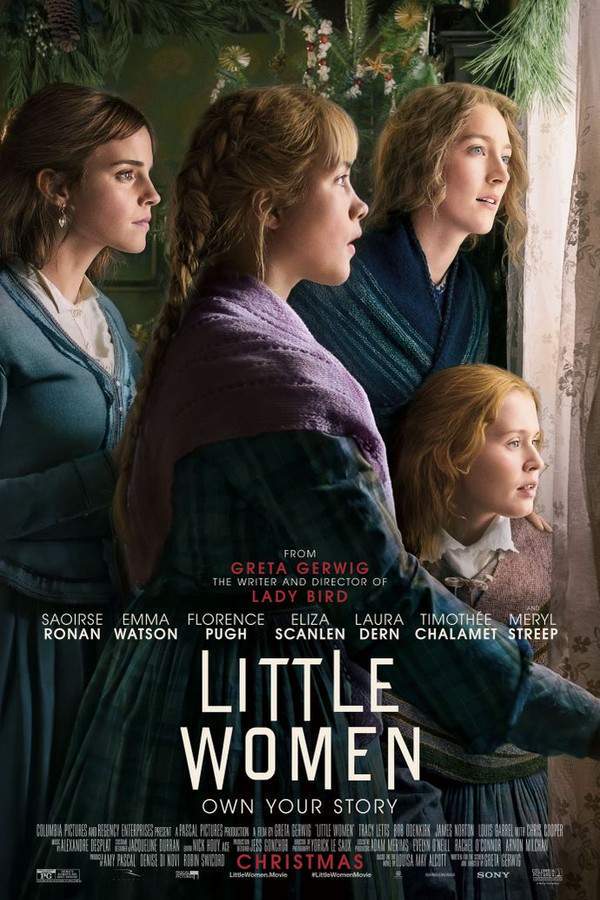
Little Women (1994) movie poster

Plot Summary

Little Women (1994) Plot Summary Explained

Release, runtime and language
1994 · 115 min · English
Directed by
Gillian Armstrong
Starring
Kirsten Dunst, Winona Ryder, Susan Sarandon, Claire Danes
Budget
$18M

During the American Civil War, the lives of the four March sisters – strong-willed Jo, romantic Meg, kind Beth, and artistic Amy – unfold. While their father serves in the war, the sisters, guided by their mother Marmee, experience the joys and challenges of growing up. Each sister grapples with independence, love, and finding their place in a society that values different qualities in women, all while forging a lasting bond of sisterhood.

On this page (7)
  1. 1 Where to watch
  2. 2 What happens: full plot
  3. 3 Plot questions answered
  4. 4 The book behind the movie
  5. 5 Movie threads
  6. 6 Movies like Little Women
  7. 7 Every angle

Where to watch

Where to Watch Little Women (1994)

Where can you watch Little Women? Stream, rent or buy it in the US, including on Amazon Video, Apple TV Store and Fandango At Home: current JustWatch availability with up-to-date prices.

Streaming availability powered by JustWatch

Full plot summary · contains spoilers

What Happens in Little Women: Full Plot Summary

The whole story of Little Women (1994) explained, from the opening scene to the final frame: every key event, every twist and what it all adds up to. Read it as a quick recap before the sequel, to check a scene you missed, or to finally understand what really happened.

The March sisters find themselves in a state of uncertainty as they face a rather bleak Christmas without their father, who is serving as a chaplain during the Civil War. Their mother, affectionately known as Marmee, bears the weight of supporting the family while trying to keep their spirits high. The two eldest sisters, Meg March and Jo March, have taken on jobs to contribute; Meg works as a governess, while Jo finds herself employed as a companion to their wealthy relative, Aunt March. The younger sisters, Beth March and Amy March, navigate their own challenges, with shy Beth being homeschooled and Aspiring artist Amy attending a strict school.

Christmas morning dawns with the sisters yearning for a festive breakfast, yet a surprise awaits them. Marmee informs them that she is aiding a poor family with several children, prompting the March sisters to selflessly decide to share their breakfast with those in need. As they set out, they catch the eye of their affluent neighbor, Mr. Laurence, and his charming grandson, Laurie. Though initially strangers, Jo, in her characteristic boldness, impulsively waves at them, prompting Mr. Laurence to reminisce, noting that the Marches were "once one of our first families."

As the story unfolds, Jo and Laurie develop a profound friendship that blossoms into a sibling-like bond. They connect through their mutual love for the arts, participating in Jo's amateur theatricals, which fuel her dreams of becoming a writer. Jo finds solace in her attic studio, where she immerses herself in her stories. However, both Amy March and Beth March grapple with personal struggles. Amy's frustration with her strict teacher leads her to stay home, while Beth's shyness keeps her from the bustling school environment.

As the family faces the harsh reality of their financial constraints, Meg's sense of class disparity becomes evident during a visit to the Gardiners’ lavish home. Caught between her desire for material wealth and her mother's insistence on marrying for love, Meg finds herself in an emotional turmoil when Laurie, after seeing her transformed by the Gardiners, produces mixed feelings during an evening out, revealing the complexities of social standing.

Meanwhile, sibling rivalries arise as Amy feels overshadowed by her two older sisters. A heartbreaking incident causes Jo and Amy's bond to fracture, leading Jo to this painful realization only after nearly losing her sister to a disastrous skate on the ice. This drama heightens as an urgent telegram from the army arrives, announcing Mr. March’s severe illness, compelling Marmee to rush to his side. Faced with her aunt's unyielding criticism for needing financial help, Jo makes the painful decision to sell her hair to fund the journey.

As the narrative progresses, tragedy strikes when Beth contracts scarlet fever, placing immense stress on the family. While the warmth of Mr. Laurence helps support them through this trying time, it becomes evident that Beth’s health is tragically compromised forever. As if to contrast their escalating troubles, Meg announces her engagement to John Brooke, which ushers in a whirlwind of emotions and eventual wedding festivities. However, joy is shadowed by the lingering worry for Beth’s condition.

In contrast to her sisters, Jo ventures into the world seeking independence through her writing, landing a position as a governess in New York City. Here, she meets the esteemed professor, Fritz Bhaer, who challenges her writing ambitions and opens her eyes to deeper artistry. As complications arise with her family, especially following Beth’s passing, Jo finds herself reflecting upon lost opportunities and uncharted dreams.

In a twist of fate, while Amy blossoms in Europe amidst an unexpected romance with Laurie, Jo realizes her regret over declining Laurie's proposal. Through personal growth and heartache, Jo endeavors to pen a novel inspired by her experiences, ultimately entitled "My Beth." However, when Laurie returns, she is met with the shocking news of his marriage to Amy, turning her world upside down.

As the series of events unfurls, the legacy of the March family remains poignant, underlined by love, loss, and the unbreakable bonds of sisterhood. In the end, with Aunt March's death, Jo inherits her estate and decides to establish a school for orphans, channeling her sorrow into a noble cause. Finally, the story finds its resolution with Jo’s unexpected proposal from Professor Bhaer, which she joyfully accepts, culminating in a fulfilling embrace under the rain—an emblem of hope and new beginnings for the March family.

Last updated: January 14, 2025 at 19:25

Was this helpful?

Plot questions answered

Little Women Plot Explained: Your Questions Answered

The questions people ask most about Little Women (1994): what happens in the confusing scenes, why the characters do what they do, the twists, hidden details and what the ending means. Each answer contains spoilers.

Q1

Why did Jo sell her hair?

Jo sold her hair to afford train fare when her father Mr. March became gravely ill during the Civil War. Aunt March refused to lend Marmee the money needed for the journey, so Jo made the painful sacrifice of cutting and selling her long hair to be with her father. This act demonstrates Jo's unwavering devotion to her family and her willingness to give up something precious for those she loves.

Foreshadowing: Earlier, Jo is shown working as a companion to Aunt March to help support the family, establishing her willingness to sacrifice for financial stability.

  • jo march
  • sacrifice
  • hair
  • father illness
  • american civil war
Q2

Why did Jo decline Laurie's proposal?

Jo declined Laurie's marriage proposal because she felt she wasn't ready for marriage and wanted to pursue her dream of becoming a writer first. She saw Laurie as a brother figure rather than a romantic partner and believed she needed to experience life and independence before settling down. This decision led Laurie to travel to Europe, where his relationship with Amy eventually developed.

Foreshadowing: Their relationship is characterized as sibling-like throughout, with Jo describing him as a brother rather than a potential husband.

  • jo march
  • laurie
  • proposal
  • rejection
  • writing career
Q3

Why did Amy burn Jo's writings?

Amy burned Jo's manuscripts out of jealousy and resentment. She felt overshadowed by her older sisters, Jo's artistic talents and Laurie's close friendship with Jo, and wanted to hurt Jo the way she felt hurt. This act of vandalism occurred during a moment of intense sibling rivalry, culminating in Amy falling through ice while skating, which prompted Jo's immediate forgiveness and regret over their fight.

Foreshadowing: Amy consistently expresses frustration throughout the story about not being as appreciated as her sisters, particularly Jo.

  • amy march
  • jo march
  • jealousy
  • writings
  • sibling rivalry
Q4

Why did Beth get so sick?

Beth contracted scarlet fever while Marmee was away caring for Mr. March. The illness left Beth with permanently compromised health, and she never fully recovered. The March sisters had to care for her during her illness, with support from Mr. Laurence, but Beth's fragility continued throughout the story until her eventual death.

  • beth march
  • scarlet fever
  • illness
  • family health
Q5

Why did Laurie end up marrying Amy instead of Jo?

After Jo rejected his marriage proposal, Laurie traveled to Europe to recover from his heartbreak. While in Europe, he encountered Amy, who was also there pursuing her artistic education. Their shared time and mature perspectives led them to develop a romantic relationship, culminating in their marriage. Jo eventually came to accept their union and found happiness with Professor Bhaer instead.

Foreshadowing: Laurie's trip to Europe was directly prompted by Jo's rejection, and Amy's presence there created opportunity for their relationship to develop.

  • laurie
  • amy march
  • marriage
  • europe
  • jo rejection
Q6

Why did Meg decide to marry John Brooke despite class differences?

Meg chose to marry John Brooke because she prioritized love over material wealth, following her mother Marmee's advice. Despite experiencing class disparity during her visit to the wealthier Gardiners and feeling tempted by luxury, Meg ultimately decided that emotional connection and compatibility mattered more than social standing. Their relationship developed over time, culminating in marriage three years after their engagement.

Foreshadowing: Meg's conflicted feelings during the Gardiners' visit set up her ultimate choice to value love over material security.

  • meg march
  • john brooke
  • marriage
  • class
  • different social status
Q7

What was Jo's novel about?

Jo's successful novel was titled "My Beth" and was inspired by her experiences with her sister Beth. After Beth's death, Jo channeled her grief into her writing, creating a deeply personal work dedicated to Beth's memory. Professor Bhaer's earlier guidance about writing with quality rather than simply for money helped shape Jo's approach to the work that eventually found publication success.

Foreshadowing: Jo's earlier amateur theatricals and attic writing sessions established her passion for storytelling from a young age.

  • jo march
  • novel
  • my beth
  • publication
  • writing success
Q8

Why did Jo decide to establish a school for orphans?

Jo decided to establish the school after inheriting Aunt March's estate following her death. Rather than using the inheritance for personal gain, Jo channeled her grief from losing Beth into creating something meaningful, providing education and a home for orphaned children. This decision reflected Jo's growth from seeking personal fame to wanting to make a positive difference in the world.

  • jo march
  • school
  • orphans
  • inheritance
  • aunt march
  • philanthropy
Q9

How did Jo meet Professor Bhaer and fall in love?

Jo met Professor Bhaer when she took a governess position in New York City to pursue independence. He was a kind but critical professor who challenged Jo's writing, pushing her to improve her artistry rather than simply write for money. Their relationship developed through intellectual discussions and mutual respect, eventually leading to his unexpected marriage proposal, which Jo joyfully accepted.

  • professor bhaer
  • jo march
  • new york
  • governess
  • romance
Q10

What caused the rift between Jo and Laurie after she rejected him?

The rejection caused a deep rift because Laurie was genuinely in love with Jo and had expected their relationship to naturally progress toward marriage. When Jo declined, the rejection hit him hard, and he chose to leave for Europe to escape his heartbreak. Their relationship remained strained until Laurie returned married to Amy, though Jo eventually found peace with their changed dynamic.

Foreshadowing: Their walk after Meg's wedding where Laurie proposed was a clear turning point that altered their relationship permanently.

  • laurie
  • jo march
  • heartbreak
  • rejection
  • europe trip
Q11

Why was Marmee reluctant to ask Aunt March for financial help?

Marmee was reluctant to ask Aunt March for help because Aunt March was notoriously stingy and judgmental, often criticizing the March family for their poverty. When Marmee finally approached her about money for Mr. March's illness, Aunt March's refusal and criticism prompted Jo to take matters into her own hands by selling her hair. This reflected the family's pride and the strain of their financial circumstances.

  • marmee
  • aunt march
  • money
  • financial struggle
  • pride
Q12

Why was Amy initially going to marry Fred Vaughn in Europe?

Amy initially planned to marry Fred Vaughn because he represented security and the lifestyle she had worked toward, marriage to a wealthy man. However, when Laurie unexpectedly arrived in Europe, her feelings for him resurfaced, leading her to break off her engagement with Fred. This choice reflected Amy's growth in understanding what she truly valued versus what she thought she wanted.

Foreshadowing: Amy's earlier concerns about social status and marriage were established during Meg's visit to the Gardiners.

  • amy march
  • fred vaughn
  • laurie
  • europe
  • marriage prospects

Movie threads

More Movies Like Little Women, by Mood & Story

Curated lists built around what makes Little Women tick: the same mood, the same kind of story or the same emotional payoff. Each list explains why these movies belong together.

Bittersweet Coming-of-Age Stories like Little Women

Stories where the journey into adulthood is marked by both profound joy and poignant loss. If you liked the emotionally rich journey of the March sisters in Little Women, explore more movies like it. This collection features heartfelt dramas about growing up, where characters navigate the bittersweet mix of joy, ambition, love, and loss that defines the path to adulthood.

  • bittersweet
  • nostalgic
  • heartfelt
  • melancholic
  • hopeful
  • reflective
  • Tone: bittersweet, heartfelt, melancholic
  • Pacing: steady, character-driven
Why these movies?

The story pattern: These narratives typically follow an ensemble or a central character over a significant period, often chronologically. They focus on key life milestones—first love, career choices, family crises—that shape identity. The central conflict often arises from the tension between personal desires and familial or societal expectations, leading to a conclusion that is fulfilling yet touched by melancholy.

Why they belong together: Movies are grouped here for their shared focus on the poignant, mixed emotions of maturation. They exhibit a similar tone—balancing warmth and hope with a palpable sense of loss—and a steady pacing that allows for deep emotional investment in character arcs.

Warm Family Life Dramas like Little Women

Intimate stories centered on the bonds, conflicts, and quiet triumphs within a family. For viewers who enjoyed the domestic focus and sisterly bonds in Little Women, this list highlights similar movies about family life. Find stories that capture the cozy, heartfelt, and sometimes challenging dynamics of a family navigating life's changes together.

  • domestic
  • heartfelt
  • warm
  • nostalgic
  • cozy
  • family-focused
  • Tone: warm, heartfelt, reflective
  • Pacing: steady, episodic
Why these movies?

The story pattern: The plot is often episodic, built around a series of significant life events—holidays, illnesses, marriages, personal achievements—that test and ultimately strengthen familial bonds. The primary drama comes from internal relationships and personal growth rather than external, high-stakes threats. The narrative structure feels organic and lived-in.

Why they belong together: This thread groups films that share a specific mood: a warm, domestic, and heartfelt core. They prioritize the exploration of family dynamics above all else, featuring a steady pace and medium emotional intensity that allows for deep immersion into the characters' world.

If you liked this

Movies Like Little Women

Similar movies to Little Women: the same genre, themes or kind of story. Each one comes with its own plot summary, timeline and ending explained.

Browse all movie summaries

Every angle

Little Women (1994) Explained: Plot, Timeline & Characters

Everything about Little Women in one place: what happens in the plot summary, the timeline in chronological order, the characters and meaning and a spoiler-free summary. What's After the Movie adds the cast, box office and post-credit scenes.

Coming soon on iOS and Android

The Plot Explained Movie Summary App

Plot summaries, endings explained and timelines on your phone. Catch up on any movie in minutes, save your favorites and never miss a twist again.

Be the first to know when we launch. Your email stays private, always.

Learn more about the app