When Batman and his team receive puzzling invitations, suspicion falls on everyone. But a greater threat emerges as the villainous Red Hood targets the entire Bat-family and aims to dismantle everything they’ve built in Gotham City. Batgirl and Robin must stand alongside Batman to protect their legacy and confront this dangerous adversary.
Find where to stream, rent, or buy LEGO DC Batman: Family Matters (2019) in the US with current JustWatch availability, up-to-date pricing, and platform listings for subscription, rental, and digital purchase options.
Warning: spoilers below!
Haven’t seen LEGO DC Batman: Family Matters yet? This summary contains major spoilers. Bookmark the page, watch the movie, and come back for the full breakdown. If you're ready, scroll on and relive the story!
Read the complete plot breakdown of LEGO DC Batman: Family Matters (2019), including all key story events, major twists, and the ending explained in detail. Discover what really happened, and what it all means.
Bruce Wayne / Batman, Troy Baker, returns from a recent showdown with Solomon Grundy, and the city’s shadows feel just a bit quieter for the moment. Back at Wayne Enterprises, a buzz builds around a bold new AI project named Brother Eye, pitched as a gateway to smarter security and a fleet of OMAC drones designed to handle tedious tasks and keep Gotham’s protectors free for bigger threats. The project promises efficiency and precision, and for a heartbeat, Bruce entertains the possibility that technology could become a steadfast ally in keeping the city safe. Yet even as employees debate the balance between automation and oversight, Bruce can’t shake the nagging sense that power in the wrong hands could drift into the wrong city. The idea excites him, then unsettles him, and by the time he heads home, the ever-present question remains: should a vigilante trust a machine to do what he does best?
That question lands with a sting when Harvey Dent, better known as Two-Face, uncovers Bruce’s interest in stepping back from the cape-and-cower life and selling Wayne Enterprises. Christian Lanz plays the scarred former ally who sees an opening for revenge and for reputation, and he allies with Red Hood, Jason Spisak, to force Batman back into the spotlight on their own terms. The plan is simple on the surface—erode Batman’s influence, tighten Two-Face’s grip on Gotham, and prove that power truly belongs to those who seize it. But as the duo moves to make their point, the city’s vigilante family begins to sense something bigger looming, something that looms in the alleys and across the rooftops.
The Bat-Family answers a mysterious summons and converges in an alley, each member ready to play their part. Bruce agrees to the gathering, and Damian Wayne / Robin, Scott Menville, steps in beside Nightwing Will Friedle, Batgirl Alyson Stoner, and Batwoman Tara Strong. The meeting feels tense but charged with a shared purpose: to confront Red Hood’s return and the threat he’s weaponizing with bombs planted around Gotham. The team moves quickly, coordinating strikes against Red Hood’s robot minions and picking apart the enigma of who among them might be watching their every move. Red Hood’s ruthless resolve becomes clear when he reveals that he knows the Bat-Family’s secret identities, and the bombs are scattered across the city in a deadly puzzle that must be solved before Gotham is torn apart.
As the dust settles from the initial skirmishes, the bomb threats push the Bat-Family into separate, high-stakes missions. Batwoman disarms a device at the GCPD, confronting the monstrous Killer Croc along the way, a confrontation that strains her nerve and tests her training. For this sequence, Killer Croc’s presence is brought to life by Nolan North. Batgirl heads to the Fairgrounds, where a bomb lies guarded by Scarecrow’s fear-inducing schemes. Meanwhile, Nightwing and Robin square off against Penguin and The Riddler in a tense clash at a railway yard. Each victory—and each close call—signals a deeper truth: Red Hood isn’t just fighting Batman; he’s dissecting the city’s trust in its protectors. Yet the bombs themselves still threaten to trigger catastrophe, with Red Hood orchestrating the peril and the Bat-Family scrambling to disarm them before the clock runs out.
The trail leads Batman to the Monarch Theater, where he encounters Billy Batson, a resourceful orphan who dreams of lifting the weight of his world off the boy’s shoulders. The moment is bittersweet: Billy’s wish is noble, but the timing couldn’t be worse, as Two-Face bursts onto the scene and reveals the fourth bomb. Batman fights Two-Face in a tense misdirection-filled confrontation, and Billy, guided by a mysterious, almost spectral voice, manages to disarm the device just in time. Two-Face’s defeat is pyrrhic—he escapes, leaving Batman and the rest of the Bat-Family to regroup as Red Hood issues a blunt instruction: return to the Batcave.
Back at the Batcave, Batman confronts the hardest truth behind the night’s chaos: Red Hood is his former protégé Jason Todd, a revelation that lands with a sting and a heavy, honest apology. Batman admits he lost track of Jason after the boy believed he wasn’t cared for, and he reveals the attempts to reconnect that never found their mark. Jason accepts the apology, and, in a measure of trust rebuilt, reveals that the bombs were harmless after all. Yet the moment is short-lived, because Two-Face—now claiming Wayne Enterprises as his own—broadcasts a new threat: Brother Eye has the city in a lethal grip, and Gotham’s fate hinges on Batman answering the call. Two-Face’s ultimatum is blunt and chilling, demanding Batman appear to address him directly, or risk seeing the city destabilized by the drones.
With the danger escalating, Batman and Red Hood brace for a citywide onslaught. The Bat-Family fights the relentless OMAC drones as Two-Face’s schemes threaten to push Gotham over the edge. In a pivotal move, Robin—empowered by quick thinking and teamwork—conceives a daring plan: merge the family’s vehicles to outmaneuver the drone swarm and create a new edge in the fight. Red Hood exploits a cunning trick to outwit Brother Eye, cutting its power supply and watching it slip from the city’s orbit. The rift between mentor and former ward begins to mend as Batman and Red Hood begin to reconcile, acknowledging their past while facing a future where trust can exist again.
Yet the battle isn’t over. Brother Eye accelerates toward a cataclysmic failure at Wayne Enterprises’ power core, forcing Batman to confront his own shortcomings as a mentor. He finally admits that his fierce drive to protect Gotham also pushed people away, especially Jason, and that embracing other people’s strengths could have altered the course of events. The confession reaches Brother Eye, who—moved by the honesty—shuts down and halts the attempted destruction of the city. The threat subsides, and Batman resolves to be more open to his protégés, allowing Red Hood to reclaim his place in the Batcave and to continue working alongside the rest of the family.
In a quiet, mid-credits moment, Billy Batson steps into a subway station and encounters a mysterious voice that invites him to board a train for the journey of a lifetime, hinting at a larger, unfolding arc to come. The film closes on a note of possibility, suggesting that the tie between Bruce Wayne’s world and Billy’s future holds further adventures—and that Gotham still needs its protectors to stay vigilant, connected, and true to one another.
Last updated: August 22, 2026 at 09:01
Explore frequently asked questions about LEGO DC Batman: Family Matters (2019) with spoiler-rich answers covering the full plot summary, major story beats, character motivations, hidden details, and ending meaning. This movie summary FAQ helps explain confusing scenes, plot twists, and narrative decisions in clear, searchable detail.
Red Hood, revealed to be Jason Todd, launches his attack because he harbors deep resentment toward Batman for abandoning him after his presumed death. Feeling forgotten and uncared for, Jason partners with Two-Face to dismantle Batman's influence and prove the Bat-Family's bonds are fractured. The bomb threats and identity exposure are designed to force Batman to confront the consequences of neglecting his former protégé.
Early hints appear when Bruce admits he 'can't shake the nagging sense' about trust and mentorship, foreshadowing the broken relationship with Jason.
Red Hood uses Bruce Wayne's interest in selling Wayne Enterprises as leverage to dig into the inner workings of Batman's allies. Once Two-Face uncovers Bruce's plans to step back, Jason exploits the resulting security gaps to compile intelligence on every member of the Bat-Family. His reveal of their identities during the alley confrontation is meant to demonstrate how vulnerable they all are without Batman's full attention.
Two-Face's discovery that Bruce wants to sell Wayne Enterprises sets the groundwork for Jason's intelligence gathering.
Brother Eye is a new AI security project at Wayne Enterprises, designed to command a fleet of OMAC drones that handle routine threats so Gotham's heroes can focus on bigger dangers. Bruce sees the appeal of efficiency and precision, but he fears that handing so much power to a machine could backfire if the system is ever compromised. That caution proves justified when Two-Face seizes control of Brother Eye and weaponizes the drones against the city.
Bruce's opening monologue explicitly questions whether a vigilante should 'trust a machine to do what he does best.'
Two-Face learns that Bruce Wayne is considering stepping away from vigilantism and selling Wayne Enterprises, which he sees as a rare opportunity to reshape Gotham's power structure. By allying with Red Hood, he gains a brutal enforcer who can both erode Batman's influence and provide muscle for a coup. Their partnership allows Two-Face to eventually claim Wayne Enterprises and weaponize Brother Eye against the city.
Two-Face's status as a 'scarred former ally' foreshadows his personal vendetta against Bruce Wayne specifically.
The bombs were never meant to destroy the city. Red Hood designed them as a decoy to draw the Bat-Family out, split them up, and expose their vulnerabilities. Once Jason reveals himself in the Batcave, he admits the devices posed no real danger, and the real threat was always the Brother Eye takeover he orchestrated with Two-Face. The bomb crisis was a smokescreen to keep the heroes distracted while the true endgame unfolded.
The bombs' deactivation feels too clean, and Red Hood's calm demeanor during the chaos hints he isn't truly trying to level Gotham.
In the Batcave, Batman admits he lost track of Jason after the boy felt abandoned, and that his obsessive drive to protect Gotham left no room for the people closest to him. He acknowledges that his failure as a mentor pushed Jason toward becoming Red Hood. The apology lands because Batman owns his shortcomings rather than making excuses, which is what allows Jason to accept it and begin reclaiming his place in the family.
Batman's earlier caution about Brother Eye and his question about whether 'technology could become a steadfast ally' hints at his broader struggle to trust anyone, including his own family.
Red Hood uses a cunning trick to cut Brother Eye's power supply, stripping it of control over the OMAC drone swarm. Even after that, Brother Eye begins accelerating toward a catastrophic failure at Wayne Enterprises' power core. Batman stops it by finally confessing his failures as a mentor and acknowledging that pushing people away was his greatest weakness. The honesty resonates with the AI, which shuts down rather than carry out the destruction.
Brother Eye was framed from the start as a system that could 'drift into the wrong hands,' and Batman's later confession reframes the AI as a mirror for his own coldness.
Batman recognizes that his single-minded obsession with protecting Gotham left no emotional space for the people he was supposed to guide. Jason Todd in particular believed he was forgotten after his supposed death, and Batman's absence during that critical period drove him to become Red Hood. By admitting this in front of Brother Eye, Batman shows he understands that being a hero means more than fighting crime; it means showing up for the people who depend on you.
The film's opening beat of Bruce questioning whether he should 'step back' mirrors the very distance that alienated Jason.
When the OMAC drone swarm overwhelms conventional tactics, Damian Wayne realizes the family can outmaneuver the drones by physically merging their vehicles into a single, more powerful unit. The combined craft gives them the speed, firepower, and agility to break through the swarm and reach Brother Eye's core. It works because the plan leans on the same theme the film celebrates: the Bat-Family is strongest when it operates as one.
The earlier bomb missions already established that splitting up exposes weaknesses, making a unified counter-move the natural next step.
Billy Batson is a resourceful orphan who encounters Batman at the Monarch Theater while trying to lift the weight of his world off his shoulders. With Two-Face closing in and a bomb ticking down, Billy disarms the device after being guided by a mysterious, almost spectral voice. His appearance plants the seeds for a much bigger arc, which the mid-credits scene confirms by hinting at a Shazam transformation.
The 'mysterious, almost spectral voice' guiding Billy at the theater directly connects to the subway invitation in the mid-credits scene.
In a quiet mid-credits moment, Billy Batson enters a subway station and hears a mysterious voice inviting him to board a train for 'the journey of a lifetime.' The scene teases his transformation into Shazam and hints at a larger unfolding arc that ties Billy's future to Bruce Wayne's world. It signals that the LEGO DC universe intends to bring in more Justice League-connected heroes beyond the Bat-Family.
The same spectral voice that guided Billy at the Monarch Theater reappears here, confirming the connection was deliberate all along.
After Red Hood scatters bombs across Gotham, Batman divides the family into separate strike teams so they can disarm devices simultaneously. Batwoman takes the GCPD bomb and faces Killer Croc, Batgirl heads to the Fairgrounds to deal with Scarecrow's fear-based traps, and Nightwing teams with Robin to take on Penguin and The Riddler at a railway yard. The split-formation approach lets them cover more ground but also leaves each hero isolated, which is exactly what Red Hood wanted.
The division of forces mirrors the fractured family dynamic Red Hood is trying to exploit.
Bruce had grown weary of juggling two lives and was entertaining the idea of stepping back from both Batman and the corporate world. Selling Wayne Enterprises would have given him the freedom to walk away, but the plan also exposed the company, and by extension the Bat-Family's resources, to enemies like Two-Face. The moment of vulnerability is what gives the villains their opening.
Bruce's opening reflection on whether 'a vigilante should trust a machine' hints at a larger identity crisis that the sale would have resolved.
Discover curated groups of movies connected by mood, themes, and story style. Browse collections built around emotion, atmosphere, and narrative focus to easily find films that match what you feel like watching right now.
Stories where a flawed mentor earns back the trust of a protégé who felt abandoned.Movies like LEGO DC Batman: Family Matters where a mentor figure must face their failure, apologize, and rebuild trust with a former protégé. These reconciliatory arcs land on hopeful, happy notes and explore themes of found family, forgiveness, and belonging. If you liked the Jason Todd redemption beat in LEGO DC Batman, you'll enjoy these touching family-reunion stories.
In these stories, the mentor carries guilt over how they treated a former student, ward, or surrogate child. A new crisis forces them to confront that history, the protégé tests whether the apology is genuine, and through shared danger and honest conversation, both sides heal. The journey ends with a fuller, reunited family and a mentor who has grown from the reckoning.
These films share the same emotional DNA: a felt sense of family bonds tested and repaired, grounded in a hopeful tone and a happy landing. Pacing stays brisk and accessible, intensity stays medium, and emotional weight remains light enough to keep warmth front and center rather than grief. The mentor-protégé axis gives each story a clear throughline.
Fast, funny superhero adventures where the stakes are high but the mood stays light.Movies like LEGO DC Batman: Family Matters for viewers who want fast, funny superhero action with a hopeful tone. These animated and family-friendly films blend ticking-clock threats, colorful villain lineups, and witty humor into a brisk, satisfying ride. If you enjoyed the bomb-disarming, team-up energy here, you'll love these action-comedy superhero stories.
A team of heroes faces a city-sprawling crisis, often with a gadget or bomb-driven ticking clock. Multiple villains attack from different angles, requiring the team to split up, swap roles, and coordinate, while comedic beats, quips, and physical humor keep the tension palatable. The climax brings the family together to neutralize the threat, ending in cheerful triumph and a tease of more adventures ahead.
Films in this thread share the same recipe: medium intensity, fast pacing, light emotional weight, and a hopeful, happy landing. The superhero trappings vary, but the overall experience is an accessible, animated or family-coded romp that thrills without distressing. Humor and warmth do the heavy lifting, with action as the engine and team-ups as the connective tissue.
Don't stop at just watching - explore LEGO DC Batman: Family Matters in full detail. From the complete plot summary and scene-by-scene timeline to character breakdowns, thematic analysis, and a deep dive into the ending - every page helps you truly understand what LEGO DC Batman: Family Matters is all about. Plus, discover what's next after the movie.
Track the full timeline of LEGO DC Batman: Family Matters with every major event arranged chronologically. Perfect for decoding non-linear storytelling, flashbacks, or parallel narratives with a clear scene-by-scene breakdown.
Discover the characters, locations, and core themes that shape LEGO DC Batman: Family Matters. Get insights into symbolic elements, setting significance, and deeper narrative meaning - ideal for thematic analysis and movie breakdowns.
Discover movies like LEGO DC Batman: Family Matters that share similar genres, themes, and storytelling elements. Whether you’re drawn to the atmosphere, character arcs, or plot structure, these curated recommendations will help you explore more films you’ll love.
LEGO DC Batman: Family Matters (2019) Scene-by-Scene Movie Timeline
LEGO DC Batman: Family Matters (2019) Movie Characters, Themes & Settings
LEGO DC Batman: Family Matters (2019) Spoiler-Free Summary & Key Flow
Movies Like LEGO DC Batman: Family Matters – Similar Titles You’ll Enjoy
The LEGO Batman Movie (2017) Full Movie Breakdown
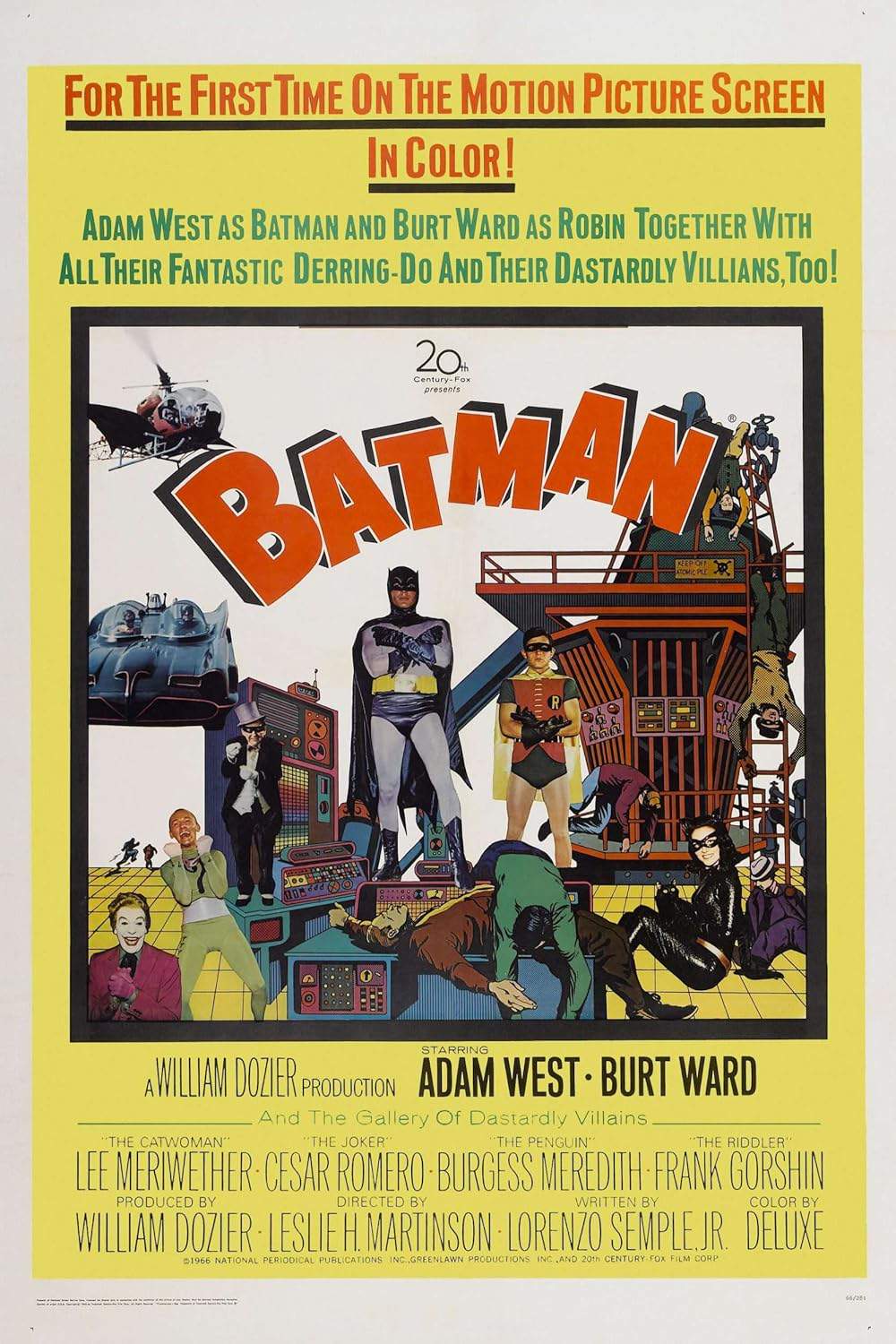
Batman: The Movie (1966) Ending Explained & Film Insights
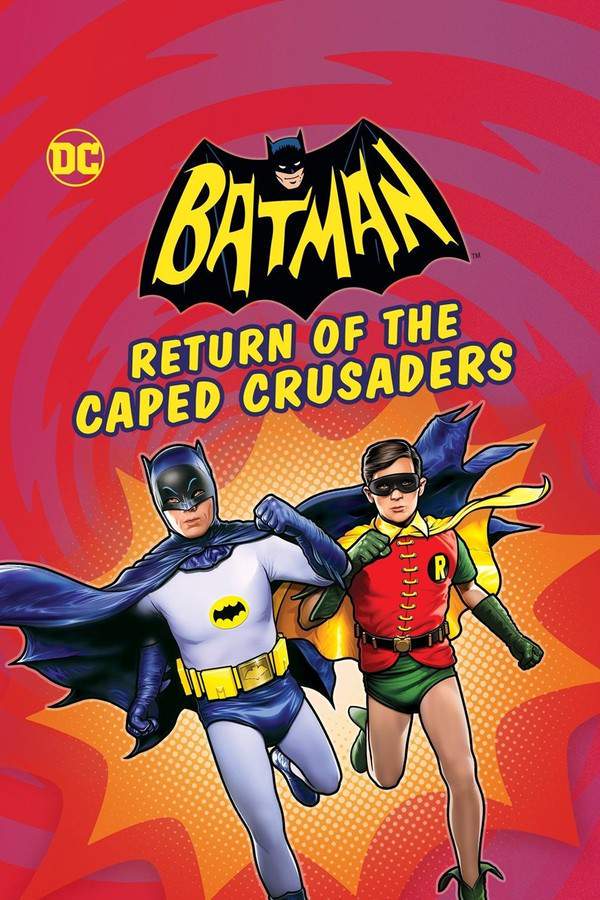
Batman: Return of the Caped Crusaders (2016) Film Overview & Timeline
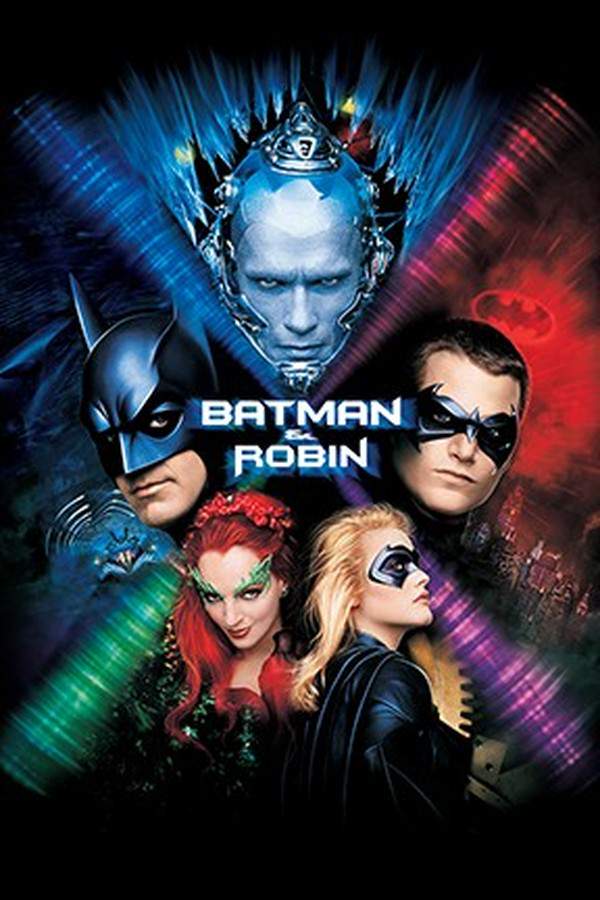
Batman & Robin (1997) Movie Recap & Themes
Batman Is Just Not That Into You (2017) Full Movie Breakdown
LEGO DC Super Hero Girls: Brain Drain (2017) Detailed Story Recap
Batman and Harley Quinn (2017) Spoiler-Packed Plot Recap
LEGO DC Super Hero Girls: Super-Villain High (2018) Movie Recap & Themes
LEGO DC Comics Super Heroes: Aquaman - Rage of Atlantis (2018) Ending Explained & Film Insights
Batman: Hush (2019) Plot Summary & Ending Explained
Scooby-Doo! & Batman: The Brave and the Bold (2018) Film Overview & Timeline
Batman: Death in the Family (2020) Spoiler-Packed Plot Recap
LEGO DC: Shazam! Magic and Monsters (2020) Full Summary & Key Details
Batman (1966) Plot Summary & Ending Explained
The Batman/Superman Movie: World’s Finest (1997) Full Summary & Key Details