Plot Explained Spoilers guaranteed!
Plot Explained

Browse by genre

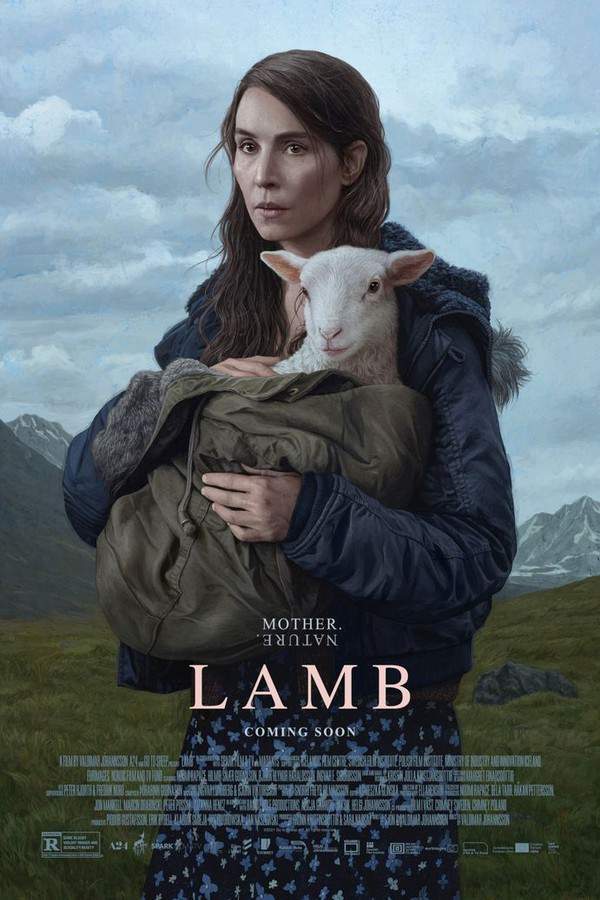
Lamb (2016) movie poster

Plot Summary

Lamb (2016) Plot Summary Explained

Release, runtime and language
2016 · 97 min · Icelandic
JustWatch #33,460 1

Following the end of his marriage and the loss of his father, David Lamb finds himself adrift. He unexpectedly connects with Tommie, an introverted 11-year-old girl, and embarks on a journey of self-discovery with her. Their road trip from Chicago to the Rocky Mountains becomes a transformative experience, as Lamb seeks to share the wonders of nature and find his own path forward. Along the way, they confront unexpected truths and forge a unique bond.

On this page (6)
  1. 1 Where to watch
  2. 2 What happens: full plot
  3. 3 Plot questions answered
  4. 4 Movie threads
  5. 5 Movies like Lamb
  6. 6 Every angle

Where to watch

Where to Watch Lamb (2016)

Where can you watch Lamb? Stream, rent or buy it in the US, including on fuboTV, Apple TV Store and Fandango At Home: current JustWatch availability with up-to-date prices.

Streaming availability powered by JustWatch

Full plot summary · contains spoilers

What Happens in Lamb: Full Plot Summary

The whole story of Lamb (2016) explained, from the opening scene to the final frame: every key event, every twist and what it all adds up to. Read it as a quick recap before the sequel, to check a scene you missed, or to finally understand what really happened.

The film follows a quiet, unsettling bond between David Lamb and a teenage girl named Tommie, set against the backdrop of a city that feels heavy with loss and a countryside that carries its own tense quiet. The story begins with David visiting his sick and dying father, Walter Lamb, only to return to his motel room and face the moment of his father’s death. After the funeral, he finds himself in a stark, depressive corner of Chicago, where a chance encounter with Tommie—who is sent by her friends to ask him for a cigarette—pulls him into a dangerous, if compelling, game. When David agrees to give her a cigarette, Tommie brings along her friends, and David decides to scare them by pretending to kidnap her, a reckless move meant to prove a point to the young girl and to test his own detachment from the world around him. He then brings Tommie back to his modest life’s shelter.

Back at work, David’s boss Wilson offers condolences and urges him to take time off, a suggestion that only nudges David toward a more solitary path. An office romance blossoms in the most forbidden of places: the stairwell. Linny and David share a moment of passion, an act that makes David feel suddenly misplaced and ready to escape to the country. He confesses to Linny that he intends to retreat to his property in the country to clear his head, a plan that will test every boundary between him and Tommie.

David runs into Tommie again in that same parking lot, but he gives her a false name, “Gary,” and even offers to buy her lunch. At Tommie’s home, her mother Linda and Linda’s boyfriend Jesse probe where she’s been; Tommie lies, saying she was at a friend’s house. The next day, the two children—now bound by a fragile, troubling connection—spend more time together. David proposes a camping trip for a week, insisting he will return before anyone grows worried. Tommie chooses to stay, drawn by a complicated mixture of trust and dependence.

A turn occurs at a truck stop when Melissa notices Tommie crying. Tommie lies, revealing the alias “Emily.” She asks to go home; David promises he could take her back, the two repeating a dangerous rhythm of closeness and distance. The day after, they sit by a lake; Foster, a neighbor at the cabin, interrupts with a blunt reminder: they are on private property. David bluffs, telling Foster that Tommie is his niece, Emily. The journey back from the mountains reveals a new layer of deception as Tommie seeks a sip of root beer; David seizes the moment to control the situation, allowing her just a taste, while Foster’s presence emphasizes the precarious line they walk.

Foster’s warning about unfriendly neighbors near the cabin is a grim reminder of the outside world pressing in. One morning, David notices a car approaching and hides Tommie in a closet, instructing her not to be seen. The car belongs to Linny, who has come to keep David company. In a tense sequence, David directs Tommie to run to the back shop as Linny enters; later that night, Tommie asks why Linny called him “David” instead of “Gary”—and he explains that the change is meant to “protect her/us.” When Linny almost discovers Tommie, David improvises, weaving a ghost story about “Emily” to explain away the danger and to buy time.

The suspense deepens as Tommie hides at Foster’s house, and the couple’s private world becomes visible to the outside. Tommie later witnesses David and Linny together, a moment that exposes the lie to her eyes and to the world beyond. In a private confession, David shares a heartbreaking secret with Tommie: his younger brother left home and disappeared as a child, never returning. He begs Tommie to promise not to tell anyone and to always call him “Gary,” cementing a bond that will outlast their trip.

The next morning, Tommie steps into the living room and calls out “Gary,” triggering Linny’s wakefulness and a sudden sense of fear. Linny confronts David, who maintains that “Emily” is a child of his brother who died, a lie meant to protect them both. Linny drives away, unsettled and uncertain, leaving David’s fragile story intact for the moment.

As they prepare to head home, the pair share a fraught, emotion-filled goodbye. They will not see each other again, yet David promises to leave signs—like a broken window or a ribbon in an odd place—so that Tommie can sense his presence when she closes her eyes and remembers the wind and rain from their trip. He suggests that she will be like an apple tree standing in the ashes of all the houses in her city, a haunting image that lingers as they part. The film ends on a heartrending note, with Tommie chasing after David as he drives away, a final moment of longing and uncertainty that leaves the future unresolved and the past heavy with what-ifs.
Last updated: October 09, 2025 at 16:19

Was this helpful?

Plot questions answered

Lamb Plot Explained: Your Questions Answered

The questions people ask most about Lamb (2016): what happens in the confusing scenes, why the characters do what they do, the twists, hidden details and what the ending means. Each answer contains spoilers.

Q1

Why does David pretend to kidnap Tommie?

David pretends to kidnap Tommie as a misguided test of his own detachment from the world after his father's death. After offering her a cigarette and her friends arriving, he stages the kidnapping to prove something to himself about his capacity for connection, or lack thereof. The act establishes the power imbalance in their relationship and foreshadows the manipulative dynamics that follow.

Foreshadowing: Earlier in the parking lot, David appears withdrawn and emotionally detached after his father's funeral, setting up his need to test his own boundaries.

  • david lamb
  • tommie
  • fake kidnapping
  • psychological test
  • emotional detachment
Q2

Why does Tommie choose to stay with David on the trip?

Tommie decides to stay because she is drawn to David's attention and the sense of escape he offers. As an introverted 11-year-old seemingly lacking connection at home, Tommie finds in David someone who treats her as special and takes her seriously. At the hotel, when given the choice to return home, she consciously chooses to remain, motivated by a complex mix of trust, loneliness, and the adventure he represents.

Foreshadowing: Tommie is sent by her friends to ask a stranger for a cigarette, indicating she already seeks attention from adults outside her immediate circle.

  • tommie
  • stays with david
  • road trip
  • loneliness
  • trust
Q3

Why does David use the name Gary instead of his real name?

David invents the alias Gary when he meets Tommie again in the parking lot, using it throughout their journey together. The false name allows him to maintain psychological distance from the inappropriate situation while also creating a separate identity for this secret relationship. When Tommie later asks why Linny called him David, he claims the name change was to protect them both, though it primarily serves his own need for deception and control.

Foreshadowing: This lie begins immediately upon their second meeting, establishing deception as a core pattern in their relationship.

  • gary alias
  • false name
  • david lamb
  • deception
  • cover story
Q4

What is the nature of David and Tommie's relationship?

The relationship exists in a morally grey area that is neither straightforwardly paternal nor romantic. David, grieving and adrift, projects his need for connection onto the vulnerable Tommie, while Tommie fills a void with his attention. The film deliberately maintains ambiguity about whether David's feelings are predatory, paternal, or something else entirely, leaving viewers uncomfortable and uncertain.

Foreshadowing: The meta notes confirm the relationship is 'not straightforwardly paternal or romantic but exists in a morally grey area.'

  • relationship
  • morally grey
  • david lamb
  • tommie
  • ambiguity
Q5

Why does Linny leave after discovering Tommie?

Linny leaves because she realizes David has been lying about the girl called Emily. When she nearly discovers Tommie in the cabin and David claims Emily is his deceased brother's child, Linny senses the deception but cannot prove it. After Tommie witnesses David and Linny together, the truth becomes harder to conceal. Linny drives away unsettled and uncertain, unwilling to participate in what she recognizes as a dangerous situation.

Foreshadowing: David's elaborate ghost story about Emily is clearly a fabrication meant to explain the girl's presence.

  • linny
  • discovers tommie
  • leaves
  • cabin
  • ghost story
Q6

What do the signs David promises to leave for Tommie mean?

Before they part, David promises to leave subtle signs, like a broken window or a ribbon in an odd place, so Tommie can sense his continued presence. He tells her these signs will help her remember their trip when she closes her eyes and thinks of wind and rain. The imagery suggests David wants to maintain a spectral, permanent connection with Tommie even after separation, blurring the line between emotional bond and unhealthy attachment.

Foreshadowing: David's earlier confession about his missing brother who never returned foreshadows his fear of being forgotten.

  • signs
  • broken window
  • ribbon
  • memory
  • connection
Q7

Why does David tell Tommie about his missing brother?

David confesses that his younger brother left home and disappeared as a child, never returning. He makes Tommie promise never to tell anyone and to always call him Gary. This confession reveals David's deep fear of abandonment and loss, which drives his attachment to Tommie. By sharing this vulnerable secret, he creates a mutual bond of trust, and forces Tommie into silence, further entangling her in his web of deception.

Foreshadowing: David's grief over his father's recent death and the loss of his marriage establish his pattern of dealing with abandonment.

  • missing brother
  • confession
  • trust
  • silence
  • abandonment
Q8

What happens at the end of the movie?

At the end, David and Tommie say a painful farewell in her hometown. David promises to leave signs of his presence and gives her the haunting image of being like an apple tree standing in the ashes of houses. As David drives away, Tommie runs after his car, chasing it down the street. The film ends with this image of longing and uncertainty, leaving their future relationship unresolved.

Foreshadowing: Their emotional breakdown at the motel earlier, where David fears Tommie will forget him, directly leads to this desperate final moment.

  • ending
  • tommie chases car
  • farewell
  • unresolved
  • bittersweet
Q9

Why is David so emotionally attached to Tommie?

David's attachment to Tommie stems from his recent losses: his father just died, his marriage ended, and he describes himself as adrift. Tommie becomes a focal point for his need to matter to someone and to prove he can still connect. His emotional breakdown at the motel, where he cries, fearing she will forget him, reveals how desperately he clings to this relationship as a lifeline against his own emptiness.

Foreshadowing: The film opens with David's father's death and David's status as a grieving, divorced man looking for direction.

  • emotional attachment
  • grief
  • loneliness
  • david lamb
  • need to connect
Q10

What happens when Linny nearly discovers Tommie at the cabin?

When Linny visits the cabin, David hides Tommie in a closet and instructs her not to be seen. Later, to explain away the danger, David improvises a ghost story about a girl named Emily who haunts the property. This elaborate lie nearly works until Linny almost catches Tommie. The tense sequence demonstrates how far David will go to maintain his deception and keep his secret world with Tommie intact.

Foreshadowing: Earlier at the truck stop, Tommie had already adopted the alias Emily, making David's ghost story a convenient extension of that lie.

  • closet
  • linny
  • ghost story
  • cabin
  • discovery
Q11

What happens at the lake near the cabin?

At the lake near the cabin, David and Tommie spend quiet time together until Foster, a neighbor, interrupts to warn them they are on private property. David lies, claiming Tommie is his niece Emily. Foster's warning injects external threat into their secret arrangement, reminding them the outside world could discover their true situation. The moment also shows David doubling down on his fabricated identity for Tommie.

Foreshadowing: The Emily alias was first used at the truck stop when Tommie cried and lied about her name.

  • lake
  • foster
  • private property
  • emily
  • warning

Movie threads

More Movies Like Lamb, by Mood & Story

Curated lists built around what makes Lamb tick: the same mood, the same kind of story or the same emotional payoff. Each list explains why these movies belong together.

Atmospheric movies with quiet tension like Lamb

Films where a subdued atmosphere slowly builds a sense of psychological discomfort. Discover movies like Lamb that master the art of quiet tension. If you enjoyed the melancholic, slow-burn atmosphere of Lamb, you'll find similar films here where the mood is the main character, building psychological unease through subtlety and silence rather than overt drama.

  • atmospheric
  • unsettling
  • quiet
  • tense
  • melancholic
  • reflective
  • Tone: melancholic, tense, unsettling
  • Pacing: slow, deliberate
Why these movies?

The story pattern: Narratives in this thread often unfold slowly, focusing on character introspection and the weight of unspoken emotions. The plot may be minimal, with the central conflict arising from the psychological state of the characters or the oppressive nature of their environment, leading to endings that are ambiguous or bittersweet.

Why they belong together: These films are grouped together because they share a specific cinematic approach: a slow, deliberate pace, a melancholic or tense tone, and a focus on building an unsettling atmosphere through quiet moments and emotional restraint, rather than through high-stakes plot twists.

Movies about complex journeys and bonds like Lamb

Stories of unlikely duos on a journey that blurs the lines between salvation and danger. Explore films similar to Lamb that feature transformative road trips and morally ambiguous relationships. If the unique, complicated bond between the characters in Lamb intrigued you, this collection highlights other stories where journeys forge powerful but ethically challenging connections.

  • unlikely friendship
  • road trip
  • morally complex
  • emotional
  • tense
  • bittersweet
  • Tone: bittersweet, melancholic, tense
  • Pacing: slow to steady, character-driven
Why these movies?

The story pattern: The narrative pattern involves two characters—often an adult and a child, or two outsiders—forming a connection through a shared physical journey. This journey facilitates self-discovery for one or both, but the relationship is fraught with underlying tension due to power imbalances, deception, or questionable motives, leading to a conclusion that is emotionally resonant but morally uncertain.

Why they belong together: These movies are united by their focus on a central, transformative relationship that is both redemptive and troubling. They share themes of self-discovery through travel, the complexity of human connection, and a tone that balances tender moments with psychological tension.

If you liked this

Movies Like Lamb

Similar movies to Lamb: the same genre, themes or kind of story. Each one comes with its own plot summary, timeline and ending explained.

Browse all movie summaries

Every angle

Lamb (2016) Explained: Plot, Timeline & Characters

Everything about Lamb in one place: what happens in the plot summary, the timeline in chronological order, the characters and meaning and a spoiler-free summary. What's After the Movie adds the cast, box office and post-credit scenes.

Coming soon on iOS and Android

The Plot Explained Movie Summary App

Plot summaries, endings explained and timelines on your phone. Catch up on any movie in minutes, save your favorites and never miss a twist again.

Be the first to know when we launch. Your email stays private, always.

Learn more about the app