Plot Explained Spoilers guaranteed!
Plot Explained

Browse by genre

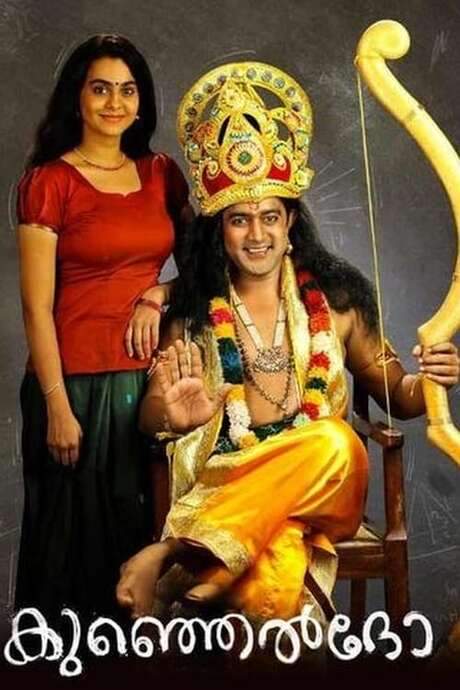
Kunju Daivam (2018) movie poster

Timeline

Kunju Daivam (2018) Timeline Explained – Every Event in Order

Release, runtime and language
2018 · 93 mins · Malayalam
Loading streaming availability…
Directed by
Jeo Baby
Starring
Joju George, Prasanth Alexander, Sidhartha Siva, Adish Praveen, Reina Maria

Little Joseph is a mischievous boy who dislikes school and exams, even wishing for someone's misfortune to avoid them. When his grandfather unexpectedly passes away, Joseph believes his prayers were responsible. Overcome with guilt, he resolves to atone for his actions and save someone from death, not just through prayer, but by performing good deeds and demonstrating genuine virtue.

On this page (6)
  1. 1 Where to watch
  2. 2 Events in order (12)
  3. 3 Timeline questions answered
  4. 4 Movie threads
  5. 5 Movies like Kunju Daivam
  6. 6 Every angle
Loading streaming availability…

12 events in order · contains spoilers

Kunju Daivam Timeline: Events in Chronological Order

Every key event of Kunju Daivam (2018) in order, scene by scene, with when and where it takes place. Use it to untangle flashbacks, time jumps and parallel storylines, to refresh your memory before the sequel or to find the exact scene you are thinking of.

  1. Ouseppachan, head of the family

    Ouseppachan is introduced as the head of a small family, with his father working abroad. He is a God-fearing boy who never misses Mass and prays regularly for simple blessings. His daily life is framed by home and the quiet rhythms of religious devotion.

    When
    Present day
    Where
    Family home, village
  2. Prayers shape his world

    He prays to God to make him taller, to help him win the online game Criminal Case, and even for his math teacher to fall from her bike. Some of his prayers seem to come true, which deepens his belief that prayer can move the world. The line between faith and magic starts to blur in his youthful certainty.

    When
    Daily routine
    Where
    Home and church
  3. Grandfather's death and guilt

    One night he prays for someone to die so he can bunk school; instead, his beloved grandfather passes away. The event shatters the family and leaves him drowning in guilt. He becomes convinced that his prayers somehow caused the loss.

    When
    Funeral night
    Where
    Grandfather's home
  4. Redemption through deeds

    Overpowered by grief, he resolves to redeem himself by saving someone from death—through actions as well as prayers. This pivot marks the start of his mission to help others facing life-and-death situations. He begins to see that miracles might be earned through compassion.

    When
    After grandfather's death
    Where
    Home/Church
  5. Meeting Katha Jeevan

    He meets Katha Jeevan, a girl with double kidney failure, whose illness becomes the catalyst for his new path. Her fragile condition shows him the real stakes behind his prayers. Her presence shifts his focus from personal miracles to saving a life.

    When
    Soon after
    Where
    Hospital
  6. Fundraising and moral conflict

    He tries to raise funds for her treatment, including taking money from his mother's wallet, revealing a conflict between his good intentions and moral limits. The act unsettles him and tests his loyalty to family. His commitment deepens as he confronts the consequences of his choices.

    When
    During fundraising
    Where
    Home
  7. Shibu as donor

    He meets Shibu, who agrees to donate a kidney to Katha. This unexpected act of generosity offers a real lifeline. Ouseppachan's faith in humanity deepens as he witnesses selfless care in action.

    When
    During donor search
    Where
    Hospital
  8. Planning the transplant

    With Shibu as donor, planning for the transplant begins and the family braces for surgery. The community's support and the donor's sacrifice become a beacon of hope. The stakes are high as the medical team prepares for the operation.

    When
    Pre-surgery
    Where
    Hospital
  9. Operation and new life

    The transplant is performed, giving Katha a new lease on life. Ouseppachan's prayers accompany the operation, but the outcome rests in the hands of medical care. The family breathes a collective sigh of relief as life takes a hopeful turn.

    When
    During surgery
    Where
    Hospital
  10. Guilt lifted; redemption

    The success of the operation lifts the unbearable guilt from Ouseppachan's heart. He realizes that redemption comes through action, not just prayer. His faith is tempered by the tangible impact of helping another human being.

    When
    Post-surgery
    Where
    Home/Hospital
  11. Divinity is innocence itself

    The film articulates the theme that divinity is innocence itself, seen through the boy's journey and acts of compassion. Miracles appear in everyday kindness and selflessness. Ouseppachan's experience reframes faith as lived compassion.

    When
    After events
    Where
    Village/Church
  12. An ode to the age of innocence

    Kunju Daivam closes as a hymn to a boy's world filled with miracles and faith. It celebrates how small acts and pure intent can illuminate a larger truth about life and belief. The story leaves the audience with a sense of gentle wonder at innocence and compassion.

    When
    Conclusion
    Where
    Village

Last updated: February 17, 2026 at 19:55

Was this helpful?

Timeline questions answered

Kunju Daivam Timeline Explained: Your Questions Answered

When does it happen, and why in that order? The questions people ask about the chronology of Kunju Daivam (2018): time jumps, flashbacks, cause and effect between scenes and the correct order of events, each answered with spoilers.

Q1

Why does Ouseppachan blame himself for his grandfather's death?

After praying for someone to die so he could bunk school, Ouseppachan's grandfather passes away that same night. Though logically unrelated, the boy becomes convinced his prayer caused the death. His innocent but selfish wish followed immediately by the tragedy creates overwhelming guilt, leading him to believe he caused the loss through his impious thought.

Foreshadowing: Earlier prayers that seemed to come true, like winning an online game, reinforced his belief that prayer has direct power over reality.

  • guilt
  • grandfather
  • prayer
  • death
  • blame
Q2

How did Ouseppachan's prayers affect his life?

Ouseppachan prayed for small wishes like growing taller, winning his online game Criminal Case, and even for his math teacher to fall from her bike. Some prayers appeared to come true, blurring the line between faith and magic in his young mind. This reinforced his belief that God would solve all his problems, until the devastating prayer about his grandfather taught him a harder lesson about the consequences of wishes.

Foreshadowing: The film shows multiple instances where his prayers seem answered, building his confidence in prayer's power before the tragic reversal.

  • prayers
  • faith
  • miracles
  • childhood beliefs
Q3

Why did Ouseppachan decide to help Katha Jeevan?

Driven by guilt over his grandfather's death, Ouseppachan decides to save someone from death as a form of redemption. When he meets Katha Jeevan, a girl suffering from double kidney failure, her life-threatening condition becomes the concrete opportunity to prove his faith through action rather than just prayer. Helping her becomes his personal mission to atone for believing his wish killed his grandfather.

Foreshadowing: His resolution to 'redeem himself by saving someone from death' directly targets Katha as the person he can save.

  • Kathaa Jeevan
  • kidney failure
  • redemption
  • atonement
Q4

What moral conflict did Ouseppachan face while raising money for Katha?

When fundraising for Katha's treatment proves difficult, Ouseppachan considers taking money from his mother's wallet. This act represents a major moral test, he wants desperately to save her but knows stealing is wrong. The conflict highlights his transition from simple prayer to difficult choices, showing that genuine compassion sometimes faces tempting but unethical shortcuts.

Foreshadowing: Earlier, he prayed for mischievous outcomes to avoid schoolwork, showing his willingness to bend rules for personal benefit.

  • money
  • theft
  • moral dilemma
  • fundraising
Q5

How did Katha Jeevan's kidney transplant happen?

After an extensive search for a donor, a man named Shibu agrees to become Katha's kidney donor. With Shibu's selfless consent, the hospital prepares for the transplant surgery. The operation succeeds, giving Katha a new lease on life. The transplant represents the tangible result of community support and individual compassion working together.

Foreshadowing: The community rallies around Katha Jeevan, creating the network of hope that leads to finding Shibu.

  • kidney transplant
  • Shibu
  • donor
  • surgery
  • hospital
Q6

Why did Ouseppachan shift from praying to taking action?

After his grandfather's death, Ouseppachan realizes that prayer alone nearly caused tragedy and must be accompanied by deeds. He understands that wanting to help isn't enough, genuine faith requires active compassion. This shift from supplication to responsibility marks his spiritual and moral maturation, proving that miracles require human effort alongside belief.

Foreshadowing: His initial prayers brought mixed results, with some seeming to work and one causing permanent regret.

  • faith
  • action
  • prayer
  • responsibility
  • compassion
Q7

What does the film mean by 'divinity is innocence itself'?

The film proposes that true divinity exists in the pure, earnest nature of a child's heart. Ouseppachan's innocent faith, unclouded by cynicism, represents genuine spirituality. His simple desire to help others, combined with his childlike wonder, embodies divinity more than any theological concept. The boy's journey shows that goodness and compassion, not religious rituals, are the highest forms of the sacred.

Foreshadowing: Throughout the film, Ouseppachan's sincere but childlike prayers contrast with adult understanding of cause and effect.

  • divinity
  • innocence
  • theme
  • faith
  • spirituality
Q8

Why was Shibu willing to donate his kidney to Katha?

Shibu represents the film's embodiment of selfless human kindness. Without any personal connection to Katha Jeevan's family, he volunteers as a kidney donor purely out of compassion. His willingness to undergo surgery for a stranger demonstrates the film's theme that true divinity manifests through ordinary people performing extraordinary acts of generosity.

Foreshadowing: The community's collective support for Katha creates an environment where such generosity seems natural.

  • Shibu
  • donor
  • kindness
  • selflessness
  • organ donation
Q9

How was Ouseppachan's guilt lifted after the transplant?

When Katha's transplant succeeds, Ouseppachan experiences redemption through action rather than prayer. Saving a life, directly contributing to another person's survival, proves to him that he can create positive outcomes through compassion. The successful operation heals his psychological wound, showing him that his role in the world is to help others, not to blame himself for uncontrollable events.

Foreshadowing: His resolve to 'save someone from death' through deeds finds its fulfillment in Katha's recovery.

  • guilt
  • redemption
  • transplant
  • relief
  • emotional healing
Q10

What does the title Kunju Daivam mean?

Kunju Daivam translates roughly to 'Child God' or 'Divine Child' in Malayalam. The title encapsulates the film's central theme that children, through their innocent faith and pure intentions, embody divine qualities. Ouseppachan, with his earnest prayers and compassionate actions, represents this 'child god', not literally supernatural, but spiritually pure in a way that adults have lost.

Foreshadowing: The entire narrative follows a child grappling with faith and morality, positioning him as the film's spiritual center.

  • title
  • meaning
  • Malayalam
  • child god
  • divinity

Movie threads

More Movies Like Kunju Daivam, by Mood & Story

Curated lists built around what makes Kunju Daivam tick: the same mood, the same kind of story or the same emotional payoff. Each list explains why these movies belong together.

Movies about a child's burden of guilt like Kunju Daivam

Stories where a child grapples with a heavy, unintended responsibility. If you liked Kunju Daivam, explore other movies about childhood guilt and redemption. These films feature young characters carrying the weight of unintended consequences, leading to heartfelt journeys of atonement and moral discovery.

  • guilty
  • redemptive
  • innocent
  • sorrowful
  • hopeful
  • coming-of-age
  • Tone: hopeful, sorrowful, redemptive
  • Pacing: steady, character-driven
Why these movies?

The story pattern: These narratives typically begin with a child's innocent action or private wish that seems to cause a serious, often tragic, event. The core of the story follows the child's internal struggle with guilt and their subsequent quest for redemption, which often involves acts of kindness or bravery.

Why they belong together: Movies are grouped here because they share a specific emotional core: the perspective of a child confronting complex moral consequences. The tone balances the heaviness of guilt with the hopefulness of a child's resilient spirit, creating a uniquely bittersweet viewing experience.


Movies about a quest for atonement like Kunju Daivam

Personal journeys to make amends and find moral peace. Find more movies like Kunju Daivam about a character's quest for atonement. These stories follow protagonists determined to make amends for a past mistake, focusing on their hopeful journey toward redemption and personal salvation.

  • redemptive
  • hopeful
  • guilty
  • earnest
  • moral journey
  • atonement
  • Tone: hopeful, redemptive, earnest
  • Pacing: steady, purposeful
Why these movies?

The story pattern: The narrative follows a clear arc: a triggering event creates a deep-seated guilt in the protagonist, who then dedicates themselves to a purposeful quest. This quest is not just internal but involves tangible acts aimed at balancing the scales, ultimately leading to a cathartic and hopeful resolution.

Why they belong together: These films are united by their focus on the redemptive arc. They share a tone of hopeful determination, a steady pacing that allows for character growth, and a central theme that salvation comes through positive action rather than passive regret.

If you liked this

Movies Like Kunju Daivam

Similar movies to Kunju Daivam: the same genre, themes or kind of story. Each one comes with its own plot summary, timeline and ending explained.

Browse all movie summaries

Every angle

Kunju Daivam (2018) Explained: Plot, Timeline & Characters

Everything about Kunju Daivam in one place: what happens in the plot summary, the timeline in chronological order, the characters and meaning and a spoiler-free summary. What's After the Movie adds the cast, box office and post-credit scenes.

Coming soon on iOS and Android

The Plot Explained Movie Summary App

Plot summaries, endings explained and timelines on your phone. Catch up on any movie in minutes, save your favorites and never miss a twist again.

Be the first to know when we launch. Your email stays private, always.

Learn more about the app