Plot Explained Spoilers guaranteed!
Plot Explained

Browse by genre

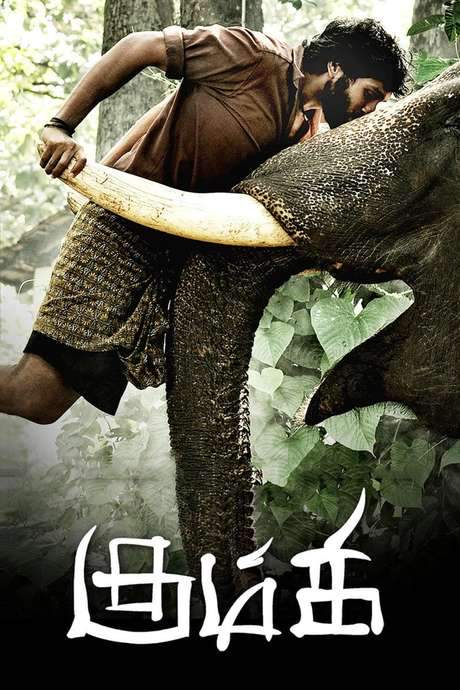
Kumki (2012) movie poster

Plot Summary

Kumki (2012) Plot Summary Explained

Release, runtime and language
2012 · 148 mins · Tamil
Directed by
Prabhu Solomon
Starring
Vikram Prabhu, Sreejith Ravi, Kumki Ashwin, Thambi Ramaiah, Munnar Ramesh, Lakshmi Menon

The story revolves around a mahout and his trained elephant.

On this page (5)
  1. 1 Where to watch
  2. 2 What happens: full plot
  3. 3 Plot questions answered
  4. 4 Movie threads
  5. 5 Every angle

Where to watch

Where to Watch Kumki (2012)

Where can you watch Kumki? Stream, rent or buy it in the US, including on Amazon Video: current JustWatch availability with up-to-date prices.

Streaming availability powered by JustWatch

Full plot summary · contains spoilers

What Happens in Kumki: Full Plot Summary

The whole story of Kumki (2012) explained, from the opening scene to the final frame: every key event, every twist and what it all adds up to. Read it as a quick recap before the sequel, to check a scene you missed, or to finally understand what really happened.

Bomman, his loyal elephant Manickam, his uncle Kothalli, and his steadfast ally Undiyal form the core of the story, as Bomman makes his living by hiring out Manickam for temple festivals and grand weddings. The bond between human and animal sits at the heart of his daily life, and the rhythm of their small world is defined by rituals, respect for tradition, and the quiet strength of companionship. Yet outside their circle, a village governed by old principles struggles with a fearsome problem: a rogue elephant known as Komban that tramples crops and menaces the community. In response, their leader, frustrated by the slow pace of help from distant forest authorities, decides to bring in a trained elephant and a mahout to confront the threat.

The village becomes a temporary stage for Bomman and his crew, who arrive as stand-ins until the actual mahout and the trained elephant can take over. The situation grows more personal when Bomman meets Alli, the daughter of the village leader. Alli is drawn to him, even as the village’s strict codes make her hesitate, and she wrestles with the pull of love against the weight of longstanding norms. Over time, however, Alli’s feelings deepen, and a quiet romance begins to bloom, challenging the boundaries of tradition while still trying to honor them.

As Komban’s assaults intensify, life in the village tightens around fear and resilience. On the eve of Bomman and Alli’s potential future together, Komban strikes a devastating blow: it attacks Manickam, and in the chaos, Kothalli and Undiyal are killed, while Bomman suffers serious injuries. The confrontation between Manickam and Komban escalates into a brutal struggle: Manickam defeats Komban but pays the ultimate price with his life. Bomman’s grief is palpable as he laments that his love may have contributed to the losses around him. In a poignant moment, Alli’s father acknowledges the depth of Bomman and Alli’s bond, recognizing that love has found a foothold even in a world governed by rigid tradition. The film ends on an open, contemplative note, leaving Bomman’s fate—and the future of his relationship with Alli—to the viewer’s imagination.

Last updated: February 24, 2026 at 14:10

Was this helpful?

Plot questions answered

Kumki Plot Explained: Your Questions Answered

The questions people ask most about Kumki (2012): what happens in the confusing scenes, why the characters do what they do, the twists, hidden details and what the ending means. Each answer contains spoilers.

Q1

Why was Bomman brought to the village?

Bomman was hired as a temporary solution to deal with Komban, the rogue elephant terrorizing the village. The village leader decided to bring in a trained elephant and mahout after forest authorities failed to help. Bomman and his crew arrived as placeholders, staying until the actual trained elephant and handler could take over.

Foreshadowing: The village's desperation for help is established early when forest officers provide no assistance.

  • bomman
  • komban
  • village
  • mahout
  • rogue elephant
Q2

Why did Komban attack Manickam?

Komban attacked Manickam because elephants are territorial animals. When Komban came to raid the village, Manickam - being Bomman's trained elephant - represented a threat and a challenge to Komban's dominance. The attack occurred on the eve of Bomman's departure when Komban directly targeted the heart of Bomman's life.

Foreshadowing: Earlier attacks establish Komban's pattern of targeting the village's resources and those who oppose it.

  • komban
  • manickam
  • elephant fight
  • territorial
  • attack
Q3

How did Kothalli and Undiyal die?

Kothalli and Undiyal were killed during Komban's attack on Manickam. In the chaos of the confrontation, Komban attacked both men while they tried to protect the elephant. Bomman was also wounded in the assault, though he survived.

Foreshadowing: The escalating attacks throughout the village build toward this tragic night.

  • kothalli
  • undiyal
  • death
  • komban
  • attack
Q4

Why did Manickam die after defeating Komban?

Manickam died from the injuries sustained during his fight with Komban. While Manickam successfully defeated Komban - killing the rogue elephant - he sustained fatal wounds in the brutal struggle. Bomman witnessed his loyal elephant's sacrifice and the end of their bond.

Foreshadowing: The earlier attacks show Komban's dangerous nature and set up the deadly confrontation.

  • manickam
  • death
  • komban
  • fight
  • sacrifice
Q5

Why does Bomman feel responsible for the deaths?

Bomman believes his love for Alli distracted him from his duties, leading to the tragedy. He feels that his attention was divided during the crucial period when he should have been more vigilant. His grief manifests as guilt, wondering if things would have been different had he focused solely on protecting Manickam.

Foreshadowing: Bomman's romance with Alli develops precisely during the days when the threat was building.

  • bomman
  • guilt
  • grief
  • love
  • alli
  • responsibility
Q6

Why does Alli's father accept Bomman?

Alli's father gradually accepts Bomman after witnessing the depth of their bond and seeing Bomman's character through his actions. Despite the village's strict traditions that initially made Alli hesitate, her father recognizes that genuine love had taken root. His acceptance comes too late to prevent tragedy but marks a shift in traditional values.

Foreshadowing: Alli's internal struggle between love and tradition is established early in their relationship.

  • alli
  • father
  • tradition
  • acceptance
  • love
  • village
Q7

What happens to the rogue elephant Komban?

Komban is killed by Manickam in the final confrontation. The battle between the two elephants is brutal, but Manickam emerges victorious - though at the cost of his own life. With Komban's death, the village's threat finally ends.

Foreshadowing: The village's decision to bring in a trained elephant foreshadows this inevitable showdown.

  • komban
  • death
  • defeat
  • rogue elephant
  • village threat
Q8

What happens at the end of Kumki?

The film ends on an open, contemplative note. Bomman survives but is devastated by the loss of his uncle, his helper, and most importantly, his elephant Manickam. Alli's father finally acknowledges their love, but Bomman is left grieving. The ending leaves his future and relationship with Alli unresolved, leaving viewers to imagine what comes next.

Foreshadowing: The tragic climax sets the tone for this bittersweet, unresolved conclusion.

  • ending
  • fate
  • bomman
  • alli
  • unresolved
  • conclusion
Q9

Why is the ending considered bittersweet?

The ending is bittersweet because while Komban is defeated and the village is finally safe, Bomman has lost nearly everything he loved - his uncle, his faithful companion Undiyal, and above all, his elephant Manickam who gave his life. The one positive note is that Alli's father now accepts their love, offering a glimmer of hope amid the tragedy.

Foreshadowing: The film's steady pacing builds toward this tragic cost after the hopeful romance develops.

  • bittersweet
  • ending
  • loss
  • victory
  • hope
  • tragedy
Q10

What is Manickam's role in the story?

Manickam is Bomman's trained elephant and the central emotional anchor of the film. Beyond being Bomman's livelihood - used for temple festivals and weddings - Manickam represents loyalty, companionship, and the quiet strength of the bond between human and animal. His sacrifice in defeating Komban becomes the tragic climax.

Foreshadowing: The opening establishes Manickam as Bomman's trusted partner and source of livelihood.

  • manickam
  • elephant
  • bond
  • mahout
  • sacrifice
  • loyalty
Q11

Why couldn't the village deal with Komban without a trained elephant?

The village struggled against Komban because he was a large, aggressive rogue elephant that destroyed crops and ambushed villagers. Forest officers were slow to respond and provided little help. Elephants are territorial, so the villagers believed only another elephant could confront and drive away Komban effectively.

Foreshadowing: Early scenes show the villagers' helplessness against Komban's attacks.

  • village
  • komban
  • forest officers
  • crops
  • protection
  • elephant

Movie threads

More Movies Like Kumki, by Mood & Story

Curated lists built around what makes Kumki tick: the same mood, the same kind of story or the same emotional payoff. Each list explains why these movies belong together.

Rural tragedies with fatal nature conflicts like in Kumki

Stories where human lives collide with unstoppable natural forces. Explore movies like Kumki where rural protagonists face deadly confrontations with natural forces—rogue elephants, predatory animals, or environmental disasters that test human survival and resolve.

  • tragic
  • tense
  • rural
  • devastating
  • survival
  • melancholic
  • Tone: bittersweet, tense, melancholic
  • Pacing: steady build to violent climax
Why these movies?

The story pattern: Stories typically establish a peaceful rural existence that becomes threatened by a specific natural antagonist. The conflict escalates slowly until it demands sacrifice, often ending with bittersweet acceptance of nature's power over human plans.

Why they belong together: These films share a focus on man vs. nature conflicts in isolated settings, where the natural world isn't just backdrop but active antagonist. They combine rural authenticity with high-stakes survival drama.

Tragic romances cut short by violence like in Kumki

Tender relationships brutally interrupted by sudden, violent events. Discover movies similar to Kumki where hopeful romantic relationships are brutally interrupted by sudden violence or tragedy, creating emotionally heavy stories of love and loss.

  • heartbreaking
  • romantic
  • tragic
  • devastating
  • melancholic
  • tense
  • Tone: bittersweet, heartbreaking, melancholic
  • Pacing: steady development interrupted by sudden tragedy
Why these movies?

The story pattern: These narratives typically establish two characters building a genuine connection, only to have that relationship destroyed by an external violent event. The story explores the aftermath of that loss and the emotional devastation left behind.

Why they belong together: They share a specific emotional arc: building romantic hope followed by sudden, irreversible tragedy. The focus is on the emotional weight of love interrupted rather than conventional romantic resolution.

Every angle

Kumki (2012) Explained: Plot, Timeline & Characters

Everything about Kumki in one place: what happens in the plot summary, the timeline in chronological order, the characters and meaning and a spoiler-free summary. What's After the Movie adds the cast, box office and post-credit scenes.

Coming soon on iOS and Android

The Plot Explained Movie Summary App

Plot summaries, endings explained and timelines on your phone. Catch up on any movie in minutes, save your favorites and never miss a twist again.

Be the first to know when we launch. Your email stays private, always.

Learn more about the app