Year: 1983
Runtime: 86 min
Language: English
Director: Godfrey Reggio
A powerful and wordless film presents a stark contrast between the beauty of the natural world and the accelerating pace of modern civilization. Breathtaking landscapes and elemental forces are juxtaposed with scenes of urban life and technological advancement. Through manipulated time-lapse photography and a soaring musical score, the film offers a visual critique of humanity's disconnection from nature and the overwhelming dominance of technology in contemporary society.
Find where to stream, rent, or buy Koyaanisqatsi (1983) in the US with current JustWatch availability, up-to-date pricing, and platform listings for subscription, rental, and digital purchase options.
Warning: spoilers below!
Haven’t seen Koyaanisqatsi yet? This summary contains major spoilers. Bookmark the page, watch the movie, and come back for the full breakdown. If you're ready, scroll on and relive the story!
Explore the full timeline and setting of Koyaanisqatsi (1983). Follow every major event in chronological order and see how the environment shapes the story, characters, and dramatic tension.
Last updated: October 22, 2024 at 19:25
Meet the key characters of Koyaanisqatsi (1983), with detailed profiles, motivations, and roles in the plot. Understand their emotional journeys and what they reveal about the film’s deeper themes.
Last updated: October 22, 2024 at 19:25
Explore the central themes of Koyaanisqatsi (1983), from psychological, social, and emotional dimensions to philosophical messages. Understand what the film is really saying beneath the surface.
Last updated: October 22, 2024 at 19:25
Browse frequently asked questions about Koyaanisqatsi (1983) focused on characters, relationships, themes, symbols, setting, and story context. This movie info FAQ gives spoiler-aware explanations for character arcs, world details, and thematic interpretation so readers can better understand what the film is really about.
The film is primarily set in New York City, featuring iconic shots of Manhattan skyscrapers and urban infrastructure. The Hudson River also appears throughout, serving as a natural counterpoint to the urban environment. The setting choices emphasize the contrast between the built world and natural landscapes that defines the film's visual philosophy.
Koyaanisqatsi does not specify an exact time period. The footage was shot in the late 1970s and early 1980s, featuring New York City from that era. However, the visual style uses time-lapse and slow-motion techniques that create a timeless quality, making the setting feel both period-specific and universal.
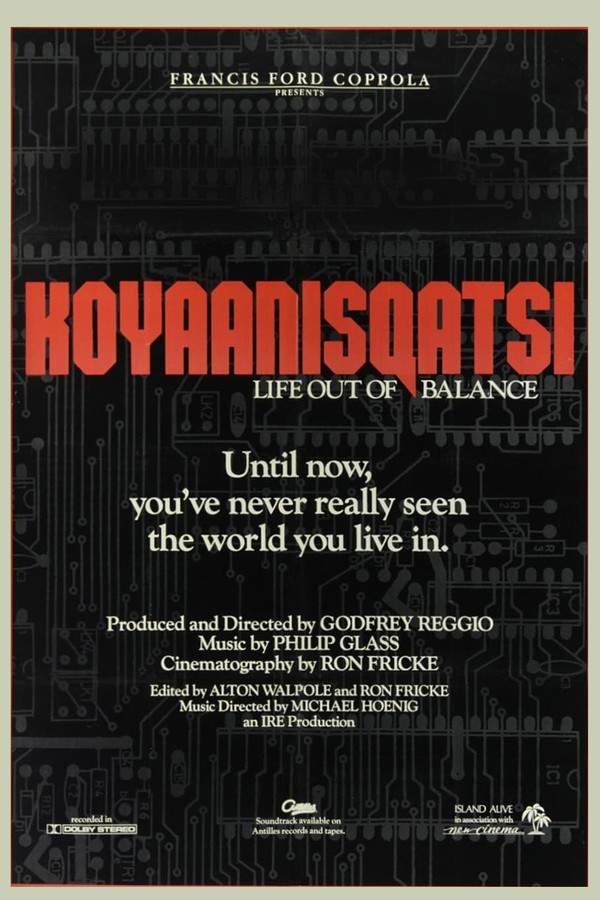
Koyaanisqatsi comes from the Hopi language and translates to "life out of balance" or "life in a state of withdrawal." This title directly reflects the film's central thesis about modern civilization's disconnection from the natural world and the resulting imbalance in human existence.
The film explores humanity's relationship with nature, contrasting the beauty of natural landscapes against the destructive impact of industrialization. It illustrates how urban development and technological advancement encroach on natural spaces, creating an urgent commentary on environmental destruction and the loss of connection to the natural world.
Koyaanisqatsi presents stark visuals of urban decay and hints at underlying societal conflicts, including references to military power. The film evokes urgency about the consequences of modernization and warfare, suggesting that technological progress comes at the cost of community cohesion and social stability.
The film uses time as a central element through its manipulation of pace and motion. It shifts from slow, meditative shots of nature to fast-motion sequences of city life, creating a visual meditation on the past, present, and future. This interplay encourages viewers to reflect on humanity's legacy and the direction of modern civilization.
Ted Koppel appears as a narrator figure whose voice provides a sense of gravitas throughout the film. Though the film is essentially wordless with minimal dialogue, his presence evokes a solemn tone and adds weight to the visual commentary on human endeavor and its consequences.
The film has a predominantly melancholic tone, established from its opening with solemn organ and chanting. This elegiac mood is sustained through musical passages that lament the state of the world. The ending impression is bleak, featuring imagery of explosions and derelict buildings that suggest humanity on the brink of collapse.
The film relies heavily on manipulated time-lapse photography and unconventional camera techniques. It uses slow-motion and time-lapse to transform ordinary scenes, like traffic flow, cloud movements, and city activity, into hypnotic, almost abstract visuals that create a distinctive visual language conveying the film's themes about speed, progress, and decay.
The soaring musical score by Philip Glass is integral to the film's impact, providing an emotional and rhythmic framework that guides viewers through the visual experience. The music shifts between meditative and frenetic passages, amplifying the visual contrast between natural beauty and urban chaos. It functions almost as a narrative element itself.
Discover curated groups of movies connected by mood, themes, and story style. Browse collections built around emotion, atmosphere, and narrative focus to easily find films that match what you feel like watching right now.
Films where the imagery and music carry the weight of the story.If the overwhelming, non-narrative power of Koyaanisqatsi captivated you, explore more movies like it. These films use visuals and sound as their primary language, offering similar experiences with sensory overload, philosophical depth, and a focus on mood over plot.
Films in this thread often lack conventional plots and characters. Instead, they unfold through a series of interconnected images and sounds, building meaning through association, contrast, and rhythm. The journey is more about a shifting emotional and intellectual state than a linear story.
These movies are grouped together because they share a fundamental approach to filmmaking: the experience is the message. They prioritize creating a specific, powerful mood through their audiovisual construction, appealing to viewers seeking a more sensory and meditative form of cinema.
Sobering reflections on humanity's destructive impact on the world.For viewers moved by Koyaanisqatsi's stark warning about life out of balance, this section features similar movies with a bleak outlook. These stories explore environmental destruction, urban decay, and the emotional weight of humanity's disconnection, often ending on a somber note.
The narrative pattern in these films tends to be observational or cautionary. They illustrate a problem—environmental collapse, societal breakdown, technological alienation—without necessarily offering a solution. The emotional arc leads the audience toward a sense of loss, anxiety, or solemn reflection on the state of the world.
These films are united by their shared melancholic tone, heavy emotional weight, and bleak perspective on contemporary issues. They provoke thought and unease by holding a mirror to society's flaws, creating a cohesive experience for viewers interested in philosophical and critical cinema.
Don't stop at just watching - explore Koyaanisqatsi in full detail. From the complete plot summary and scene-by-scene timeline to character breakdowns, thematic analysis, and a deep dive into the ending - every page helps you truly understand what Koyaanisqatsi is all about. Plus, discover what's next after the movie.
Read a complete plot summary of Koyaanisqatsi, including all key story points, character arcs, and turning points. This in-depth recap is ideal for understanding the narrative structure or reviewing what happened in the movie.
Track the full timeline of Koyaanisqatsi with every major event arranged chronologically. Perfect for decoding non-linear storytelling, flashbacks, or parallel narratives with a clear scene-by-scene breakdown.
Discover movies like Koyaanisqatsi that share similar genres, themes, and storytelling elements. Whether you’re drawn to the atmosphere, character arcs, or plot structure, these curated recommendations will help you explore more films you’ll love.
Koyaanisqatsi (1983) Plot Summary & Movie Recap
Koyaanisqatsi (1983) Scene-by-Scene Movie Timeline
Koyaanisqatsi (1983) Spoiler-Free Summary & Key Flow
Movies Like Koyaanisqatsi – Similar Titles You’ll Enjoy
Voyage of Time: The IMAX Experience (2016) Story Summary & Characters
Kusama - Infinity (2018) Spoiler-Packed Plot Recap
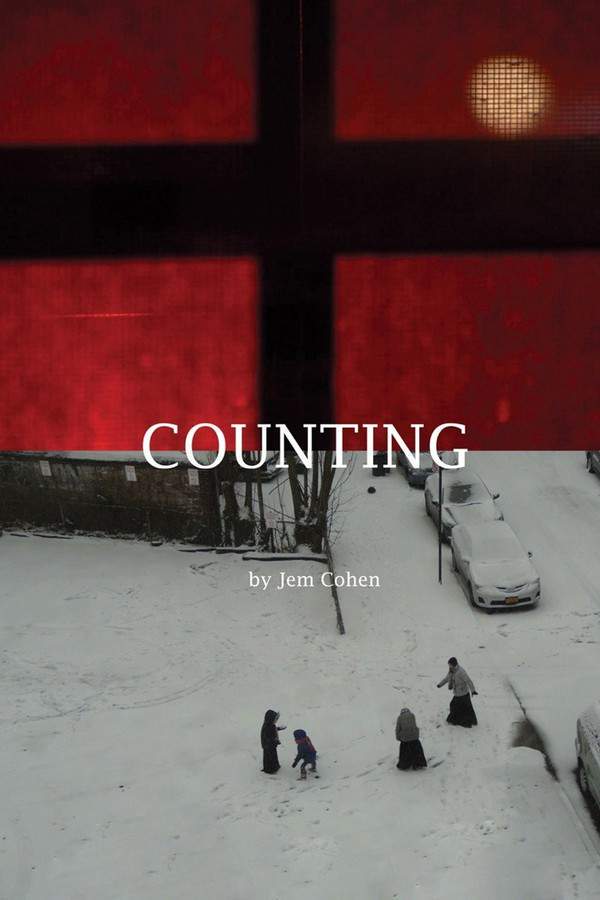
Counting (2015) Story Summary & Characters
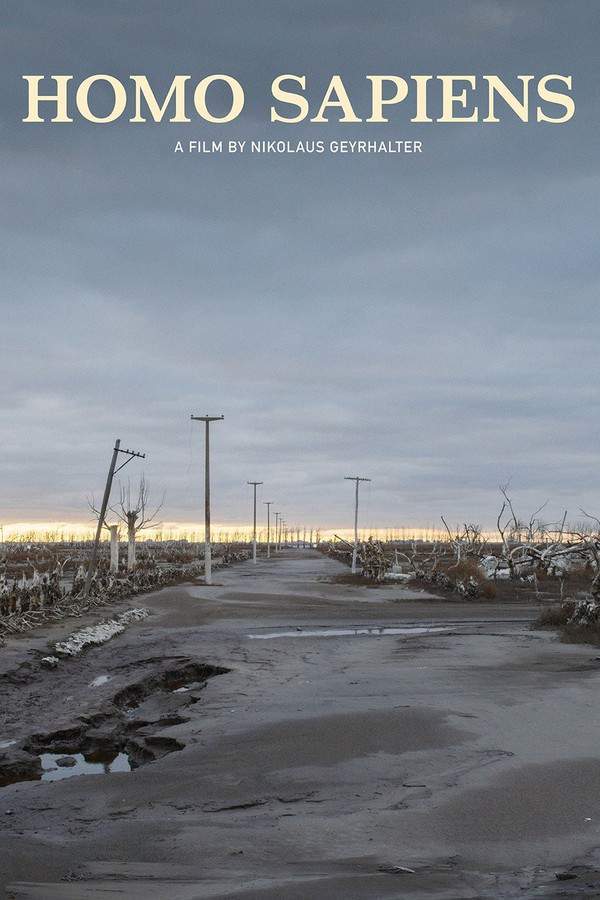
Homo Sapiens (2016) Spoiler-Packed Plot Recap
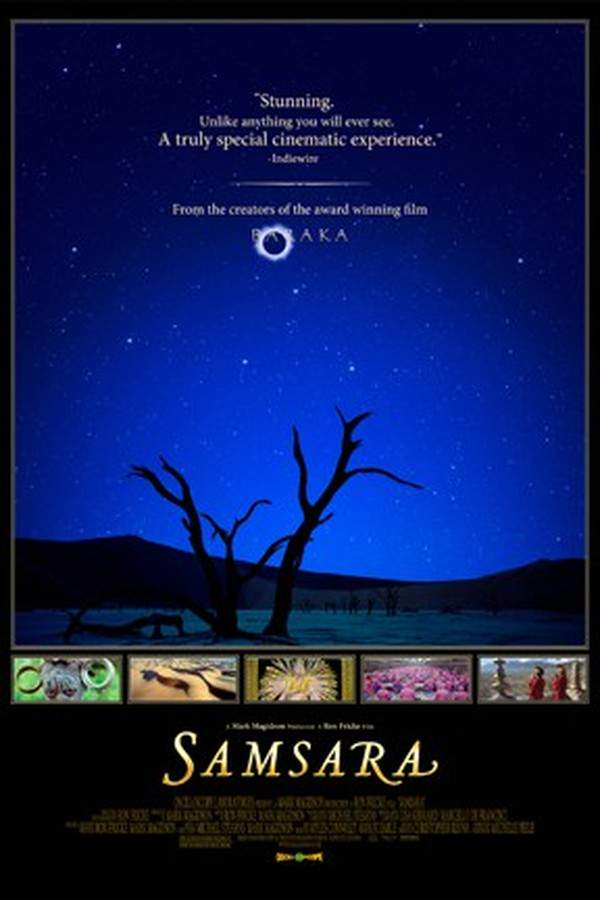
Samsara (2012) Spoiler-Packed Plot Recap
Naqoyqatsi (2002) Story Summary & Characters
In Pursuit of Silence (2017) Spoiler-Packed Plot Recap
The End of Time (2013) Plot Summary & Ending Explained
Symphony of the Soil (2013) Spoiler-Packed Plot Recap
Architecton (2025) Story Summary & Characters
Illuminated Texts (1982) Film Overview & Timeline
Sans Soleil (1983) Full Summary & Key Details
The Journey (1987) Movie Recap & Themes
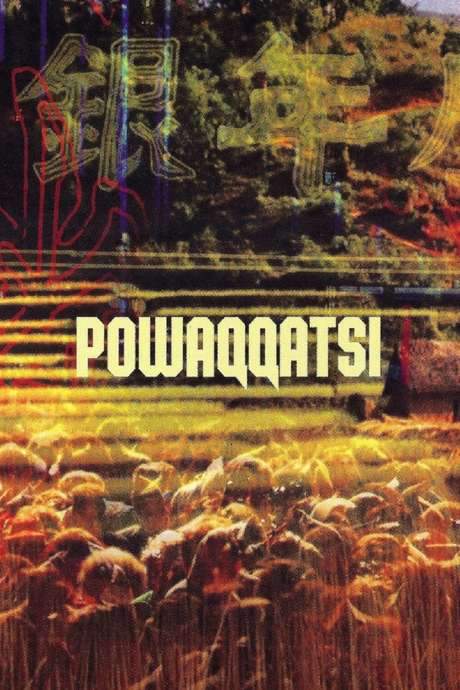
Powaqqatsi (1988) Detailed Story Recap
Universe (1960) Ending Explained & Film Insights