Plot Explained Spoilers guaranteed!
Plot Explained

Browse by genre

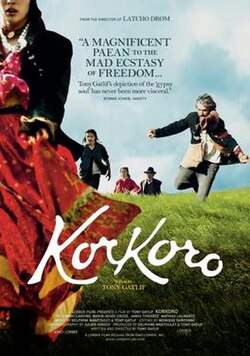
Korkoro (2011) movie poster

Characters & Themes

Korkoro (2011) Characters, Setting & Themes Explained

Release, runtime and language
2011 · 111 min · Japanese
Loading streaming availability…
Directed by
Tony Gatlif

In 20th-century Japan, a story of guilt and redemption emerges. Nobuchi's impulsive proposal to Shizu deeply wounds his friend Kaji, leading to a tragic suicide. Haunted by his actions, Nobuchi seeks spiritual solace. However, his past resurfaces when a young student becomes his protégé, forcing him to confront the pain of betrayal and regret, and ultimately seek a path toward healing and understanding.

On this page (8)
  1. 1 Where to watch
  2. 2 Characters explained (3)
  3. 3 Where & when it takes place
  4. 4 Themes & meaning (3)
  5. 5 Character & meaning questions
  6. 6 Movie threads
  7. 7 Movies like Korkoro
  8. 8 Every angle
Loading streaming availability…

3 main characters · contains spoilers

Korkoro Characters Explained: Who Is Who

The main characters of Korkoro (2011), heroes and villains: what drives them, how they change over the course of the story and what each of them reveals about the film's bigger ideas.

  • Claude (Mathias Laliberté)

    Claude is a young boy who embodies innocence amidst the chaos of war. His journey from an orphanage to joining a Romani caravan signifies his search for belonging and freedom. Throughout the film, his character evolves from a fearful child to a courageous companion, standing by his newfound family during their struggles.

    • 👦 Boy
    • 🚀 Adventurous
    • 🤝 Loyal
  • Théodore Rosier (Marc Lavoine)

    Théodore Rosier is the compassionate village mayor who becomes a vital ally to the Romani. With a strong moral compass, he riskily sells his family home to protect them, showcasing his deep empathy and readiness to defy the oppressive regime. His character reflects the spirit of resistance and human kindness during dire times.

    • 👨‍🌾 Mayor
    • 🤗 Compassionate
    • 🔒 Protector
  • Mademoiselle Lundi (Marie-Josée Croze)

    Mademoiselle Lundi is a school teacher who exhibits great courage and empathy for the Romani children. Understanding their plight, she takes significant risks to provide them opportunities in education while simultaneously challenging the oppressive state mandates. Her character illustrates the strength of conviction in humanity.

    • 👩‍🏫 Teacher
    • 🦸‍♀️ Brave
    • 📚 Educator

Last updated: October 22, 2024 at 21:50

Was this helpful?

Setting

Where and When Does Korkoro Take Place?

The setting of Korkoro (2011): the year and time period, the places and locations, and how they shape the characters, the mood and the tension of the story.

Time period

World War II

The events unfold during World War II, a period marked by widespread conflict and oppression. France is under the control of the Vichy regime, collaborating with Nazi Germany, which creates a climate of fear and suspicion. This era significantly impacts the lives of the characters, highlighting themes of resistance and the fight against tyranny.

Location

Vichy France, small wine-growing village

The film is set during World War II in rural Vichy France, specifically near a quaint wine-growing village. Known for its picturesque vineyards, this village faces internal conflict regarding the presence of the Romani caravan. The region's historical struggle during the war adds a layer of tension and division within the local community.

  • 🏡 Village
  • 🚂 France

Last updated: October 22, 2024 at 21:50

Was this helpful?

3 major themes

Korkoro Meaning: Themes & Message Explained

What is Korkoro (2011) really about? The emotional, social and philosophical themes the film keeps returning to, its symbolism and the message beneath the surface.

  • Freedom

    The theme of freedom resonates throughout the film as Claude, nicknamed Korkoro, seeks liberation from the confines of an orphanage. The Romani community embodies a nomadic spirit, showcasing the desire for freedom both physically and socially. Their struggle against oppressive regimes further emphasizes the inherent human right to freedom.

  • Solidarity

    Solidarity emerges as a crucial theme, particularly in the relationships formed between Claude and the Romani family, as well as between the Romani and the sympathetic villagers. In times of great danger, their mutual aid and sacrifices highlight the importance of standing together against adversity. This bond provides strength and hope amidst the horror of war.

  • Resistance

    Resistance is a core theme as the village's mayor and school teacher secretly operate as members of the French Resistance. Their bravery in the face of Nazi oppression illustrates the fight against tyranny. The Romani’s plight is tied to the larger resistance against fascism, showcasing various forms of courage and rebellion.

Last updated: October 22, 2024 at 21:50

Was this helpful?

Character & theme questions

Korkoro Characters & Meaning: Your Questions Answered

The questions people ask about Korkoro (2011): who the characters really are, their relationships, what the symbols mean, where it takes place and what the movie is really about. Each answer contains spoilers.

Q1

Where is the film set?

The movie takes place in a small wine-growing village in rural Vichy France during World War II. The picturesque vineyards of this region serve as the primary setting, contrasting the beauty of the landscape with the dark realities of the war era.

  • vichy france
  • village
  • wine-growing
  • setting
  • world war 2
Q2

When does the story take place?

Korkoro is set during World War II, specifically under the Vichy regime in France. This was a period when France was under Nazi German control, creating an atmosphere of fear, suspicion, and collaboration that deeply impacts the characters' lives.

  • world war 2
  • vichy regime
  • historical period
  • 1940s
Q3

Who are the Romani in the film?

The Romani are a nomadic family traveling through the village in a caravan. They represent the struggle for freedom both physically and socially, embodying a way of life that opposes the oppressive regimes of the time. Their presence creates internal conflict within the local community.

  • romani
  • caravan
  • nomadic
  • gypsies
  • family
Q4

What does the film say about freedom?

Freedom is a central theme, embodied by Claude (nicknamed Korkoro) who escapes an orphanage seeking liberation. The Romani community represents the nomadic spirit and the inherent human right to live freely. Their struggle against Nazi oppression reinforces this theme throughout the narrative.

  • freedom
  • liberty
  • orphanage
  • nomads
  • escape
Q5

How is solidarity portrayed in the story?

Solidarity emerges through the relationships between Claude and the Romani family, as well as between the Romani and sympathetic villagers. Their mutual aid and sacrifices during times of danger showcase the importance of standing together against adversity, providing hope amidst the horror of war.

  • solidarity
  • togetherness
  • community
  • support
  • bond
Q6

What role does resistance play in the film?

Resistance is a core theme represented by the village mayor Théodore Rosier and school teacher Mademoiselle Lunes, who secretly operate as French Resistance members. Their bravery in defying the oppressive regime illustrates various forms of courage and rebellion against tyranny.

  • resistance
  • french resistance
  • rebellion
  • defiance
  • courage
Q7

Who is Claude (Korkoro)?

Claude, nicknamed Korkoro, is a young boy who represents innocence amidst wartime chaos. His journey begins in an orphanage and leads him to join a Romani caravan, symbolizing his search for belonging and freedom. His character evolves from a fearful child to a courageous companion.

  • claude
  • korkoro
  • boy
  • protagonist
  • orphan
Q8

Who is Théodore Rosier?

Théodore Rosier is the compassionate village mayor who becomes a vital ally to the Romani community. With a strong moral compass, he risks everything, including selling his family home, to protect them, reflecting the spirit of resistance and human kindness during dire times.

  • théodore rosier
  • mayor
  • village leader
  • hero
  • sacrifice
Q9

Who is Mademoiselle Lunes?

Mademoiselle Lunes is the village school teacher who shows great courage and empathy toward Romani children. She takes significant risks to provide them educational opportunities while challenging the oppressive state mandates, illustrating conviction in humanity.

  • mademoiselle lundi
  • teacher
  • school
  • education
  • courage
Q10

What was the Vichy regime?

The Vichy regime was the authoritarian French government that collaborated with Nazi Germany during World War II after France's defeat. This regime created a climate of fear and suspicion, enforcing anti-Romani policies that led to persecution and roundups.

  • vichy regime
  • collaboration
  • nazi
  • occupation
  • france
Q11

What is the emotional tone of the film?

The film has a dark, intense tone grounded in the brutal realities of the Vichy regime and Nazi atrocities. While not entirely bleak throughout due to themes of resistance and compassion, the ending is explicitly heavy, with the Romani family facing tragic consequences.

  • tone
  • intensity
  • dark
  • emotional
  • war drama

Movie threads

More Movies Like Korkoro, by Mood & Story

Curated lists built around what makes Korkoro tick: the same mood, the same kind of story or the same emotional payoff. Each list explains why these movies belong together.

Historical Dramas of Defiance like Korkoro

Stories of resistance and solidarity against overwhelming historical oppression. If you were moved by the moral courage in Korkoro, this thread gathers powerful movies about resistance and solidarity during bleak historical periods. Discover similar stories of defiance against oppression, where characters find strength in community amidst overwhelming darkness.

  • somber
  • tense
  • courageous
  • oppressive
  • desperate
  • heartbreaking
  • Tone: dark, somber, tense
  • Pacing: steady, methodical
Why these movies?

The story pattern: The narrative typically follows a group or individual confronting a powerful, unjust system, often a fascist or authoritarian regime. The plot centers on the growth of resistance, both internal and external, leading to acts of sacrifice and solidarity that define the characters' humanity even in the face of likely tragedy.

Why they belong together: Movies in this thread share a heavy emotional weight, a dark tone rooted in real-world atrocities, and a central theme of moral choice. They are united by a similar pacing that steadily builds tension and a focus on the human cost of oppression, balanced by the necessity of defiance.
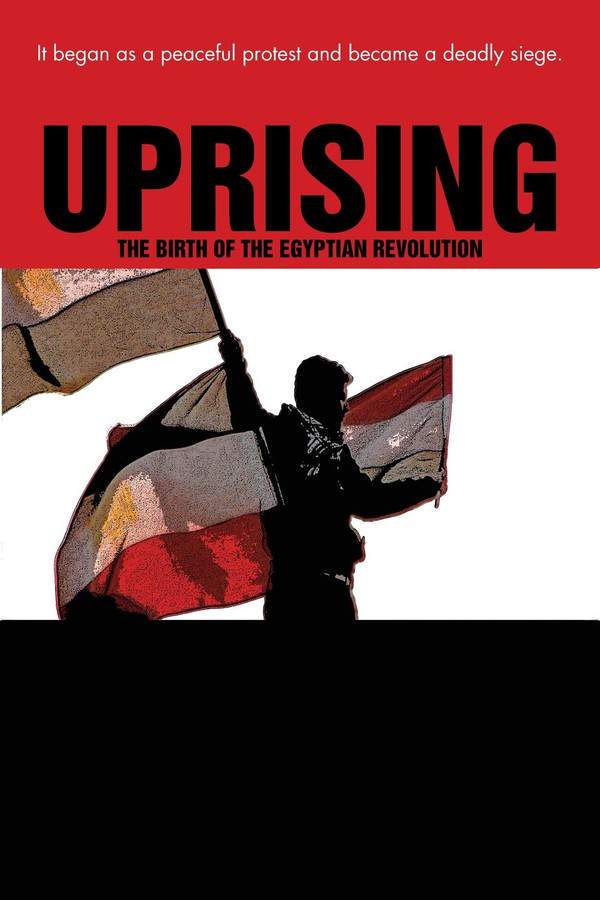
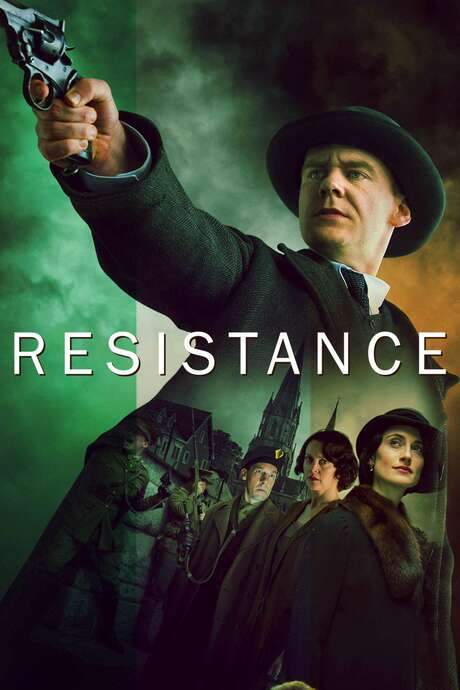
Bleak Moral Dramas like Korkoro

Character-driven journeys where profound moral failures lead to inescapable, tragic conclusions. For viewers who appreciated the heavy themes of guilt and the bleak conclusion of Korkoro, this collection highlights movies with similar emotional arcs. Explore stories where characters are haunted by their past and confront the tragic consequences of their actions in narratives with a steady, somber pace.

  • heartbreaking
  • somber
  • tense
  • desperate
  • tragic
  • guilt-ridden
  • Tone: dark, bleak
  • Pacing: steady, character-driven
Why these movies?

The story pattern: The plot revolves around a central moral failure—such as betrayal, cowardice, or complicity—that sets off a chain of tragic events. The protagonist is haunted by guilt and seeks a path to understanding or atonement, but the narrative structure ensures that the consequences are inescapable, culminating in a conclusion that offers little solace.

Why they belong together: These films are grouped by their shared exploration of guilt and the often bleak outcome of moral crises. They possess a high emotional weight, a dark or bleak tone, and a steady pacing that allows the full impact of the characters' choices to settle. The endings are consistently tragic or bittersweet, reinforcing the heavy themes.

If you liked this

Movies Like Korkoro

Similar movies to Korkoro: the same genre, themes or kind of story. Each one comes with its own plot summary, timeline and ending explained.

Browse all movie summaries

Every angle

Korkoro (2011) Explained: Plot, Timeline & Characters

Everything about Korkoro in one place: what happens in the plot summary, the timeline in chronological order, the characters and meaning and a spoiler-free summary. What's After the Movie adds the cast, box office and post-credit scenes.

Coming soon on iOS and Android

The Plot Explained Movie Summary App

Plot summaries, endings explained and timelines on your phone. Catch up on any movie in minutes, save your favorites and never miss a twist again.

Be the first to know when we launch. Your email stays private, always.

Learn more about the app